"I remember it because we were pretty terrified of it. The media said there was no radioactivity here, but it was still decreasing. Which didn't make any sense. We were quite worried that it would affect our area as well, not just the Ukrainian one. And I felt terribly sorry for the people who were there and who, for example, had to make the sarcophagus. The aftermath of it, they were dying in severe pain afterwards, so it was terrible, I think.
- I guess the news was sketchy?
- I'm sure they were sketchy, they were just kind of misleading, they weren't true.
- Well, was there anything to be learned, or was it just a matter of waiting?
- We were trying to get some information from the International Atomic Energy Committee, maybe it's not called that, but it's a union of nuclear power plants that has some information about the leak or the closure. That's where I tried to get some information. But there was no internet at that time, so it was quite difficult. There was no literature about it, so I wasn't very successful. My parents weren't really allowed to talk about it, so we just watched to see what it would do to us. So, fortunately, nothing, except that Waldemar Matuška emigrated."
"We tried to do what we could within the limits of our instrumental and medical possibilities. I remember how terrifying it was for me when I had a 50-year-old patient with kidney failure. And I couldn't get a place for her on an artificial kidney on dialysis. There were so few dialyses back then. There was one in Liberec, one in Ústí nad Labem and one in Prague, of course. And there were certain medical criteria that patients had to meet to get on dialysis. But there were also political criteria. There was a mother who had three children, but she was not in the party, so she couldn't go on dialysis and she died. Which was terrible, I couldn't cope with it at all. It took me quite a long time. It was also a problem for me when we had a patient with cancer and they weren't allowed to be told the diagnosis. I think the patients eventually understood that they had the disease because they weren't stupid. It's just, when they go for radiation, they have cytostatics, well, I guess what could it be, right. And then we ended up playing this game afterwards - they pretended to be well and we sort of believed them."
"I remember it very well - the burning of Jan Palach. It was a terrible feeling to touch your life like that. That's what a desperate person has to do, and a determined one at that. We were terribly sorry and incredibly sad about it. Even afterwards, what happened during the funeral - I still remember it to this day. How sad it was, how big the funeral was, but everything that was going on around it as well. The cops, the State Security. It was a terrible experience.
- How did you find out about his crime?
- I think it was the media. But there was actually a classmate of mine from high school who took pictures and brought them to us. And I took the pictures, a few pictures, home and showed them to my parents. And my mom said, very, very firmly, that I had to destroy it, and I didn't want to. I said I'll find a hiding place, just hide them somewhere and nobody will find it. And she insisted that I burn them. So I had to do it. I thought it was really hard, but in retrospect, I think my mom was right. That after the experiences she had, I think it was understandable on her part."
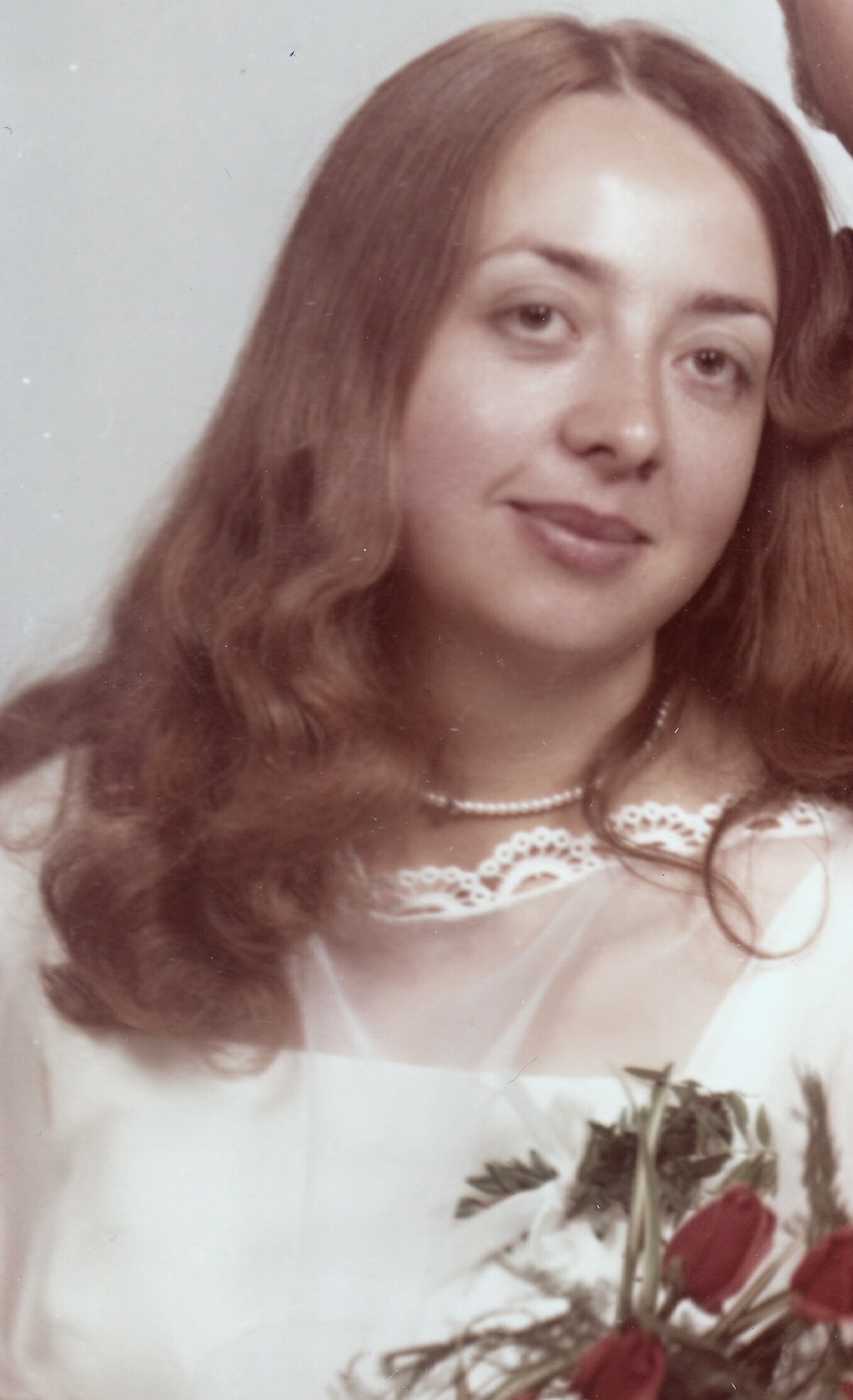
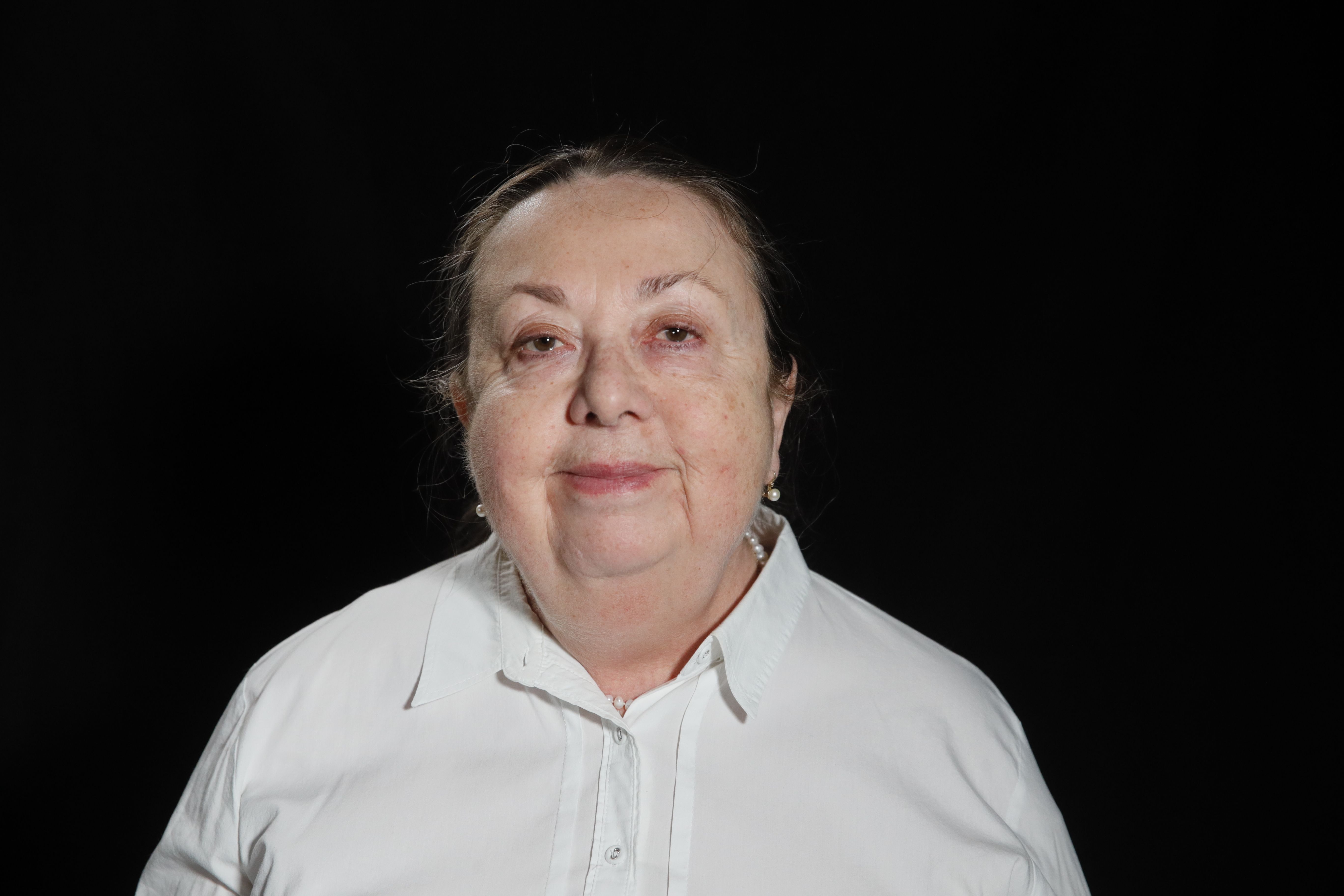
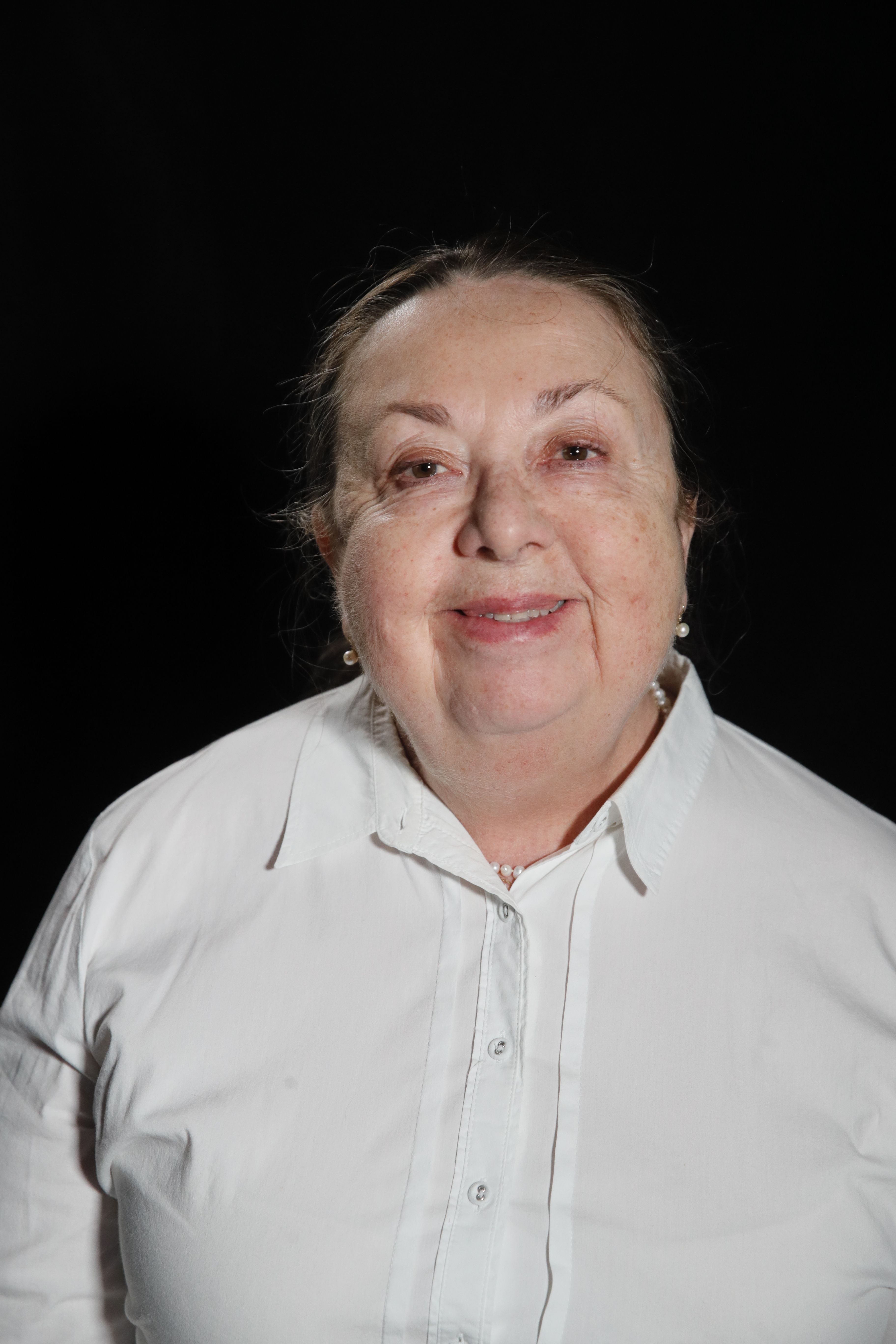
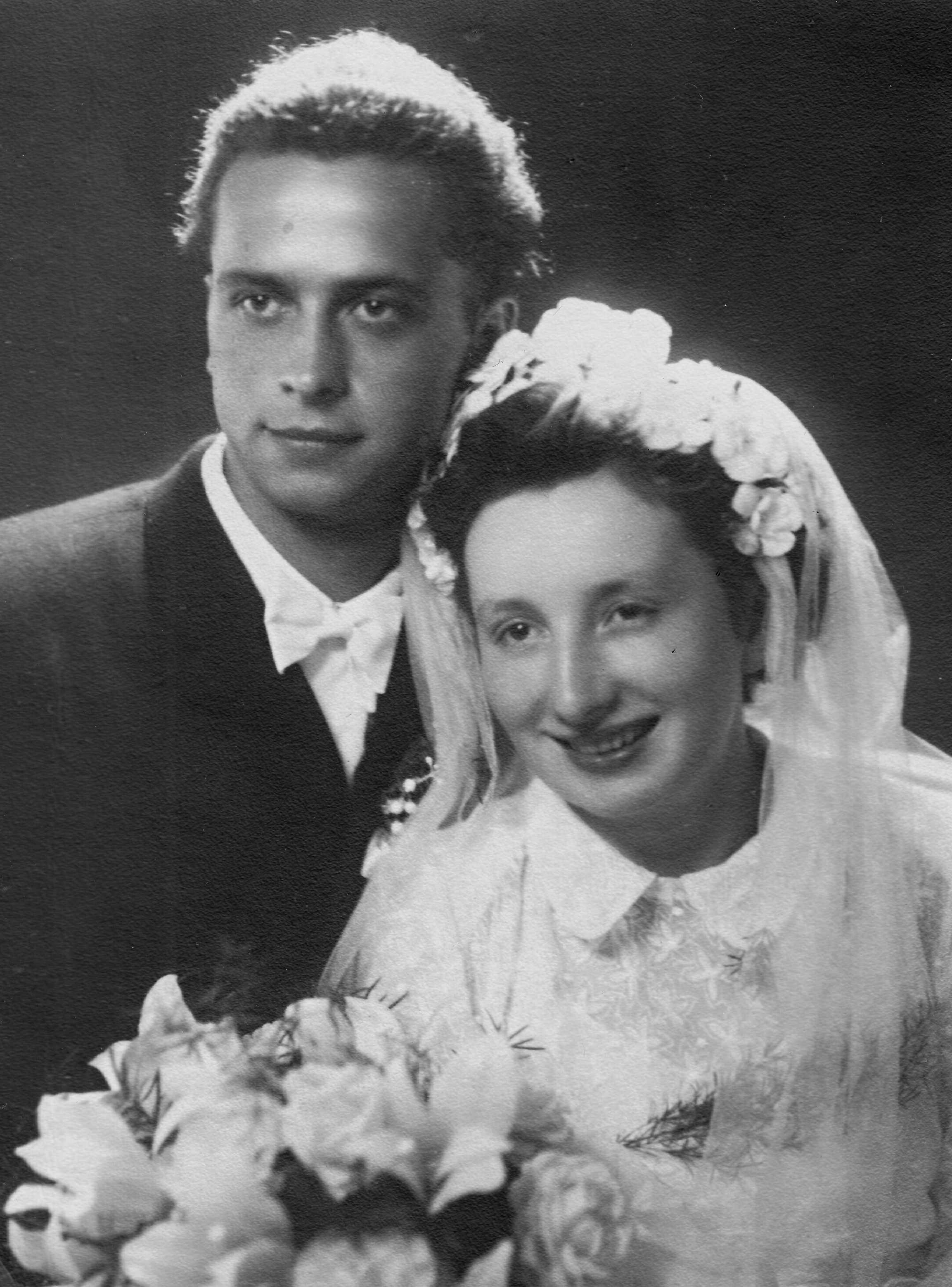
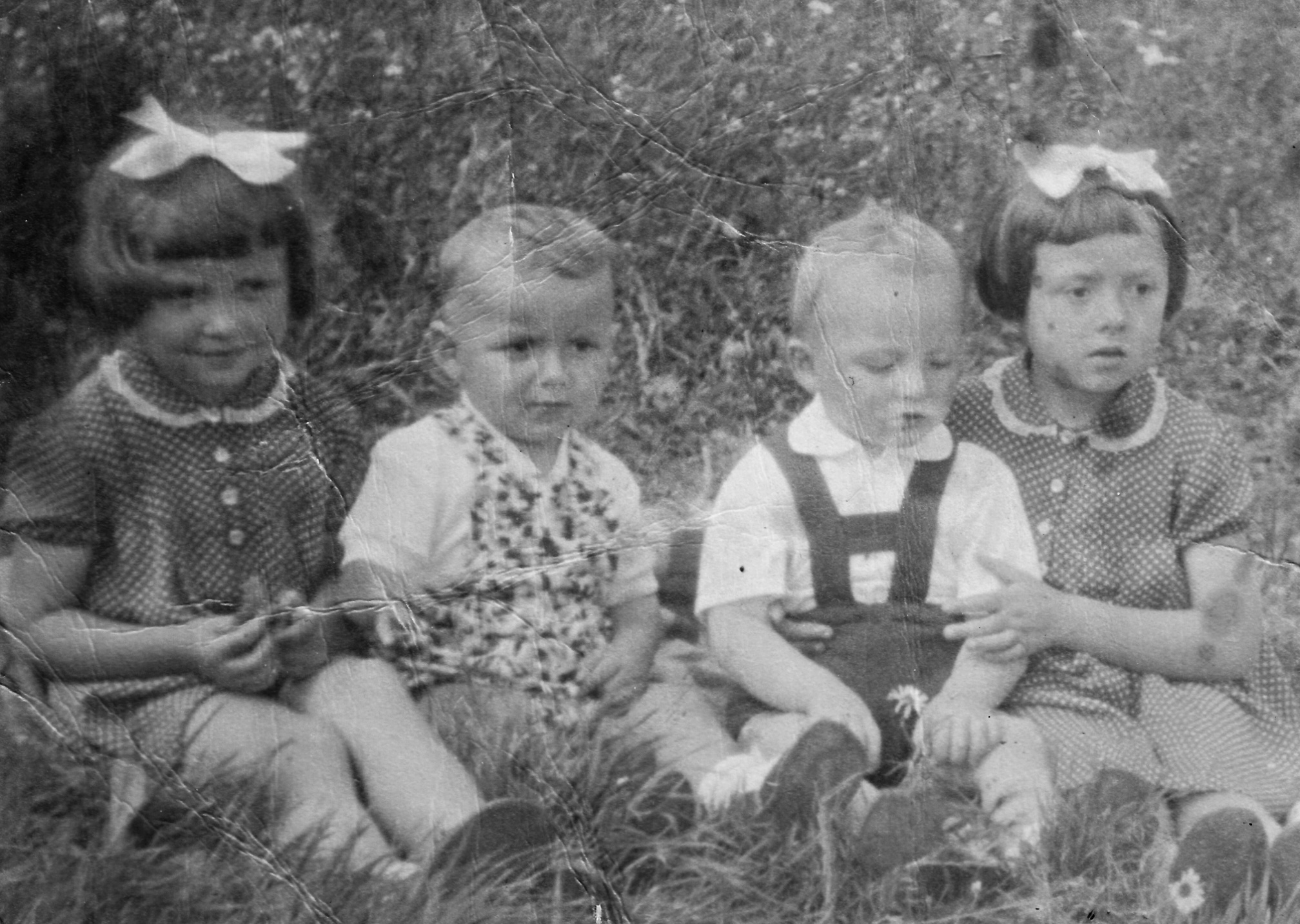
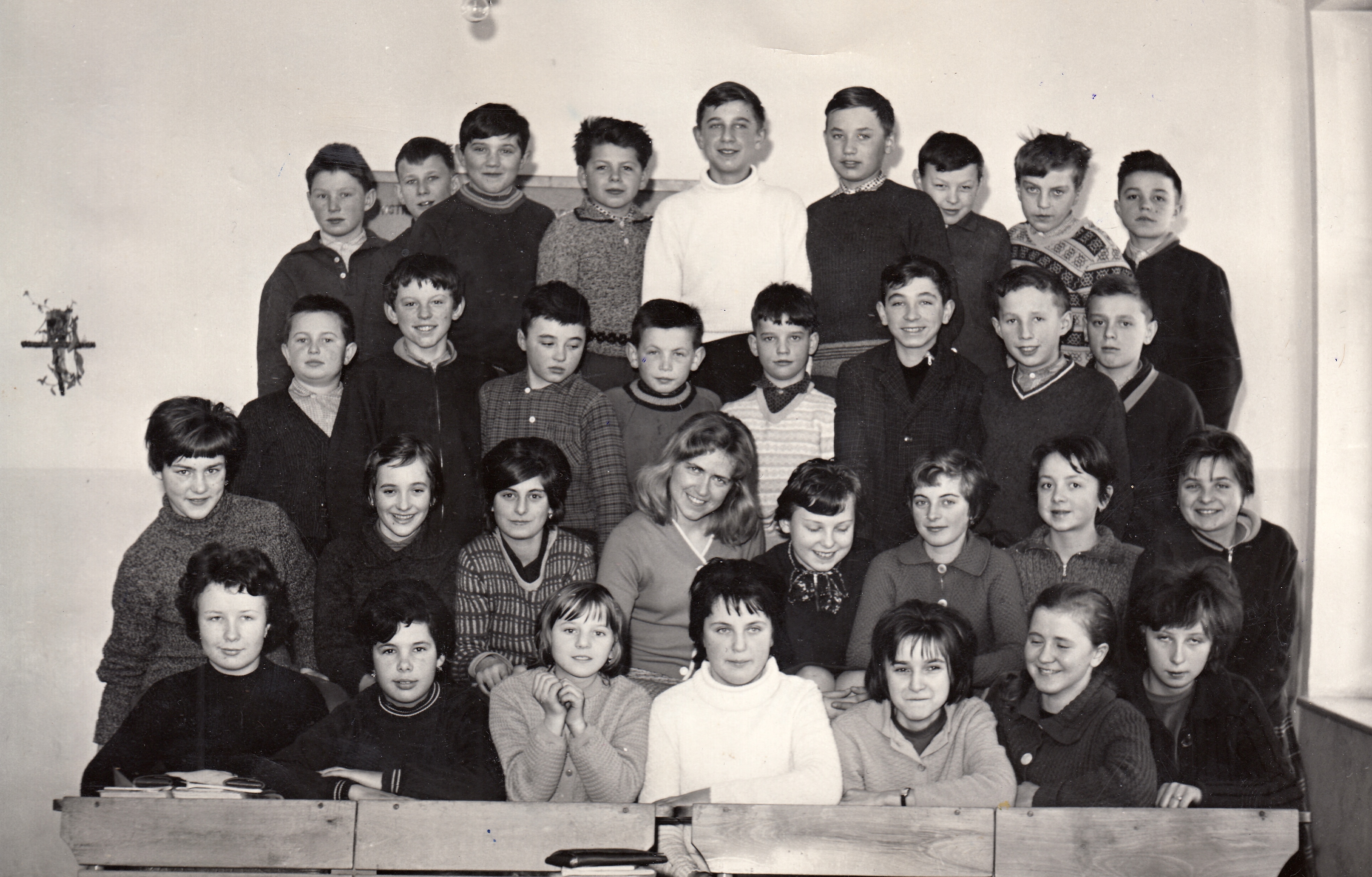
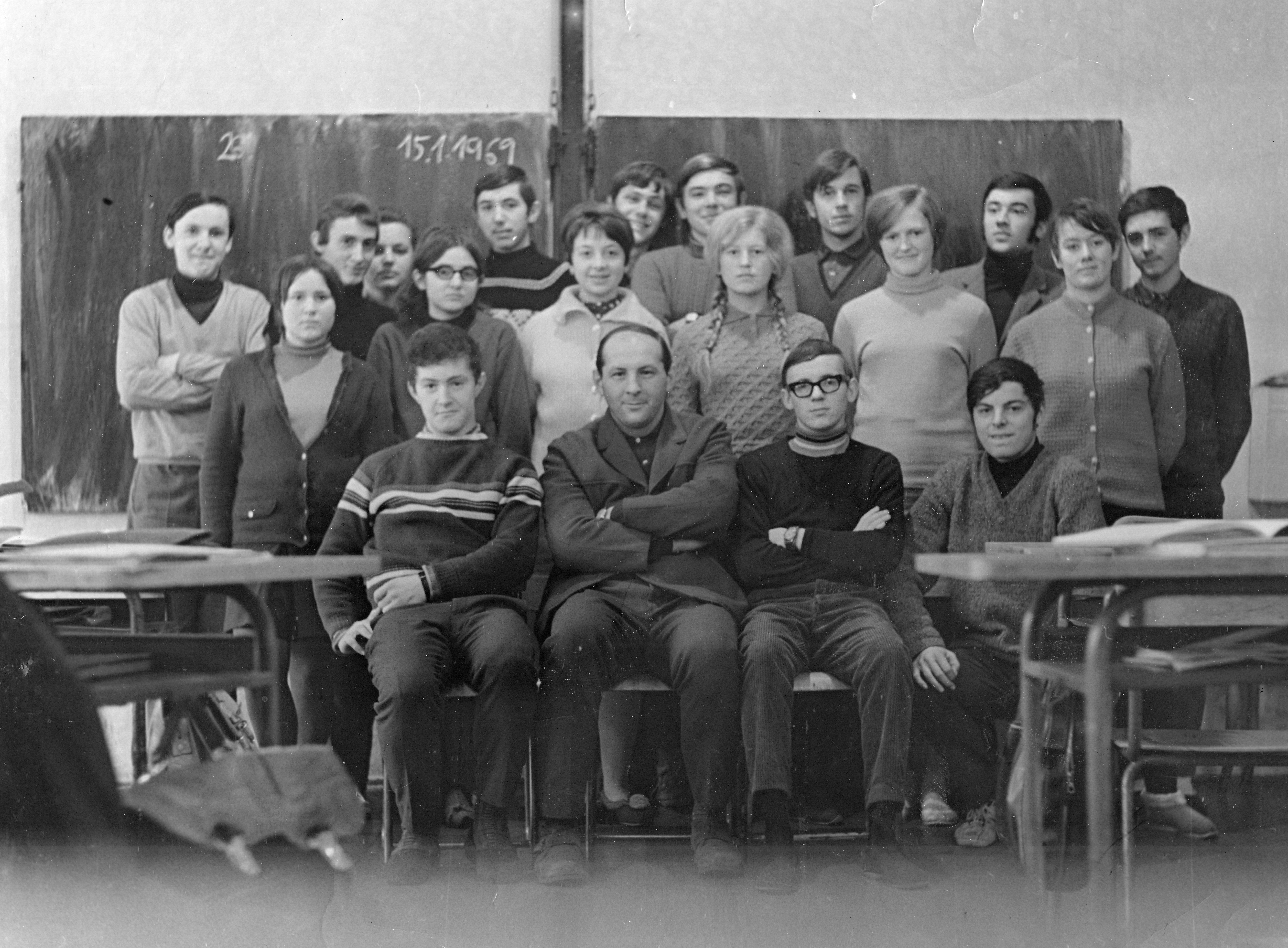
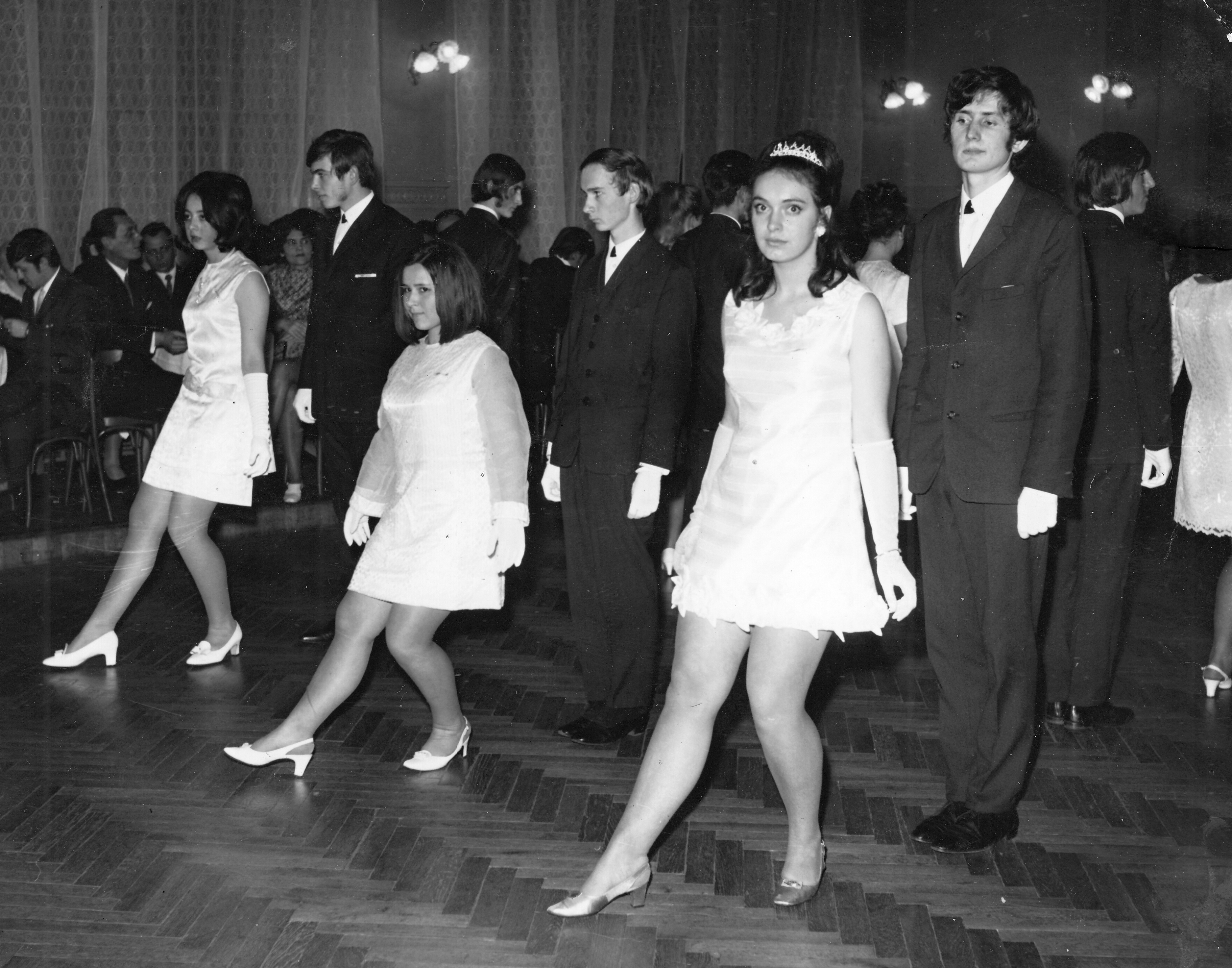
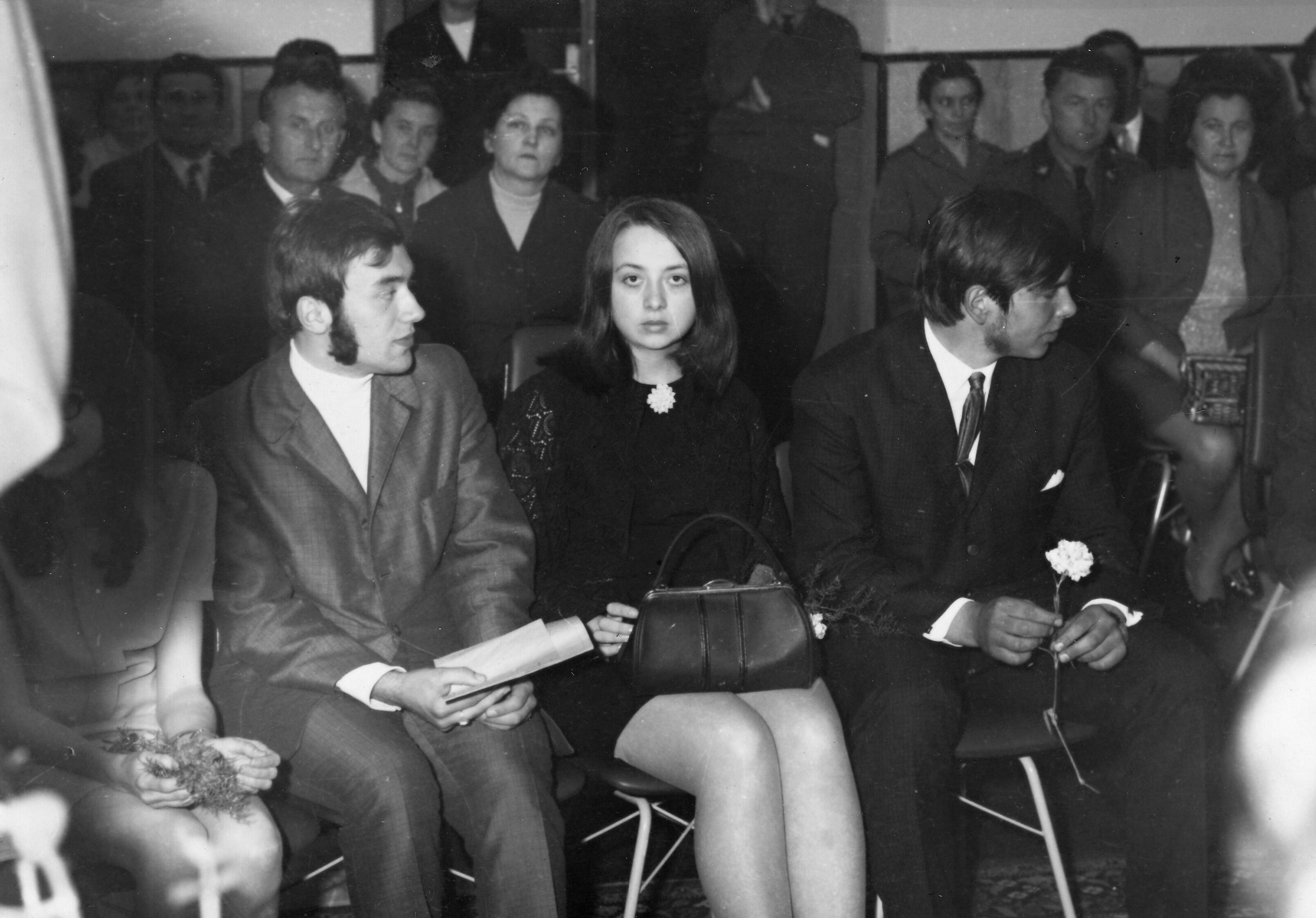
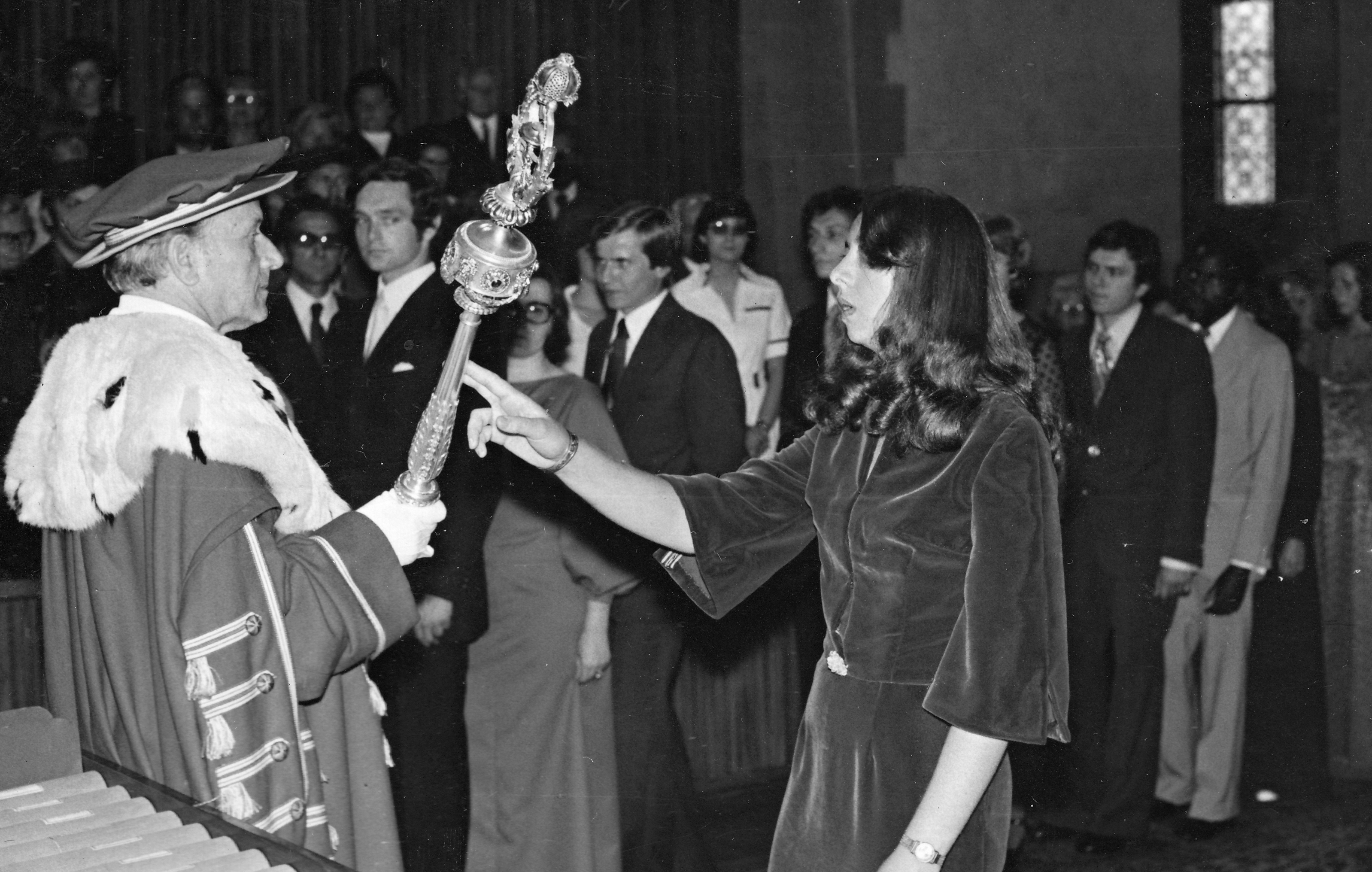
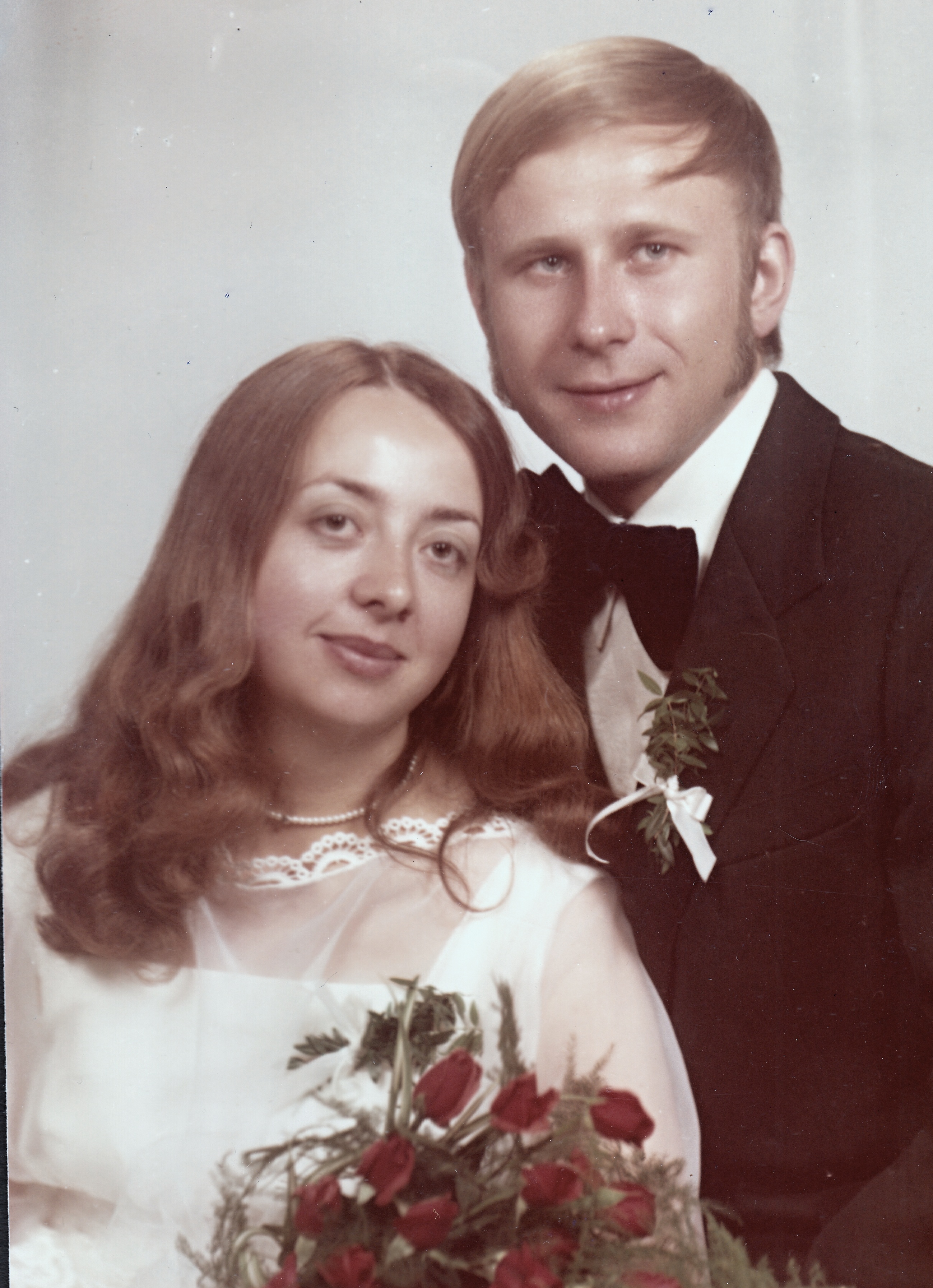
Alena Sellnerová was born on January 10, 1952 in Planá near Mariánské Lázně into a religious family with four children. Her parents, Blažena and Vladislav Pospíšil, were emigrants. Mom‘s family left for Ukraine in the 1860s because of the Tsar‘s promise of land, and Dad‘s ancestors, post-Belarusian emigrants, settled around Zelów, Poland. During World War II, the families‘ situation changed dramatically. They decided to return to their original homeland, Czechoslovakia. Both parents did not like to tell what they experienced during the war in the places where they grew up. When Alena Sellnerová was young, the family had a small farm in Černošín in the Tachov region, which supported them well. However, the collectivisation of agriculture in Czechoslovakia deprived the family of their fields, some of their animals and farm machinery. The father then worked on the state farm as a tractor driver and the mother worked until her retirement at the Kozak National Enterprise, one of the largest producers of leather goods in the socialist bloc. She graduated from a three-year general education school in Stříbro and from the Faculty of Medicine at Charles University. She has first and second degree certificates in internal medicine. After marrying her husband, who was a shifter, she moved to Děčín in 1977 and joined the internal medicine department at the hospital there. A year later their daughter Alena was born, and two years later their son Václav. In 1997 she left the hospital and started to run an allergology practice, where she has been working ever since. In 2025 she lived in Děčín
Hrdinové 20. století odcházejí. Nesmíme zapomenout. Dokumentujeme a vyprávíme jejich příběhy. Záleží vám na odkazu minulých generací, na občanských postojích, demokracii a vzdělávání? Pomozte nám!