"We raised a lot of geese for their feathers, which we plucked. We always plucked them throughout the winter; my grandmother plucked them and then we separated them in the winter. And that's such a nice experience, perhaps unimaginable for you, that our neighbors would come over, they would always gather at our house and pluck the feathers. And we would chat, and I really enjoyed it, because they would talk about who, what, where, and I was really interested in the gossip. And when my grandmother plucked feathers by herself, I had to read her romance novels. The other children went sledding, and I plucked feathers and read to my grandmother."
"Then there was a situation when the agricultural cooperative came for our cow, which we had to hand over. So... no, we had to give it to them. It was put into common management when the agricultural cooperative was established, so we had to give the cow to the cooperative. Just give it to them, donate it. Of course, we survived without her, that's not the point, but it was something... For my grandmother, for example, it was like when her husband died, because that cow was her livelihood. For her, that cow meant the livelihood for the family, the milk, some property, because they had nothing else."
"Well, we had a cow, goats, geese, chickens, cats, dogs... And actually, I was with them every day because my duty, my job, was to take care of the animals. When it was grazing season, I would go out to pasture with the cow, the goat, and the geese, and on the way back I had to pick some nettles or chop some grass so that there would be more to feed them in the evening. I have a memory about my favorite goat. When I took my fifth-grade textbook to the pasture, I fell asleep while reading, and the goat ate my textbook. Because, as we know, goats like paper."
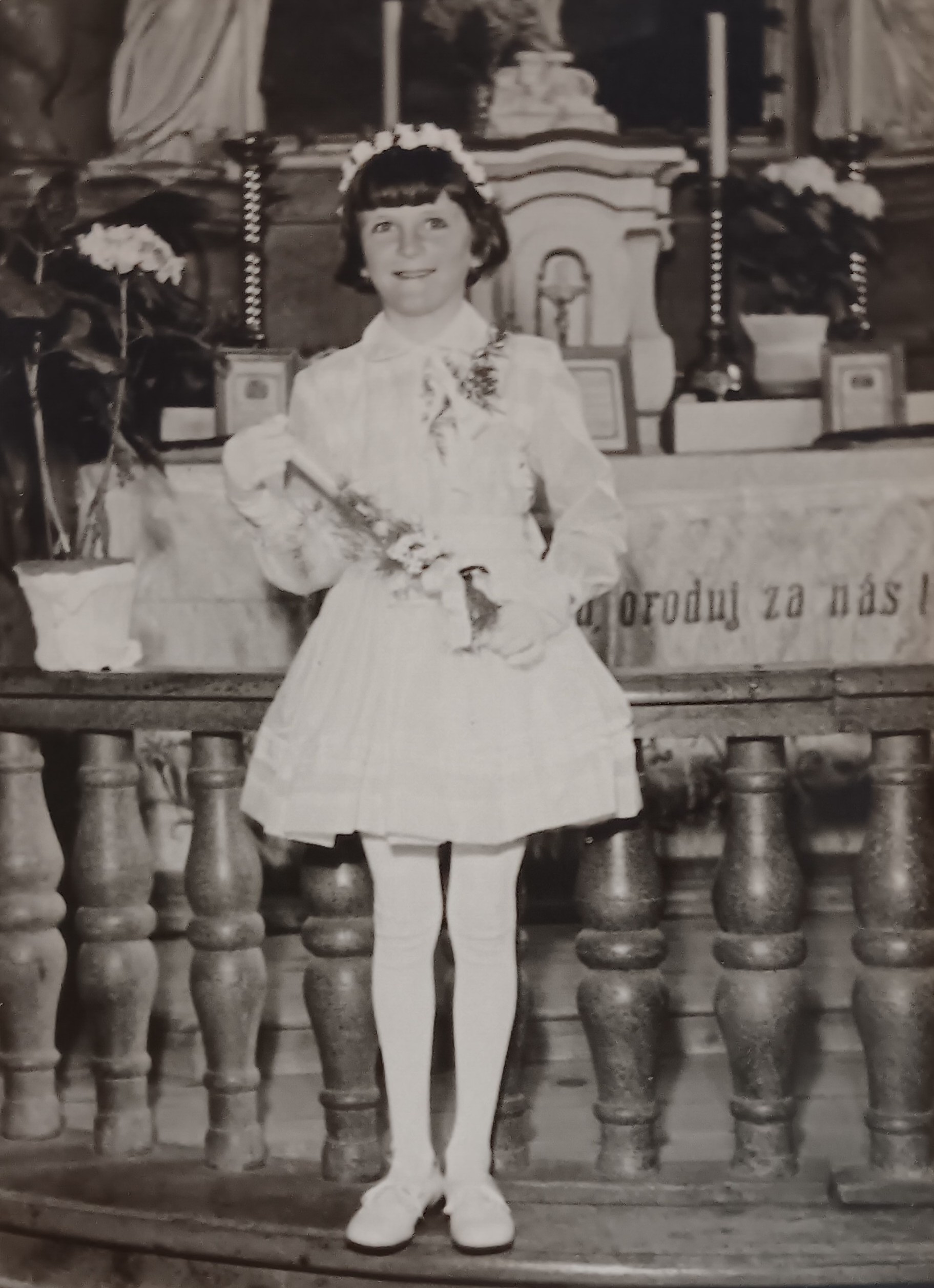
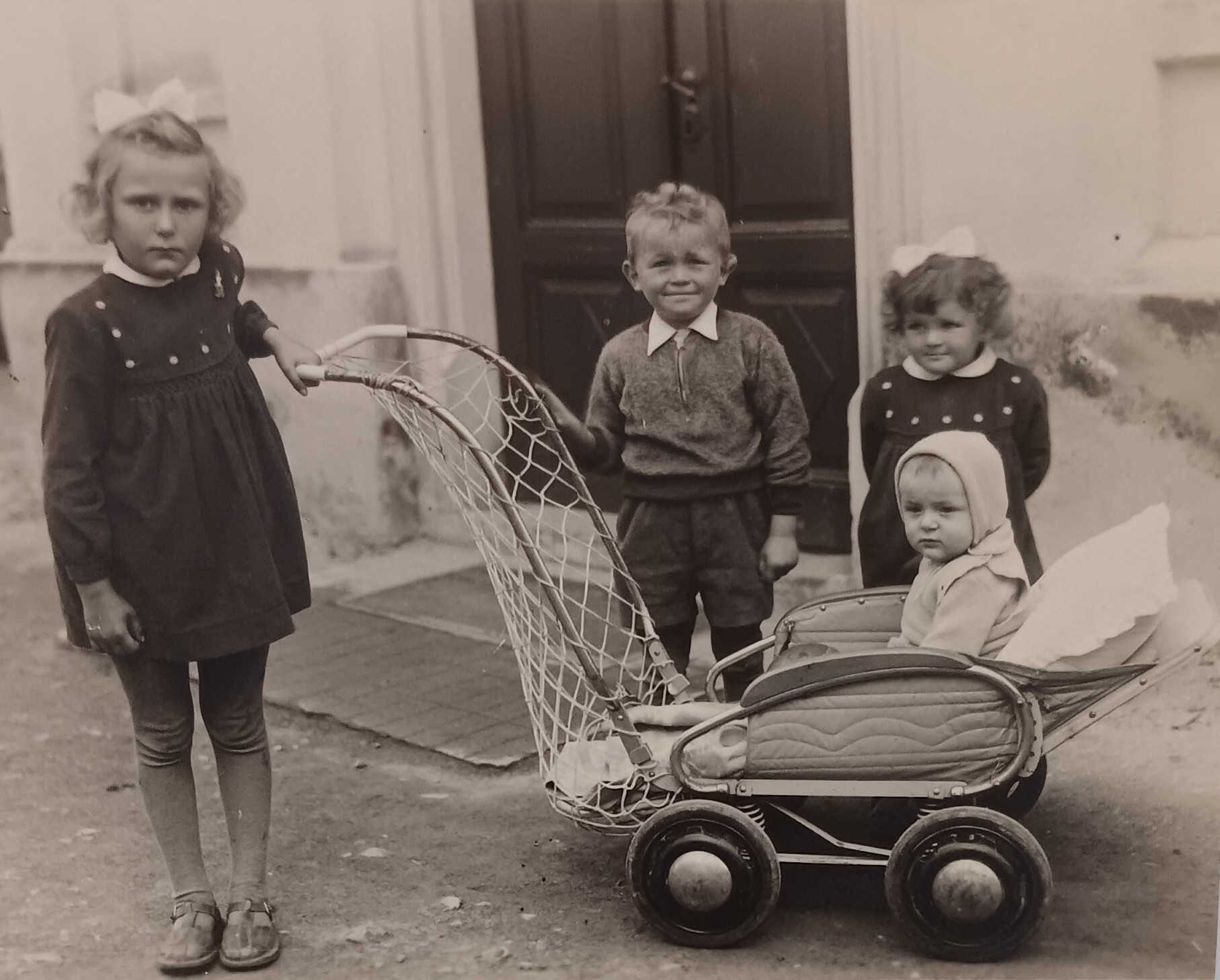
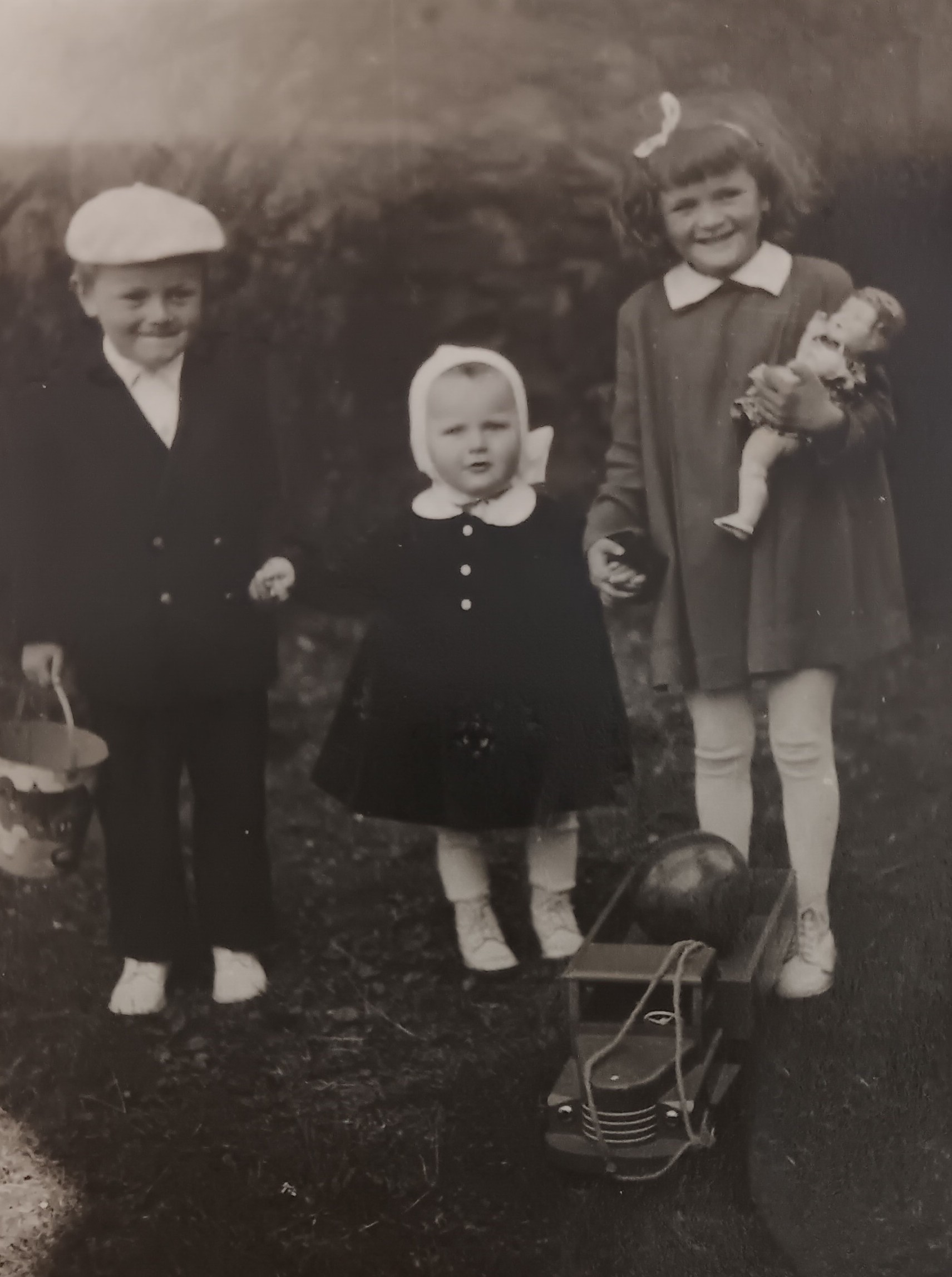
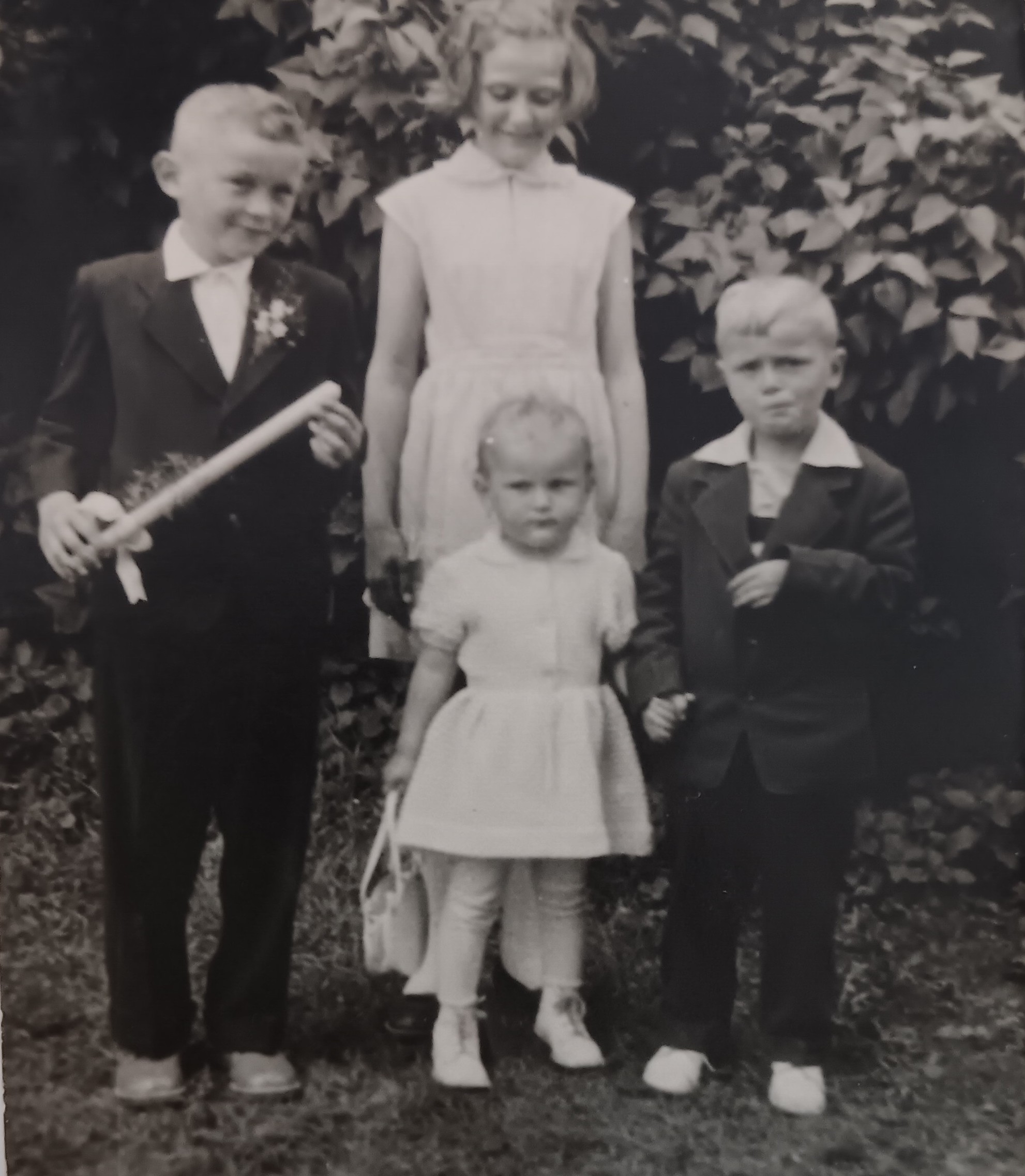
Drahomíra Šebestová, née Bláhová, was born on September 15, 1953, in Třebíč and had four siblings. As a child, she moved to the village of Olbramkostel, where her family farmed. In the 1950s, they were forced to join a collective farm, grow predetermined crops, pay taxes, and hand over some of their animals. When Russian troops invaded the country in August 1968, her grandmother was convinced that another war was coming. Drahomíra Šebestová and her friends used to hide in a ditch by the road to Prague, from where they watched the soldiers. After elementary school, she wanted to study fashion design, but the communists needed her as a painter of industrial ceramics. She trained in Znojmo and worked at the company for two years before getting married and moving with her husband to Štětí. She couldn‘t find work as a ceramic painter there, so she worked as a professional driver for fifteen years. When the revolution came, she rejoiced in her newfound freedom and the opportunity to travel. She and her husband started a small business in the construction industry. Before retiring in 2012, she worked for a ventilation company in Štětí. In 2024, she lived in Štětí.
Hrdinové 20. století odcházejí. Nesmíme zapomenout. Dokumentujeme a vyprávíme jejich příběhy. Záleží vám na odkazu minulých generací, na občanských postojích, demokracii a vzdělávání? Pomozte nám!