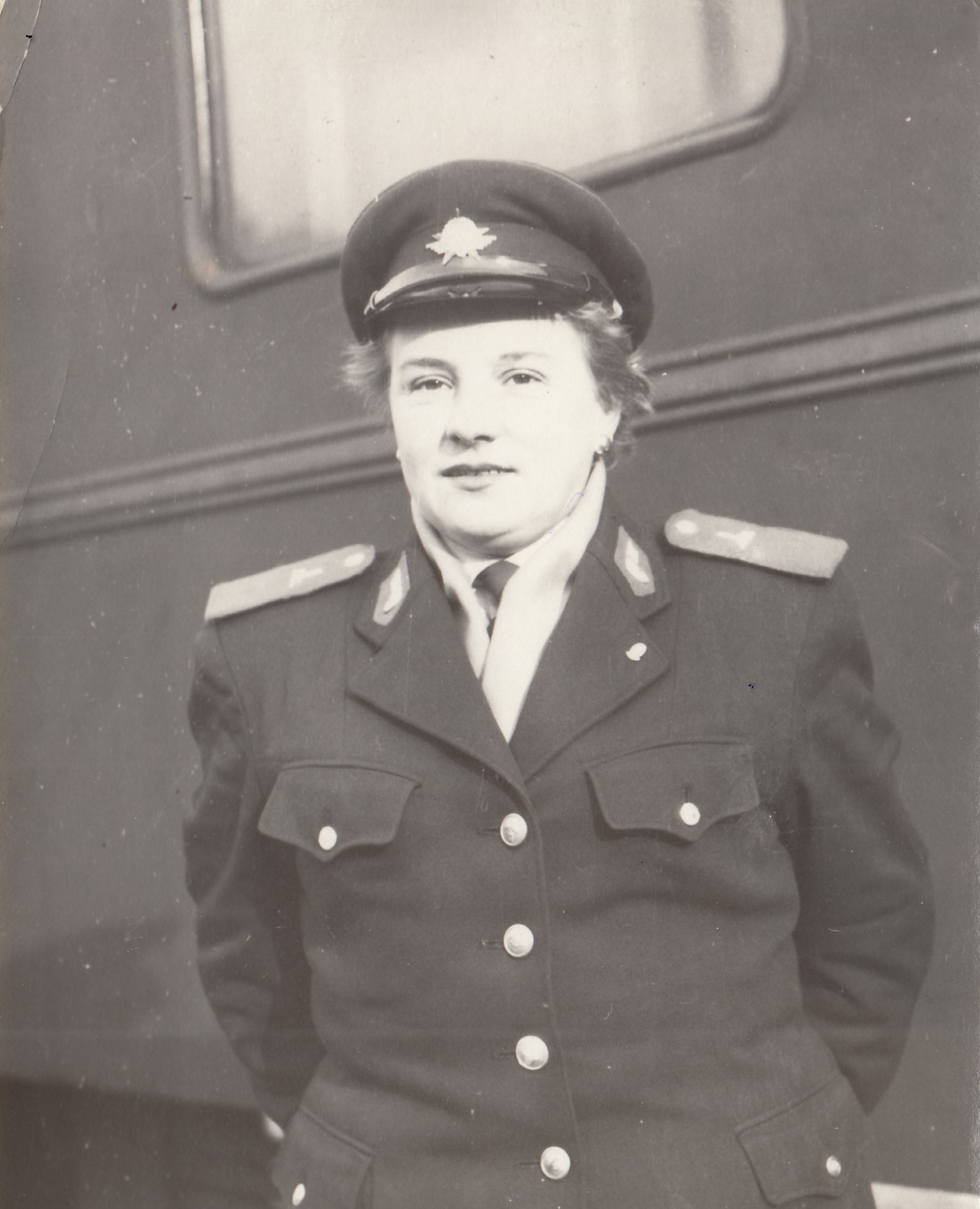
"When we were being occupied by friendly troops, I was listening to the radio and thinking, 'This is some kind of play!' I look out the window and the wives of the conscripted soldiers in Bechyně, my husband was fishing... and they're throwing sleeping bags out the windows, full gear, throwing them out the windows. Well, a big fuss. So I run to the water to see my husband, to Sazama. I said, 'The Russians are occupying us!' He says: 'What are you making up?!' I said, 'Come home and listen to the radio.' And they were occupying us. And I was working as a hand switchperson at the railway station in Tabor. The Russian tanks were standing on the hill in Čekanice and they were aiming at us at the station. The freight station. That's how I lived through '68."
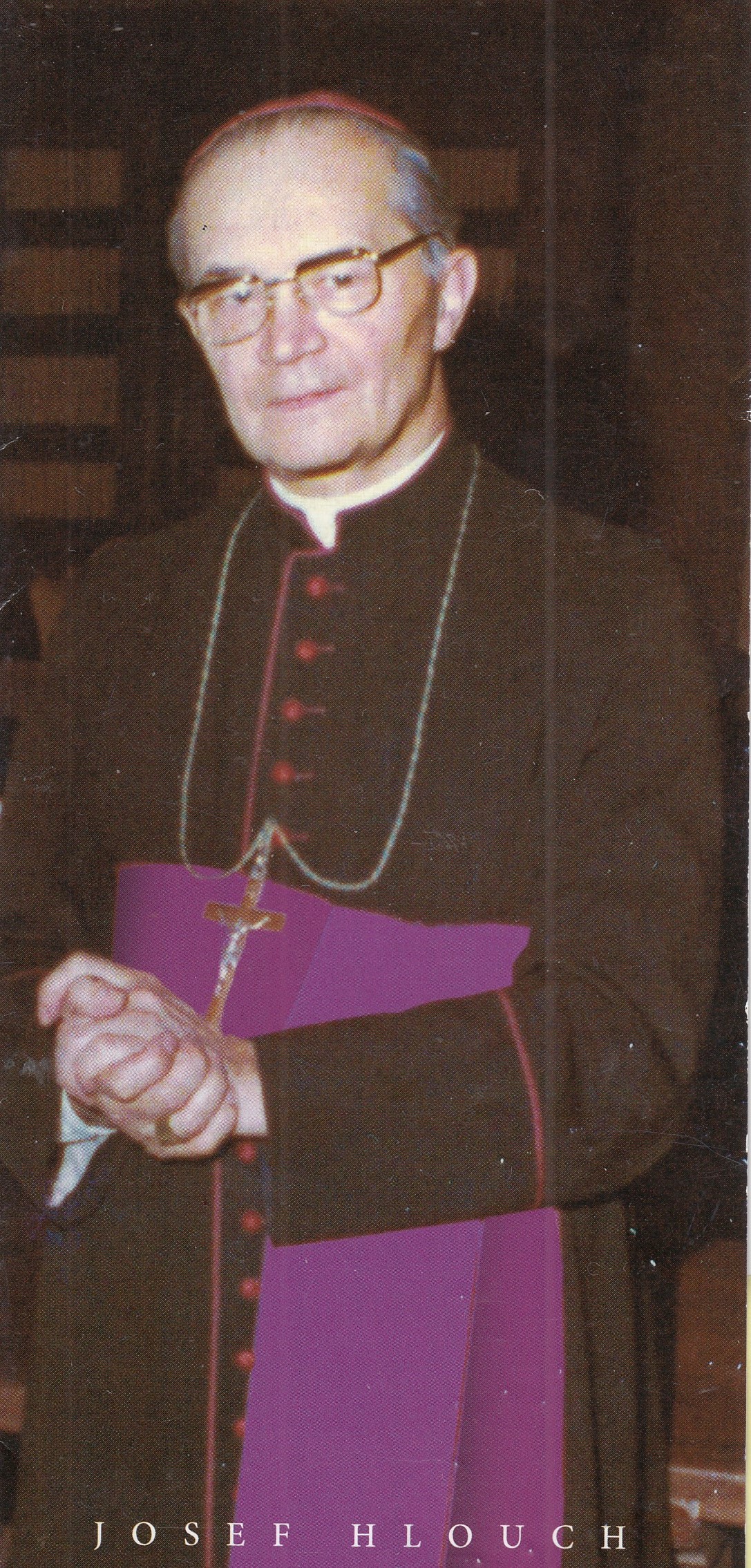
"When my mother was in prison, Dr. Hlouch, the bishop, helped her. I met him in Senovážné Square, praying at the Marian column. He stopped by me and said, 'Little girl, why are you crying here?' And I said, 'Mummy's in prison.' it was in 1948. And I said that Mummy's innocent, and Dr. Hlouch went to Prague. And on Christmas Eve, at four o'clock in the afternoon, Mummy was home. Dr. Hlouch, the bishop, arranged that for her in Prague."
"I remember them marching into the town past St. Nicholas Church and the bank and there were people standing there. And an elderly gentleman that didn't greet them. And this boy jumped out of the procession and gave him a slap and knocked his hat off. That's how I knew them during the war."
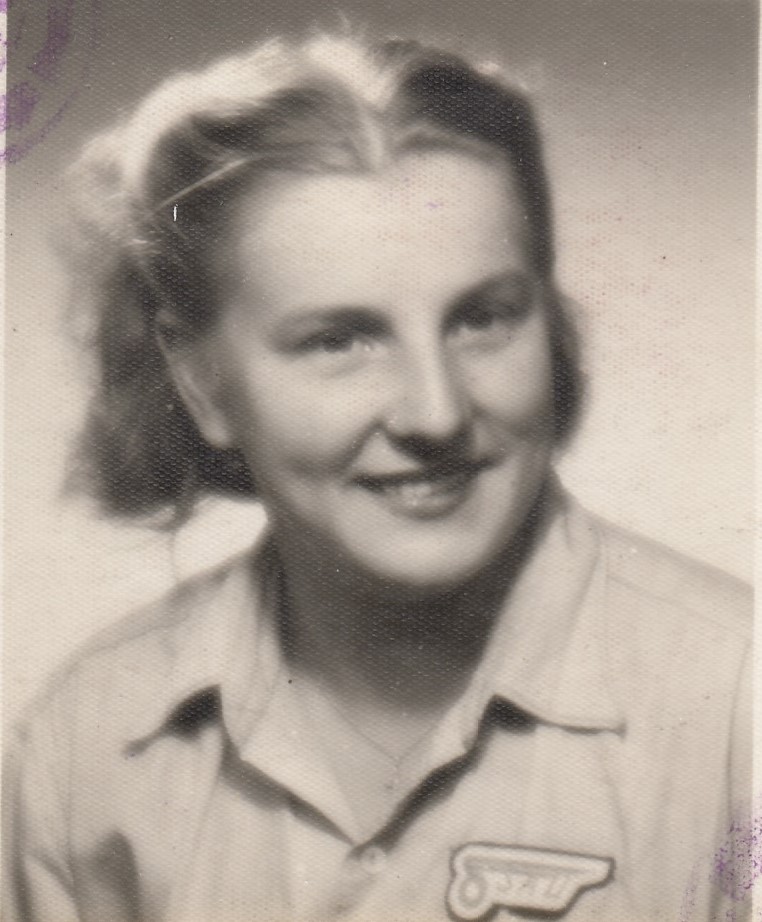
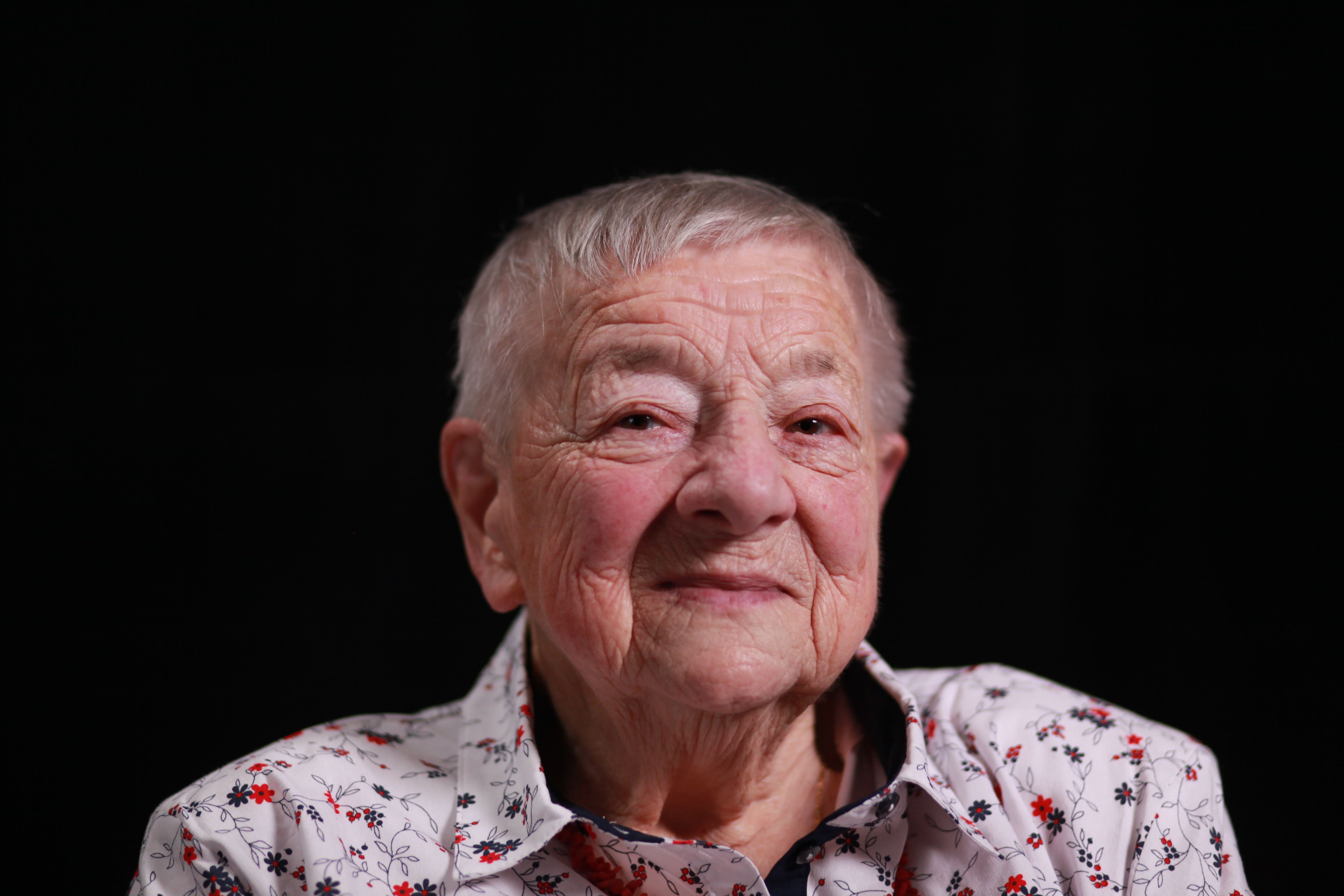
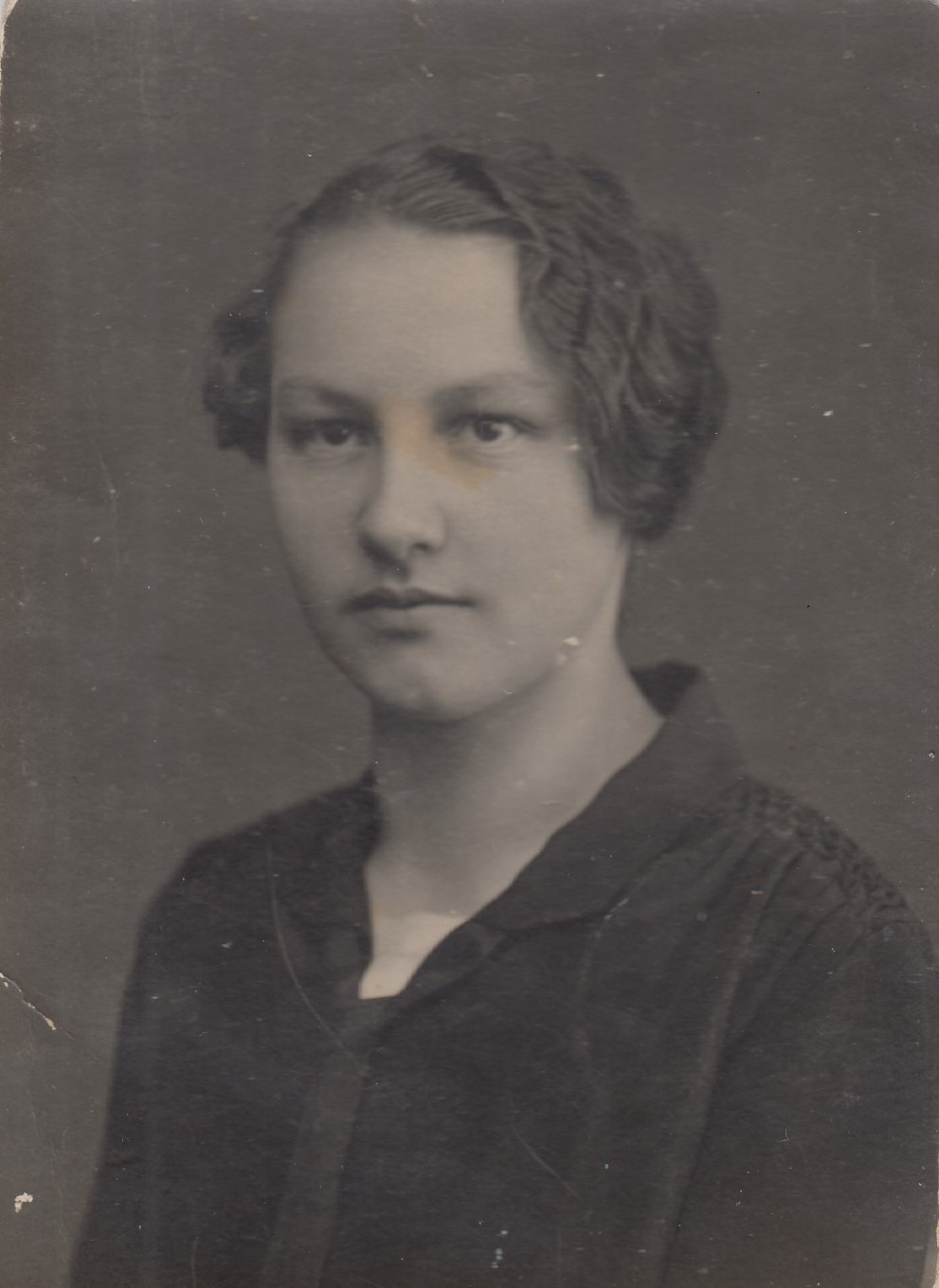
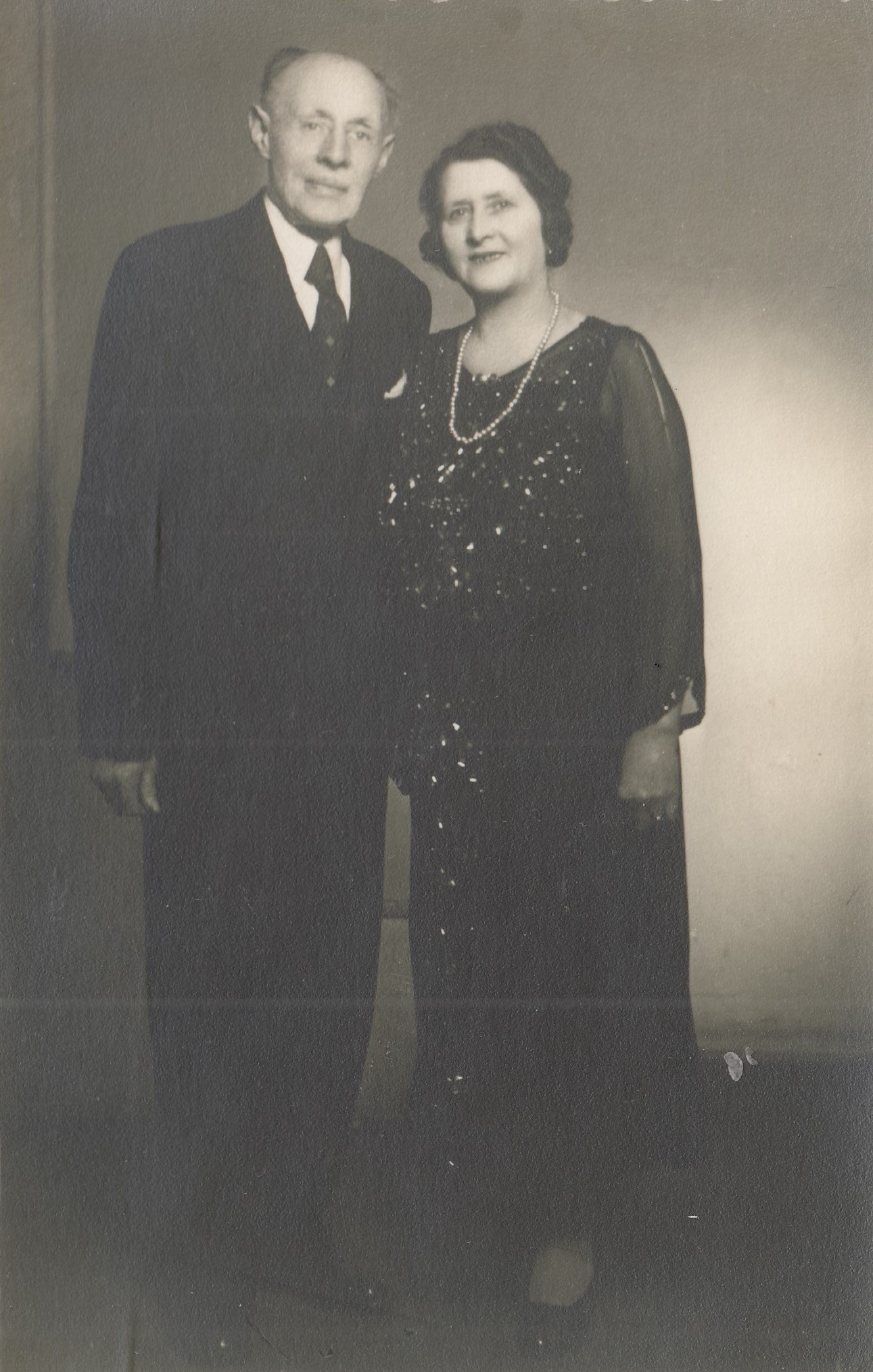
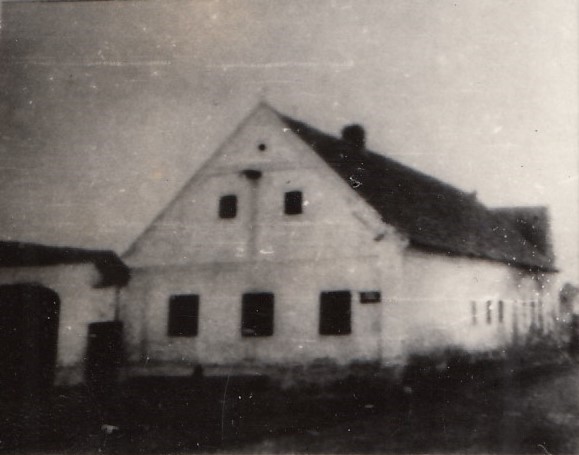
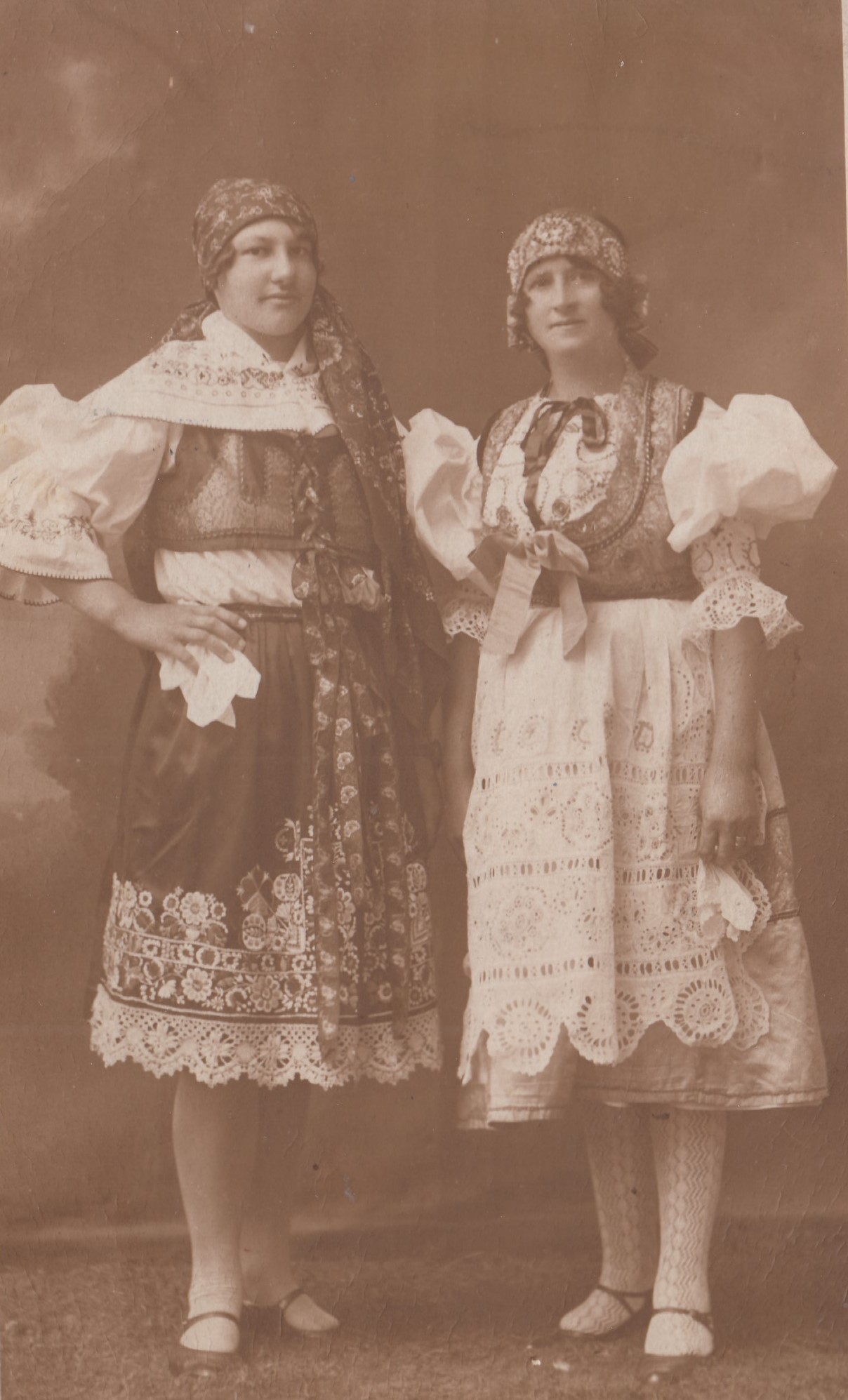
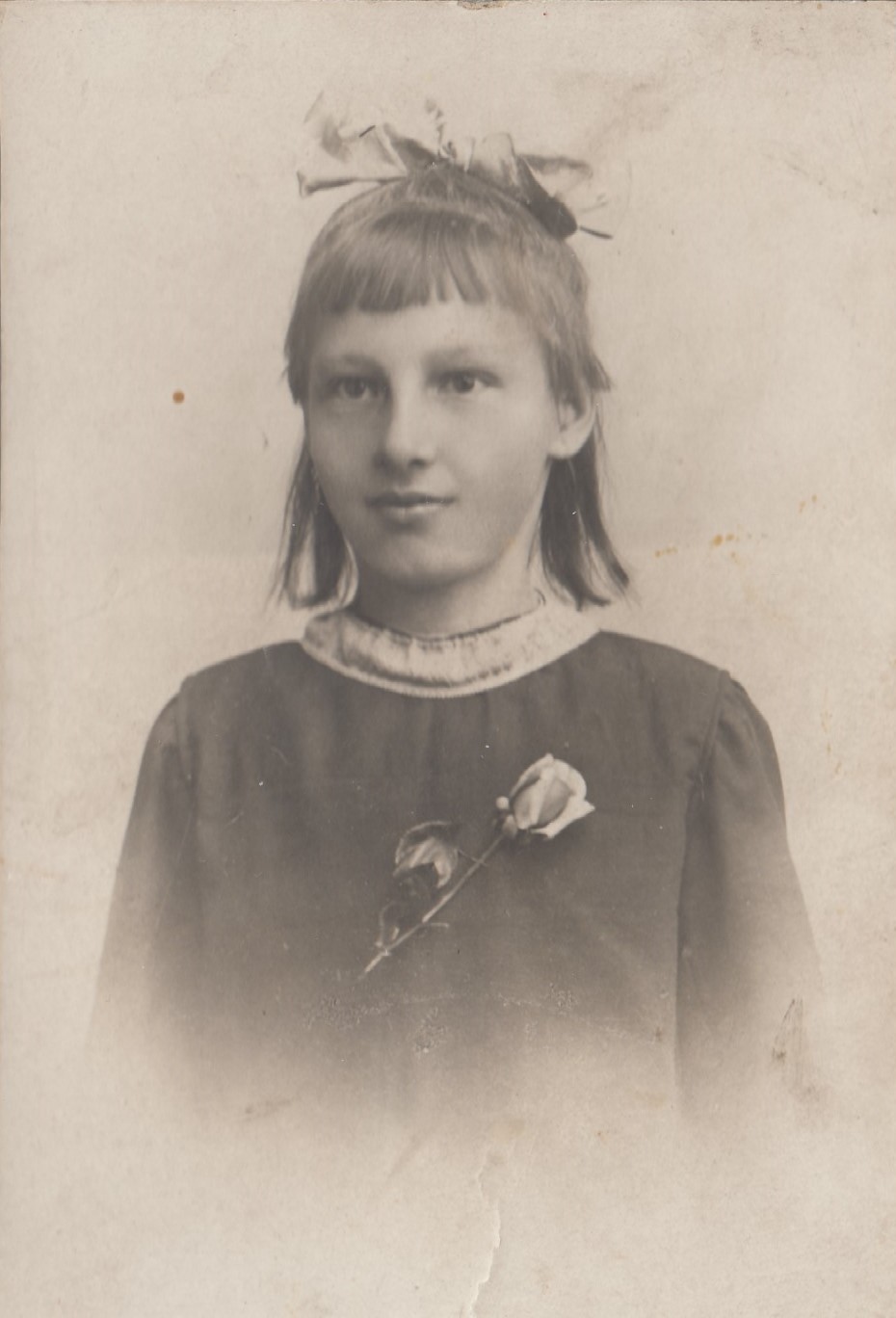
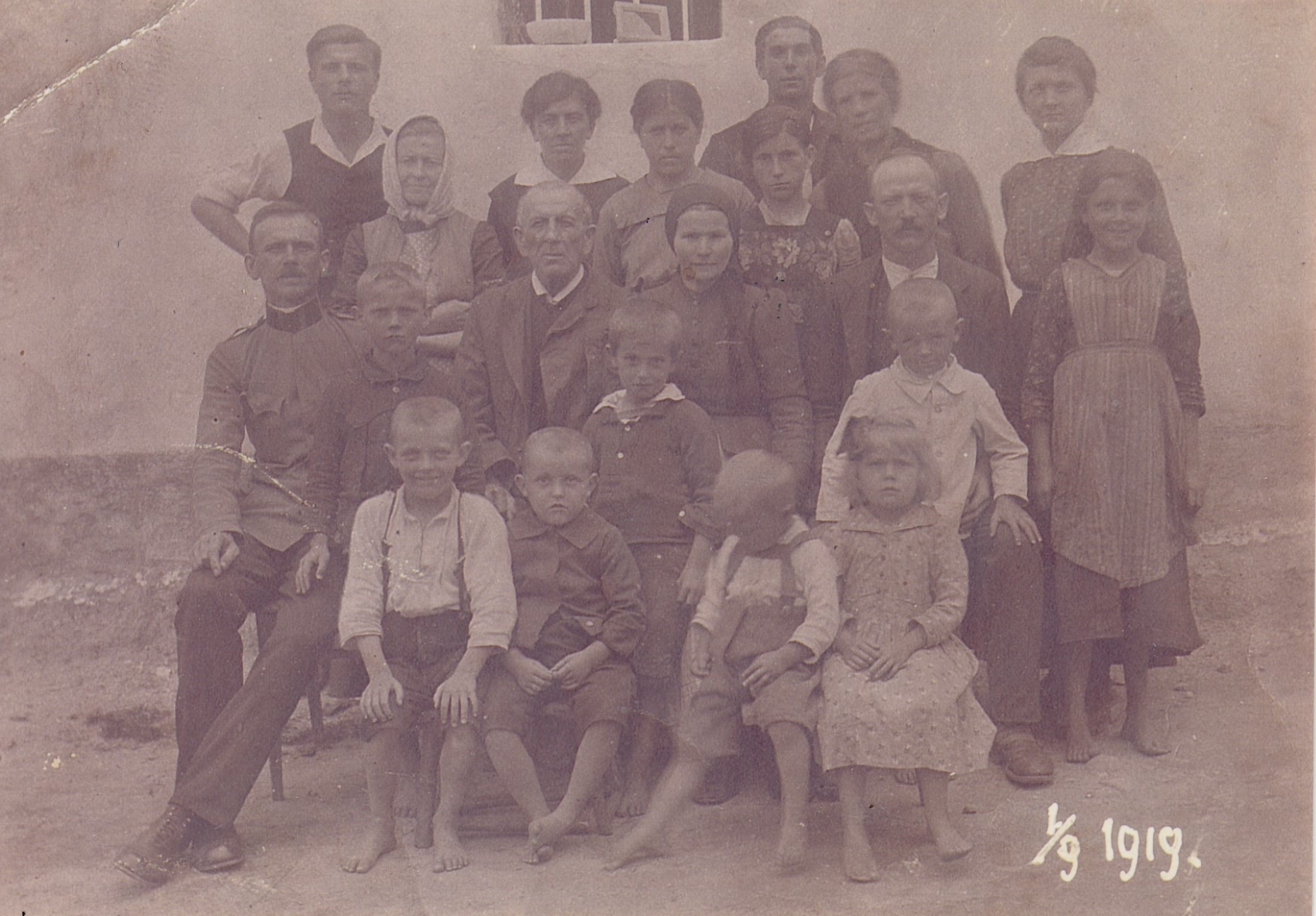
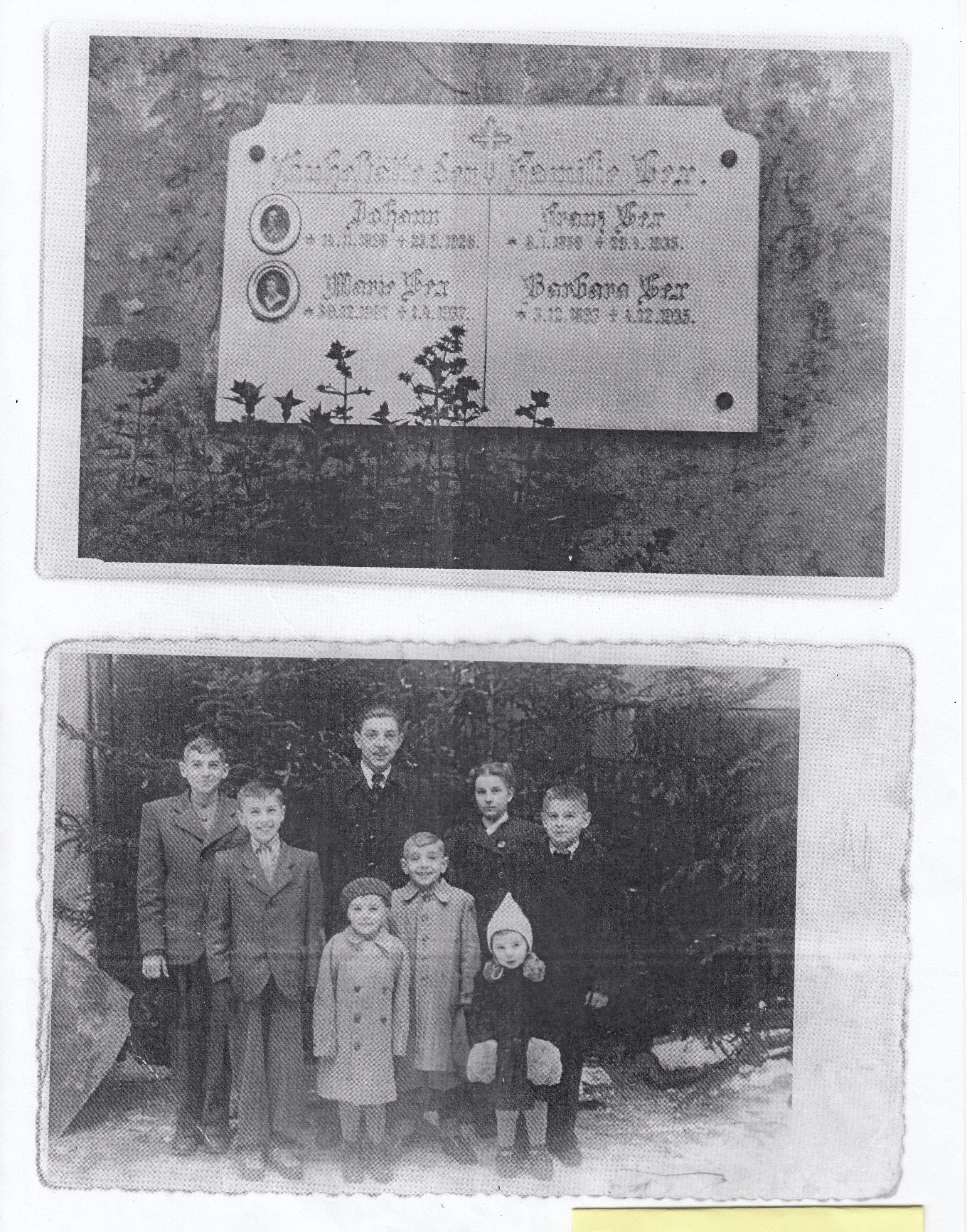
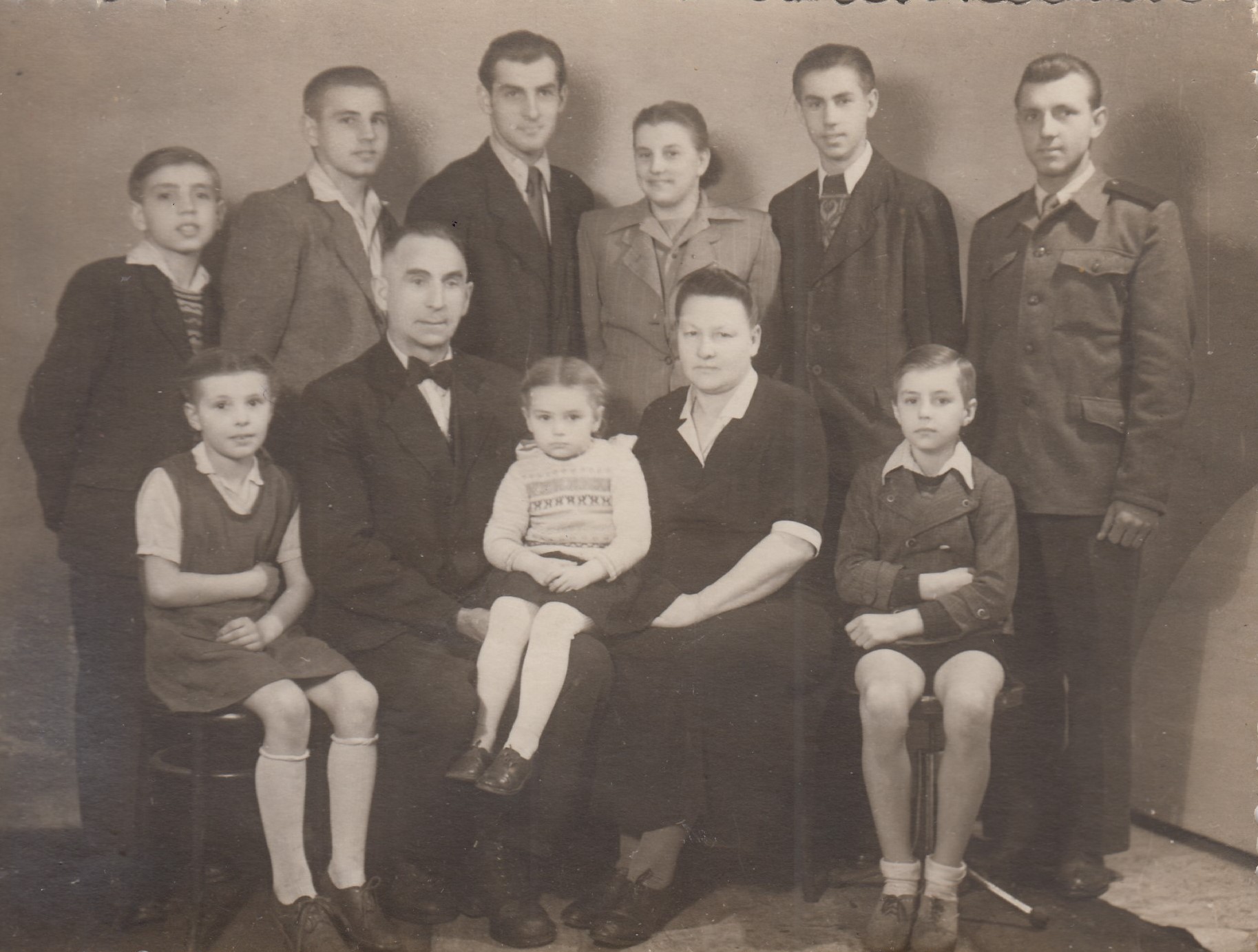
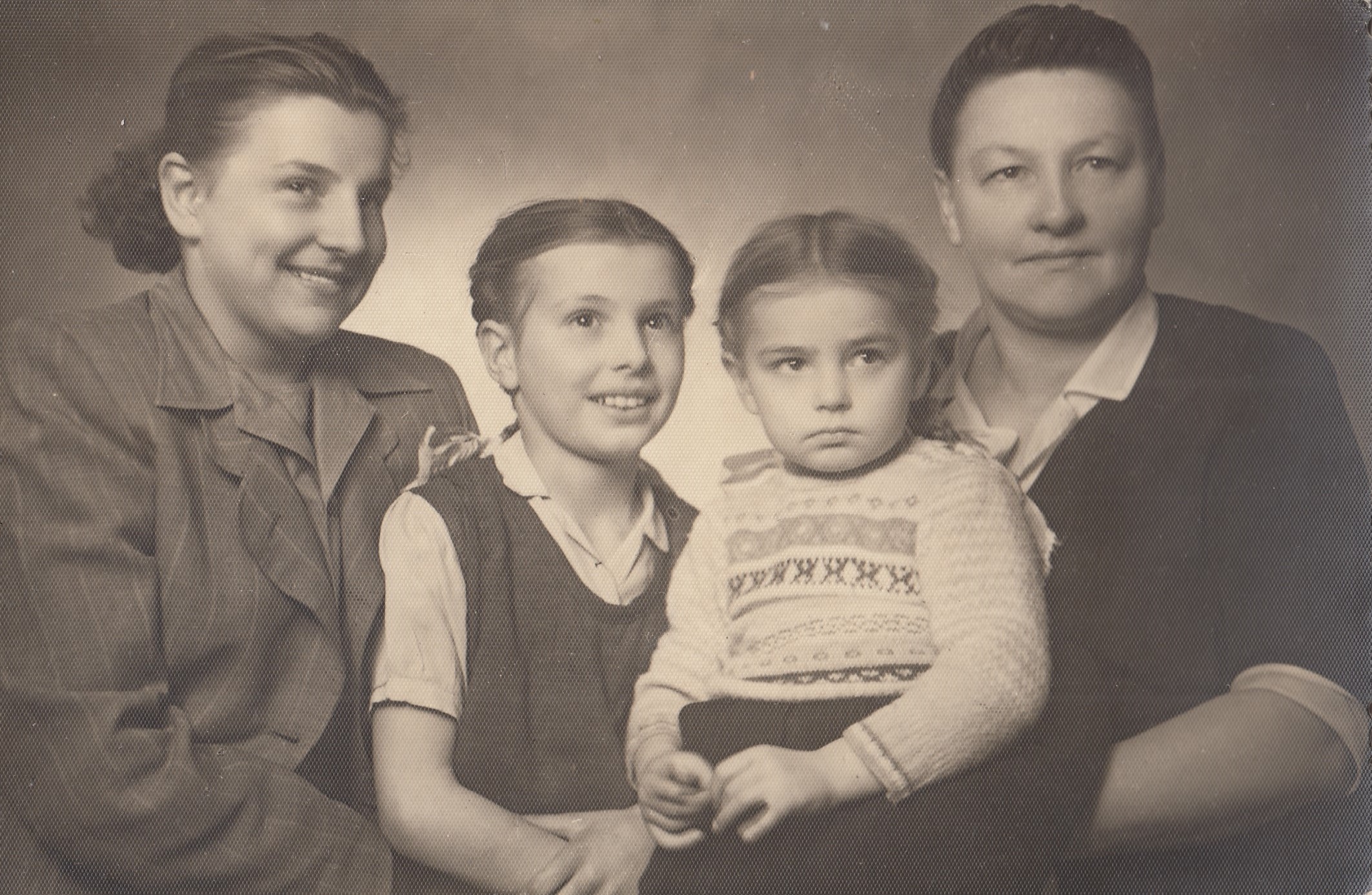
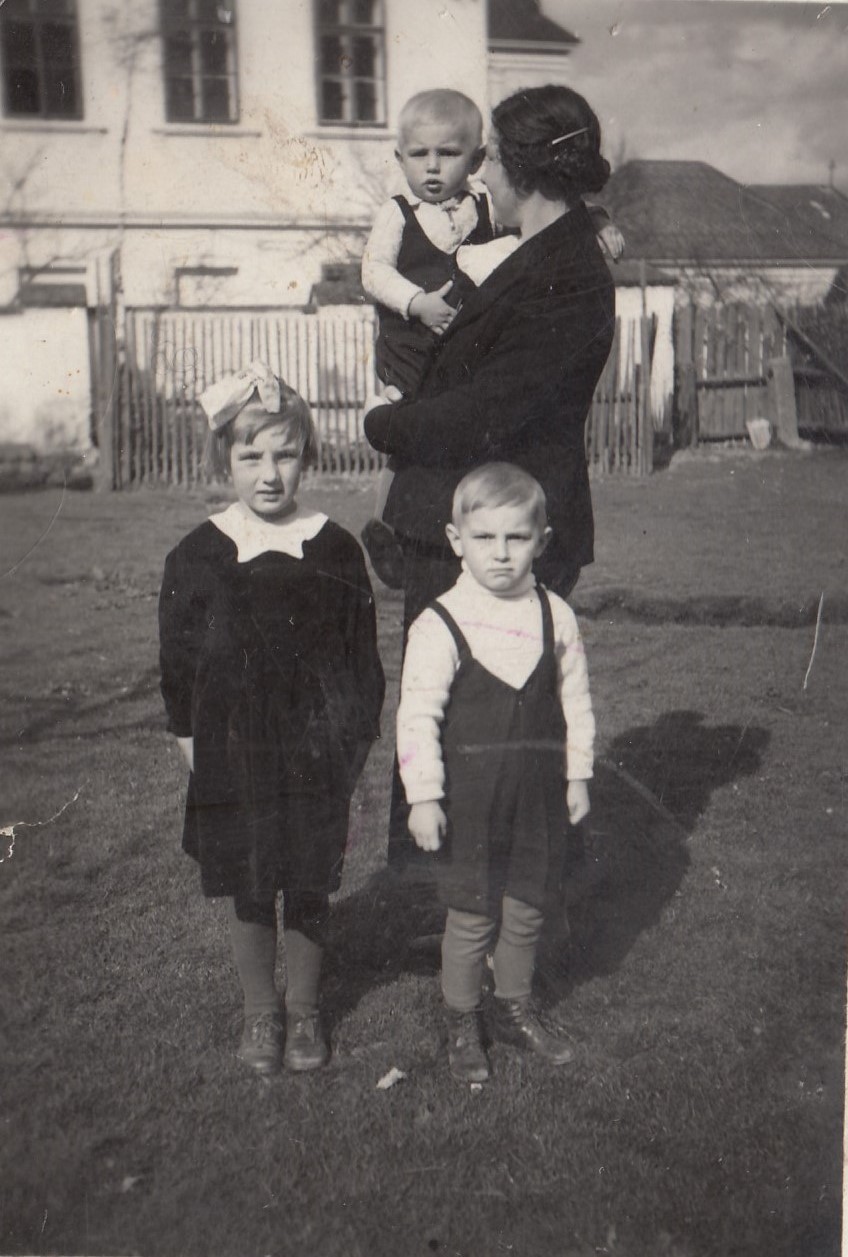
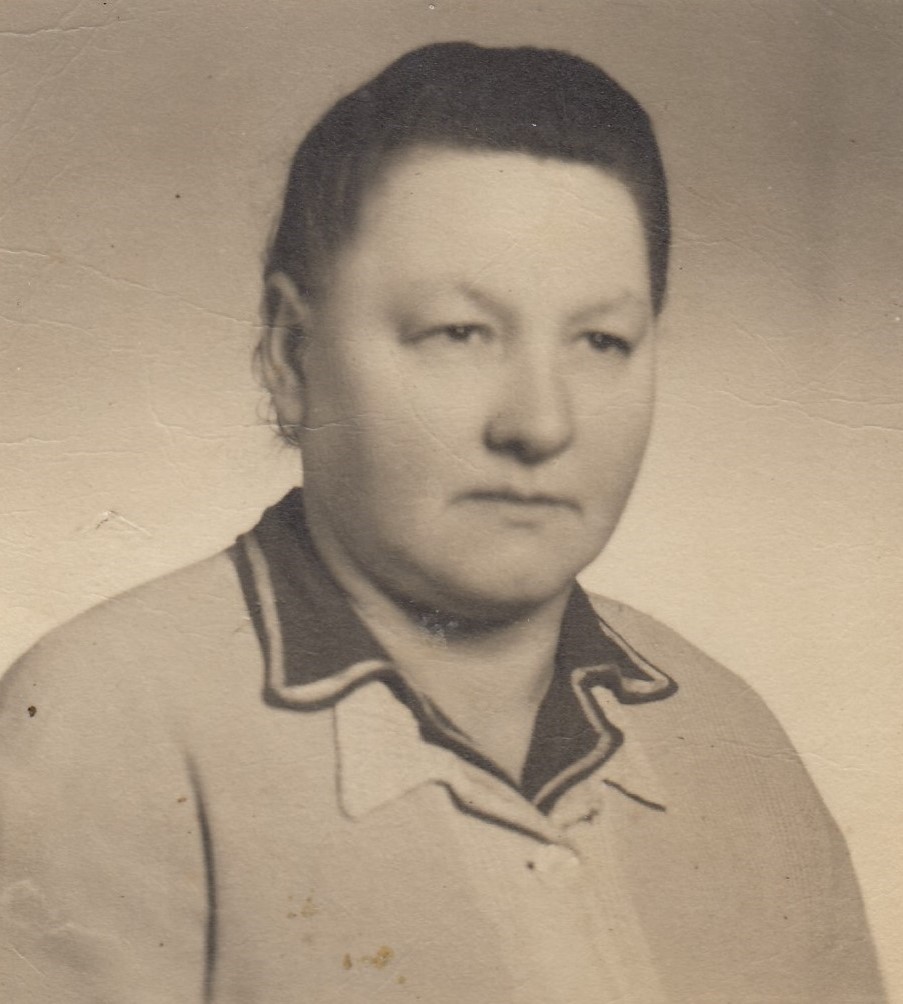
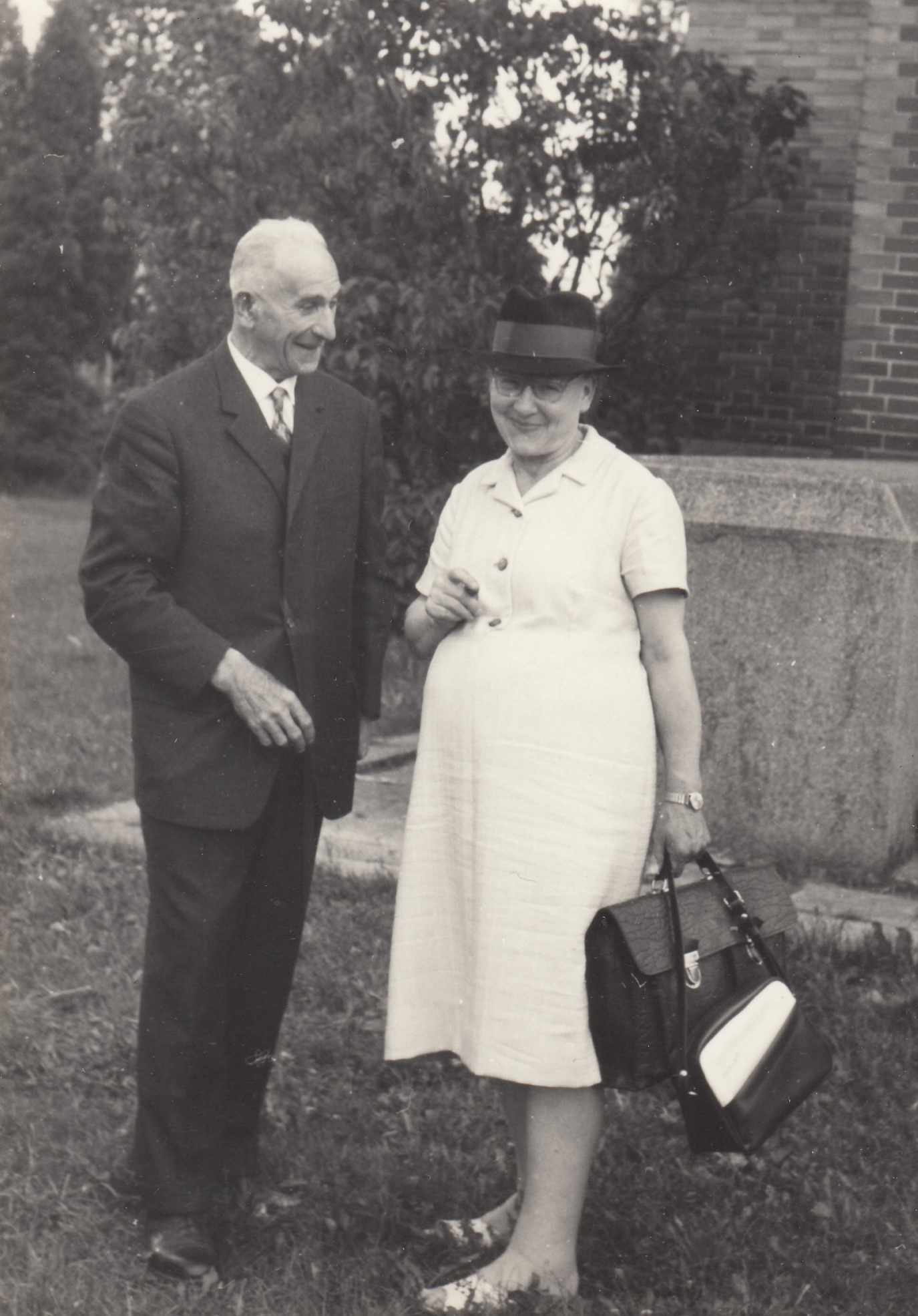
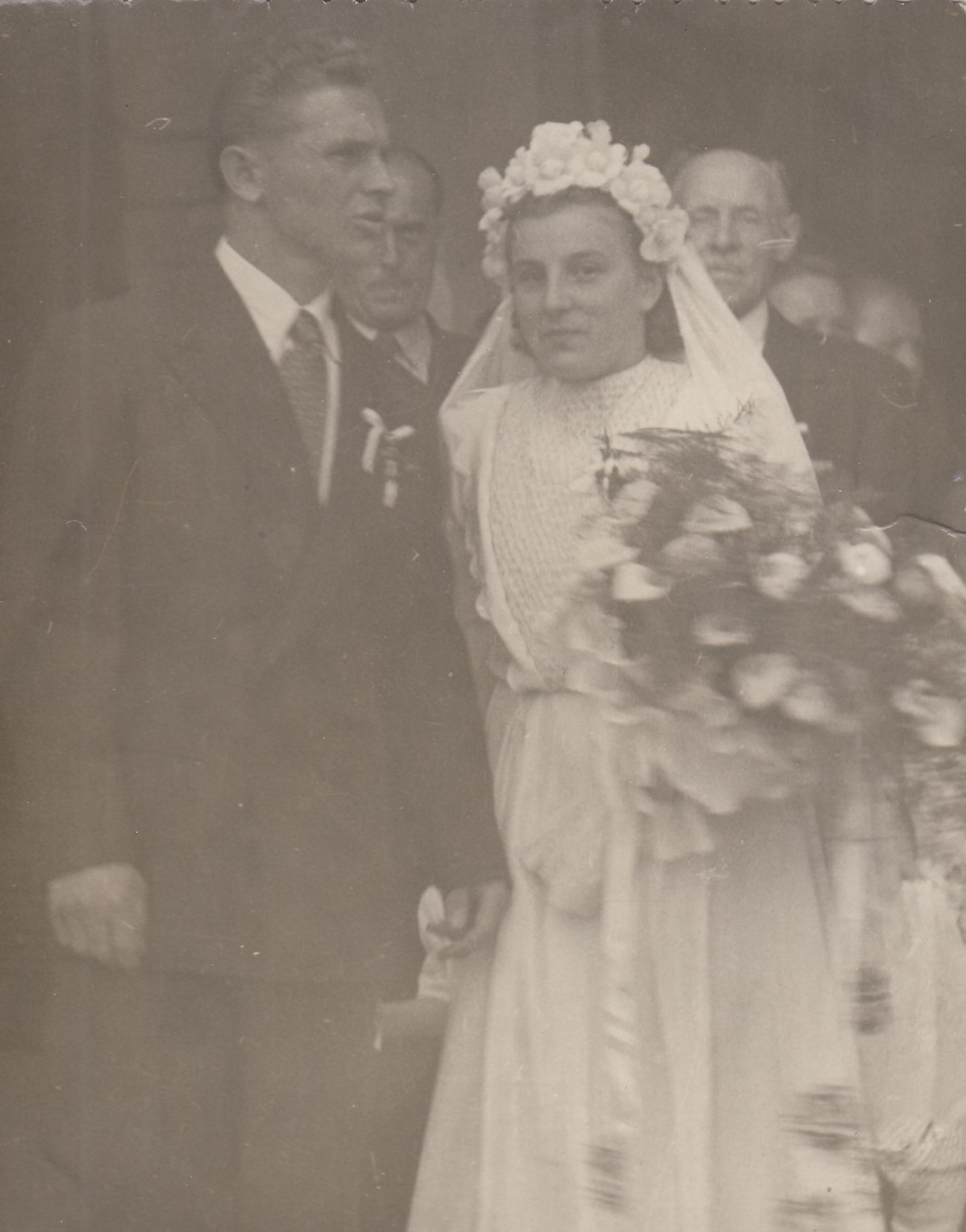
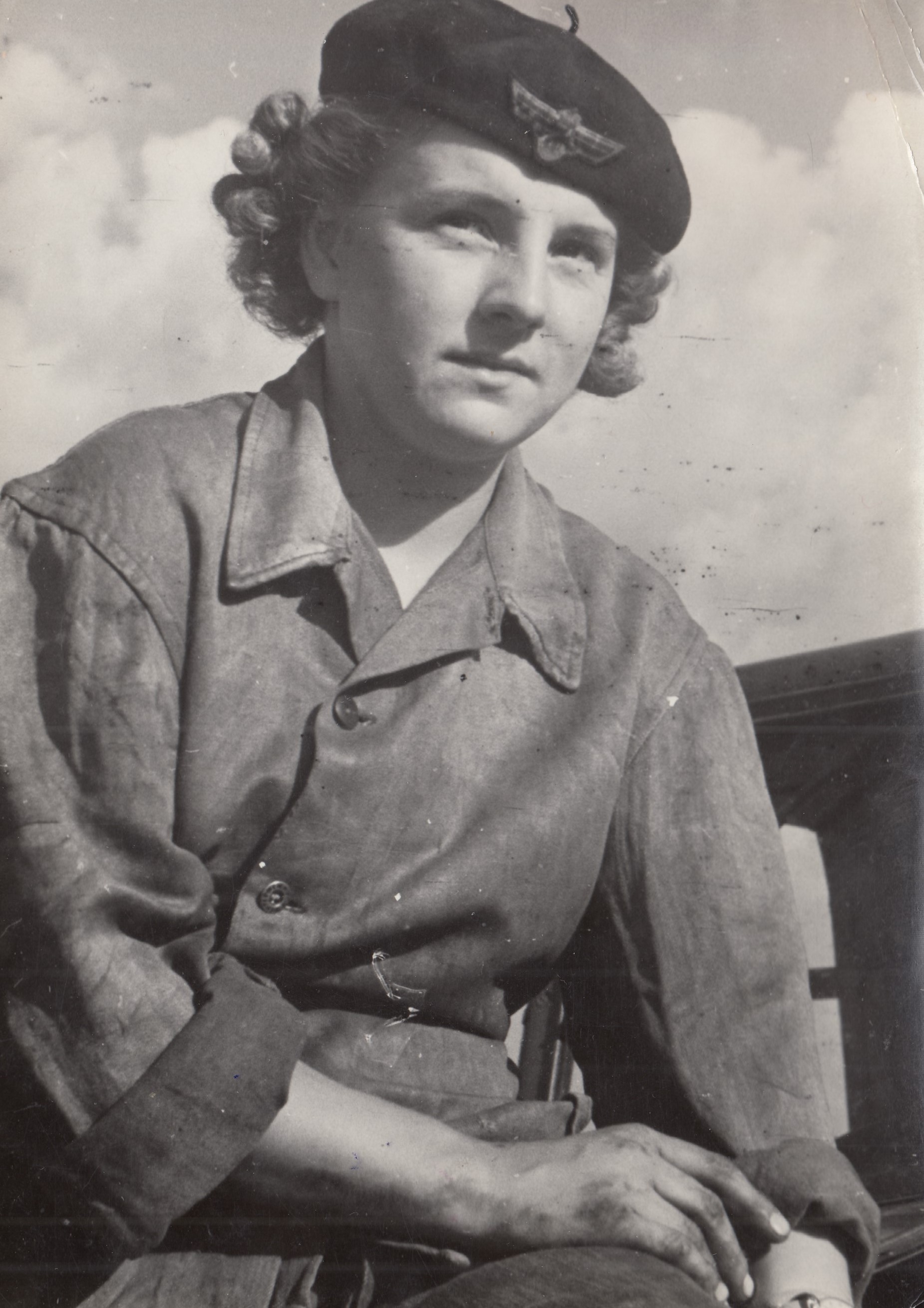
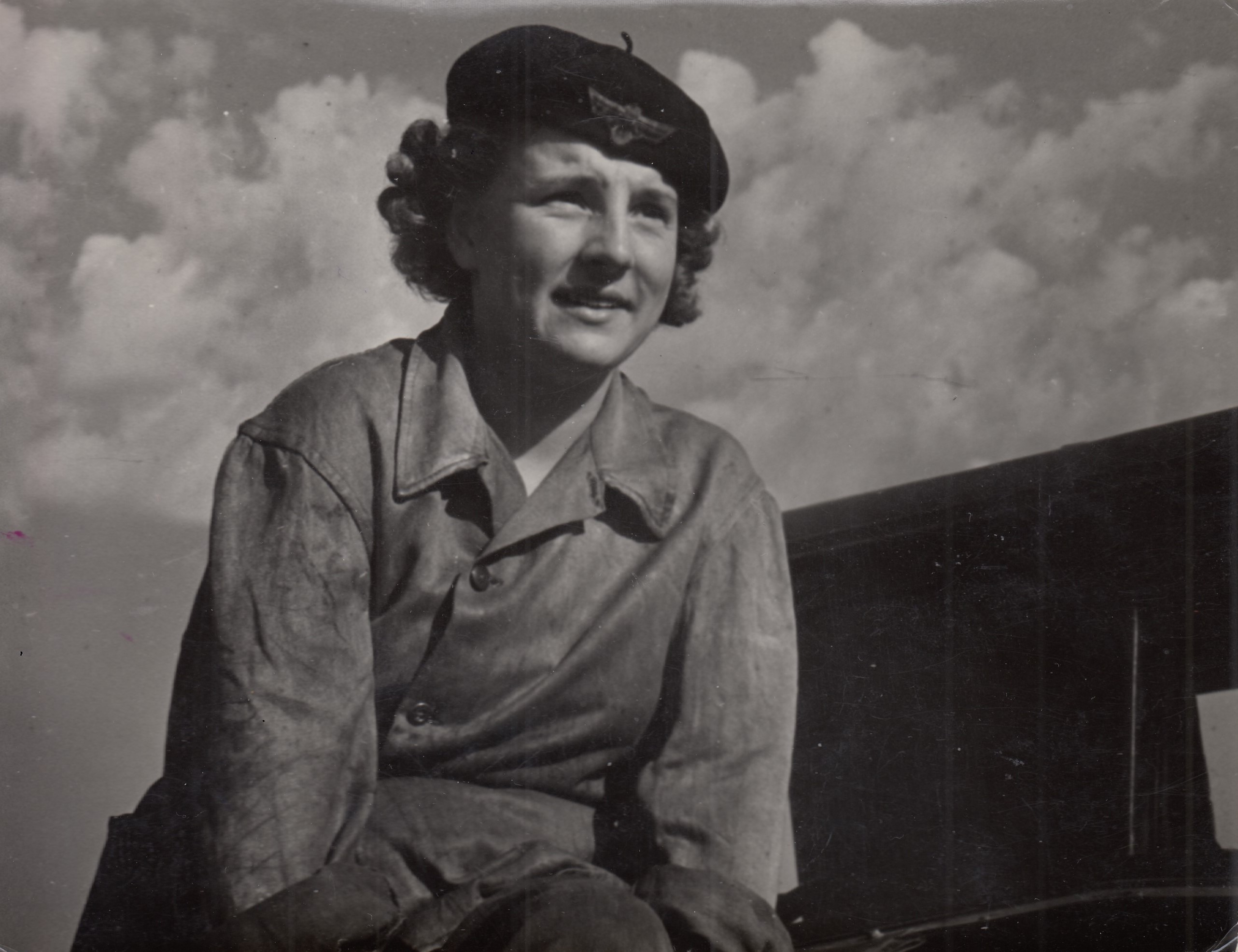
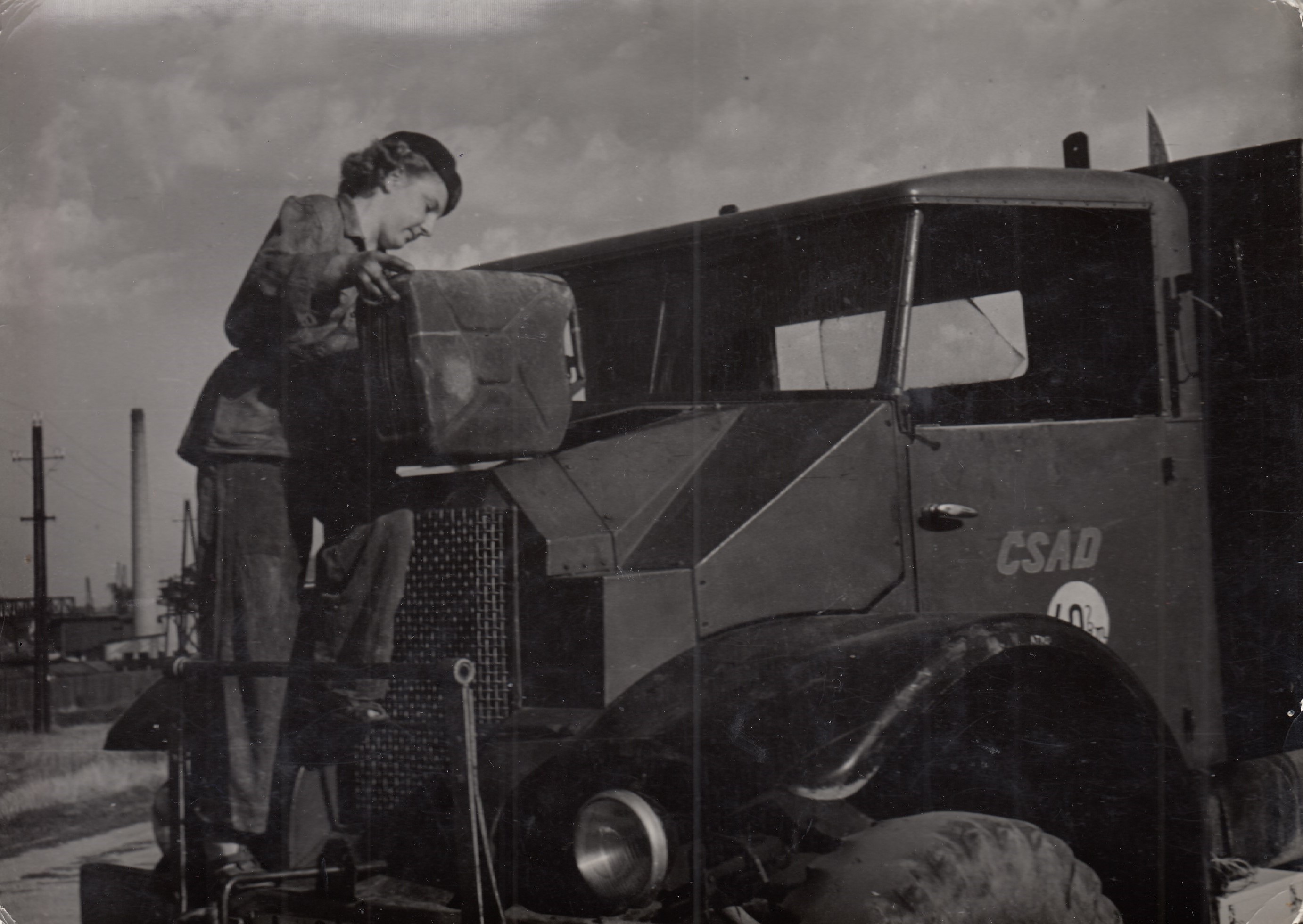
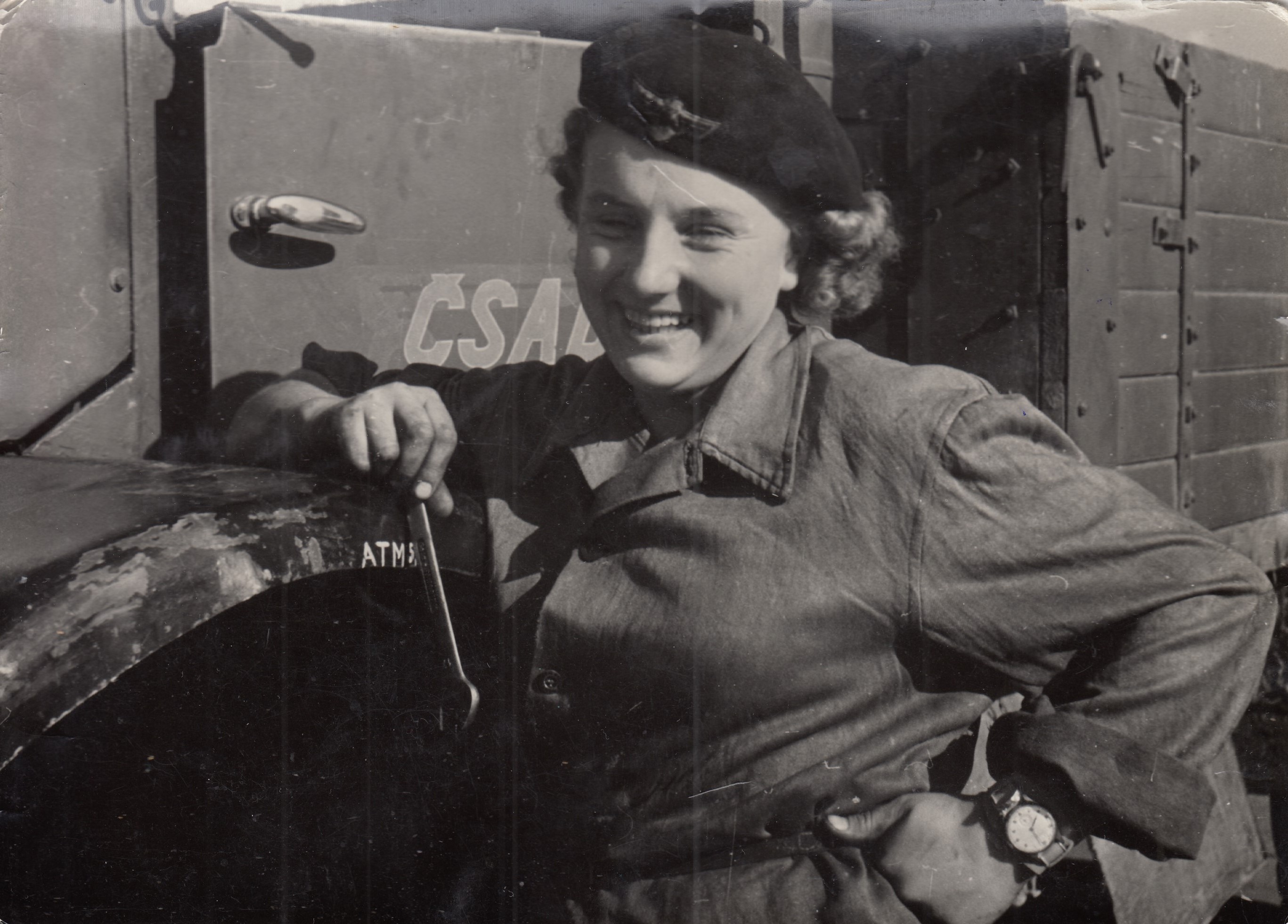
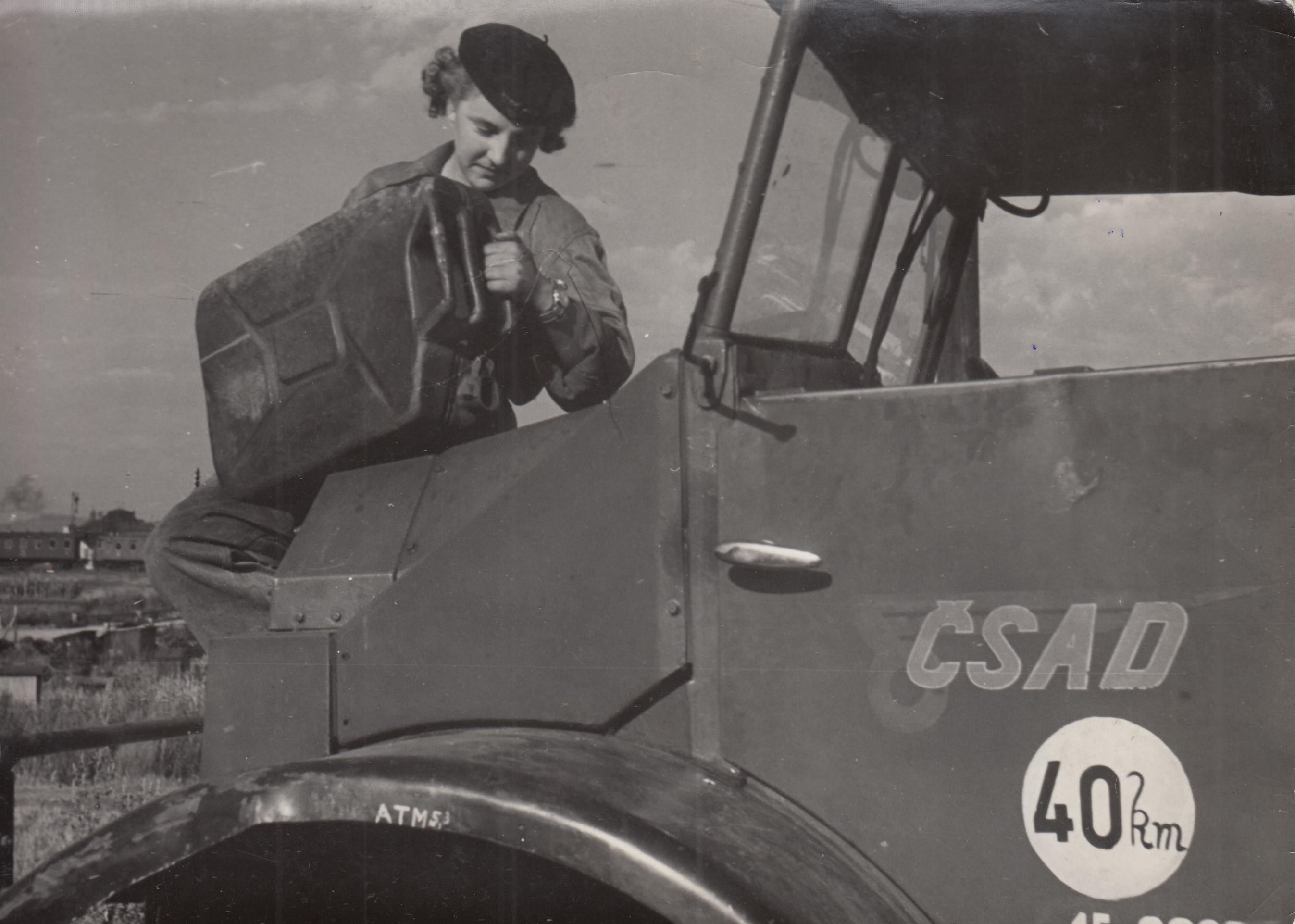
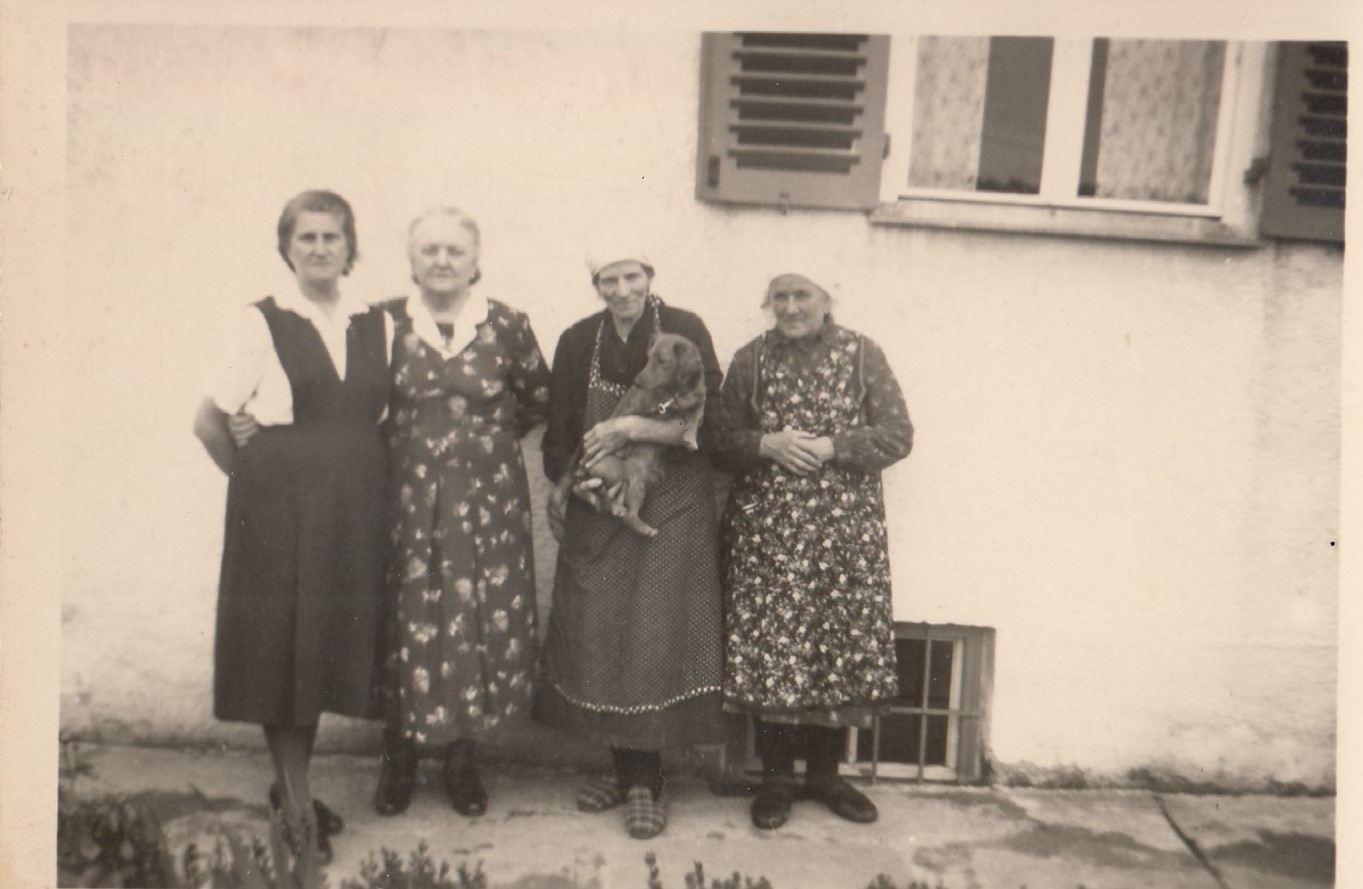
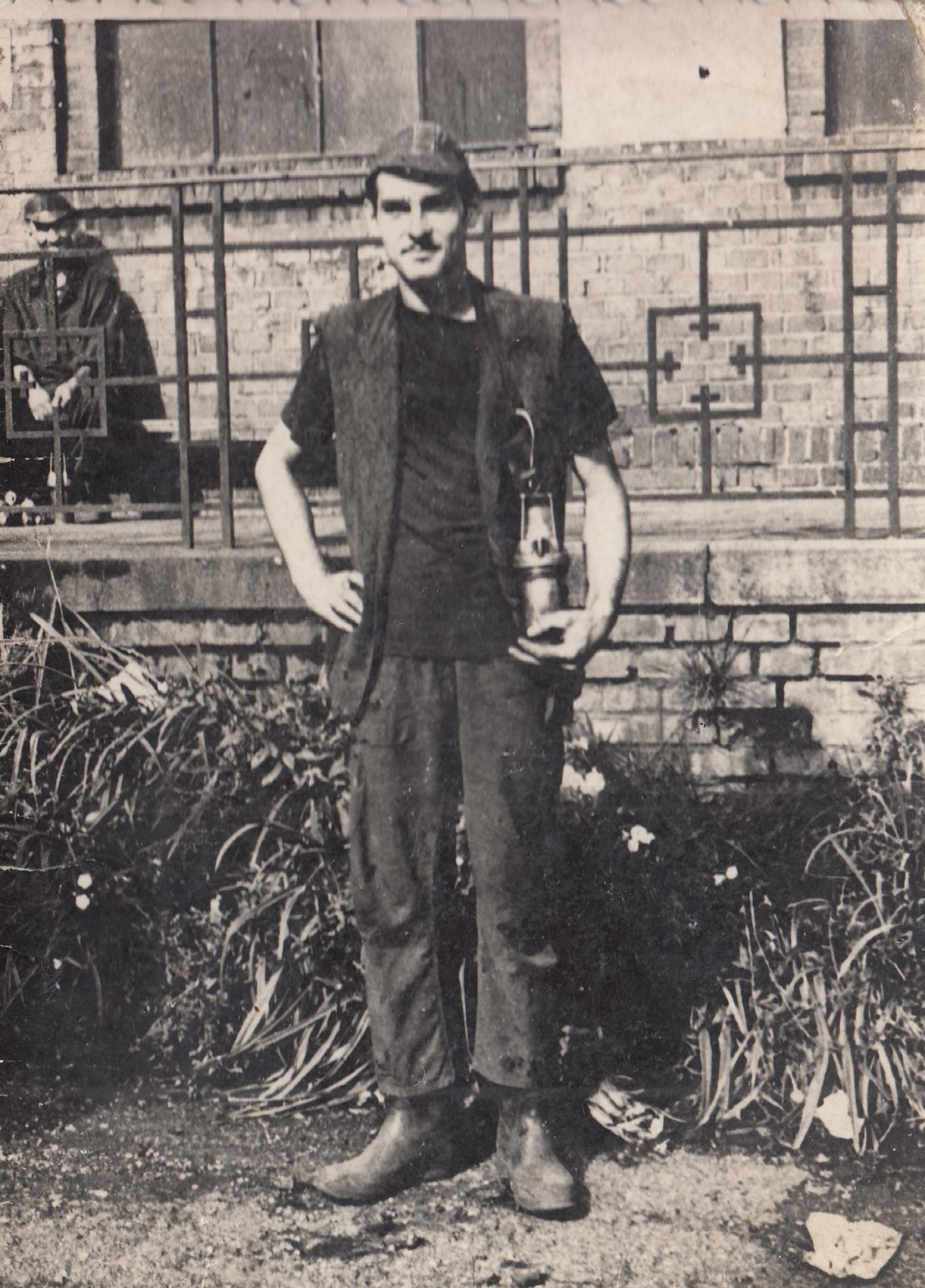
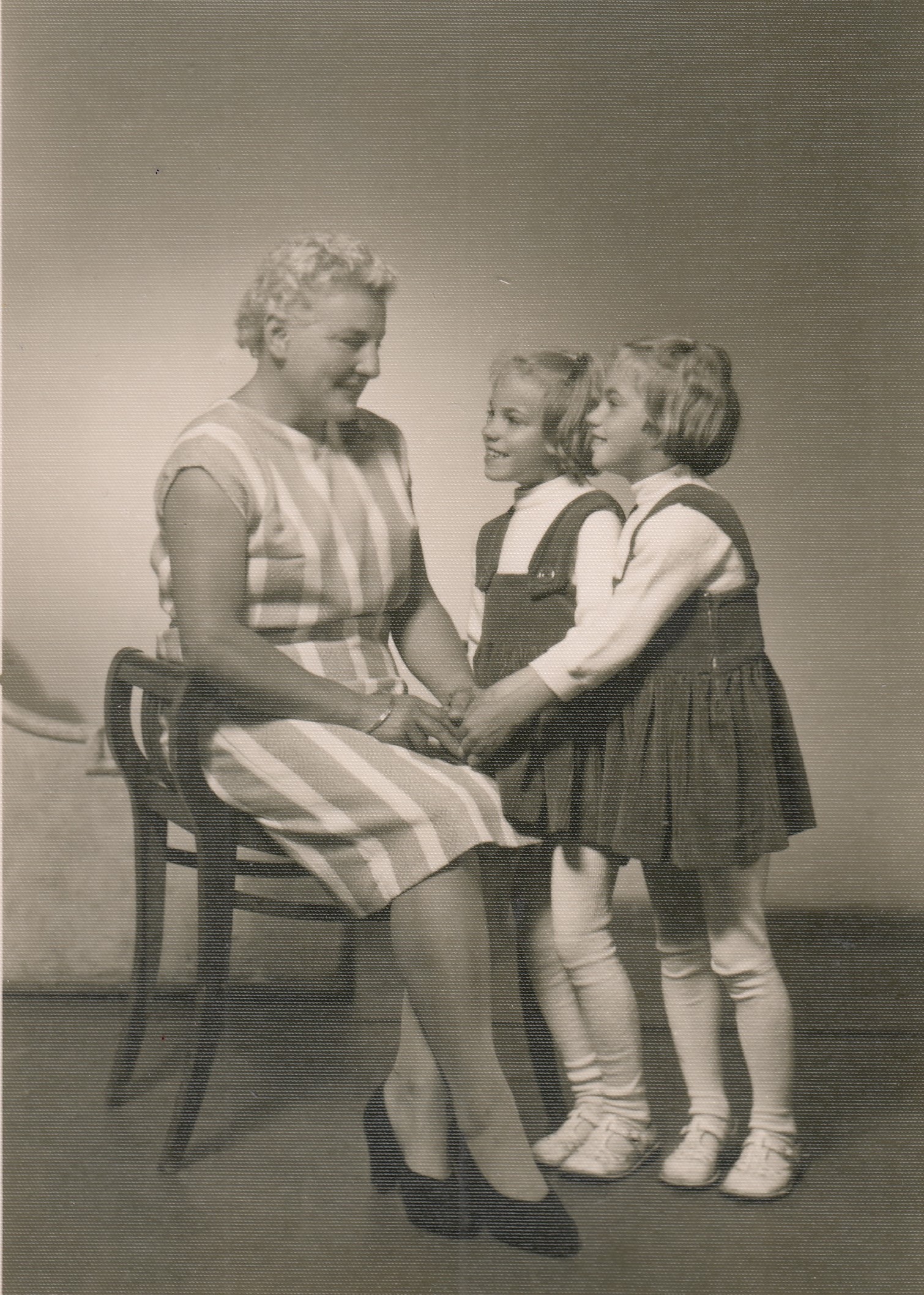
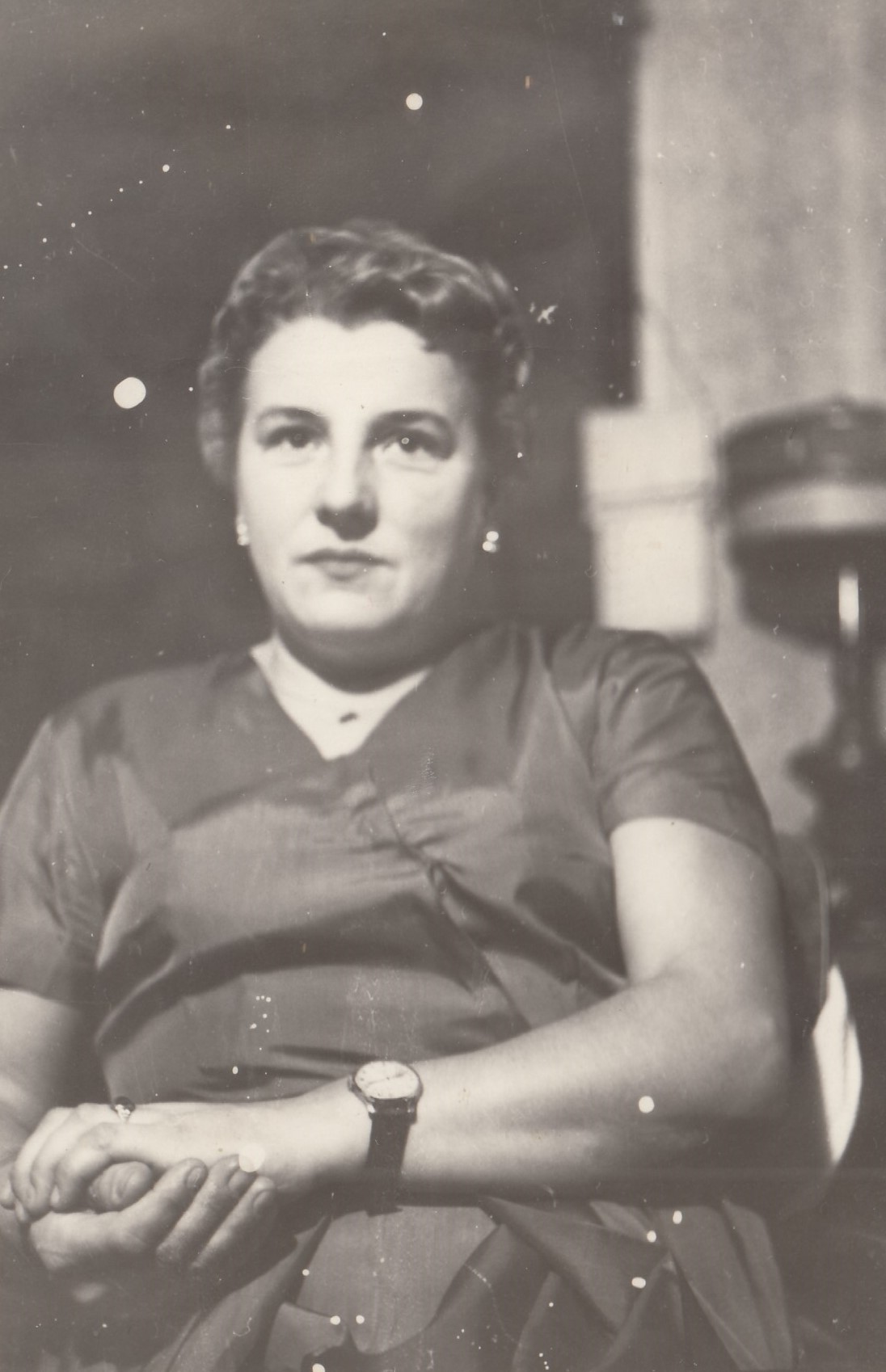
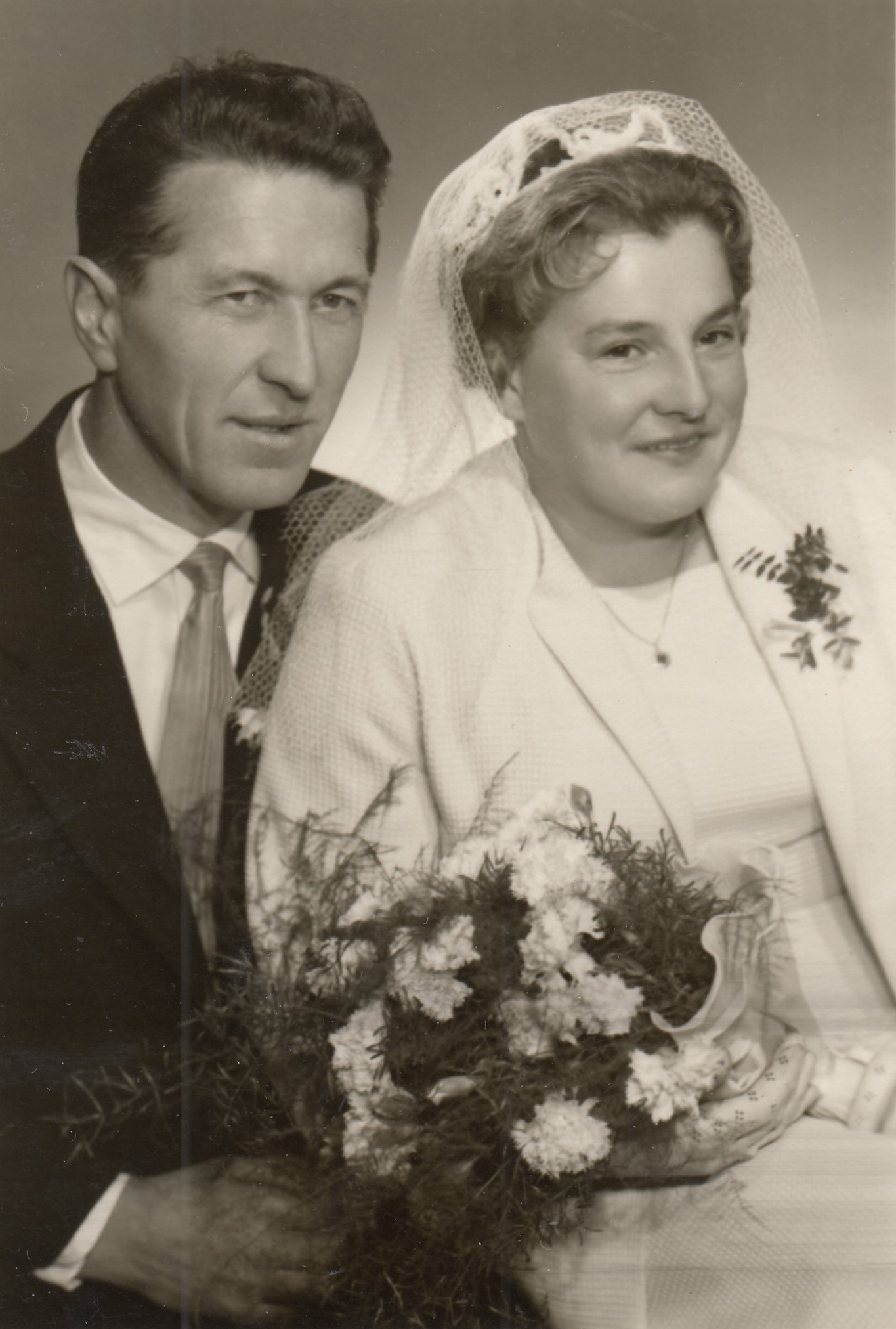
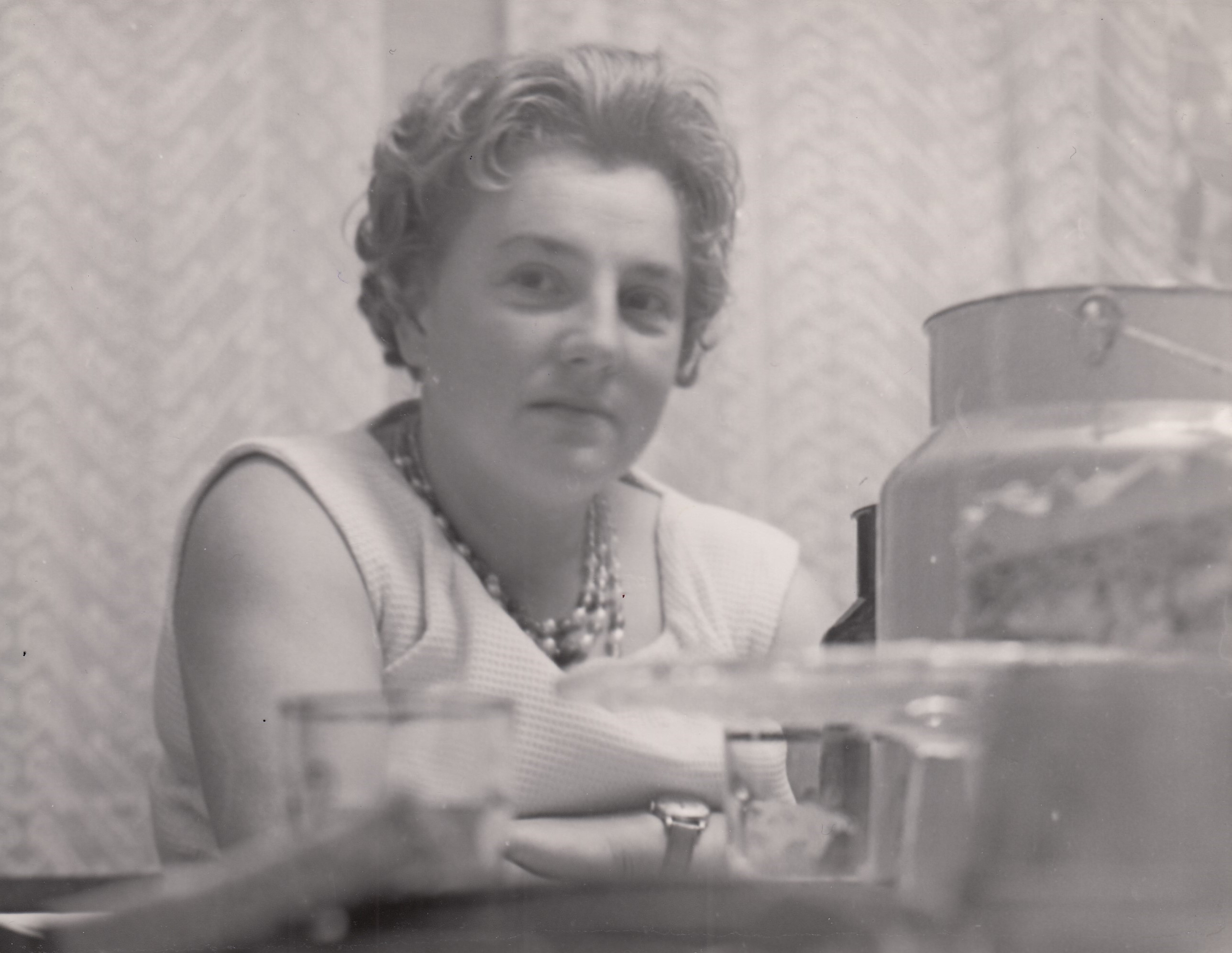
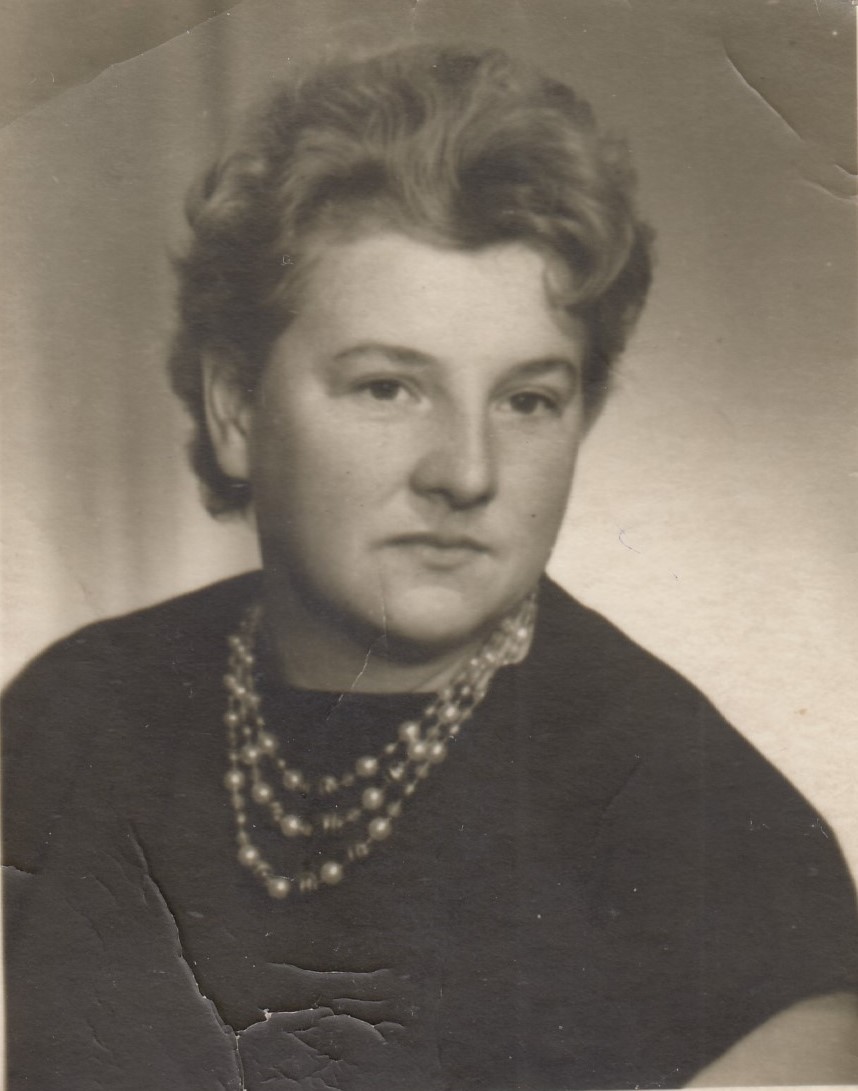
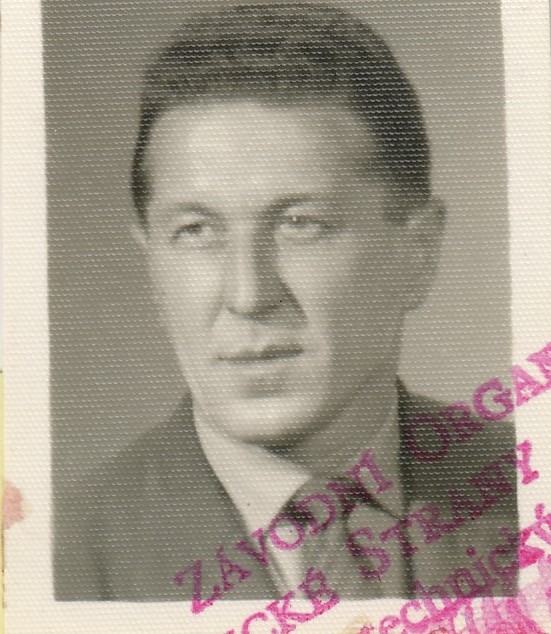
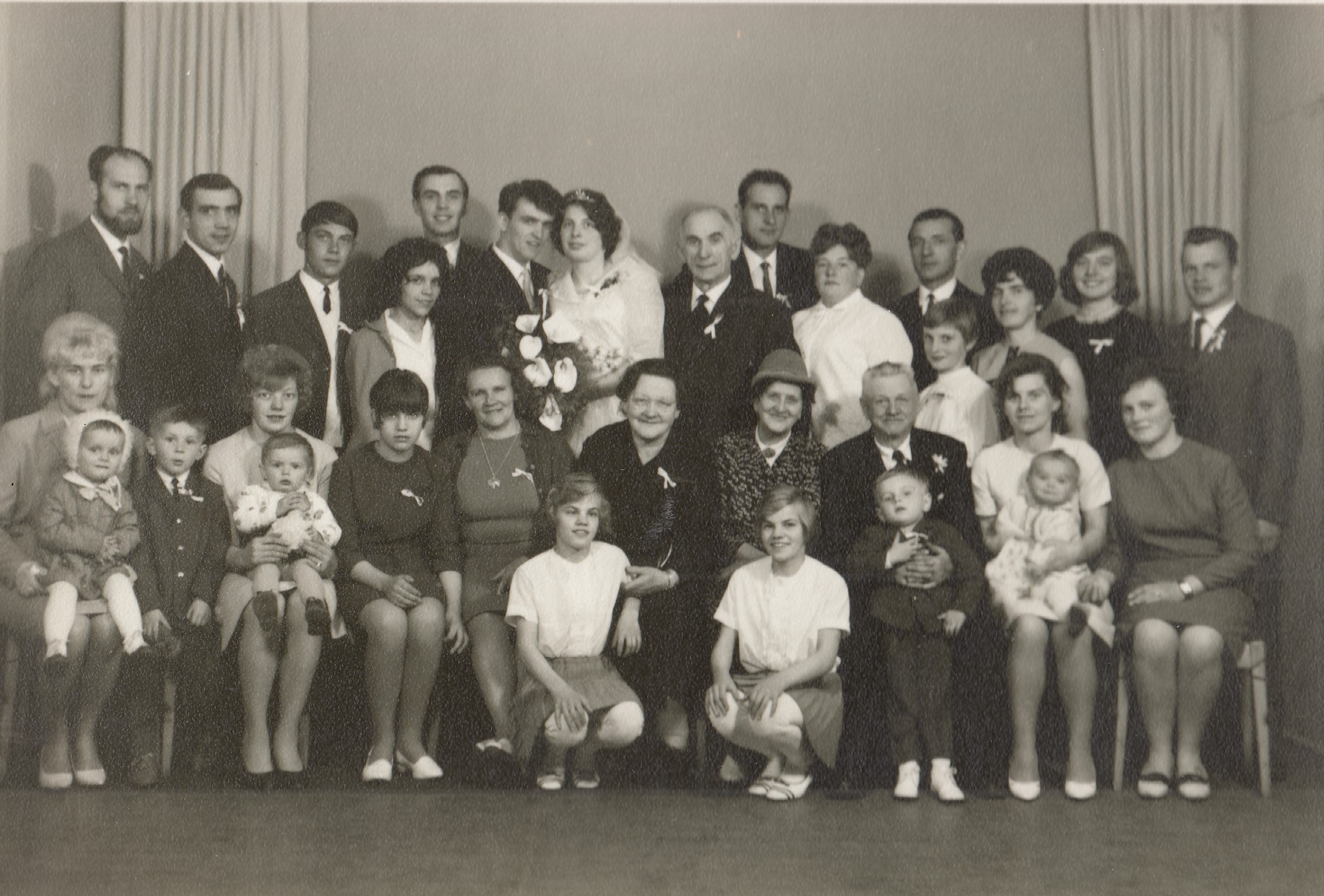
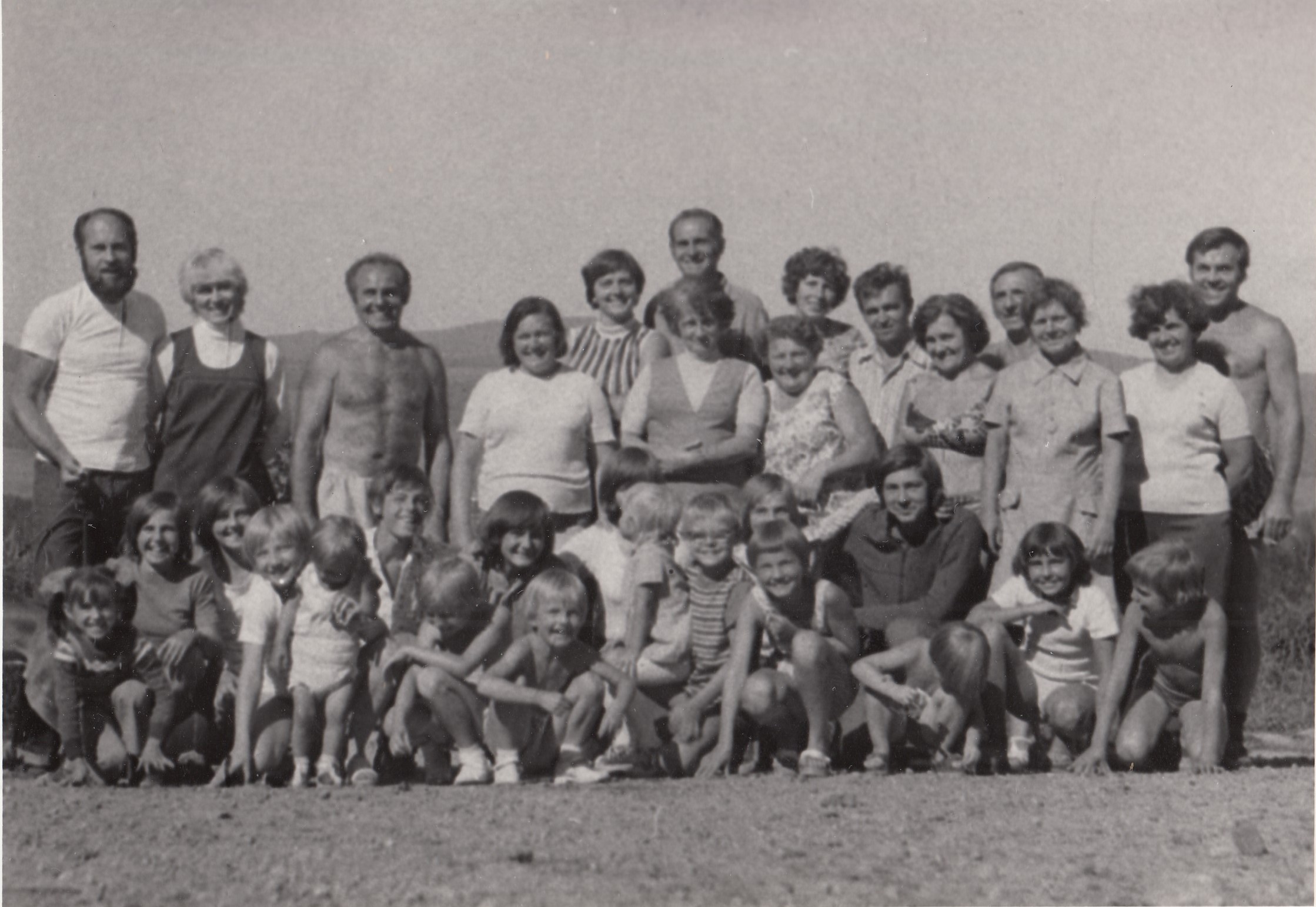
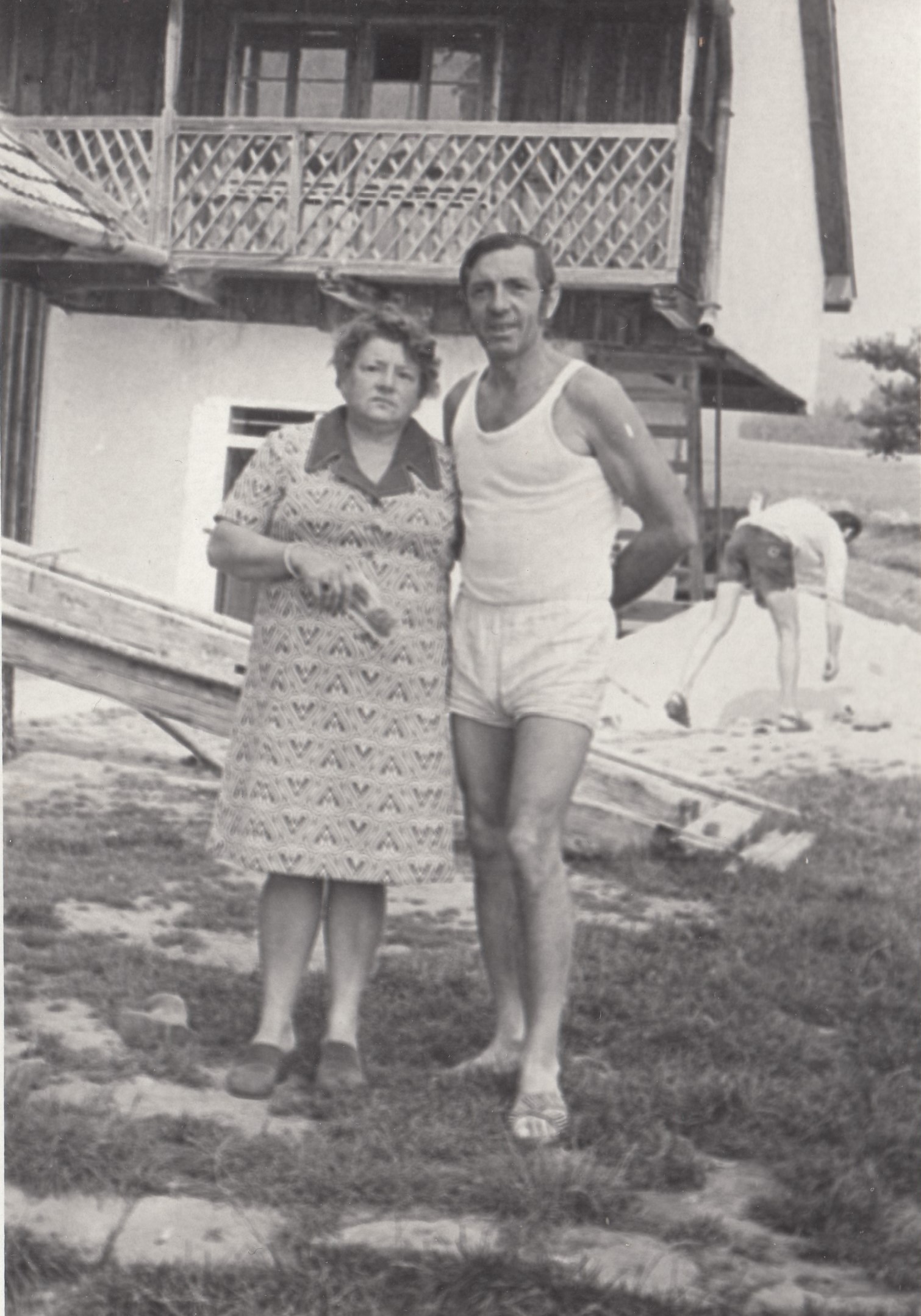
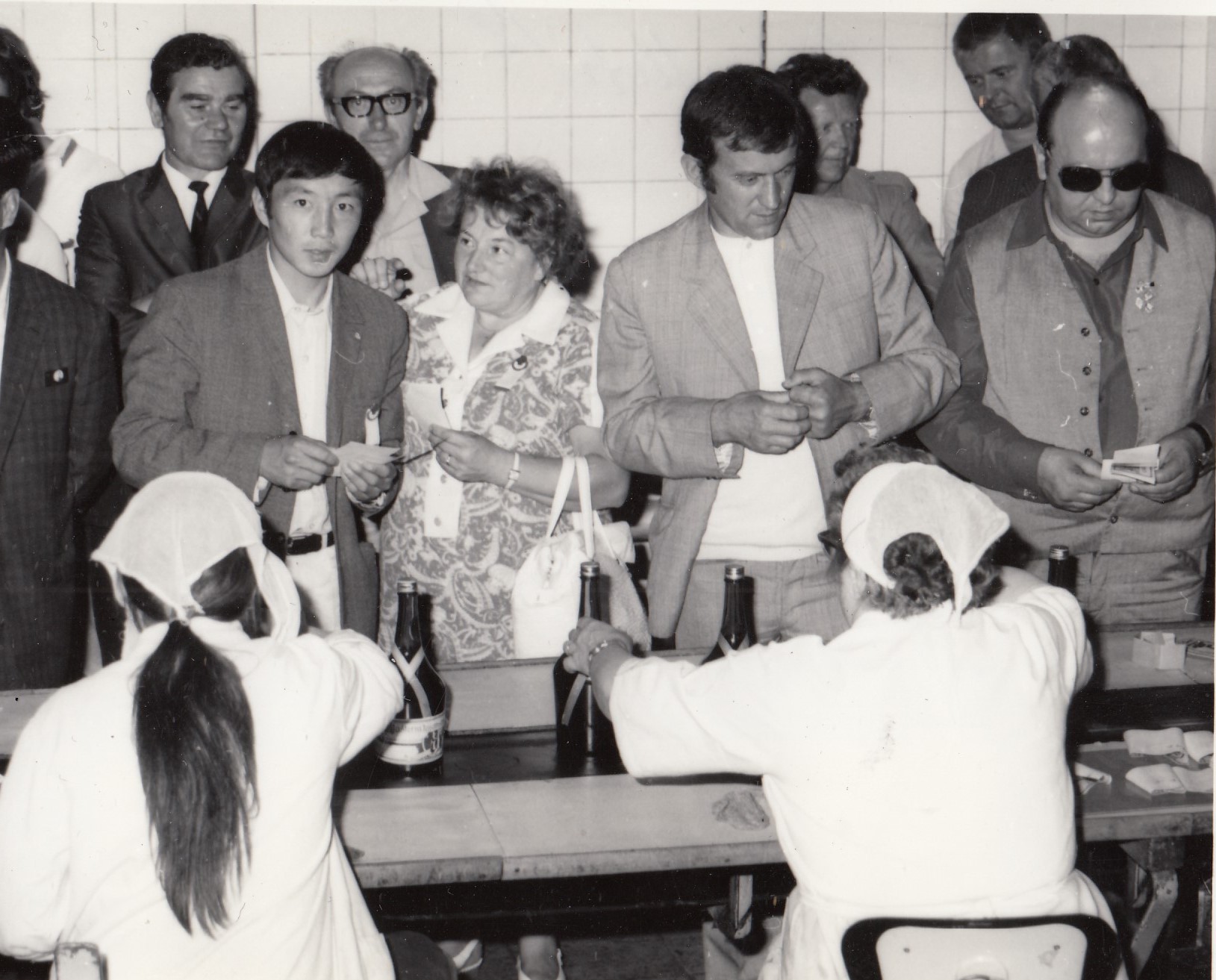
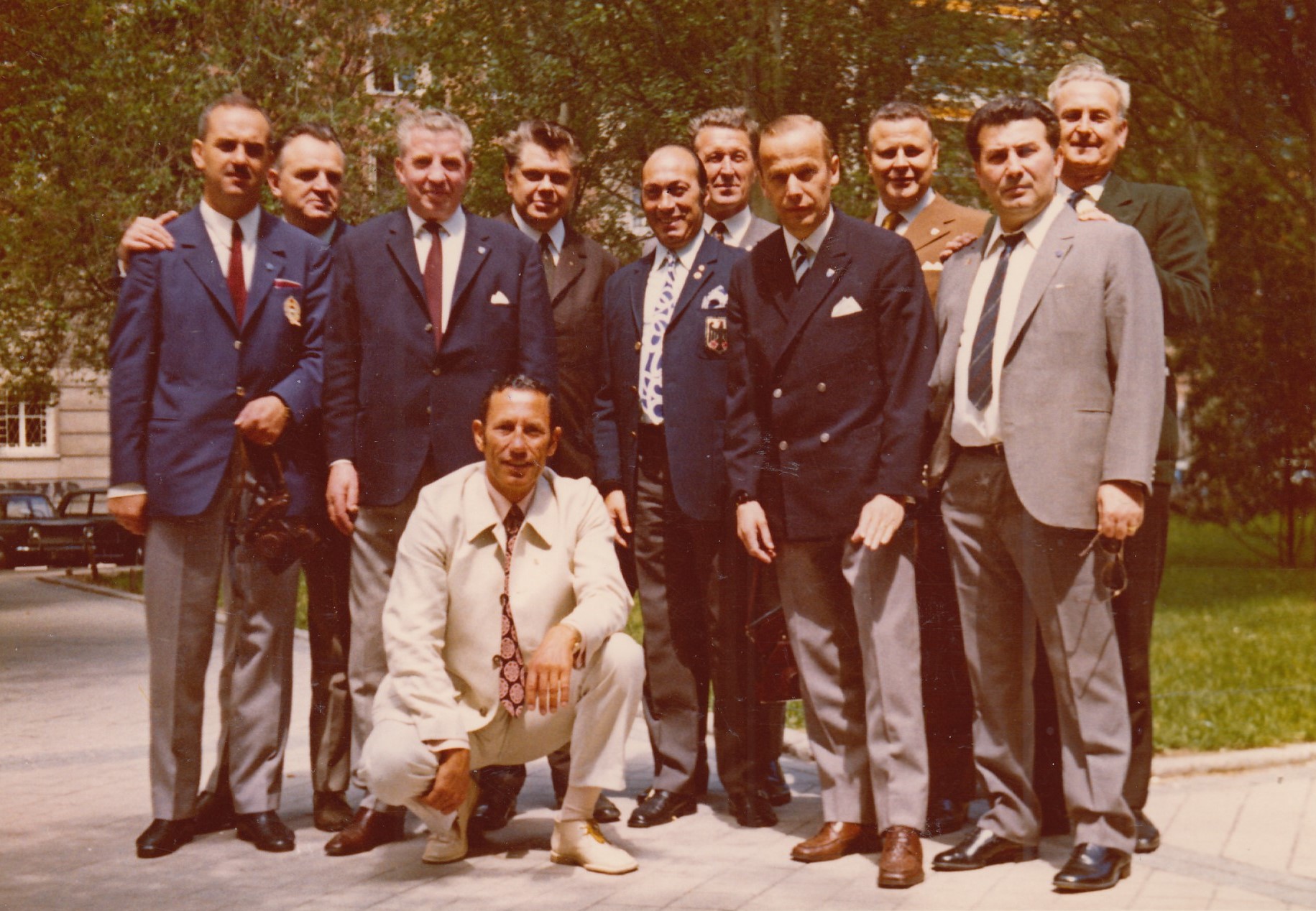
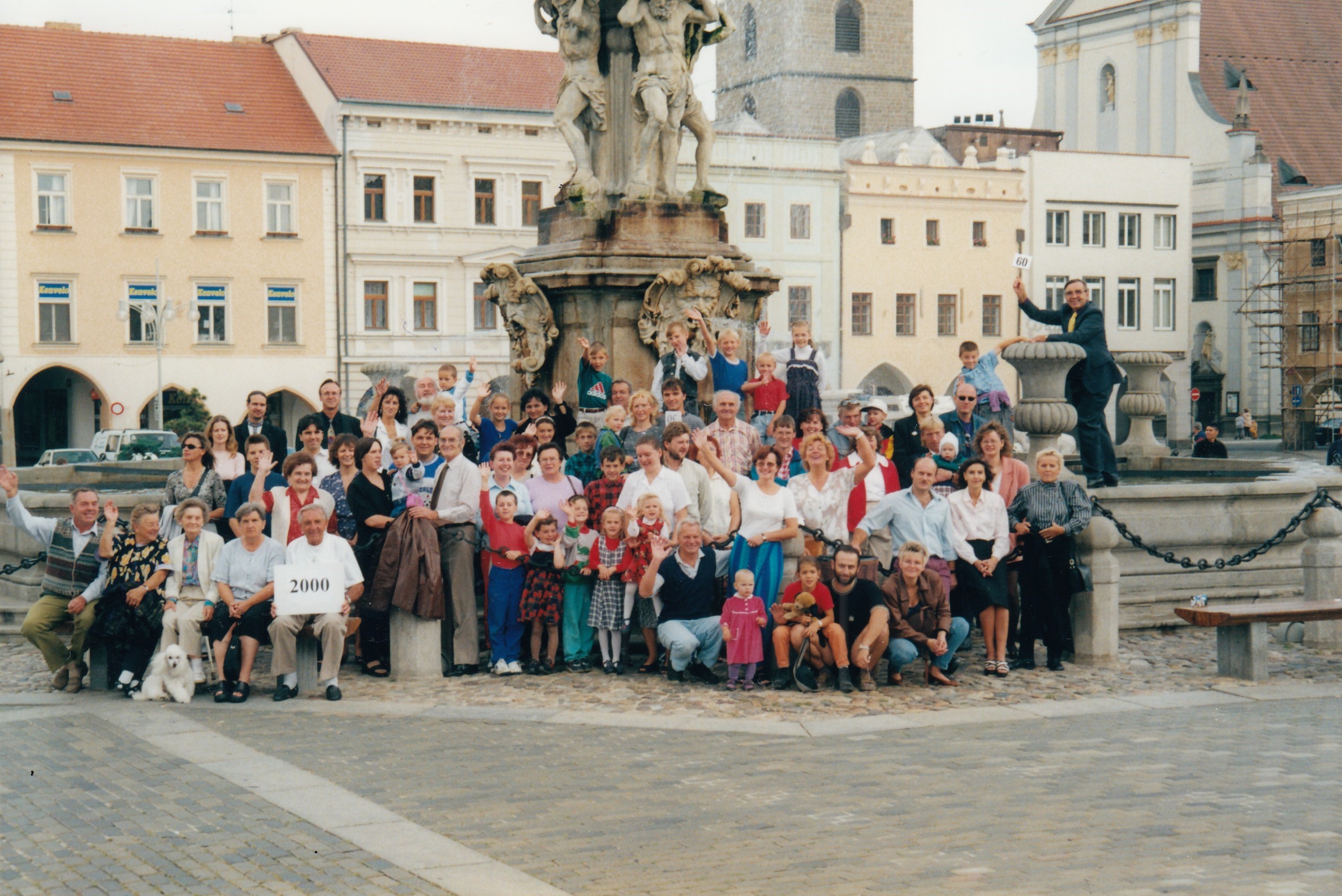
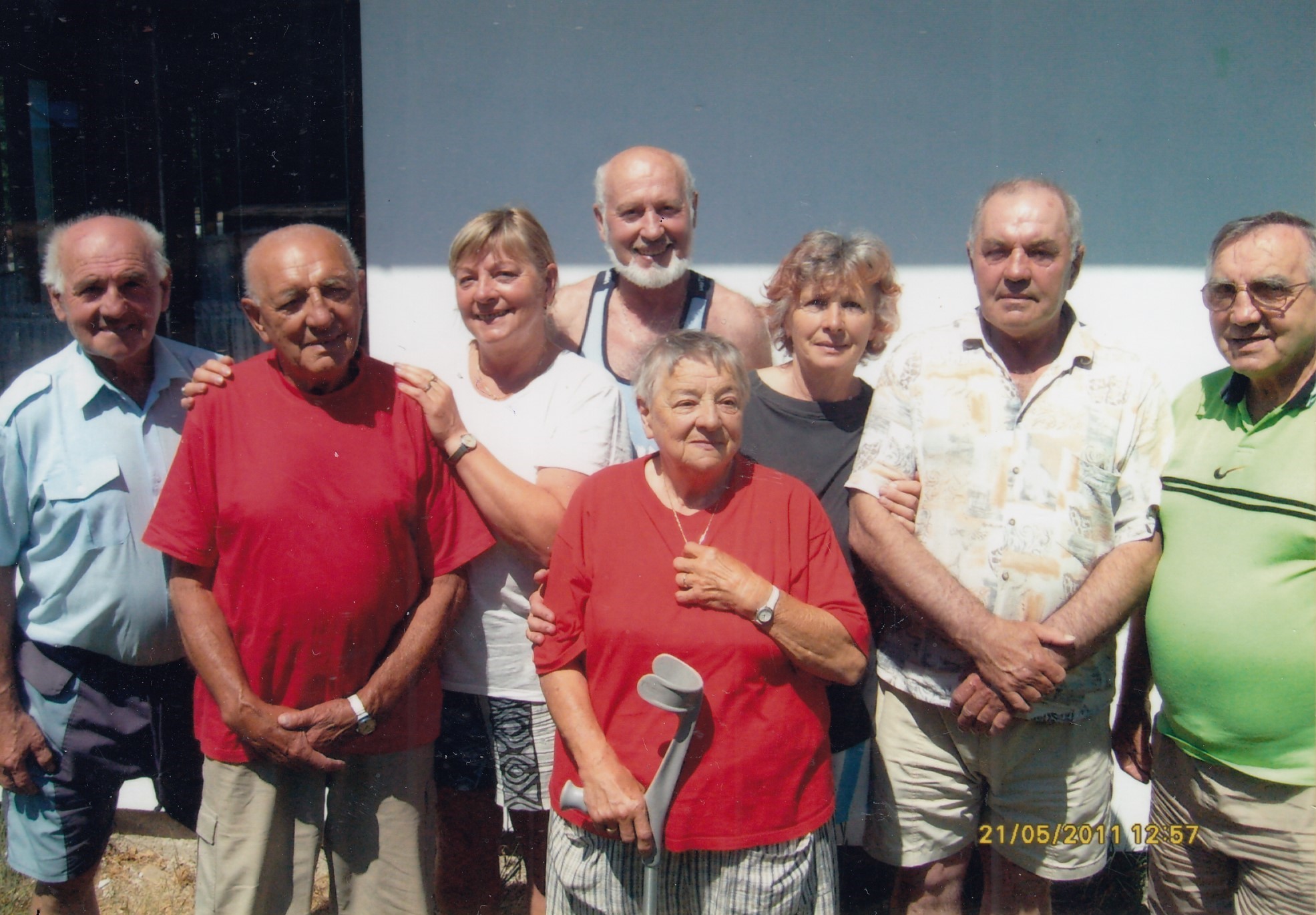
Anna Sazamová was born on 1 February 1933 in Mladé near České Budějovice into a mixed Czech-German marriage of Josef Lex and Anna Lexová as the eldest daughter of nine children. Her father‘s ancestors were from Bavaria and belonged to the German minority. And it was their German origin that significantly marked the fate of the Lex family: after the end of World War II, they had to leave their family home, practically all their relatives were deported from Czechoslovakia, and Anna and Josef Lex were arrested during staged trials. Anna Sazamová‘s life was particularly affected by her mother‘s conviction in 1946 to five years for collaboration. She got out of prison shortly before the expiry of her sentence on the intercession of the Bishop of České Budějovice, Josef Hlouch. In order to take over the care of the household - including her younger siblings - during her mother‘s absence, Anna Sazamová left school at the age of fourteen and never returned. After working as a worker and driver, she joined the Czechoslovak railways (ČSD) in Tábor as a switchperson and conductor. She always found comfort in God. She died in 2024 in České Budějovice.
Hrdinové 20. století odcházejí. Nesmíme zapomenout. Dokumentujeme a vyprávíme jejich příběhy. Záleží vám na odkazu minulých generací, na občanských postojích, demokracii a vzdělávání? Pomozte nám!