"My parents were not such that they felt sorry for themselves or hated anyone, not at all. I can remember one such episode when my mother, surely from the Gestapo and that daddy [who was locked up] - what she experienced of fear, she had no reason to love the Germans. But she came from the city, it was after the war, when the Germans were about to be expulsed... And my mother came from town and she was crying because the Germans were gathered in the square for the expulsion and some of our people - you know, it was mostly people who were relieving their fear, they were treating those Germans... One person hit an old man on the head with a picture when those Germans were like..., when they couldn't do anything anymore, they were deprived of everything. It wasn't our nature to jump all over them like that. So my mother cried because she felt sorry for the Germans. They were people who weren't in the war. These were people who lived there, in the Sudetenland."
"So now that she was going to - I was in charge of the children's library there at the club and I really liked the job, and when it was ready for me to start there, the door opened and the district inspector came in and said he was going to interview me. Oh, well, okay. He said to me, 'So comrade, you want to go and teach. And do you believe in God?' And I thought, 'Oh, it's going to be that again, it's all over again.' And I thought about it and I said, 'Well, some people call it God and some people call it nature.' I didn't say another word, the door opened, the woman doing the bsckground and political rewiews came in. 'Comrade, I welcome you!' So than I didn't say another word. 'I welcome you, you've come to see Eva, haven't you? Well Eva, she's a great cantor, we're glad to have her!' And the interview was over."
"One day, we were living in this rented villa where there were two identical apartments, my mother's brother lived downstairs and we lived upstairs. And one day, I remember it as if it happened today, at six o'clock in the morning someone was banging on our door and my cousin was shouting, 'Uncle's back, Uncle's back!' Two gentlemen brought him in, and I must say that, because when they locked him up I of course wasn't even three years old, I didn't recognise my daddy. But Daddy was arrested when he was forty years old, and he came home a decrepit gentleman, swollen, third degree malnutrition, limping, walking on a cane, he had inflammation of the veins, bad teeth, he looked terrible. So I stood there, I looked at him, I didn't even check in with him. But then he had hardly turned a bit at home before they came for him and on October 28th he was already speaking at the memorial to the victims of the First World War."
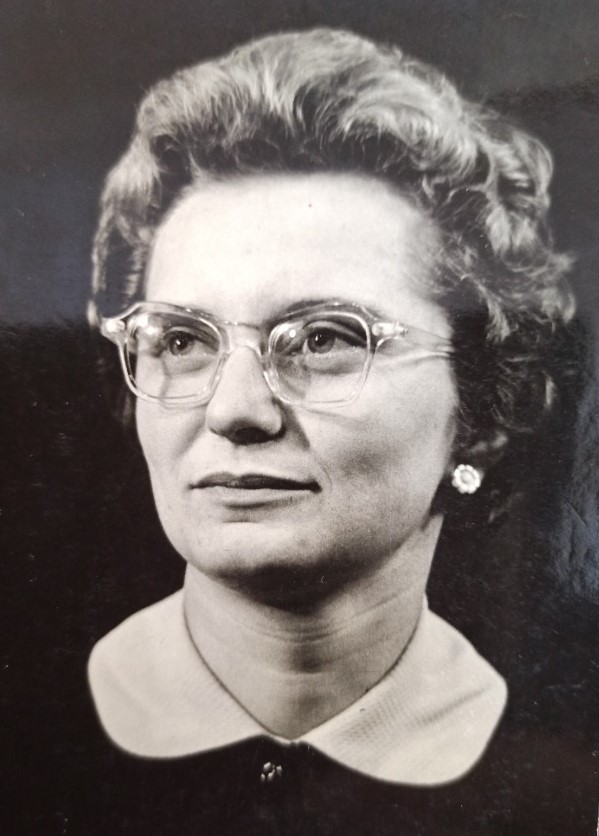
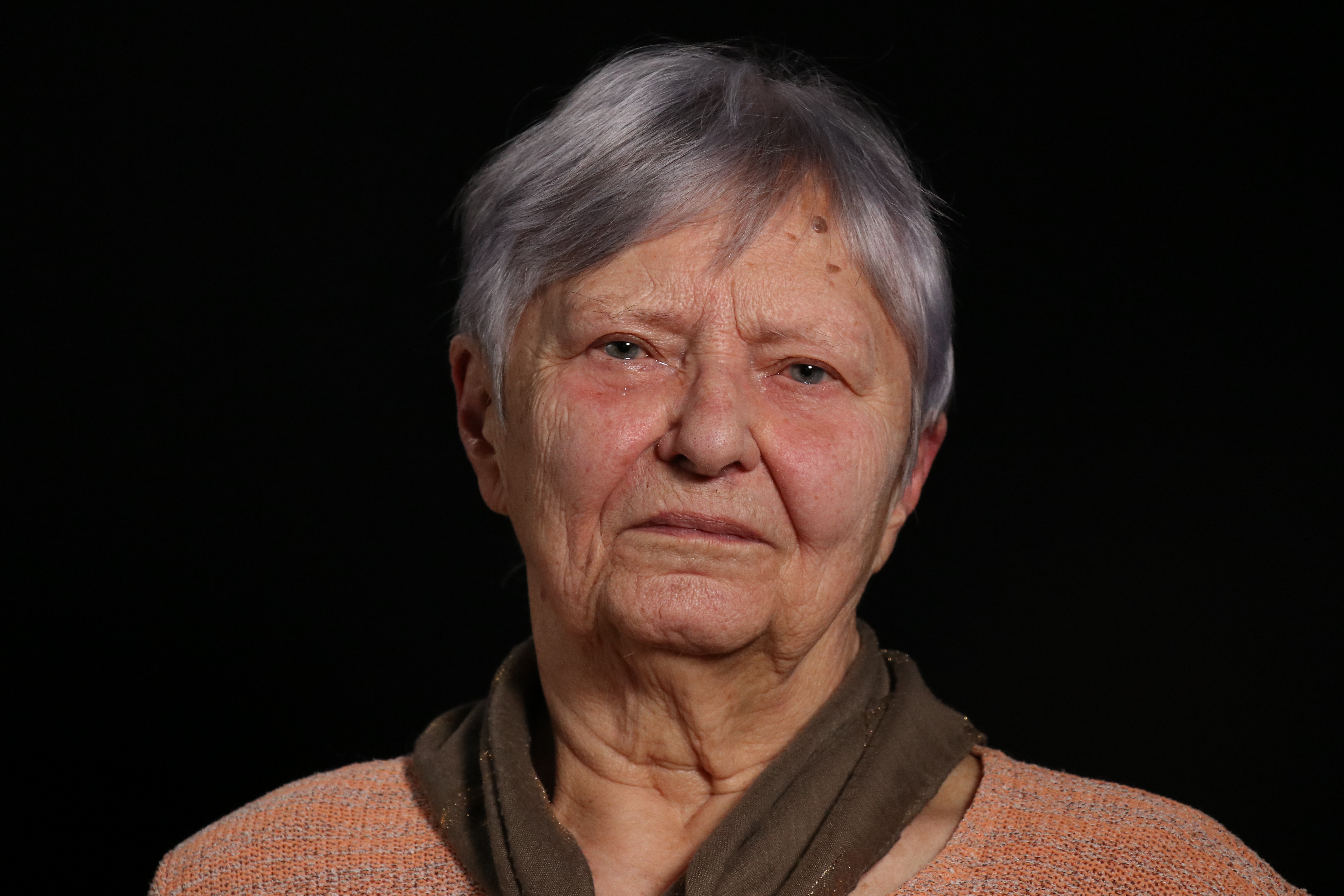
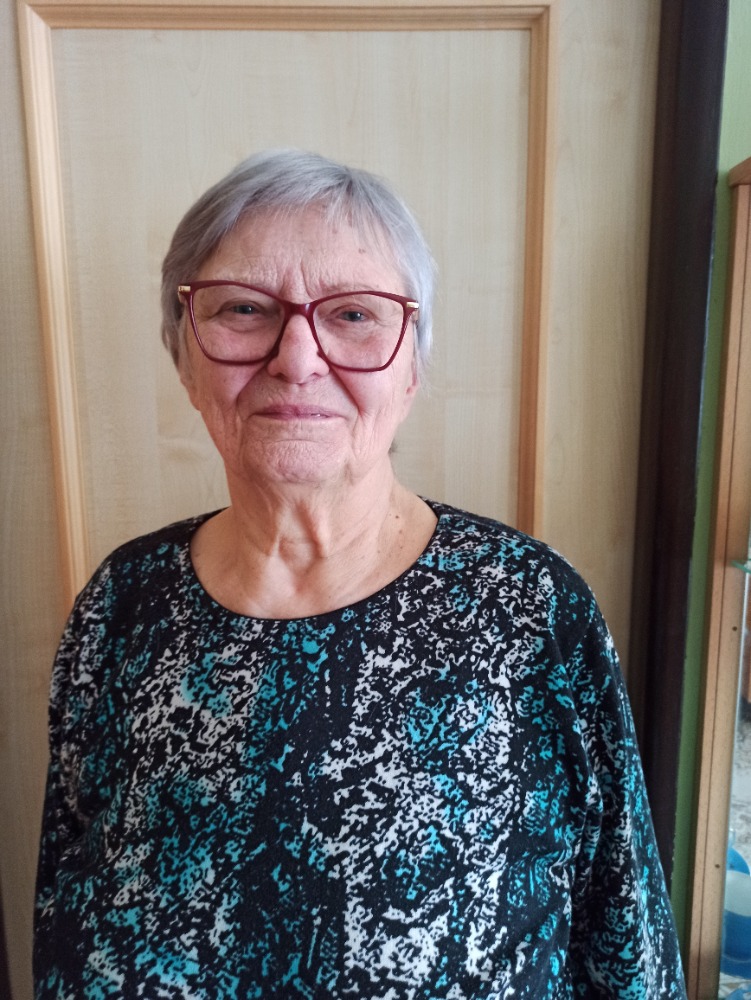
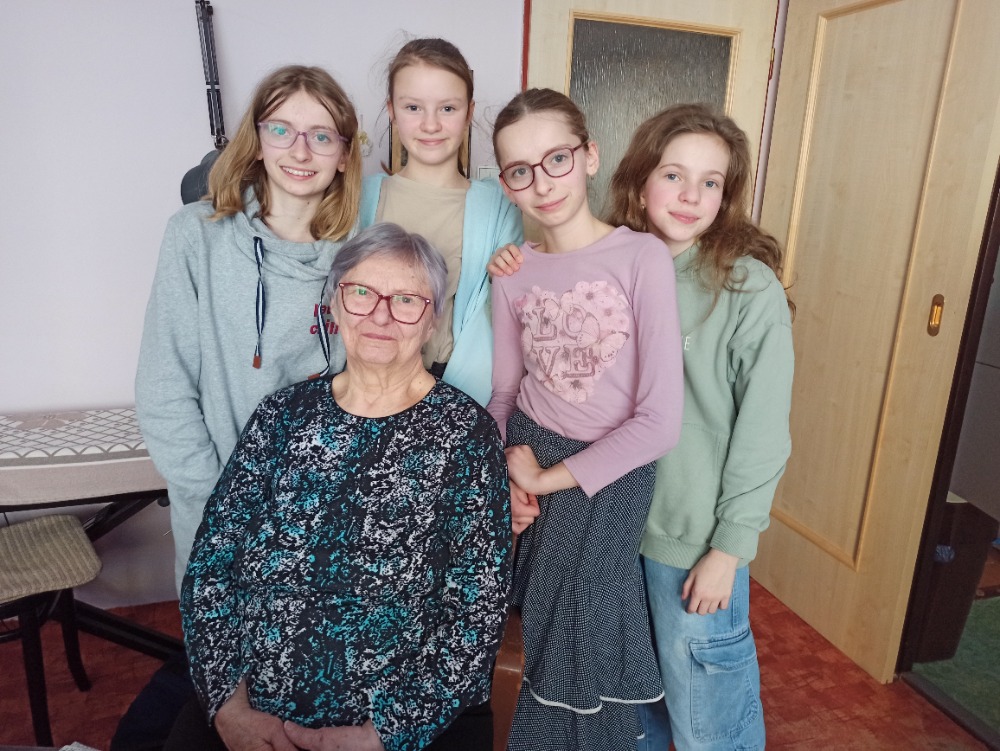
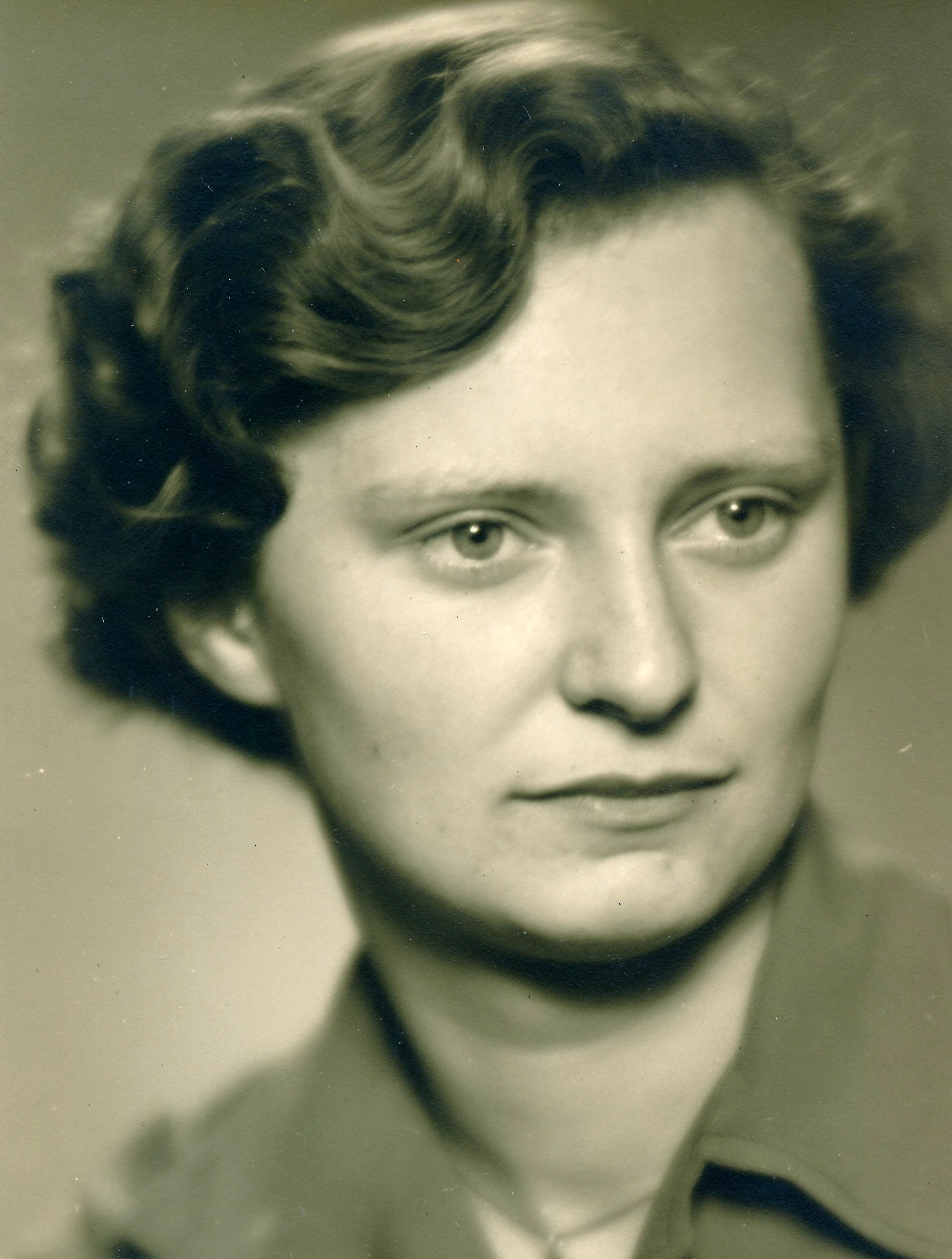
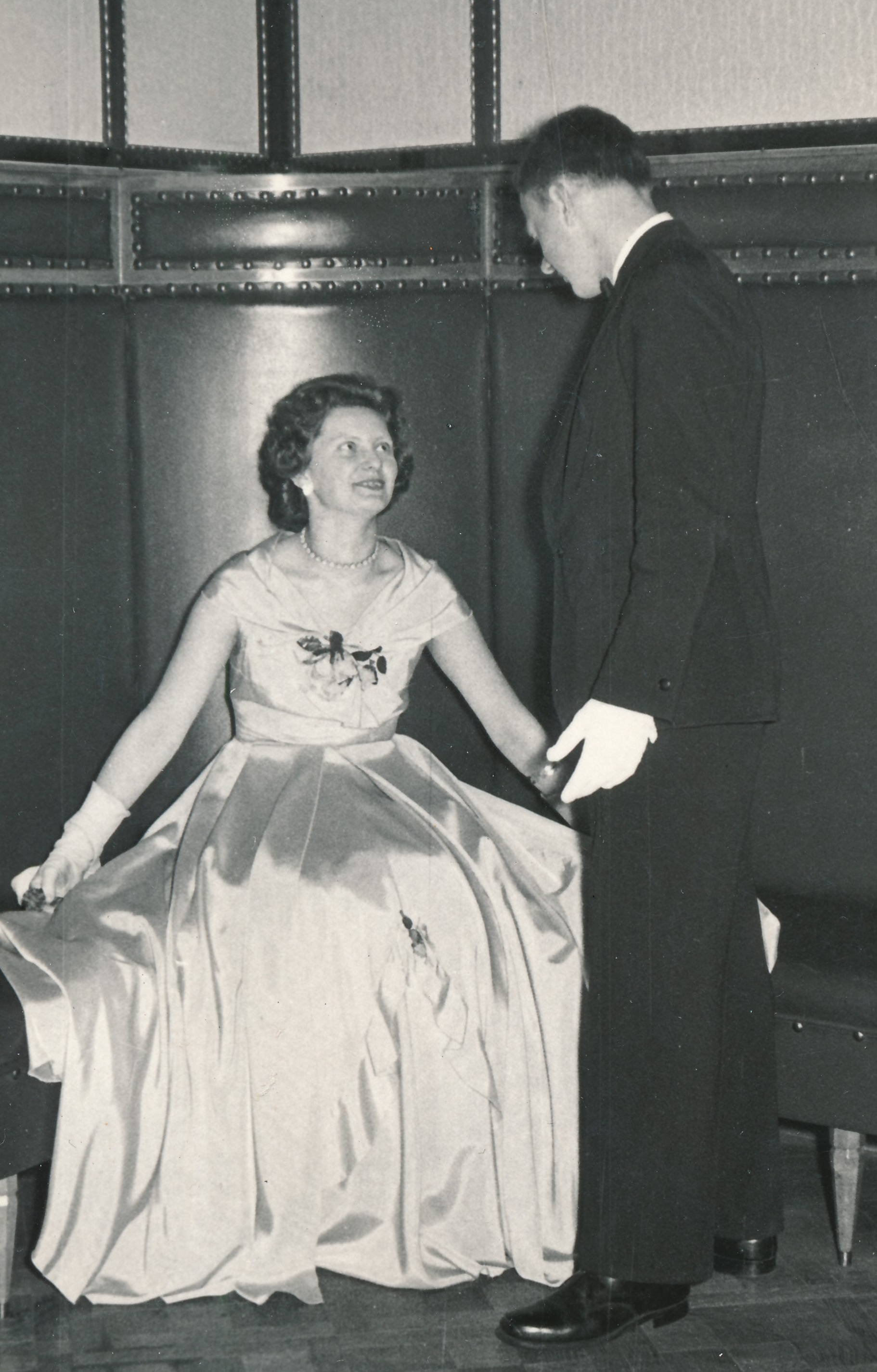
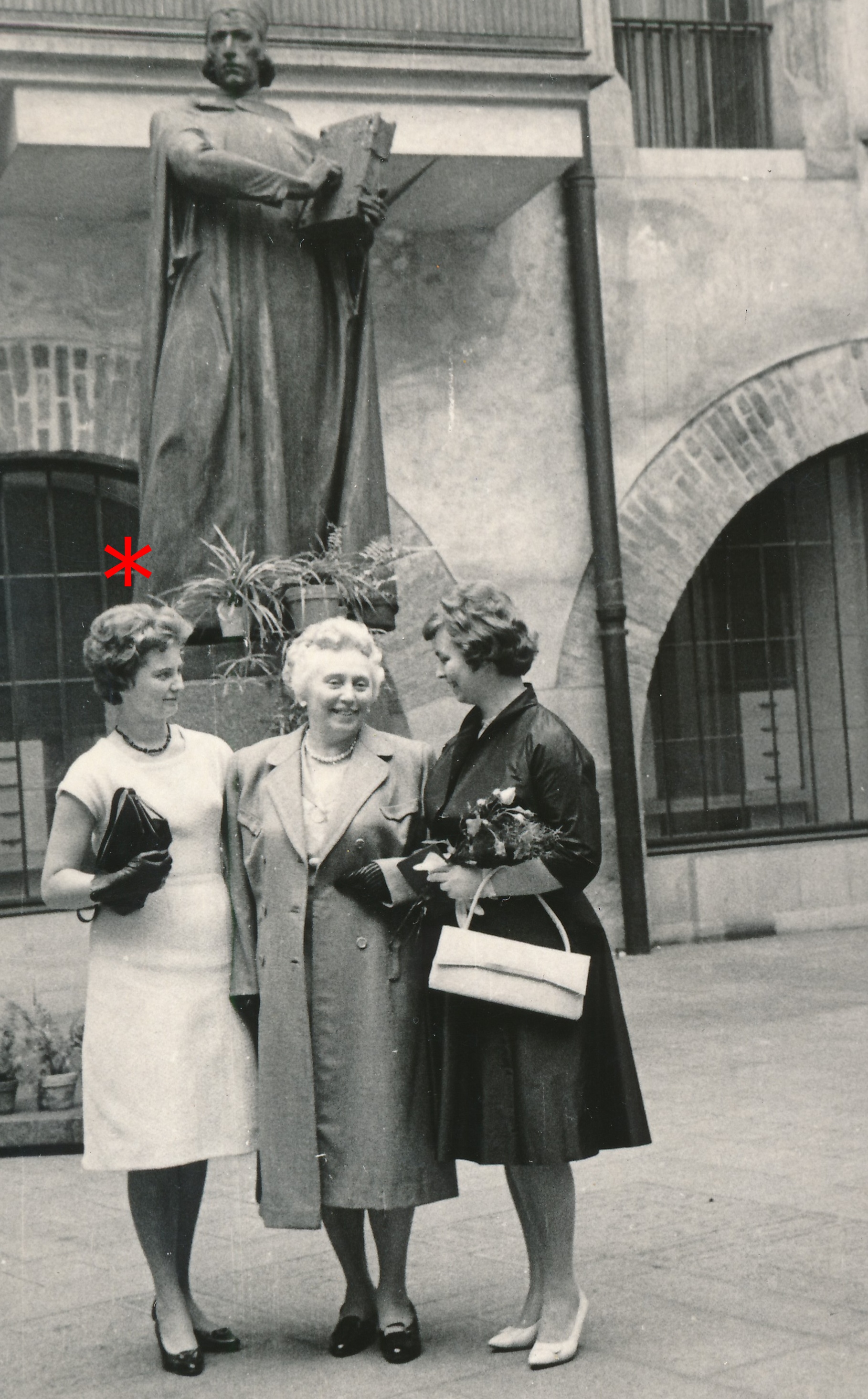
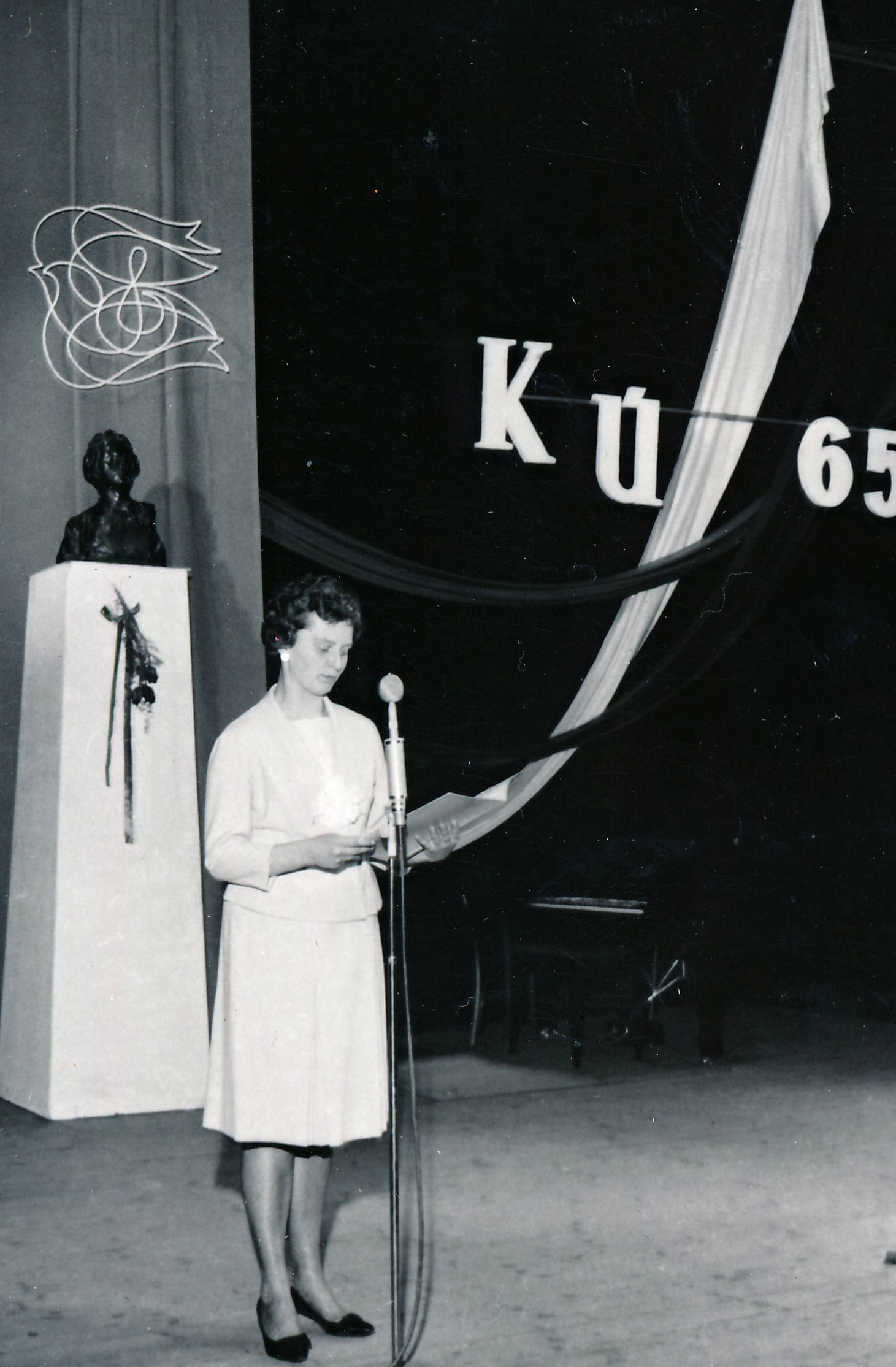
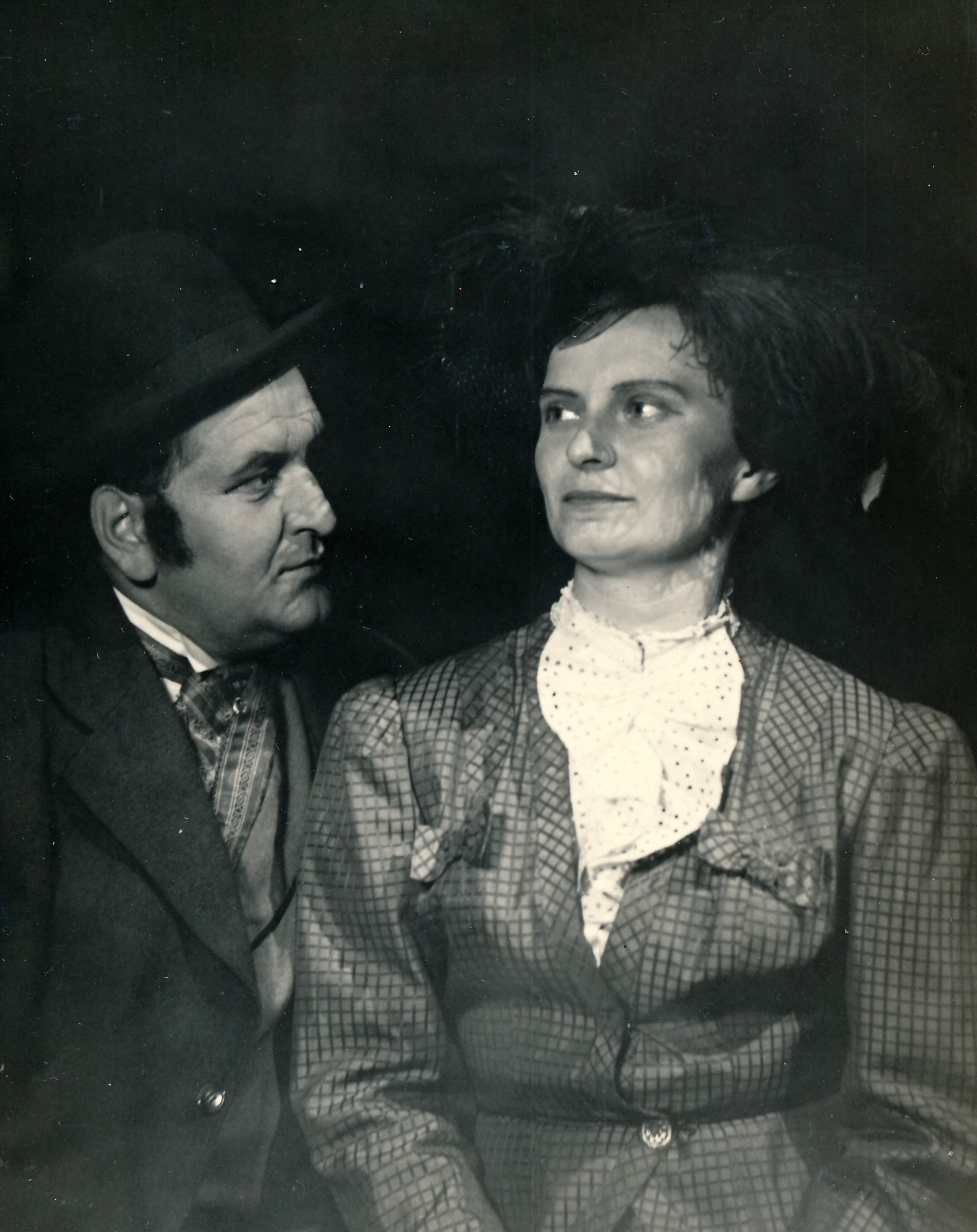
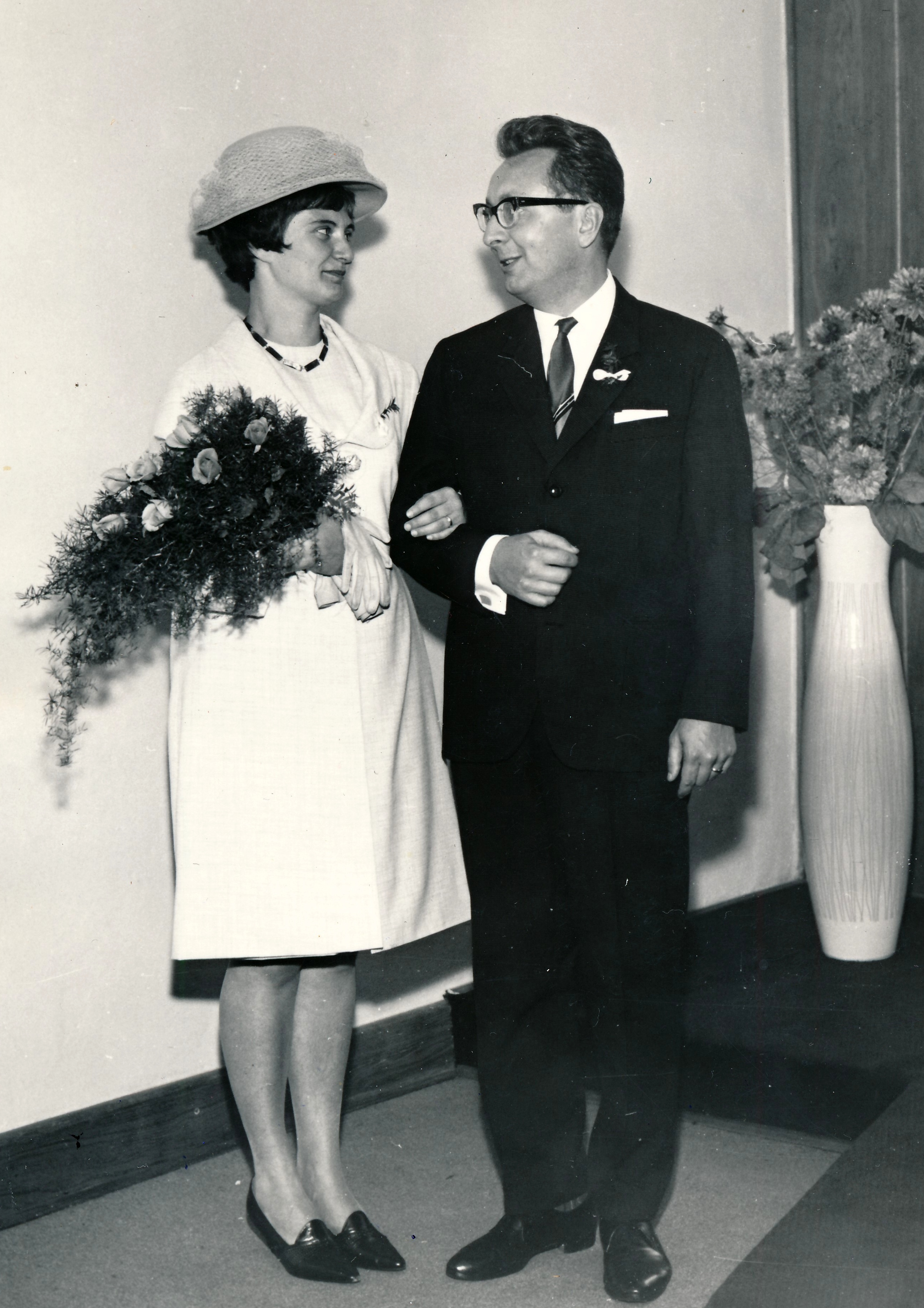
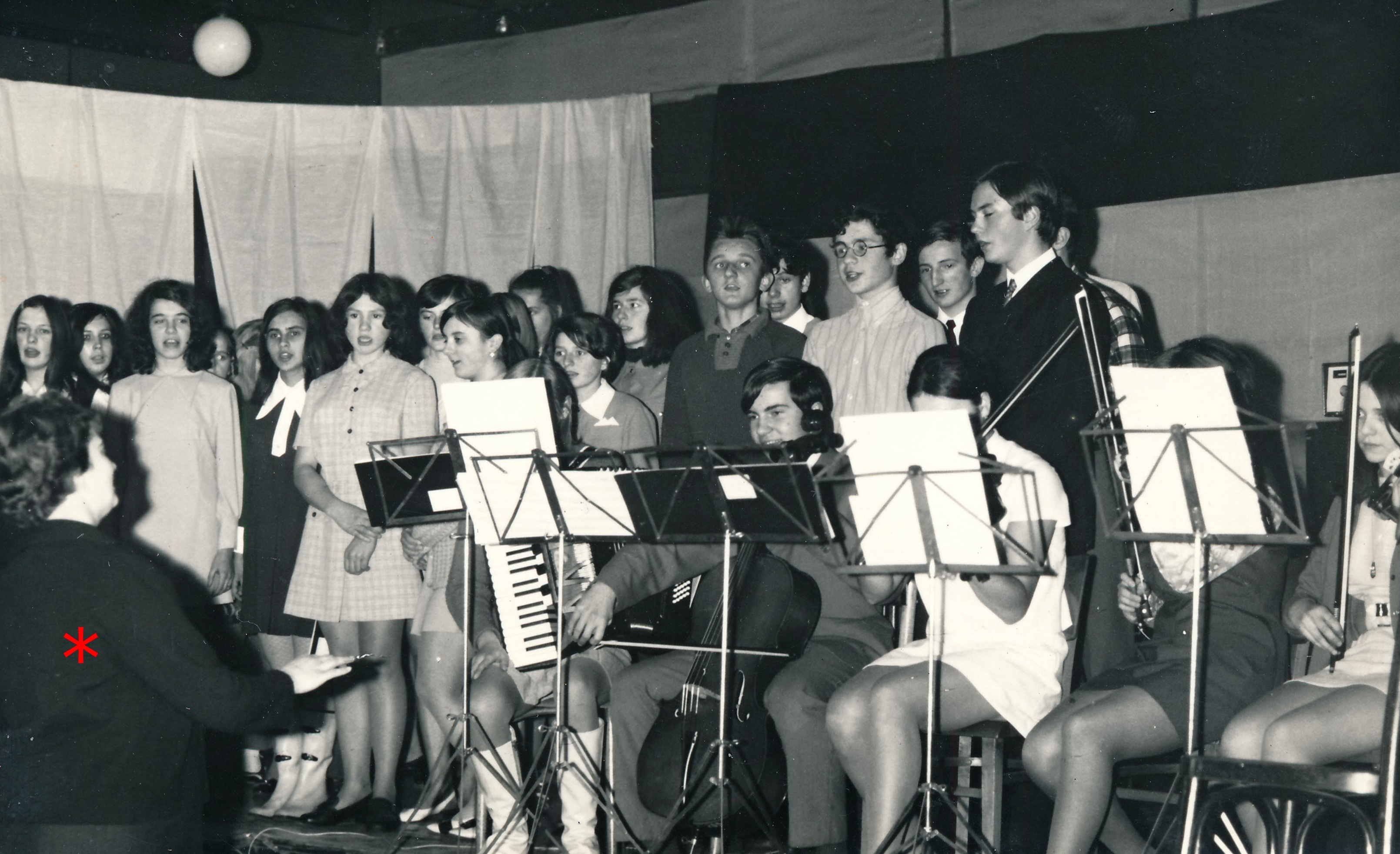
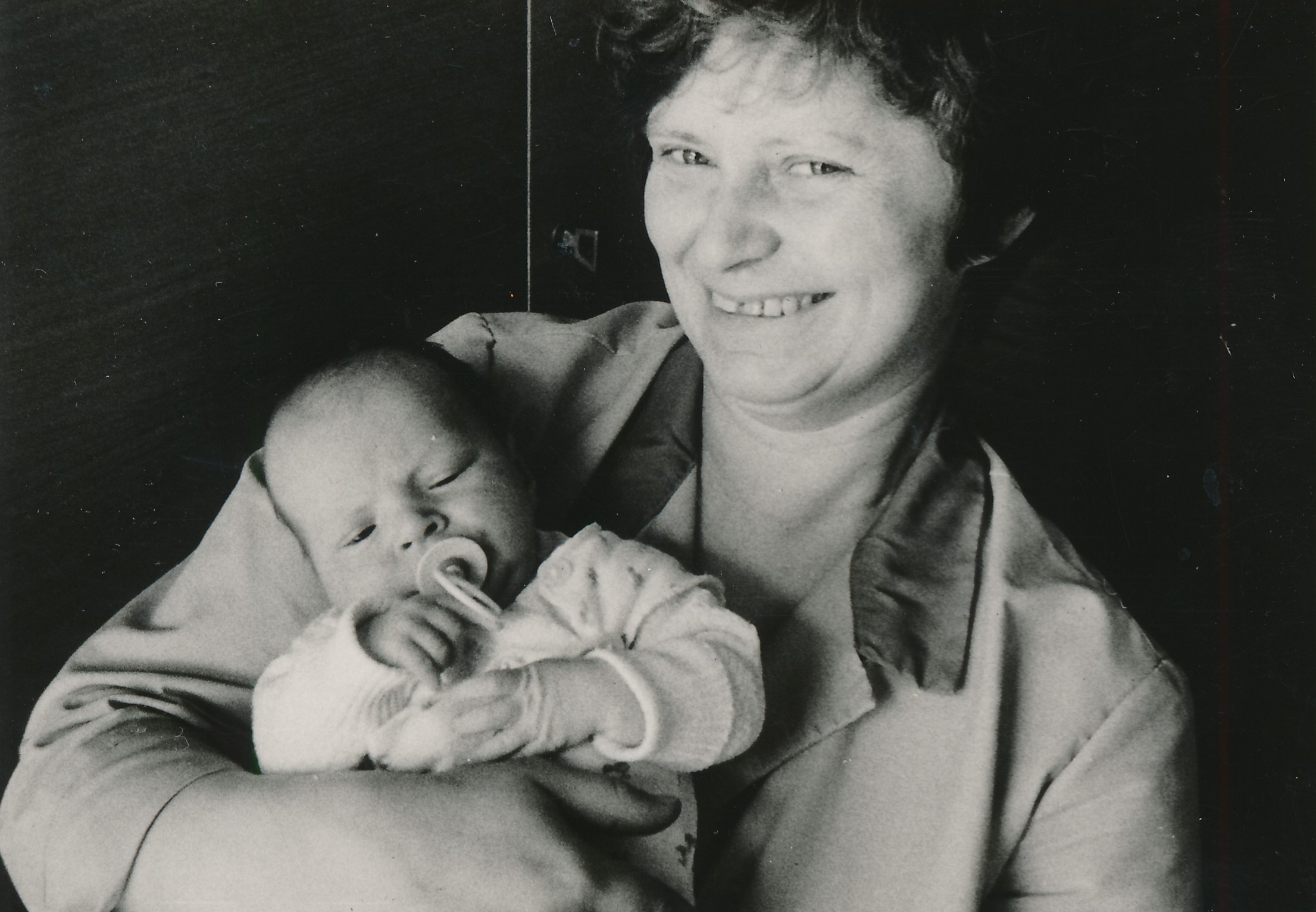
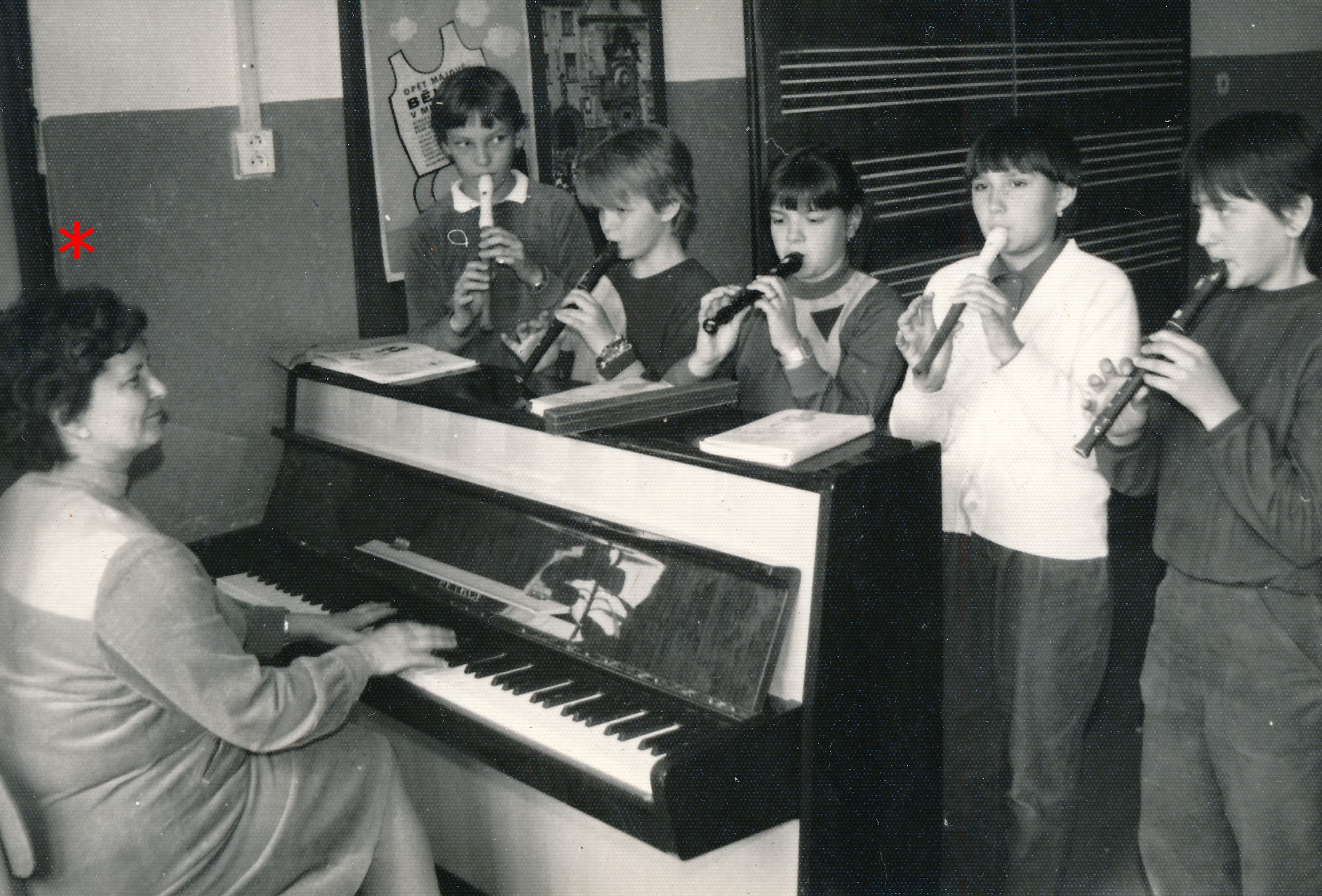
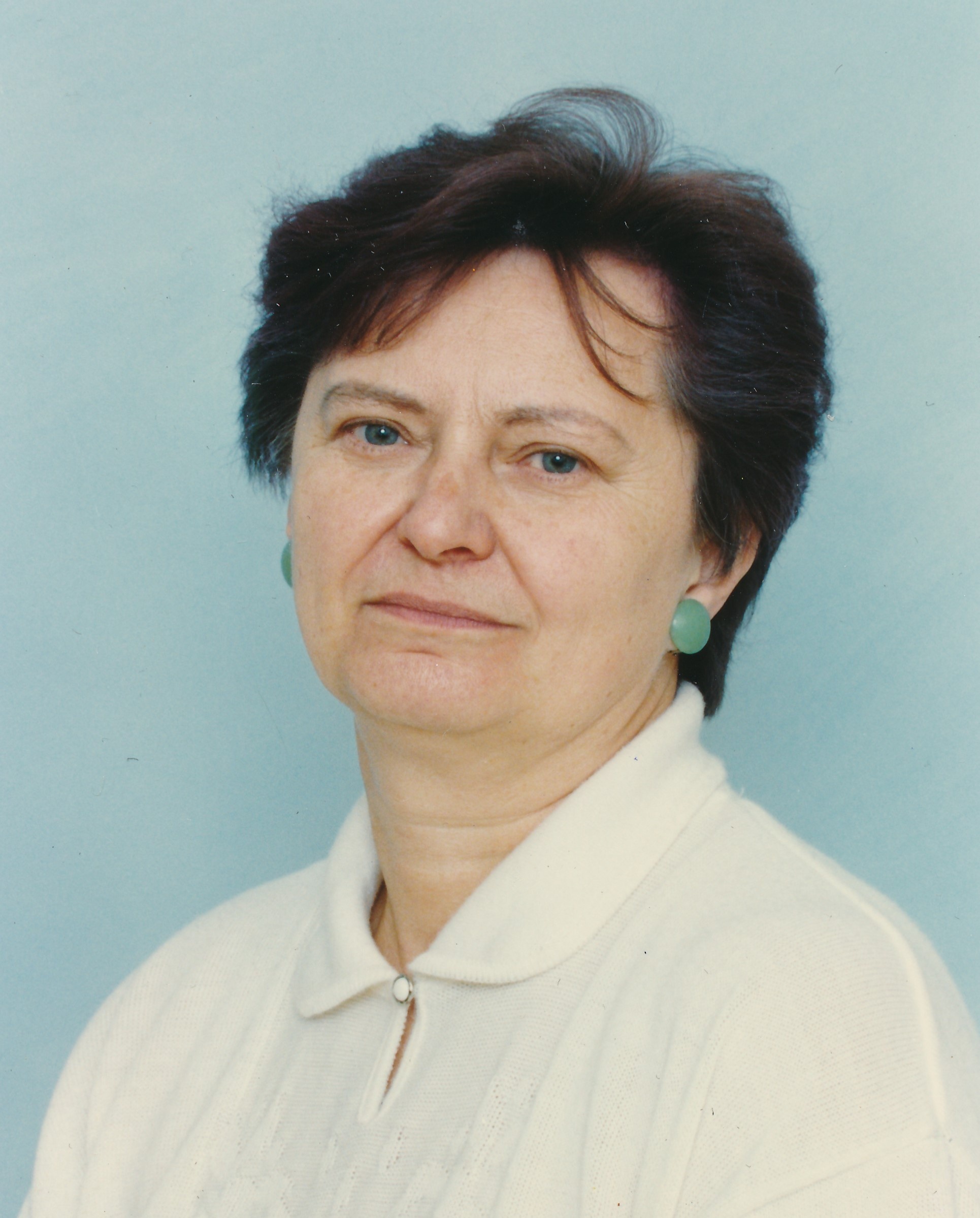
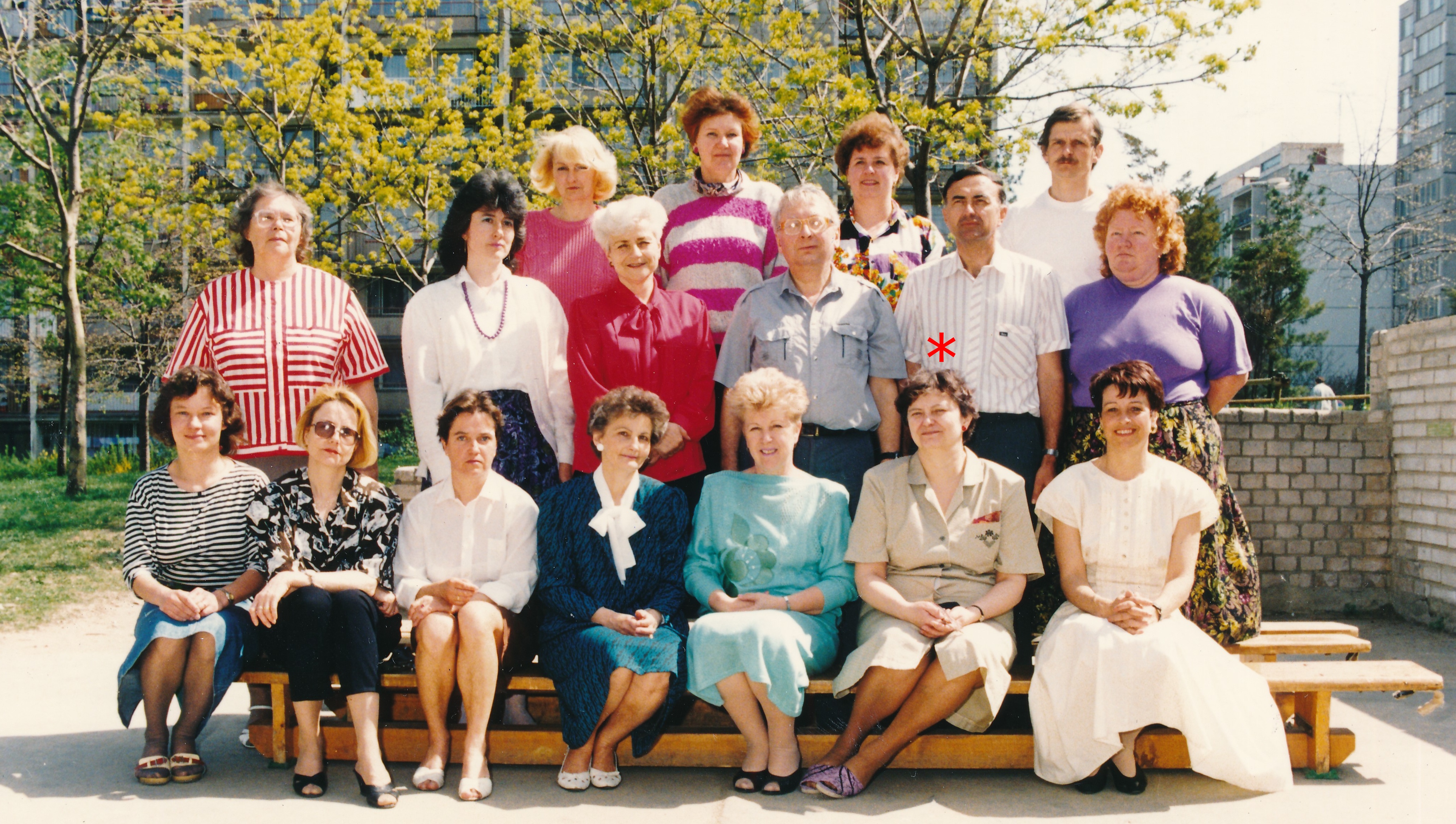
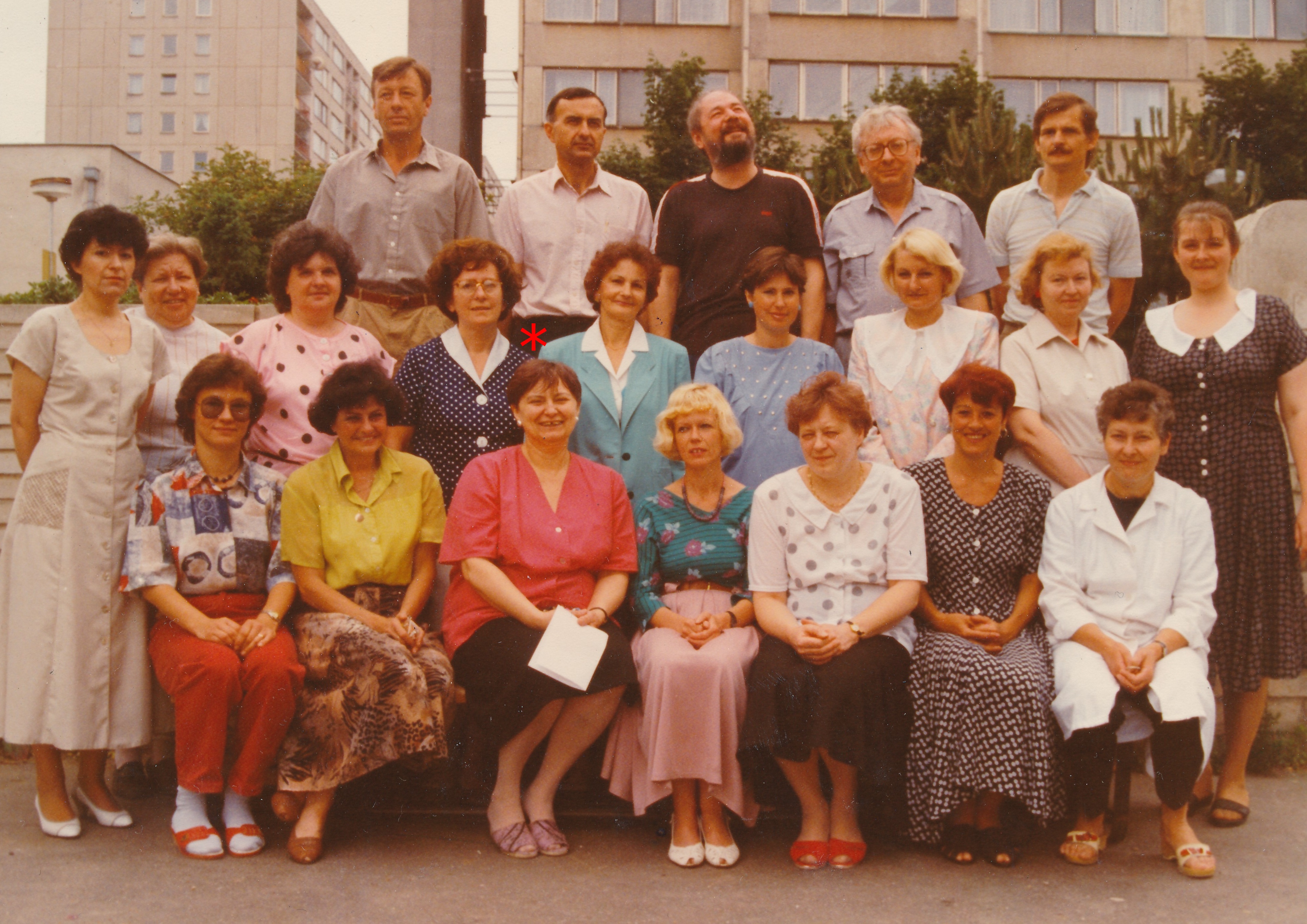
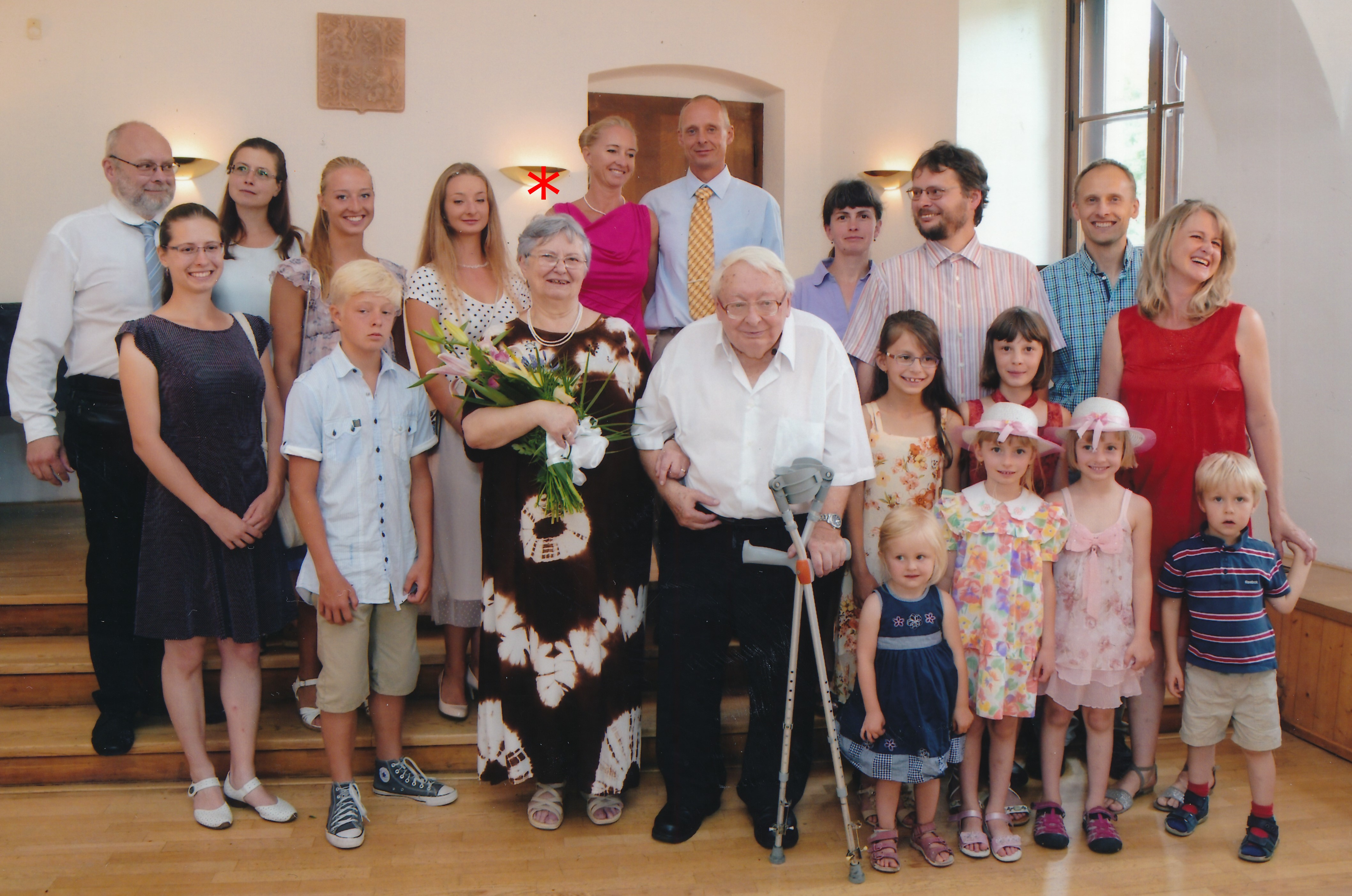
Eva Rajmonová, née Cihlářová, comes from Ústí nad Orlicí, where she was born on 25 August 1939 into a family in which she was strongly shaped by the moral integrity of her parents. Her father Ladislav Cihlář, an accountant and officer in the Czechoslovak Army Reserves, joined the anti-Nazi resistance soon after the occupation. He was arrested by the Gestapo in March 1942 and sentenced to six years in Dresden. He was imprisoned in a labour camp in Erbach, Bavaria, until the end of the war. After his return in 1945, he became actively involved in the public life of the city. However, the Communist takeover marked his life fundamentally: he was demoted in 1949 and dismissed from his job in 1958, after which he worked as a labourer and warehouseman. Eva Rajmonová grew up in an atmosphere of strong ethical values, but family backgroundmade her education difficult. Nevertheless, she graduated with honours from the grammar school in Česká Třebová in 1957. The regime did not allow her to go to university, so she started working as a financial clerk. Gradually she worked in several district enterprises and, thanks to a recommendation, began teaching at a textile apprenticeship. At the same time, she studied remotely at the Faculty of Education in Pardubice, where in 1967 she obtained a Master‘s degree in mathematics - music education. After marriage and the birth of their first child, the family moved to Prague in 1971. Here, Eva Rajmonová worked in the education sector for more than 20 years - from kindergarten through the Gottwaldova Primary School to the Mendelova Primary School, where she taught mathematics and music education. In 1990 she became the school‘s headmistress and held this position until 1996, when she retired. In 2026 she lived in Prague and enjoyed a well-deserved retirement.
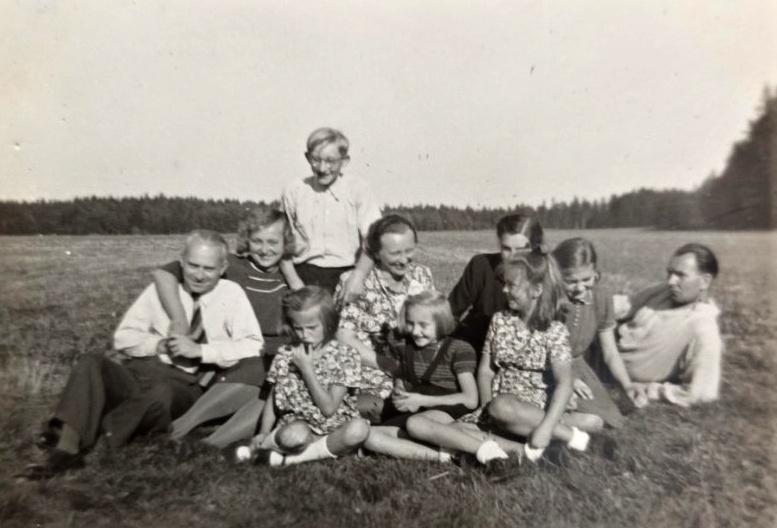
With her parents. Eva Rajmonová (nee Cihlářová) second from the left in the first row, her sister Milena Cihlářová is fourth from the left in the second row, their father Ladislav Cihlář is first from the right in the second row, 2nd half of the 1940s
With her parents. Eva Rajmonová (nee Cihlářová) second from the left in the first row, her sister Milena Cihlářová is fourth from the left in the second row, their father Ladislav Cihlář is first from the right in the second row, 2nd half of the 1940s
Hrdinové 20. století odcházejí. Nesmíme zapomenout. Dokumentujeme a vyprávíme jejich příběhy. Záleží vám na odkazu minulých generací, na občanských postojích, demokracii a vzdělávání? Pomozte nám!