From the distillation tower he could observe Auschwitz
Stáhnout obrázek
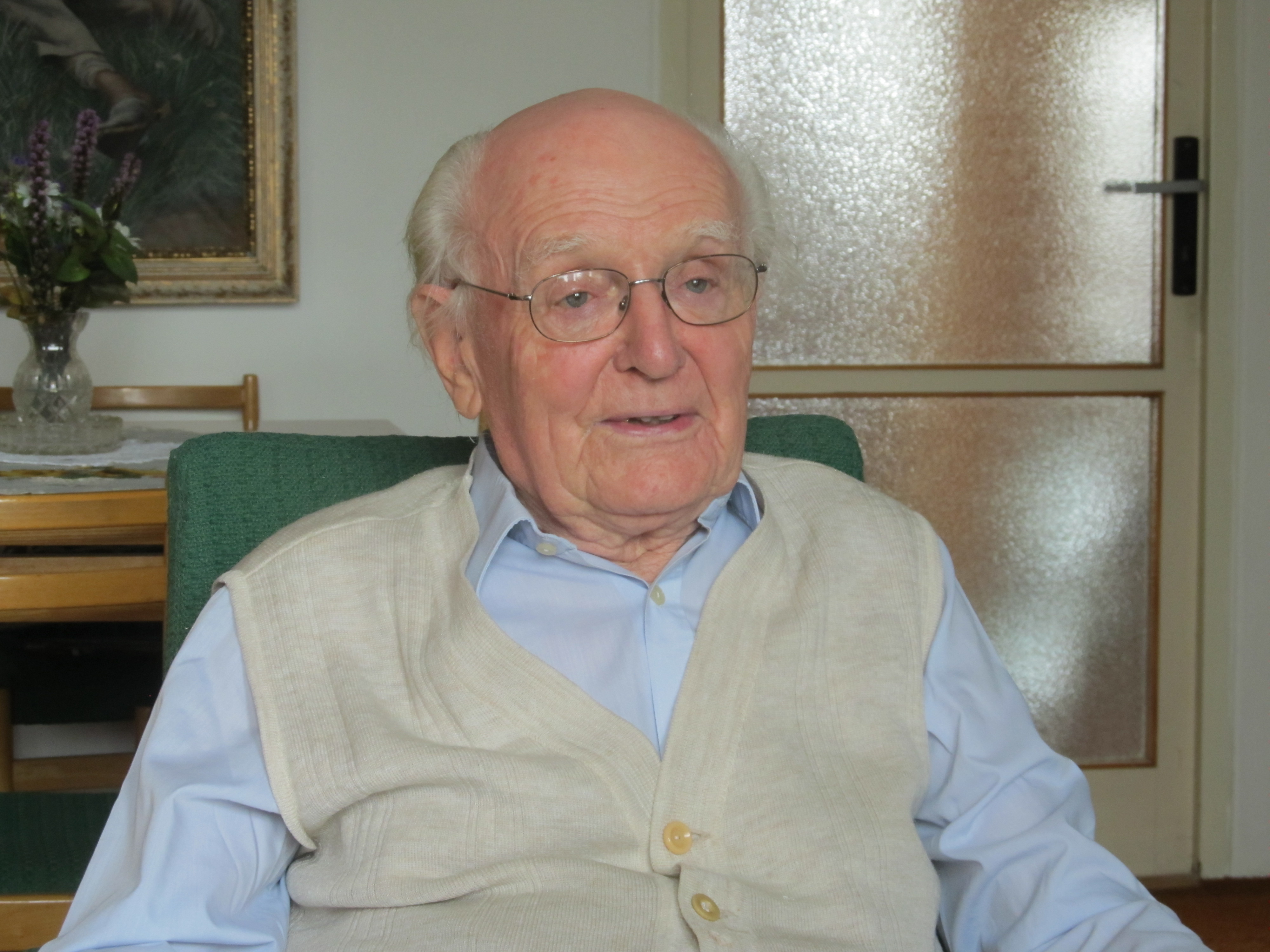
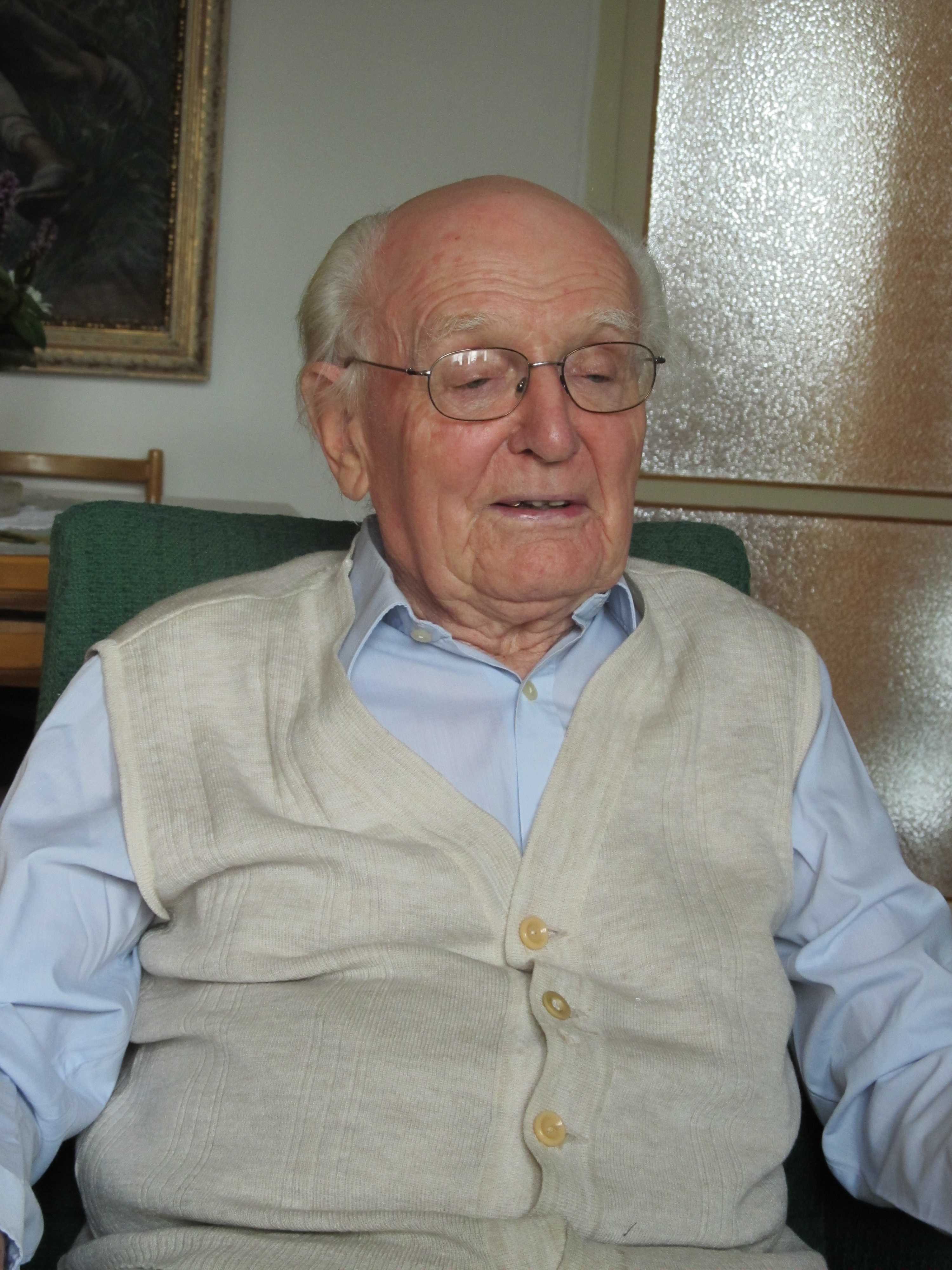
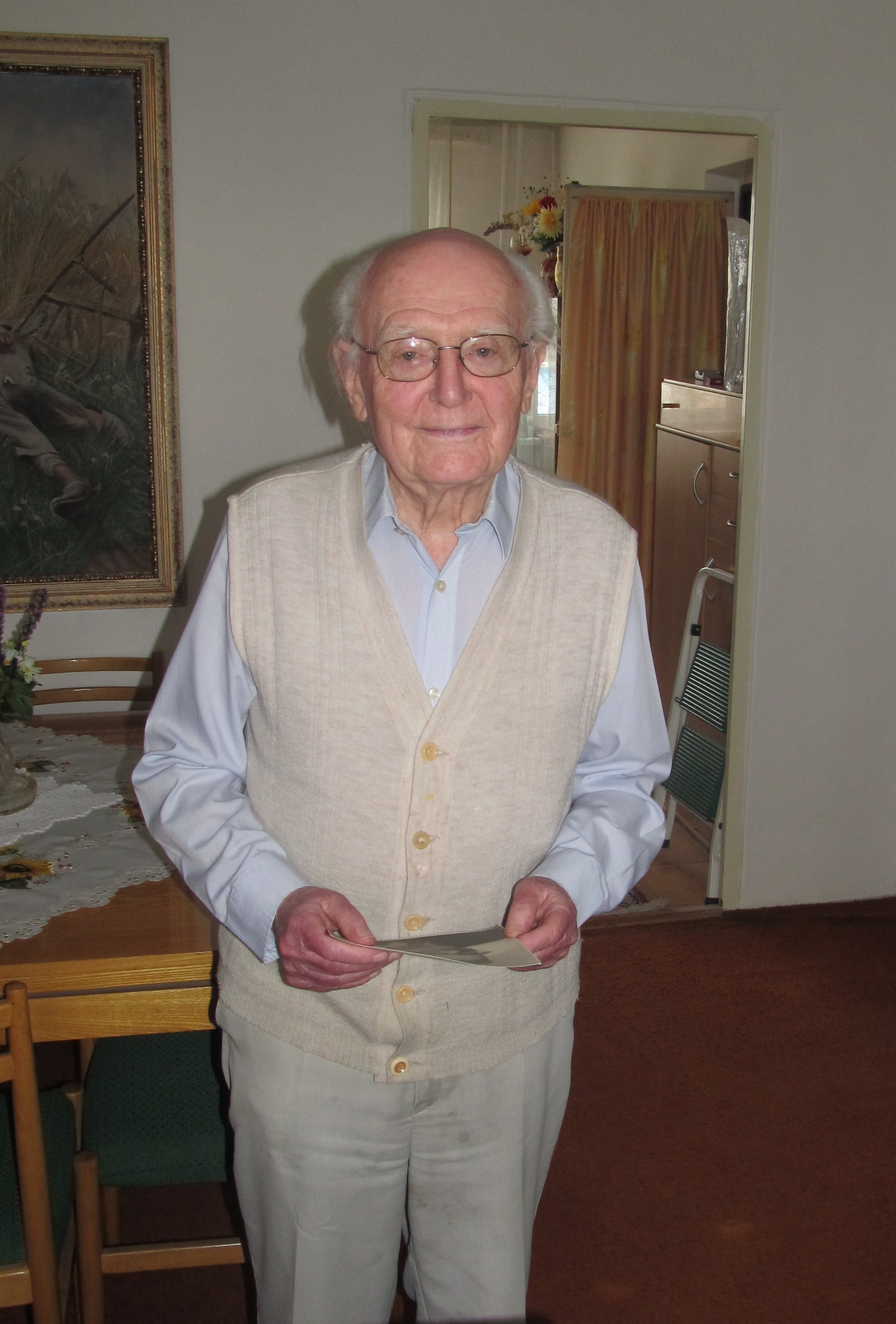
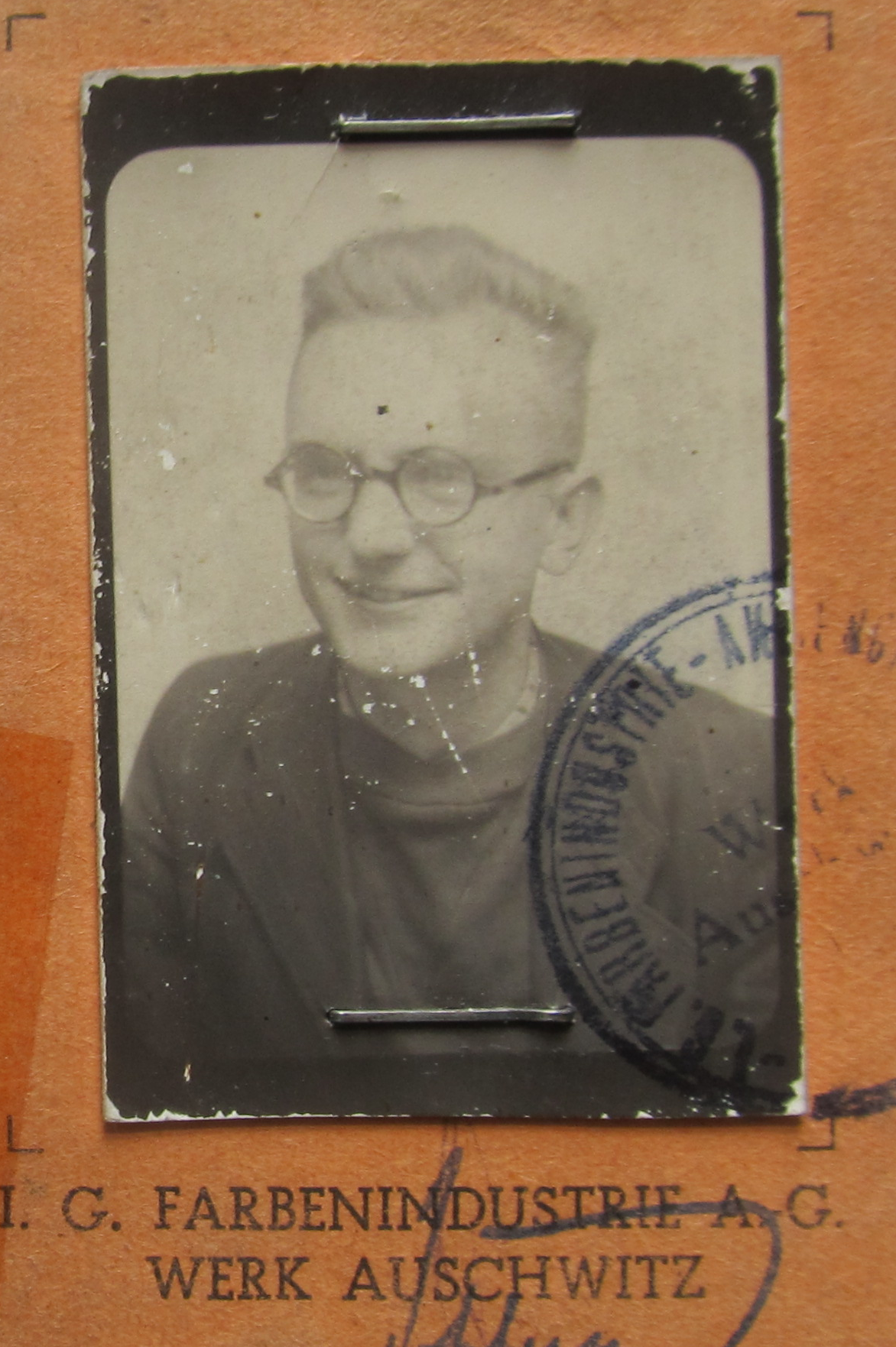
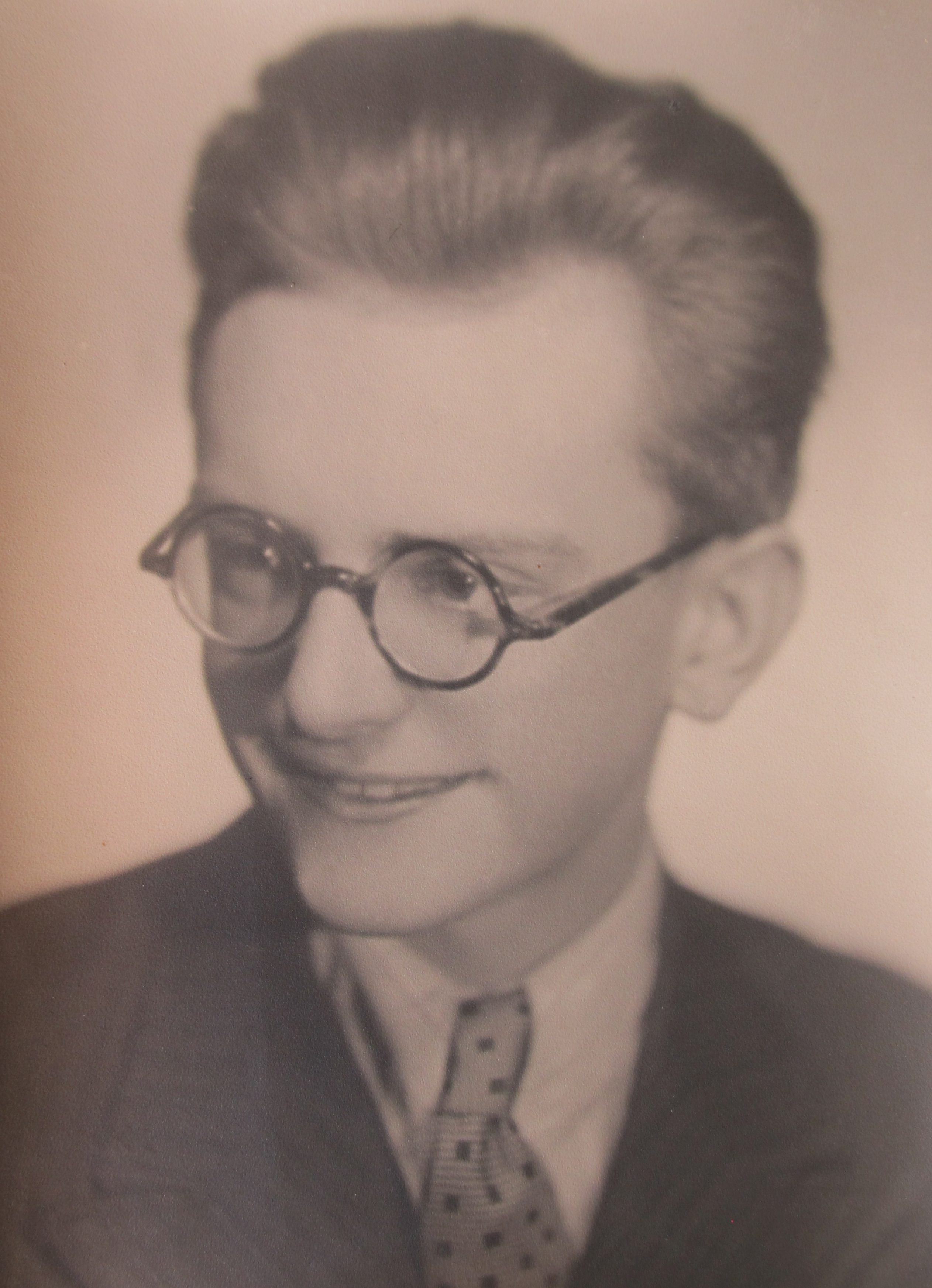
Jiljí Prokeš was born on 8 June 1923 in Prague. His father worked for the railway, his mother ran a hat shop. After general school, he studied for four years at grammar school. He then transferred from the quartet to the business academy in Karlín, he graduated in 1942. A year later he was sent to forced labour in Auschwitz, where he arrived in April 1943. He was assigned to work at the I. G. Farben plant (located near the extermination camps), where he was involved in the distillation of methanol. He worked twelve hours a day, from six in the morning to six in the evening, with one Saturday and Sunday off every fortnight. He lived a short distance from the factory in the Czech camp, which was situated between the French and Polish camps. These were not extermination camps, but places where forced labourers lived. Thanks to his acquaintance in the canteen of the German employees, but also by dealing in bread, he did not suffer from lack of food. In his spare time, he was able to move around not only the factory, but also in and around the town of Auschwitz. He and his Czech colleague used to go to the cinema or to the pub in Auschwitz, and on weekends they would go on trips around the area. At work, Prokeš often came into contact with concentration camp prisoners. One group of Jewish prisoners, for example, built and expanded the facility where Prokeš worked - a methanol distillation tower. Despite the ban, he managed to talk to some of them, especially to captured British soldiers or a Jewish factory owner from the Netherlands who asked him for bread. He also experienced guards who physically attacked prisoners when they did not perform adequately. On several occasions he saw people completely exhausted and trembling, who fell to the ground while working and soon died. He even witnessed the murder of one of the prisoners, whose head was smashed in with a shovel by a guard. From his distillation tower he could also observe the concentration camp near the IGF plant. On two occasions, after somebody had escaped, he saw the other prisoners standing on the appeal place for long hours until the escapee was caught and brought back to the camp. In April 1944, Jiljí Prokeš was transferred to the Möhlenbruch company, which was part of I. G. Farben, where he served as payroll accountant until January 1945. During his assignment in Poland, he only came home once, for a six-day leave. At the end of the war, just before his departure from Auschwitz, for several days he saw huge clouds of smoke rising continuously from a nearby camp and spreading towards the administrative centre in the main camp of Auschwitz I. He was later told that the smoke came from a large pit where, due to the lack of capacity in the crematoria, people who had been murdered were being burned. In early 1945, the German army was retreating from the area around Auschwitz and Prokes decided to return illegally to the Protectorate. He persuaded his supervisor at work that the Czechs were allowed to leave and took a train towards the border. He luckily made it to Prague, where he experienced the May Uprising and the arrival of the Red Army. After the war he found employment as an accountant in his uncle´s Fa Síto company. When the communists nationalized the company (it was renamed Kovotechna), he continued to work at the company as a standard setter and also trained as a toolmaker. After completing two years of military service, he joined the Research Institute of Local Economy in 1954. While working, he studied at a higher technical school. In 1958, Jiljí Prokeš moved to the Metalworking Enterprise of the Capital City of Prague. In 1960 he was employed at the Military Design Institute. In the mid-1960s he moved to Czech Motorcycle Works and from 1972 he finally worked at Mercanta, a foreign trade company. He retired in 1986 and lived in Prague.