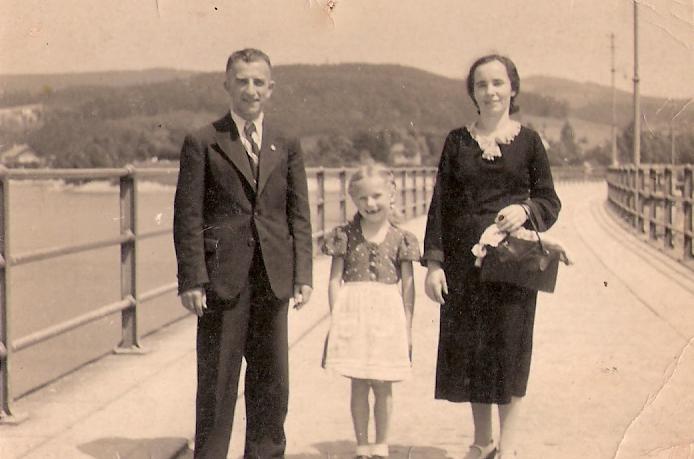
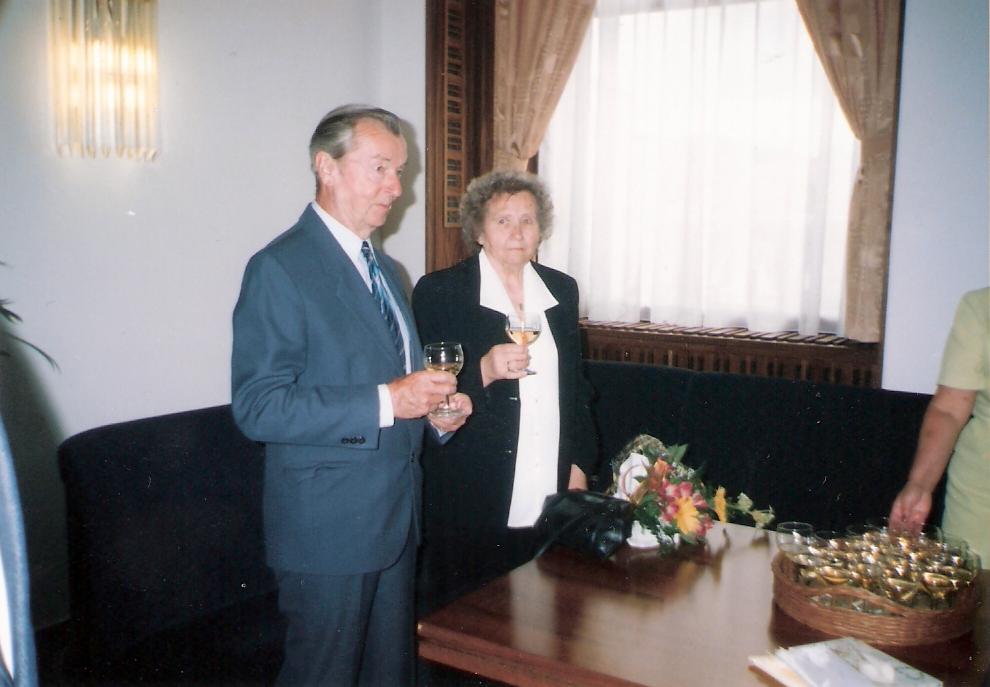
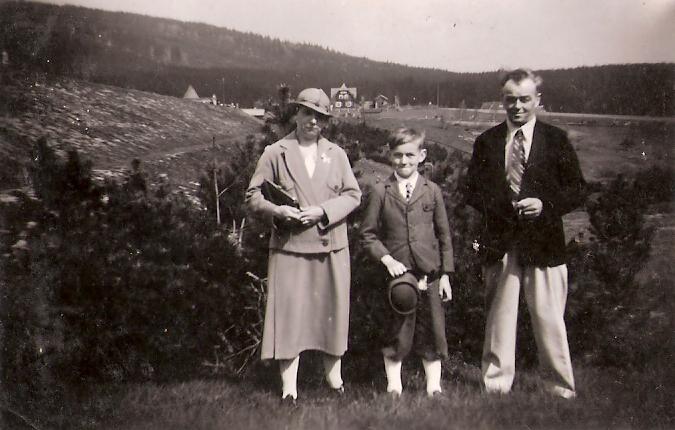
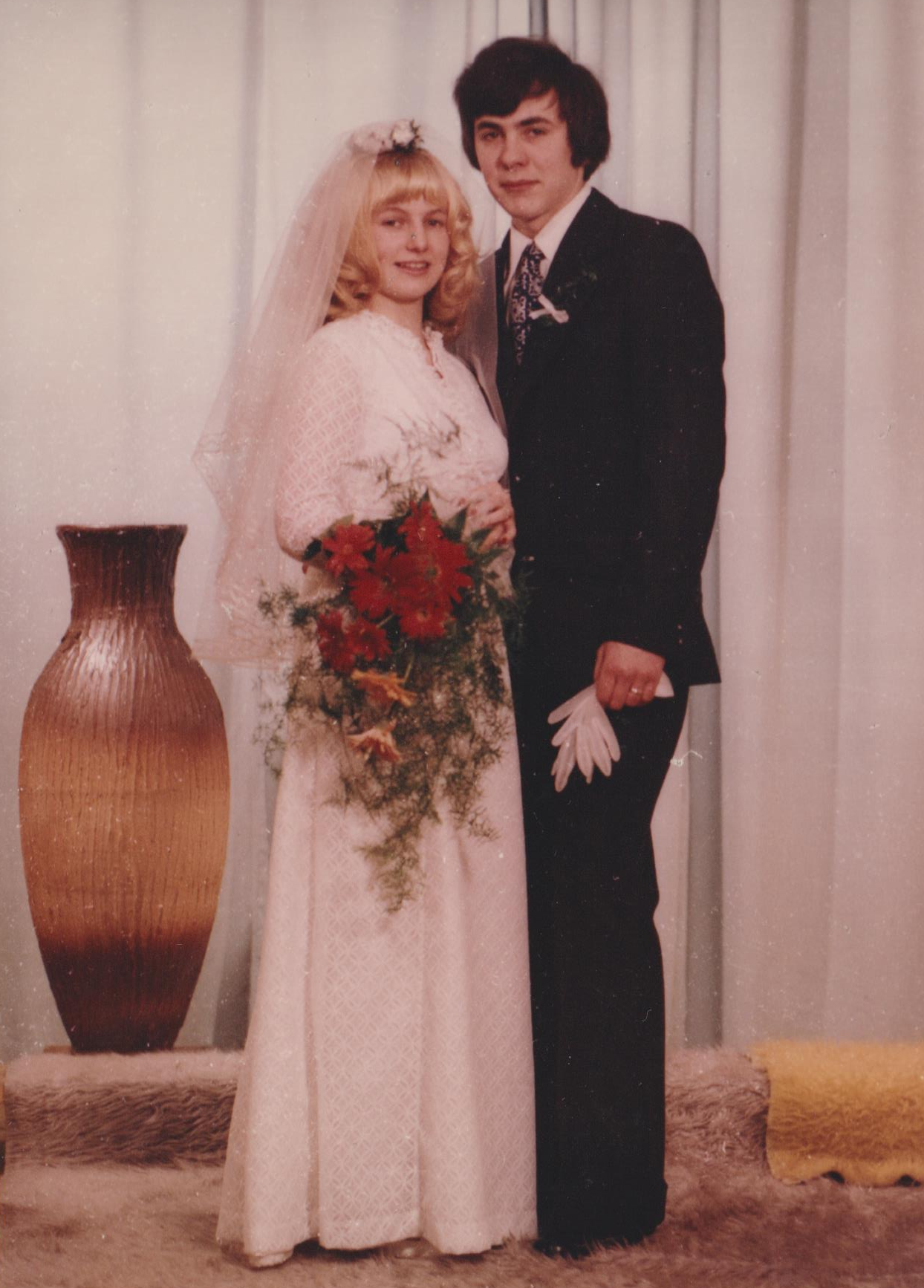
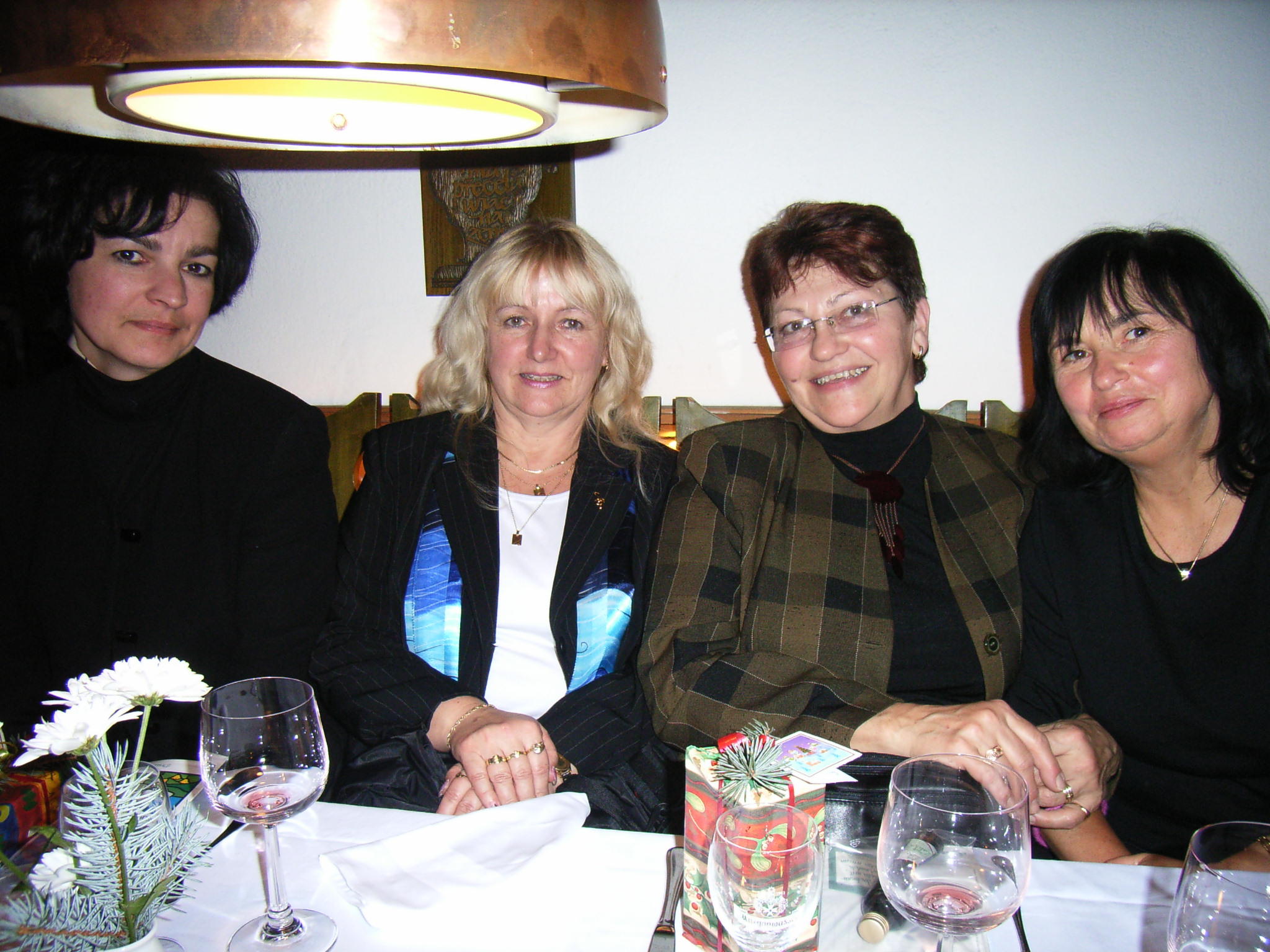
"My grandmother came from three sisters. The oldest and my grandmother came here to Jablonec to work. The oldest was then sent to East Germany and the youngest, who was from Šumava, was sent to West Germany. So each of them was in a different country and maybe the oldest and the youngest never met again. The only grandmother could go both to the eastern one, of course, and then, because she was already retired, she could go to the western one. And my aunt could have come to us. That was the kind of thing that I perceived the worst, that the family was torn apart."
"The fact that we spoke German, that I was of German nationality, because that was determined by my father, not that anyone would have made that clear to me, but it was not desirable to speak German, I knew that. When I was a child there were still a few families here, there were quite a few families who then moved out on their own or moved out on their own. So we used to visit those families, we were friends with those families. But otherwise the origin was always there. My parents tried to keep, I have a sister, they tried to keep us out of it. I think the worst days were always the May days. Which is what my mother told me afterwards. I didn't perceive it so much because I was a child, but some things were more perceived by my parents, the way some, what all was celebrated in those May days and things. I know my parents always said that, but we wanted to keep you out of it, so we didn't talk about it at all."
"My grandmother's sister, who came with my grandmother from Šumava, got into the displacement. My grandmother married my grandfather and my sister married a German. They lived in Smržovka and because they were both German, they were included in the expulsion with their daughter. I learned this from my mother, from my parents. Otherwise, none of the relatives were included in the expulsion because they didn't live to see it. Rather, my father was deported to the interior afterwards, he had to work in the interior."
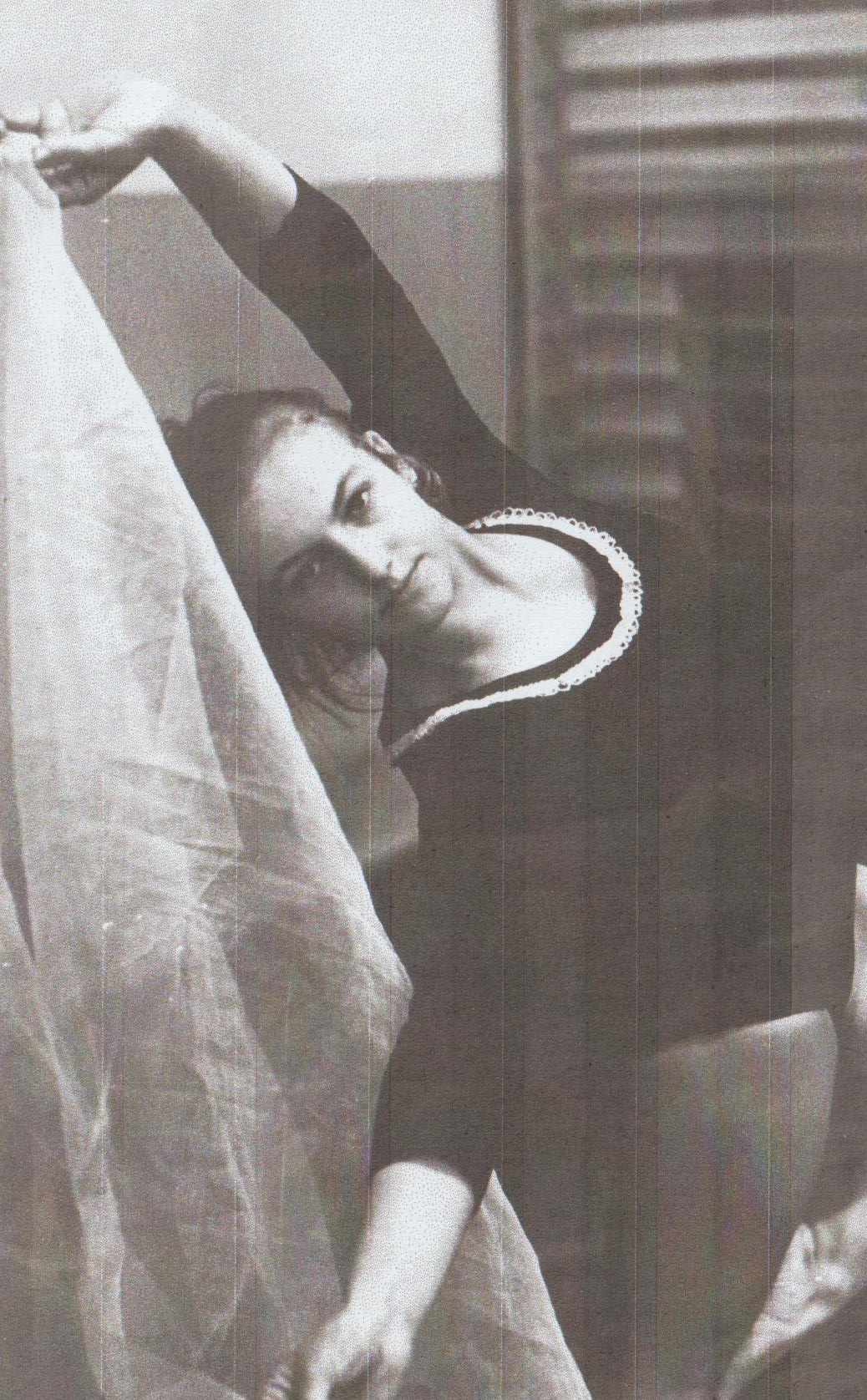
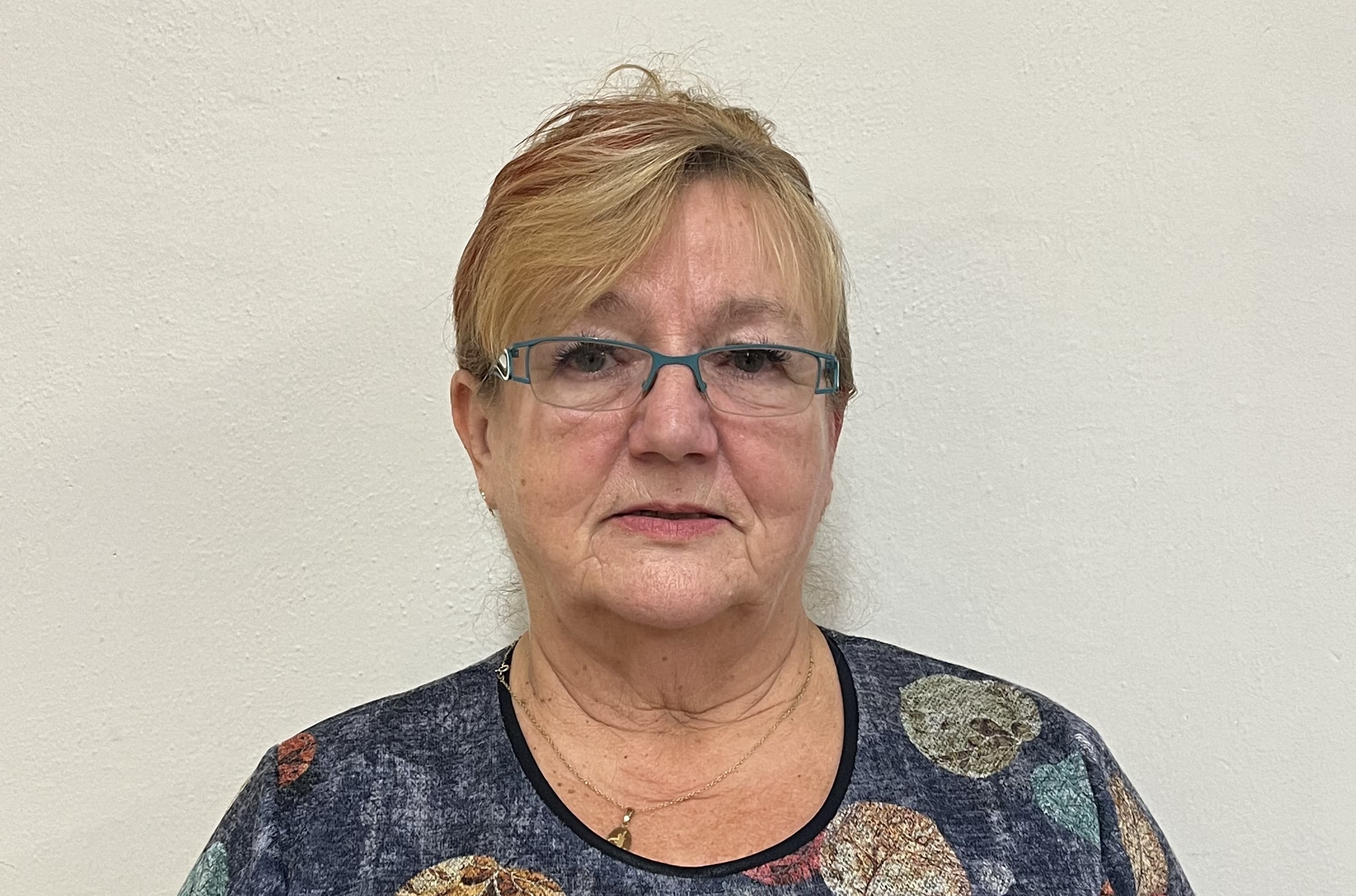
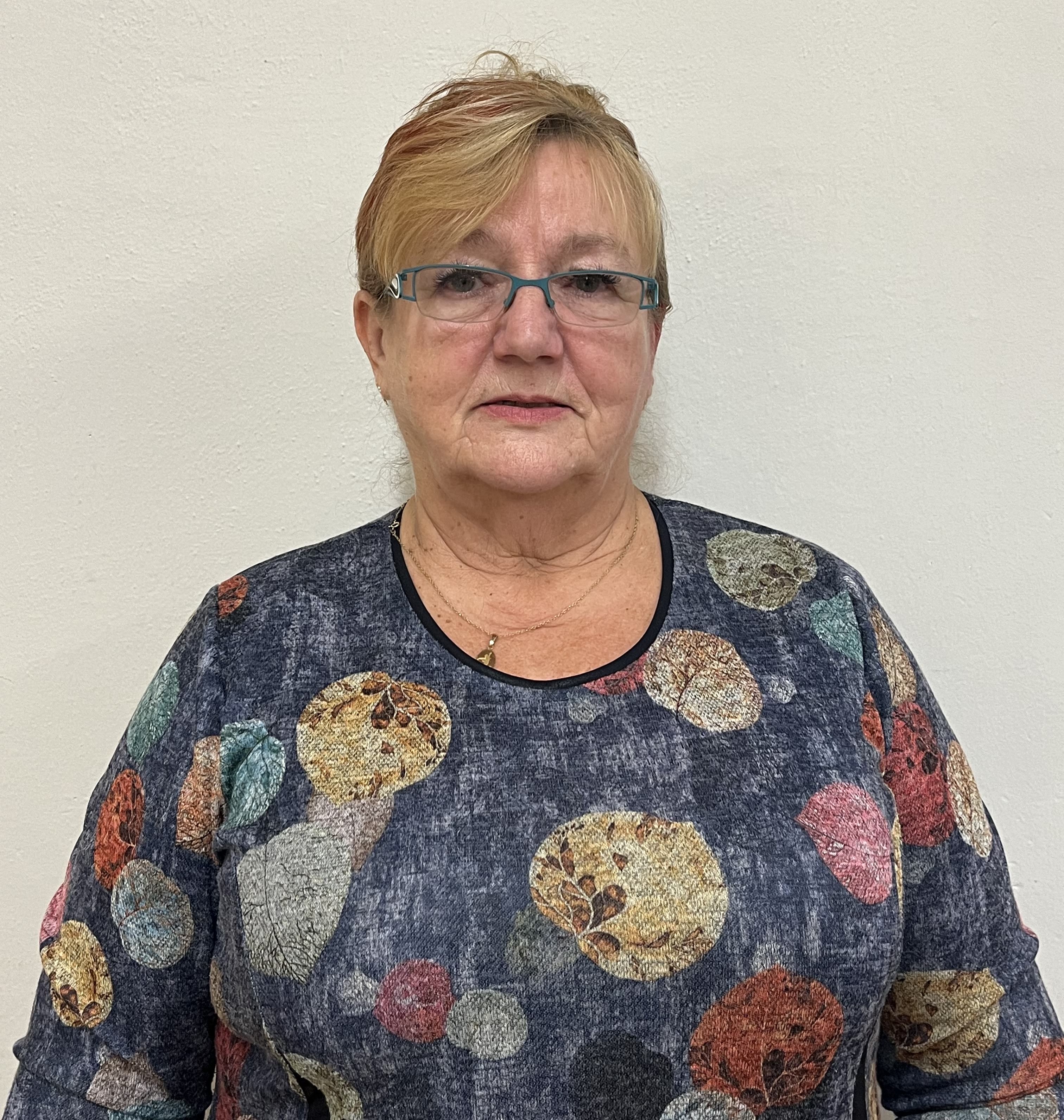
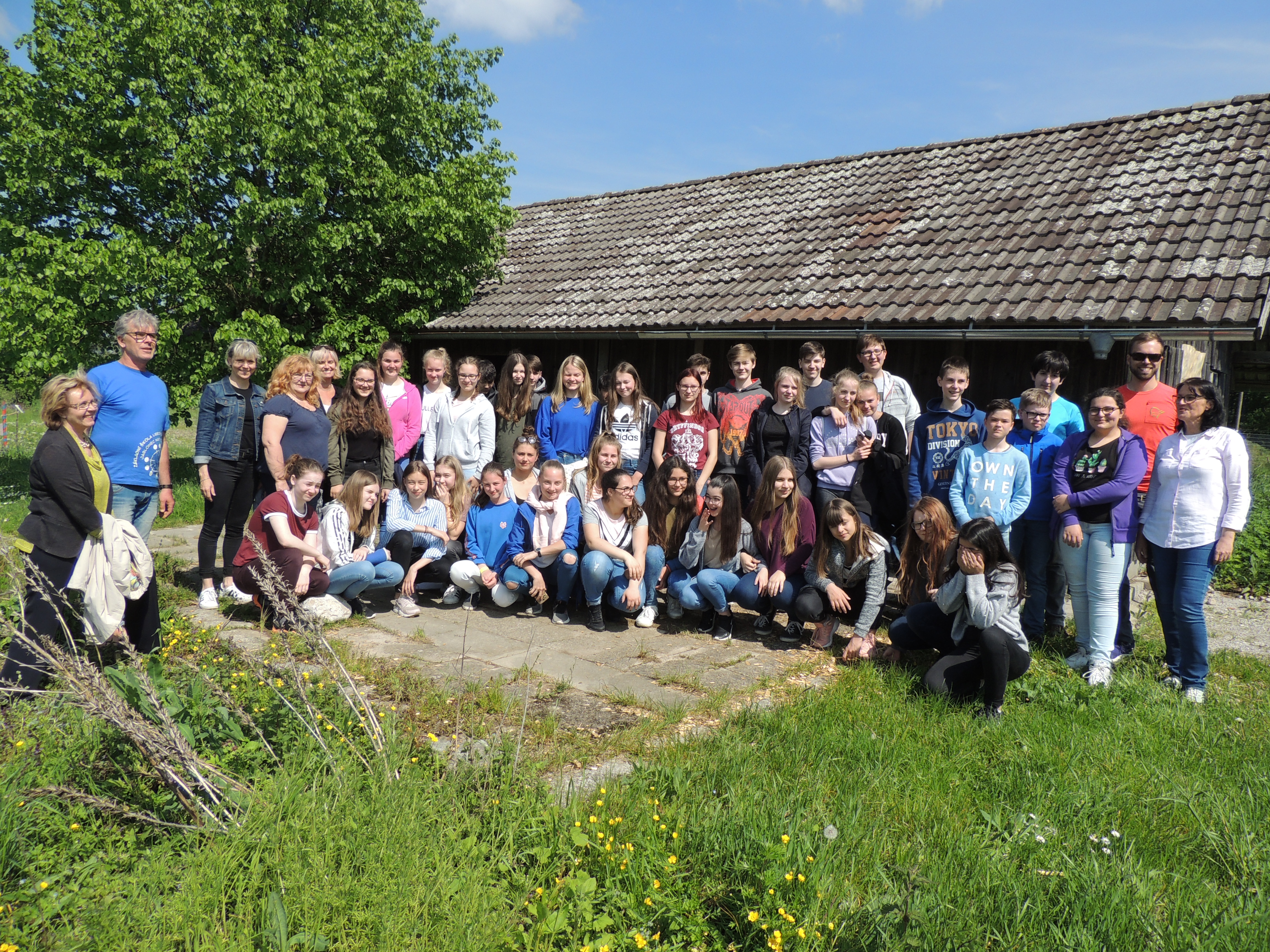
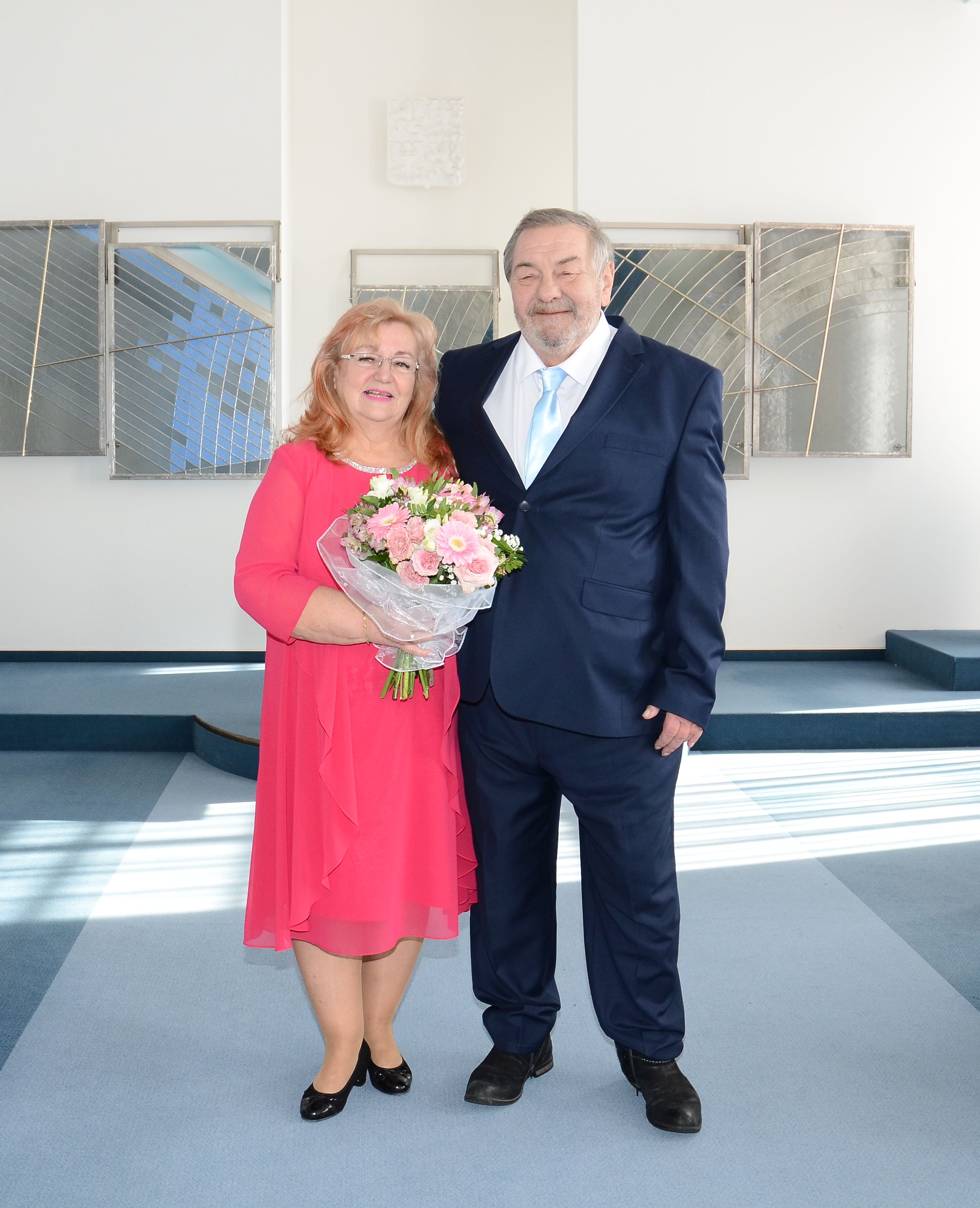
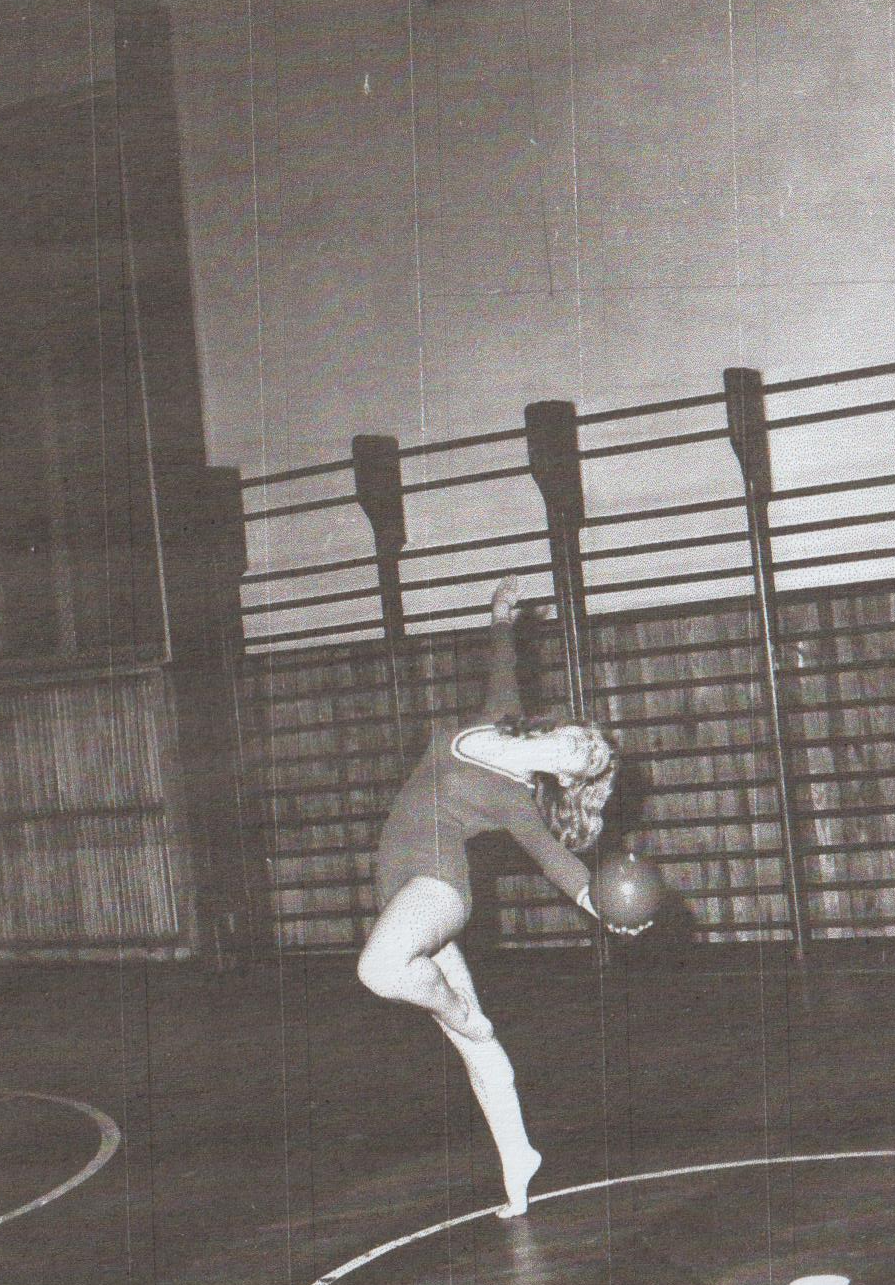
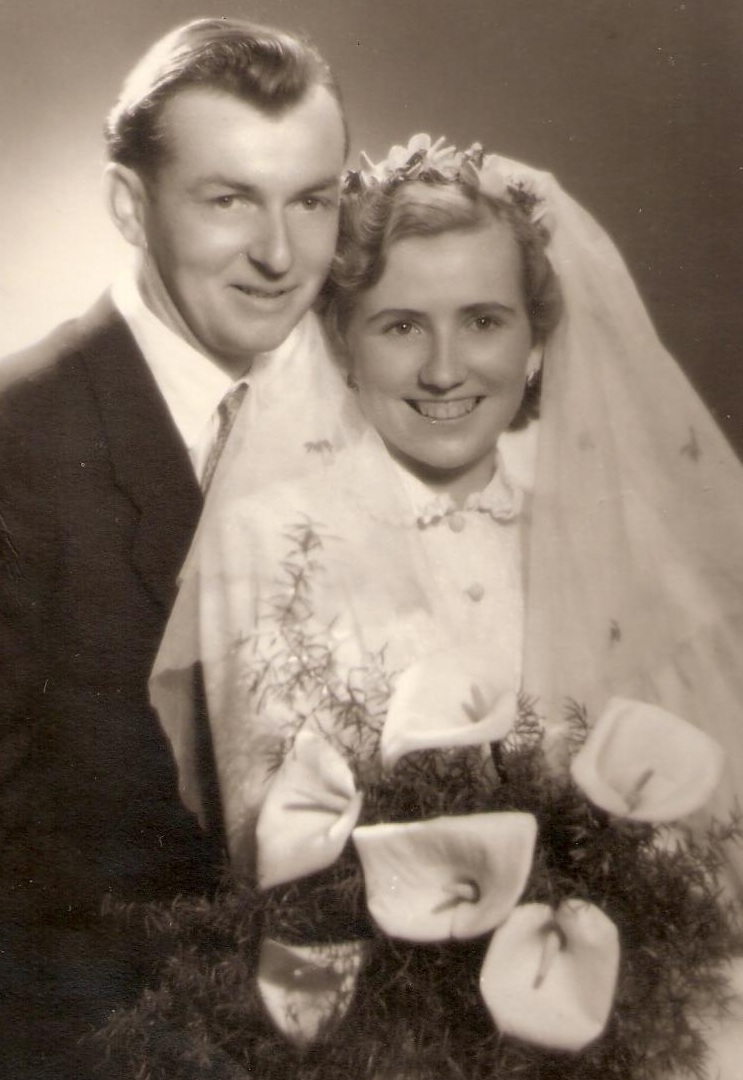
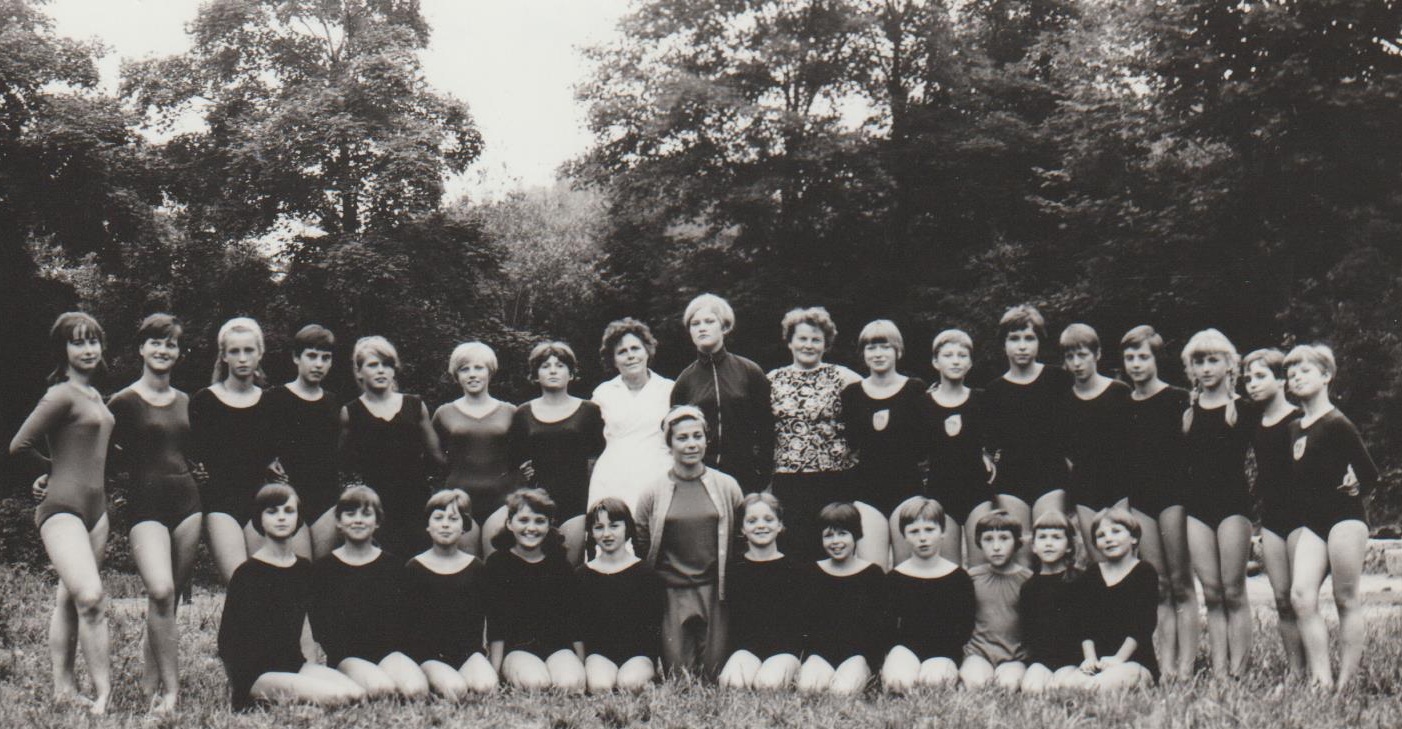
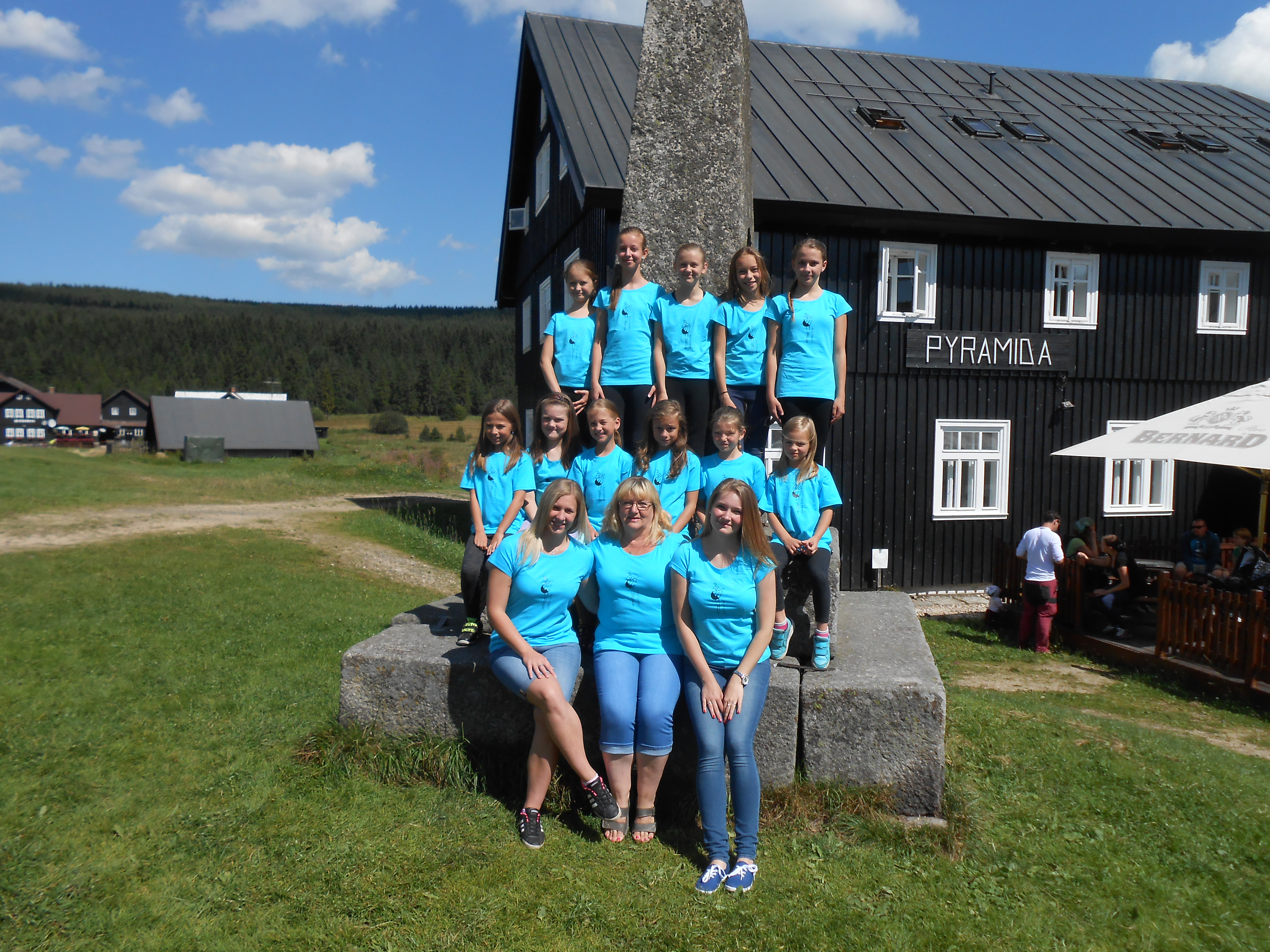
Heidemarie Polívková, née Endler, was born on January 20, 1956 in Jablonec nad Nisou, where she spent her childhood with her parents and sister. Her family was of German origin, some of her relatives were part of the expulsion and after the partition she never saw some of them again. She did not encounter the Czech language for the first time until she was four years old, until then she had only heard, and therefore only knew, German at home. During the August 1968 invasion, her family hosted a visitor from West Germany, who was then unable to return. She studied education in Ústí nad Labem and devoted her entire professional life to teaching. To this day (2024) she is actively involved in deepening Czech-German relations. In 2024 she lived in Jablonec nad Nisou.
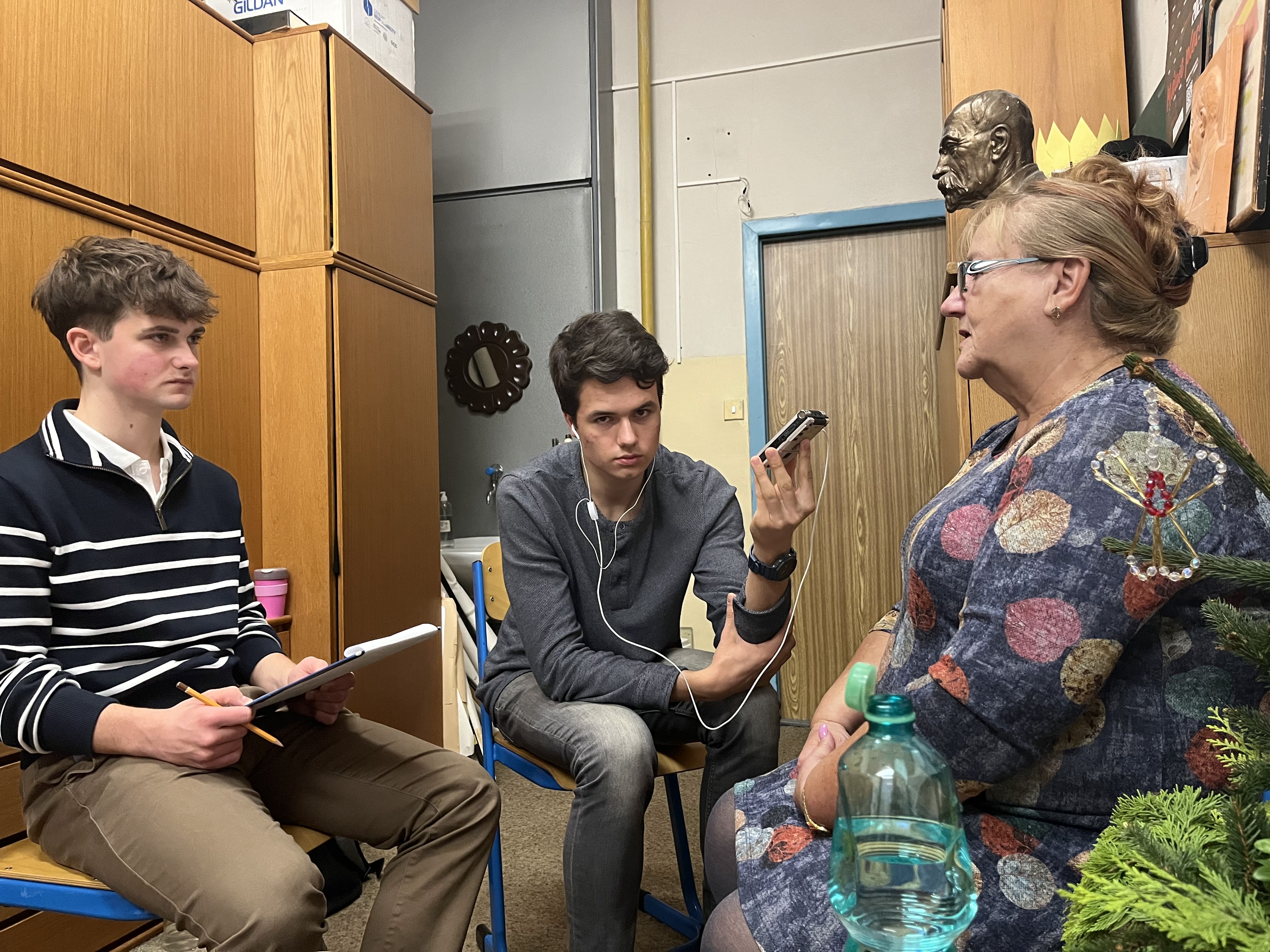
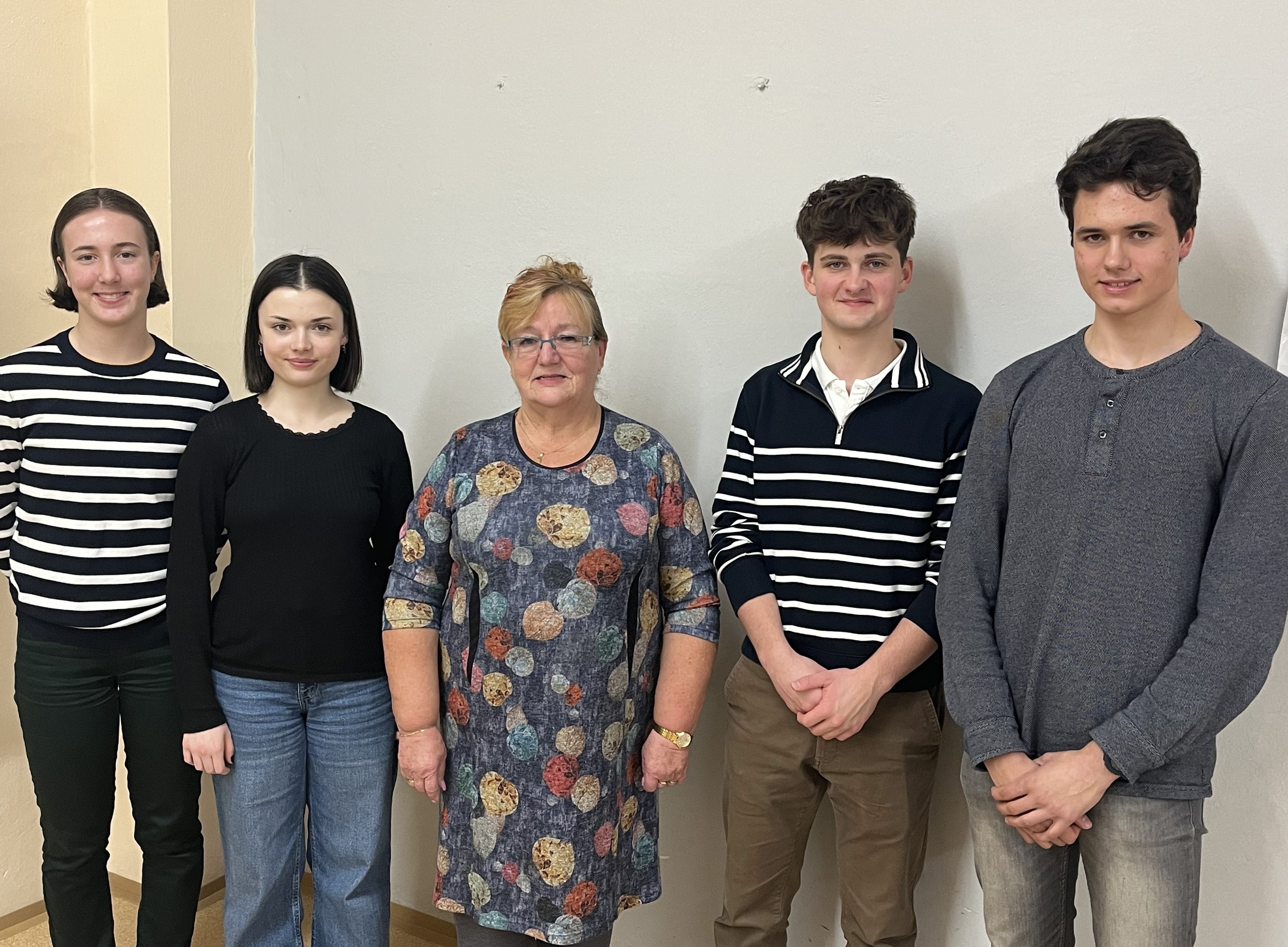
Filip Risto Kohout, Miroslav Musil, Klára Cicvárková, Magdalena Poláková a Marie Petrová z Gymnázia Dr. Antona Randy pod pedagogickým vedením Jana Žitného
Paměť národa existuje díky vám.
Hrdinové 20. století odcházejí. Nesmíme zapomenout. Dokumentujeme a vyprávíme jejich příběhy. Záleží vám na odkazu minulých generací, na občanských postojích, demokracii a vzdělávání? Pomozte nám!