Cyril Pazderka

* 1946

  • "My parents decided I was going to become a gardener, which I didn't enjoy at all. But I just went along. But it was an apprenticeship school where socialist morals ruled. Most of us who were there were children from rural families with Catholic background. We were re-educated and made into socialist people of the future. It was so absurd that I was twenty kilometres from Lednice and I only got home once a month. And that was just to separate me from my family and re-educate me. There was a warming up in the morning every day followed by political news. I think it didn't affect most of us, they didn't produce many socialist men in Lednice I would say. Rather, it bred resentment and defiance."

  • "So my dad and this friend of his went after him and they silenced him, and he finally left, completely destroyed, the agitator. They didn't forget that, so Dad was sentenced to three months for sedition, for a political offence. They let him... they let him... they let him go to jail. In 1956, we had a feast and on the Saturday before the feast there was work in the fields. Apricots were being picked, the harvest was on and so on. The feast was always this big celebration in which the whole village had participated, as well as the family - cakes were baked, food was prepared and so on. And on Saturday afternoon they came to arrest him. It was such a terrible thing for us, that our father was suddenly taken away from us, but also our breadwinner. Because the whole farm was his business - the cattle, the fields. I remember that my dad used to harvest with a scythe and we used to take the plants and bind it into sheaves and bring it in. [The one] who was in the centre of it all was taken away from us and put in jail. It was at that point that I realised how evil and insidious the regime was - the communist one."

  • "Because we were a big family and we all had good relations, he [Brother Joseph from London] couldn't come to us and we couldn't go to him. So we used to meet in Hungary, because their 'goulash socialism' was not so strict. Because he had Austrian citizenship, he could go to Hungary. And we, so "kind" they were, could go there too. So we used to meet in Budapest and then at the Balaton. Because all of us siblings had a lot of children, we sometimes laughed that it would have been better to hire a bus instead of going out in five or seven cars. There really were a lot of us. It was beautiful, not just a family reunion, but also a spiritual one. As a priest, he had contacts in the church around the wolrd, he was interested in politics and things like that. When he came from Austria to Hungary, he brought with him a huge backpack filled with books by foreign publishers - Tigrid's Svědectví from Paris, a Roman publisher of religious literature, and so on. This was then distributed among the people there. A funny thing happened to me. We went home afterwards, and of course we thought that we had to hide the books well so that nobody would find them. So we hid them in the car. And two years later we went back to Hungary. When we were unpacking the things we needed for camping - the tent, the sleeping bags - I found a book in one of the sleeping bags, so it went to Czechoslovakia, back again, and back again to Bohemia. It was almost funny."

  • Celé nahrávky
  • 1

    Jihlava, 24.11.2023

    (audio)
    délka: 01:21:03
    nahrávka pořízena v rámci projektu The Stories of Our Neigbours
  • 2

    Jihlava, 05.07.2025

    (audio)
    délka: 02:18:50
Celé nahrávky jsou k dispozici pouze pro přihlášené uživatele.

Injustice provided us with a natural desire for freedom
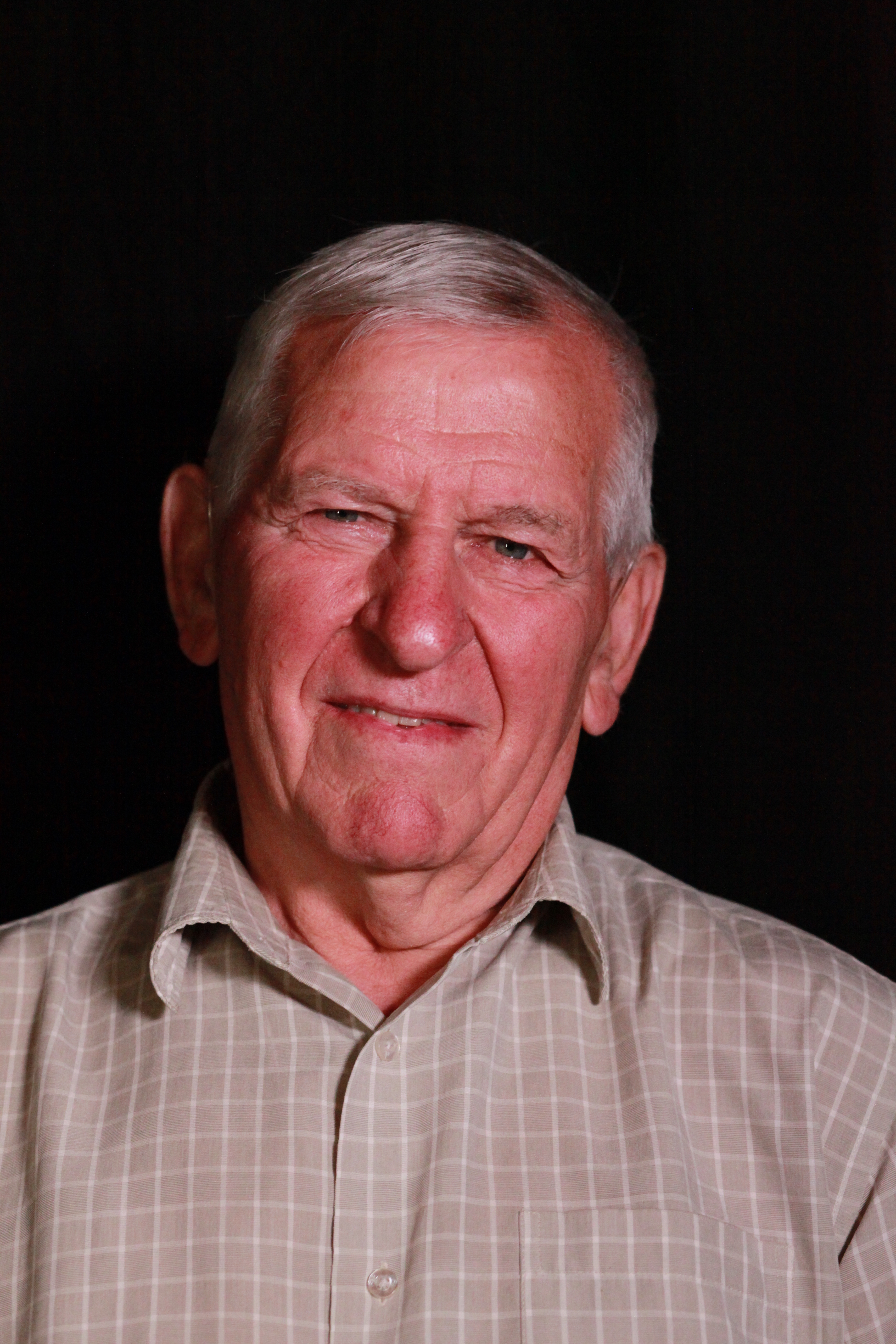
Cyril Pazderka, interview for Memory of Nations, Jihlava, July 2025
zdroj: Memory of Nations

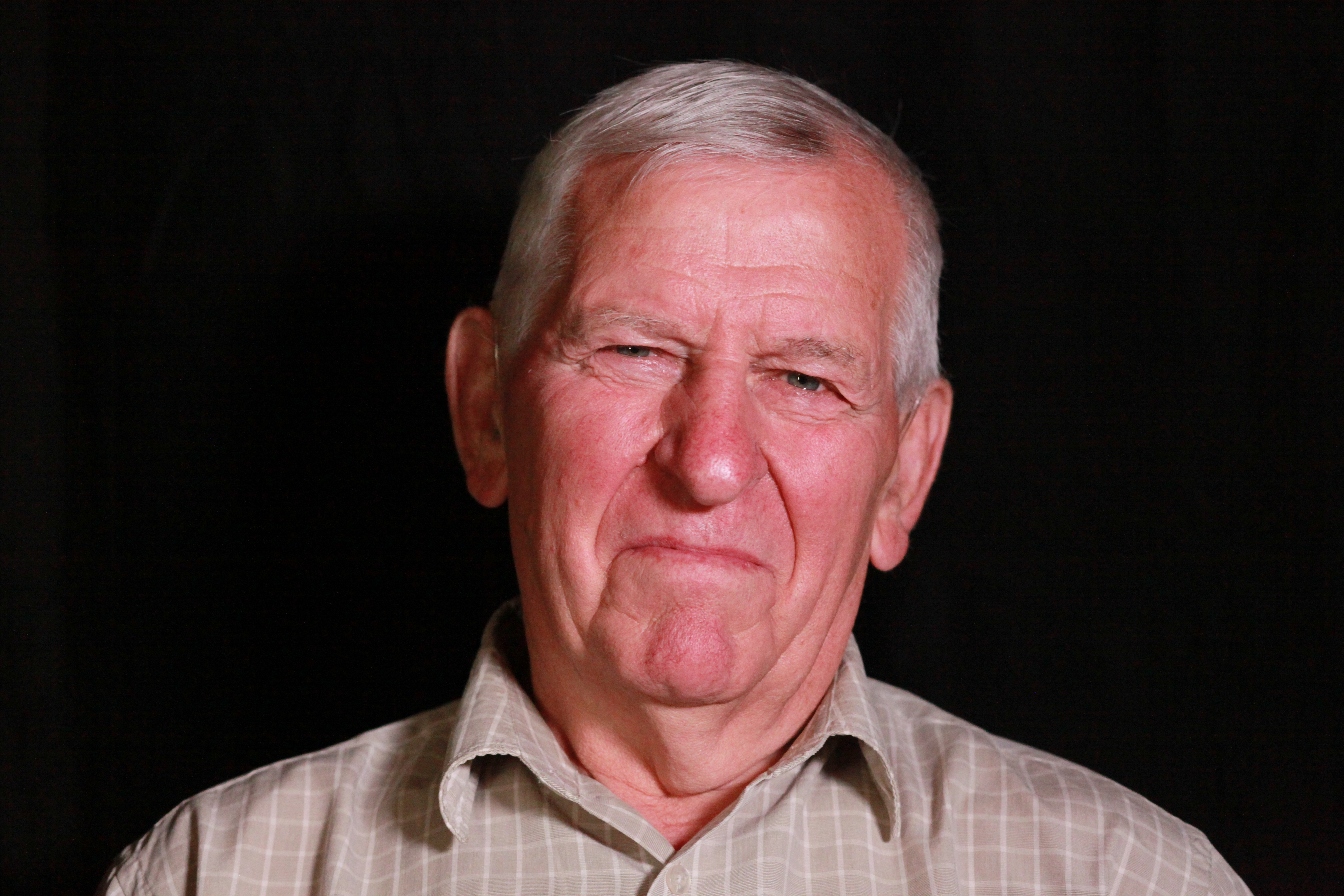
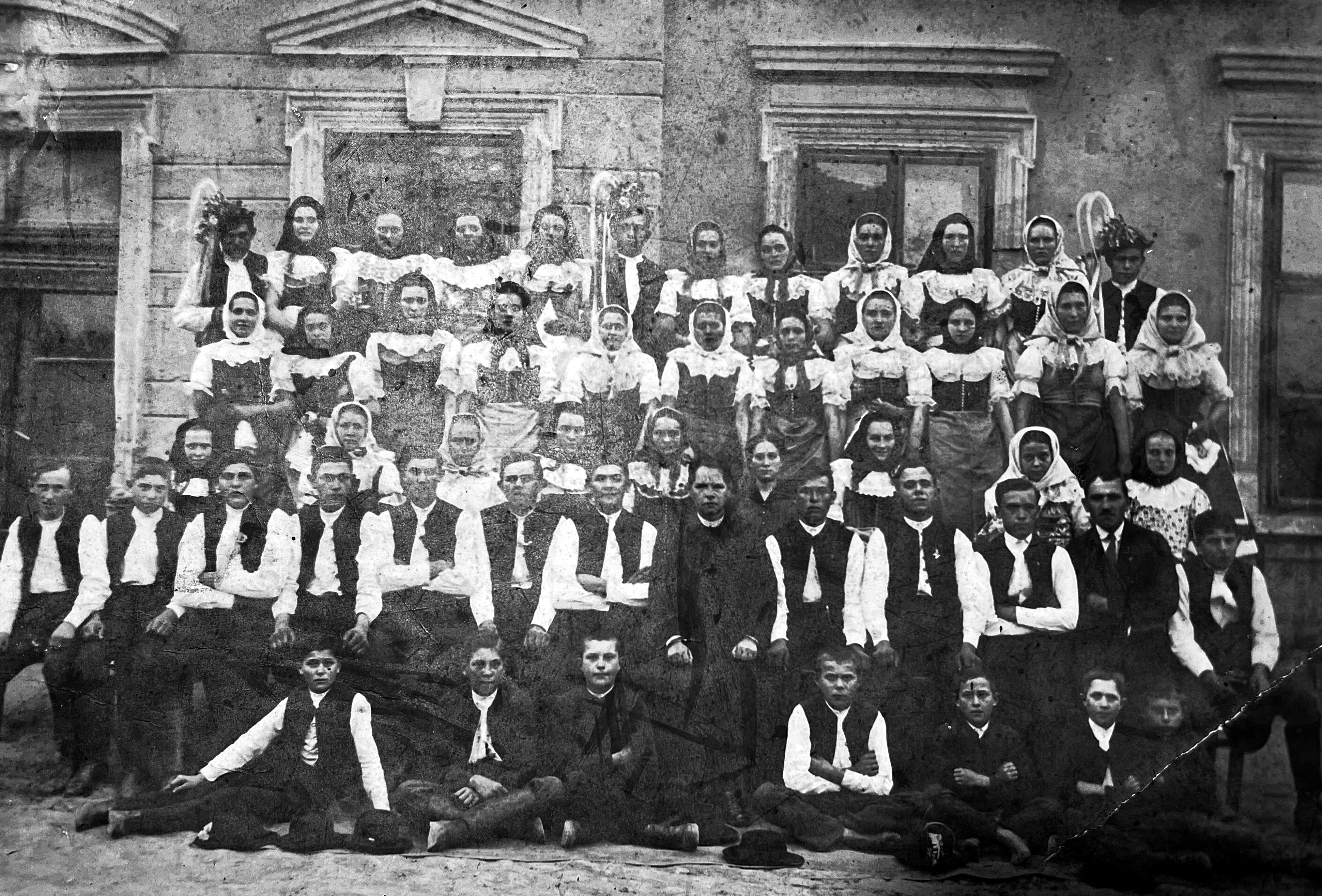
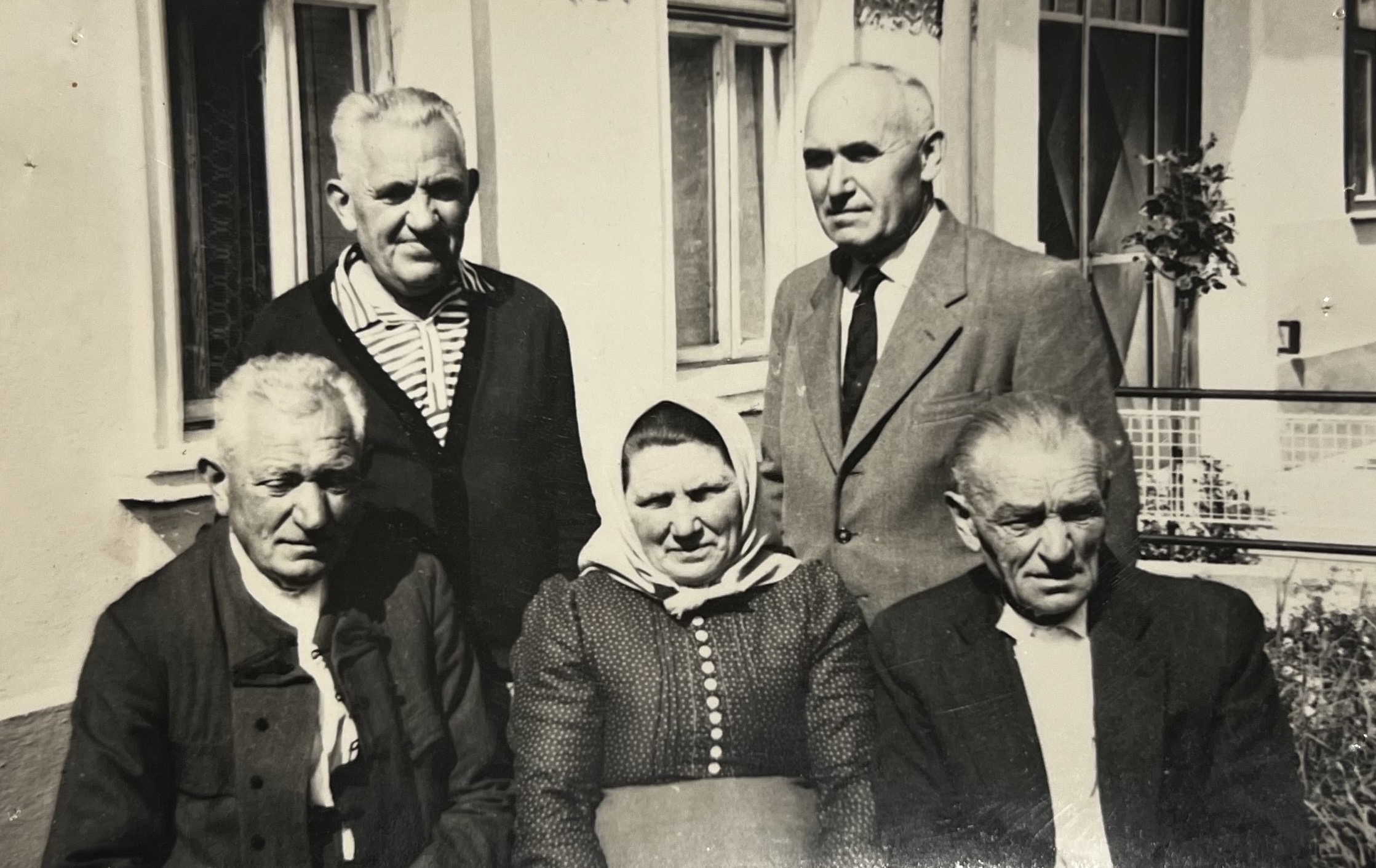
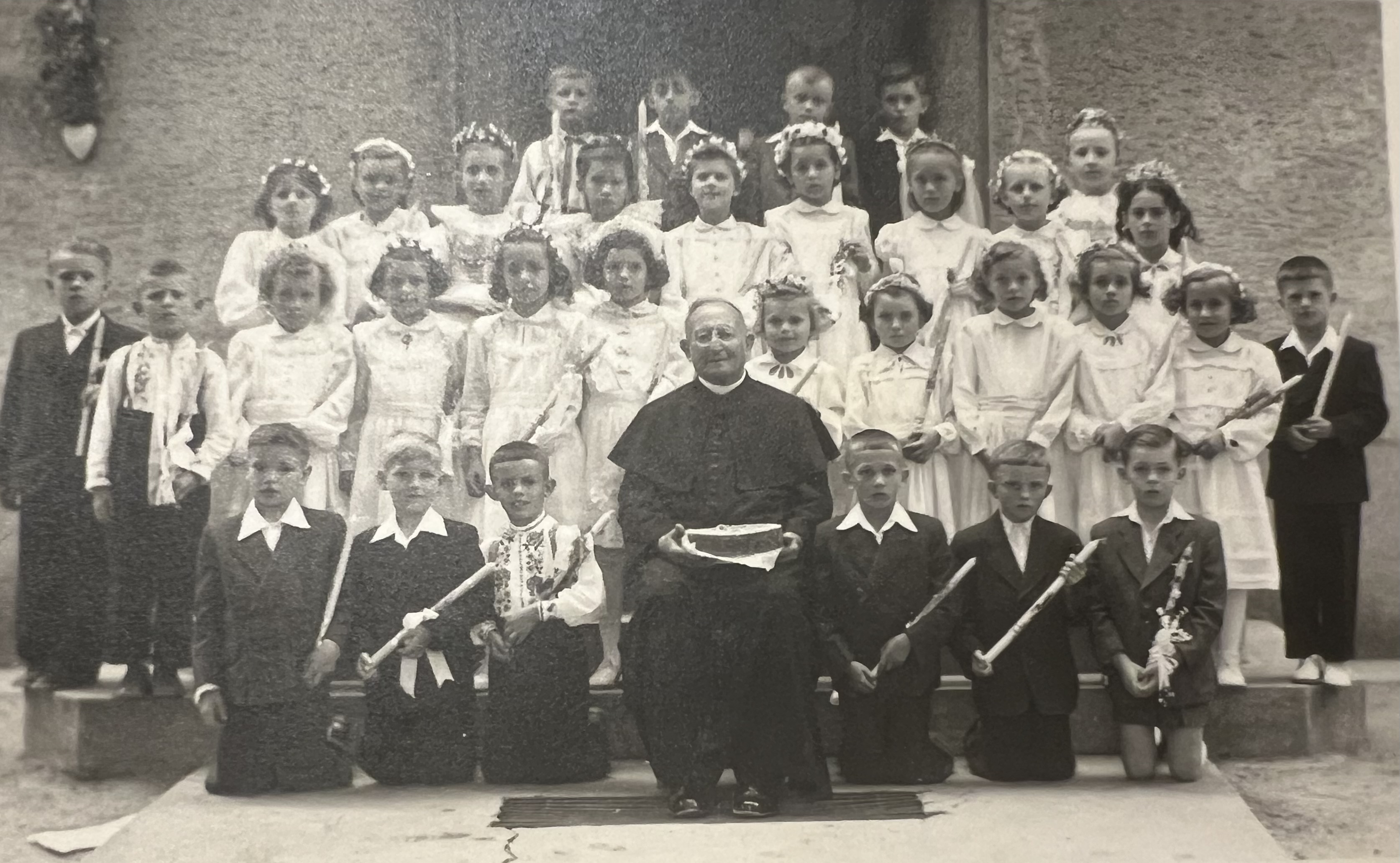
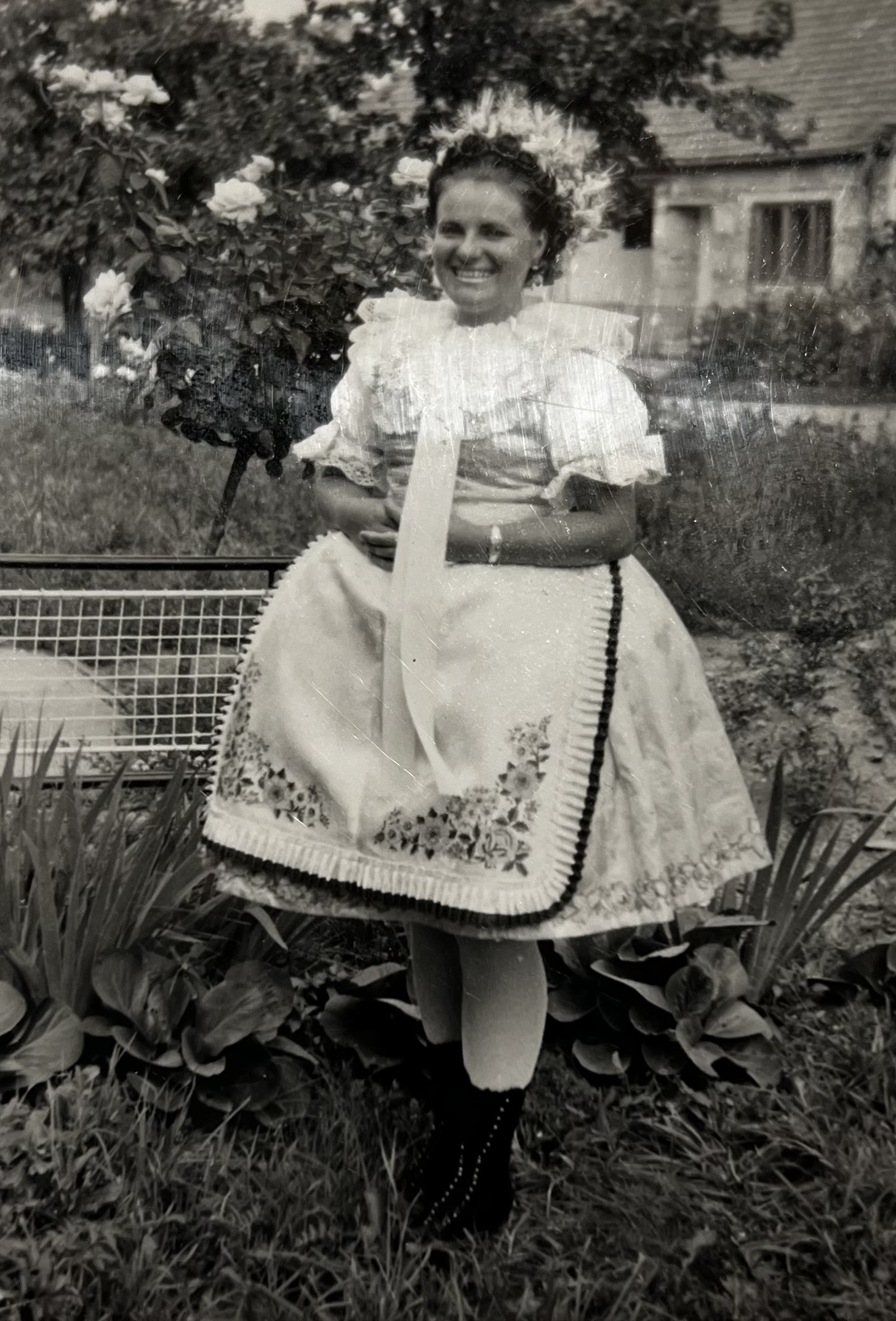
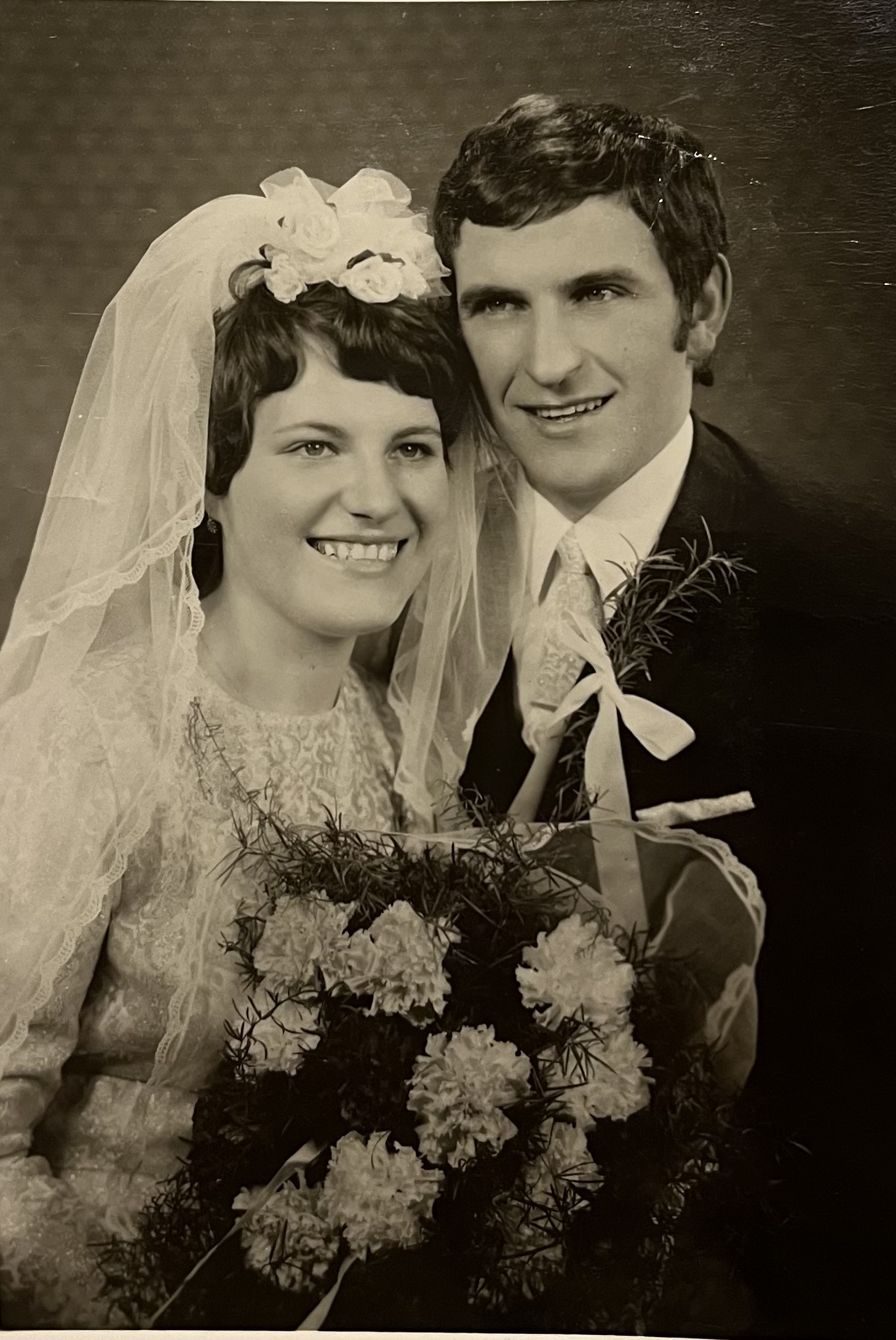
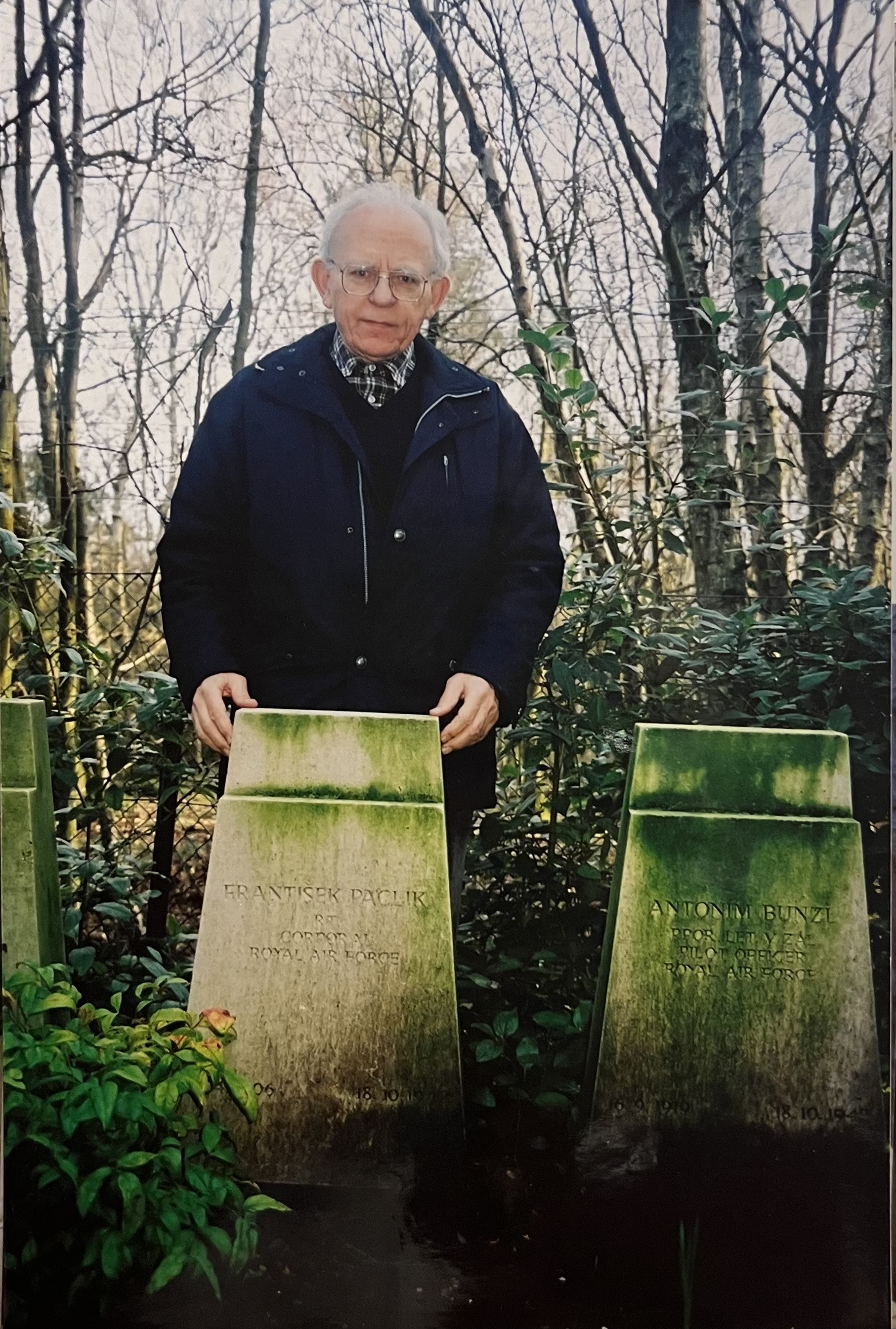
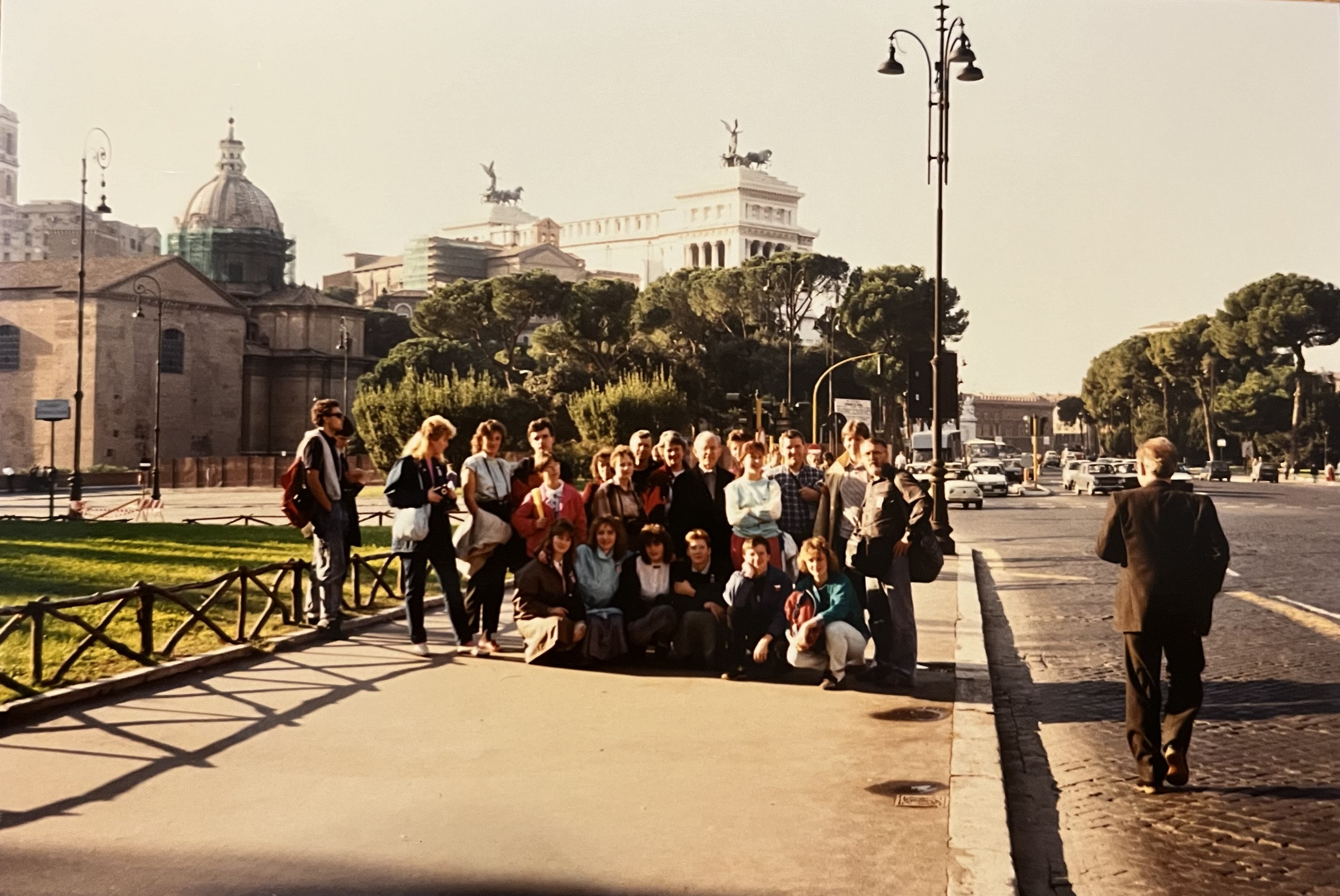
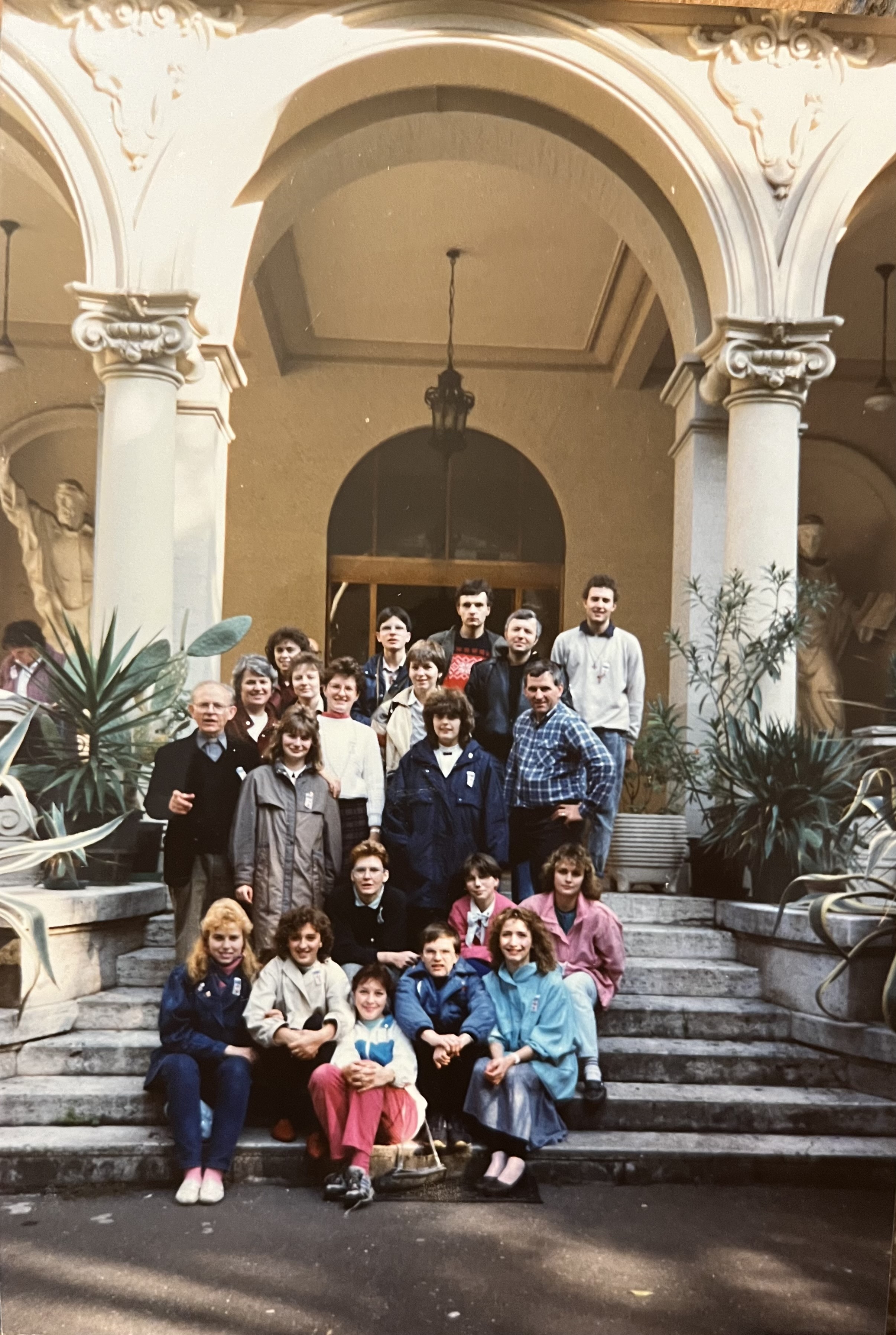
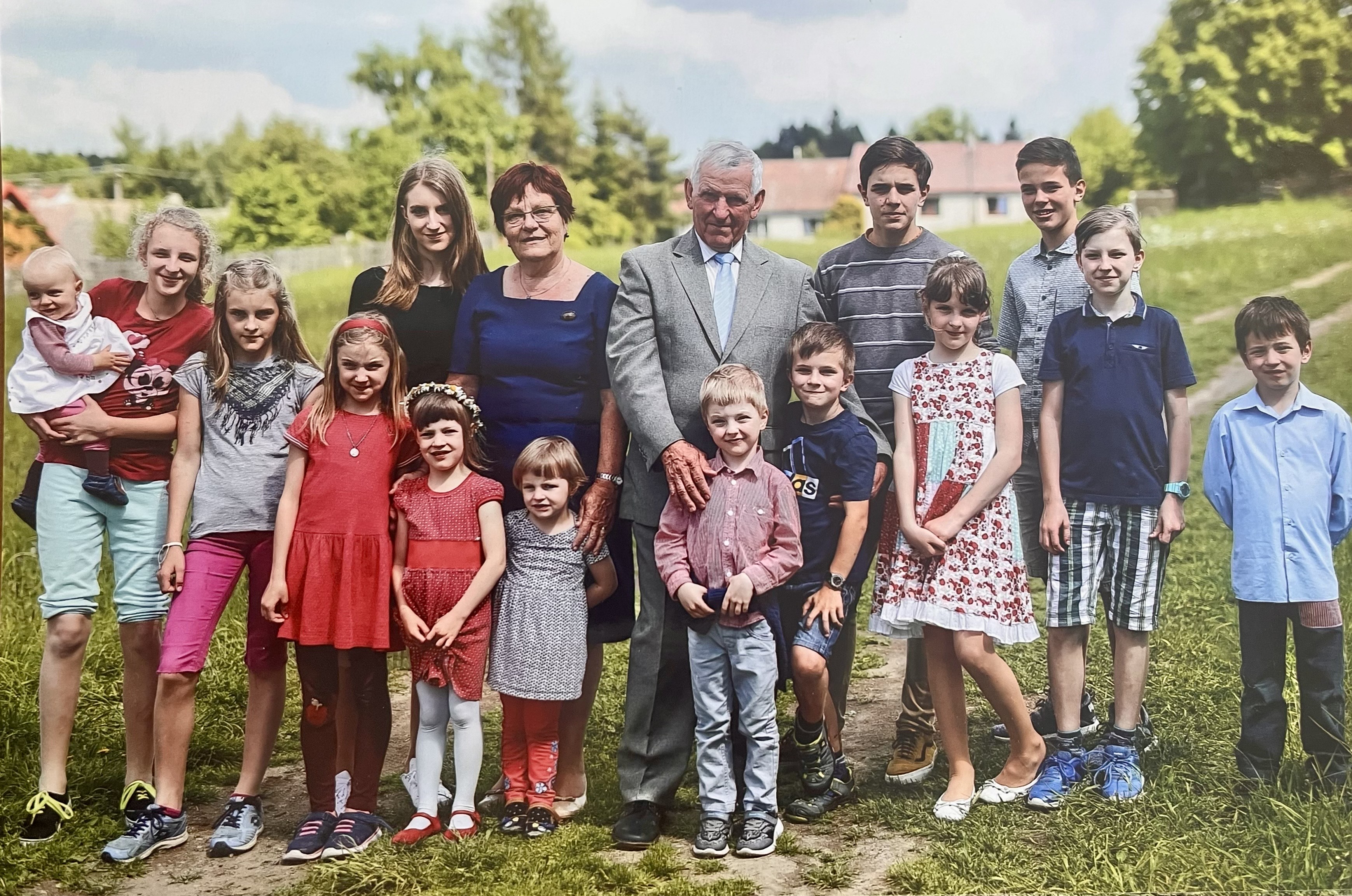
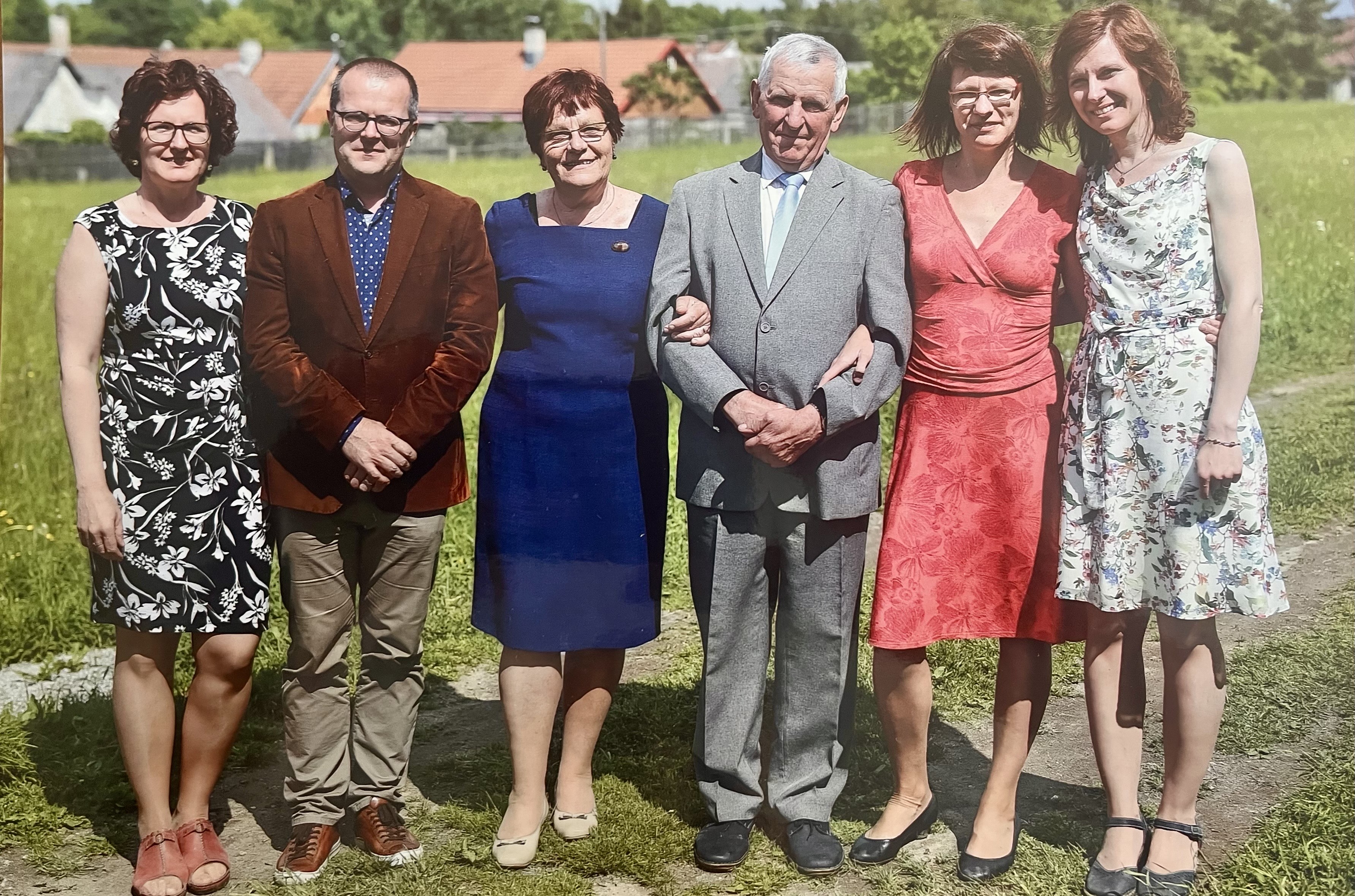
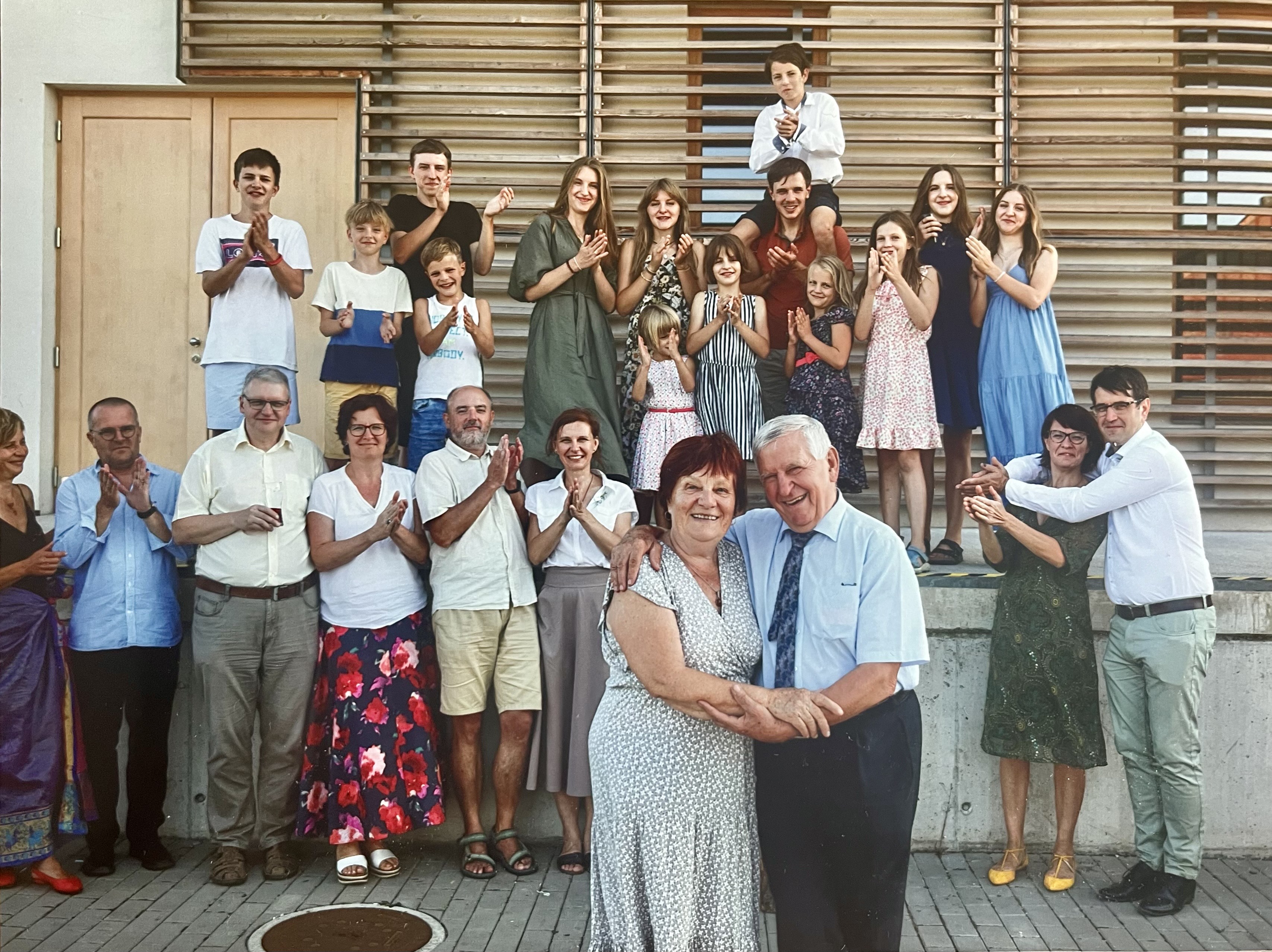
Cyril Pazderka was born on 1 March 1946 in Bořetice in South Moravia as the seventh of eight children of Jan and Maria Pazderka. The family run a farm, was Catholic and his father was a member of the People‘s Party. After 1948 they were being forced to join the JZD, which they refused for a long time. In 1953, brother Stanislav enlisted in the Auxiliary Technical Battalions. His father was sent to Cejl and Kuřim prisons for three months in 1956 for resisting the collectivisation. The family finally joined the agricultural coop in 1959. He attended a municipal school in Bořetice, an elementary school in Velké Pavlovice and then apprenticed as a gardener in Lednice. In 1968, his Brother Josef emigrated to Austria, joined the Jesuits and was ordained a priest in Innsbruck in 1974. From 1975 he worked in London at the Velehrad Compatriot Centre. As the borders remained closed, the family met with him in the Hungarian People‘s Republic, mostly in Budapest and near the Balaton lake. Josef brought religious and exile literature to these meetings, which the siblings took home to Czechoslovakia. In 1972 Cyril Pazderka married and moved with his wife to Jihlava. He and his friends renovated a cottage near the town, which became a place for spiritual meetings under the guidance of the Salesian monks. In November 1989, he participated in the organisation of the Jihlava parish trip to Rome for the canonisation of Agnes of Bohemia and took part in the gatherings in Jihlava and at Letná in Prague. After the fall of the regime, Brother Josef returned from emigration. At the time of the interview (July 2025) Cyril Pazderka lived in Jihlava.