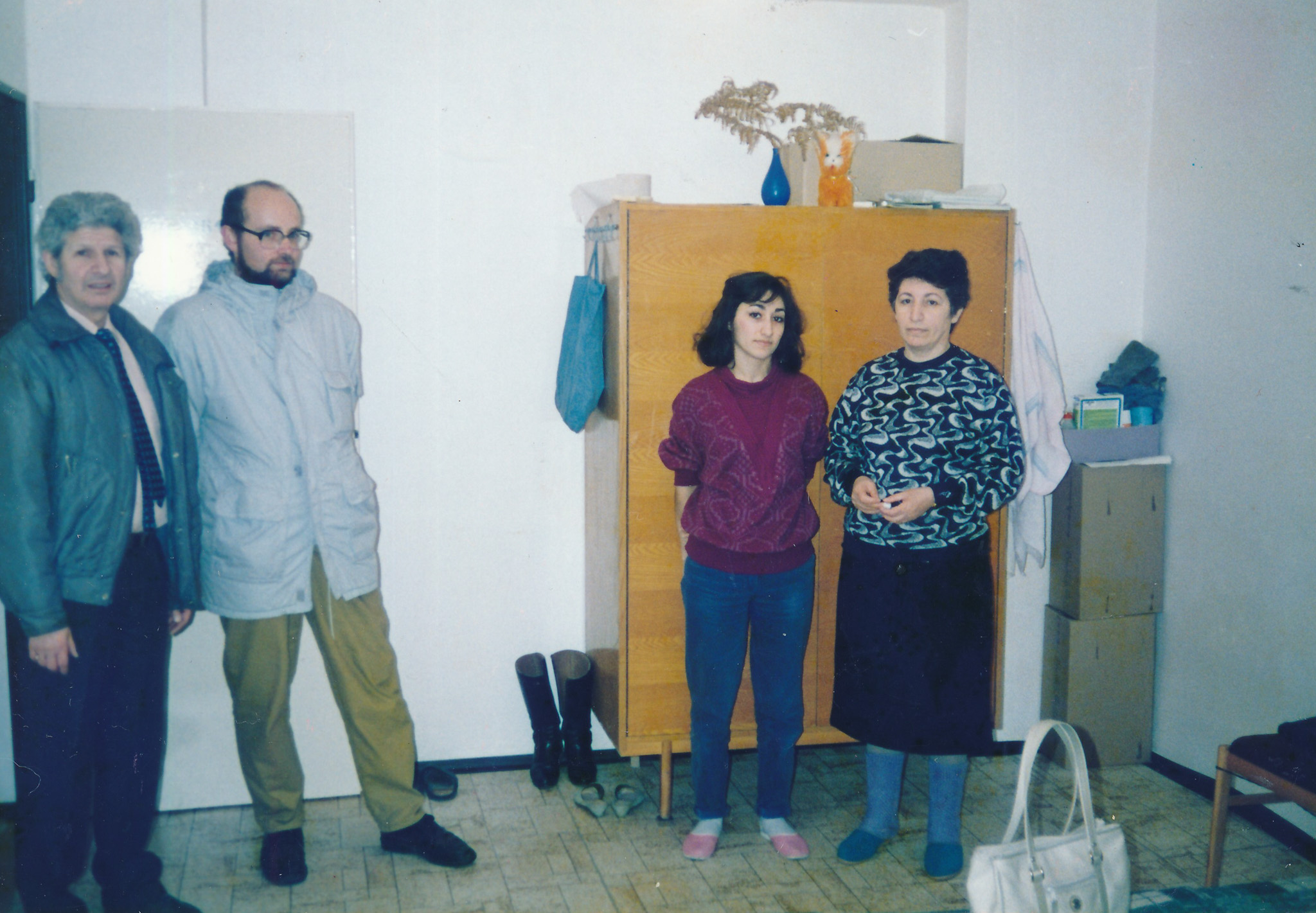
Mgr. Petr Novák

* 1960

  • "There are times when you realise we have no problems at all. We don't have to flee anywhere, we don't have to leave anyone, we don't have to worry about anyone. However, many people in our country do not share this view. After thirty-five years in this business, I state authoritatively that to emigrate and change one's place of life radically, especially under duress, is no small thing at all. Even if the motives may be primarily non-political, but economic, so taking a suitcase or two and a child or two and finding yourself from Syria or Ethiopia suddenly in Bělá pod Bezdězem or Havířov... I always imagine if it were the other way around, that one would find oneself in Addis Ababa or Damascus and have to start a new life, including language, including background, property and everything else. I am not being at all sunny and naive about migration; I am well aware of all the pitfalls and dark corners that the field entails, but to downplay the very fact of migration is something that has always annoyed me and actually offended me on behalf of those people.

  • "It sounds very solemn, 'good for humanity', but in daily practice, sometimes it was really bizarre situations where this generation of people came to the office and had to accept that it was just an office, which since the time of the Austrian monarchy has had its almost indestructible procedures, whether it's the filing service, whether it's the so-called clerks, you have no idea what it is, but it's a piece of paper and there's a hierarchy of signatures starting with the clerk and ending with the signature of the minister. And this system of successive signatures and approval clauses has been in operation continuously since the Austro-Hungarian Empire. And even this generation of free-thinking dissenters hasn't got to grips with this - and maybe that's a good thing, because to loosen and dissolve some of the basic things completely could mean some kind of confusion or chaos. The truth is that those old Interior Department employees often convinced, or tried to convince, the newcomers that only they knew how the market worked, how the procedures were, and that if they were fired and they left, the whole thing would fall apart and the country would collapse. Of course, that would not happen, and it didn't happen. It was a matter of recognising who was really so capable that it would be a shame to get rid of them, and for whom the loyalty is just really played out, and it was a kind of self-preservation instinct to stay where they are."

  • "Ironically, my biggest annoyance happened at FAMU when we were doing a year-long thesis for a Finnish student who wrote a script about Jesus Christ finding himself in Prague in our time, walking through the streets of the city and having to come to terms with the situation. Well, it was with the blessing of the school, so we were filming with a big three-meter cross in front of the National Committee of Prague at five in the morning, and within half an hour, three comrades from an old Škoda got out, and the whole crew was then taken to Bartolomejska Street for questioning. It's a pity that there were no mobile phones then, because the picture of the three policemen carrying the three-metre high cross as an object of pride is almost unforgettable. We were threatened with expulsion from school. The management of the faculty, led by the dean at the time, stood up for us, saying that it was school work, that it was not a provocation. However, the Finnish colleague was expelled, and the whole thing was conceived as an anti-socialist provocation to disrupt the peaceful course of the local elections that were to take place that very weekend. I was present at about two of the three interrogations, ironically in the building in Olšanská Street, where I also worked for a short time a few years later as an employee of the Ministry of the Interior, and I believe that several people who worked there at the time and may have even talked to me might have met me in the canteen or in the corridors."

  • "After the coup, when the archives were opened, because I'm basically quite a curious person, I thought, 'Should I ask if there was a file on me, if anyone was interested in me or not?' And eventually I decided to write there. At that time, it was in Pardubice; you had to go to the archives. And I got a reply. There were three possibilities: either they didn't keep anything, they weren't interested in anything, so zero. Or they kept something, they were interested in me, but it was shredded, or three: they kept it, and the file was preserved. In my case, option number three. So I thought: 'Should I go to Pardubice? Should I? But what if I find out something from my circle of friends or, God forbid, family members, but in the end, curiosity won out, and I went to Pardubice. There I was presented with a volume of a so-called person of interest called Mák for local study, but not with a G, but with a K, which hurt my feelings a little [his codename was Poppy (Mák), he wished for Magician (mág) - transl.]. And there were 17 pages of just piffle. But from the piffle, I deciphered two essential pieces of information. One, that at FAMU, one of the academic officers and members of the faculty of the film and television department was a snitch. He was always mildly anti-regime. And I read such gems there as that the student Novák criticised Czechoslovakia as a country from which one could not travel freely, or that I was interested in the Erasmus Rotterdam Prize for Václav Havel. Then, after a while, I met him on the street in Prague. He didn't recognise me, and I knew he was no longer working at FAMU, so I let him pass on. I didn't say anything to him. I won't mention his name, but he worked in the production area at our faculty. And the second part of that volume was about our Catholic youth. I know that Father Kohlíček sent me at that time with some parcel (whether it was rosaries or canticles) to the Archbishop's Palace to Cardinal Tomášek to give it to him. He, as a fifteen or seventeen-year-old boy, simply received me kindly in his study. I was intrigued that there was a transistor radio between us, and Rusalka was singing her Aria on the Marigold at full volume (maybe it was Gabriela Beňačková). At the time, inexperienced and naive or stupid as I was, I thought, that's so weird that he doesn't turn off the radio when he has visitors. And of course it was because of the wiretaps. Even this little visit was recorded and interpreted as a liaison between Catholic youth and the Archbishopric of Prague. So if I wanted to, I could make a little bit of a dissident out of myself, but it wouldn't be honest."

  • Celé nahrávky
  • 1

    Praha, 04.12.2024

    (audio)
    délka: 02:22:48
    nahrávka pořízena v rámci projektu Stories of the 20th Century TV
Celé nahrávky jsou k dispozici pouze pro přihlášené uživatele.

Emigrating and radically changing your place of life is no small thing
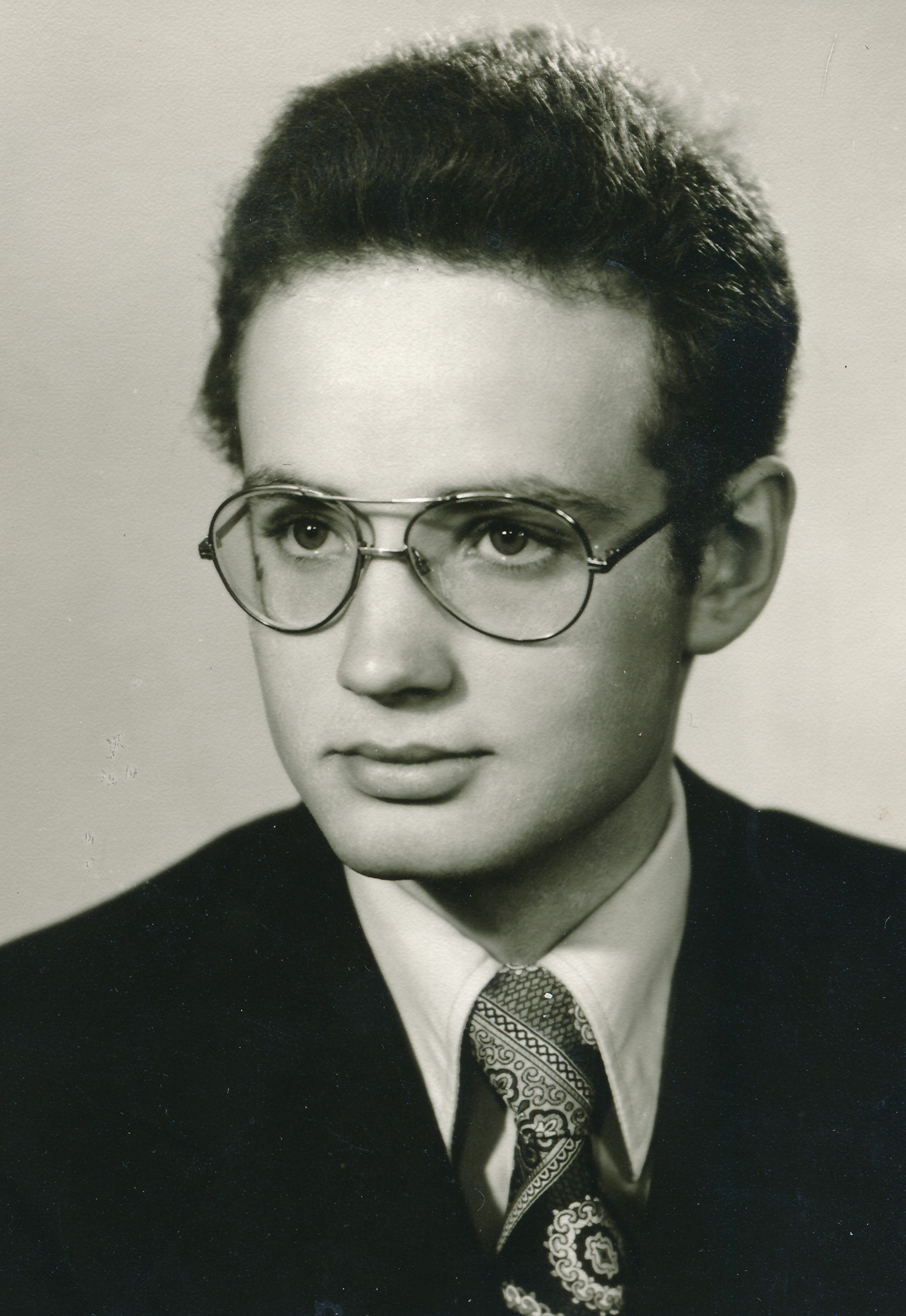
Photo from the folk art school, 1979
zdroj: Witness archive

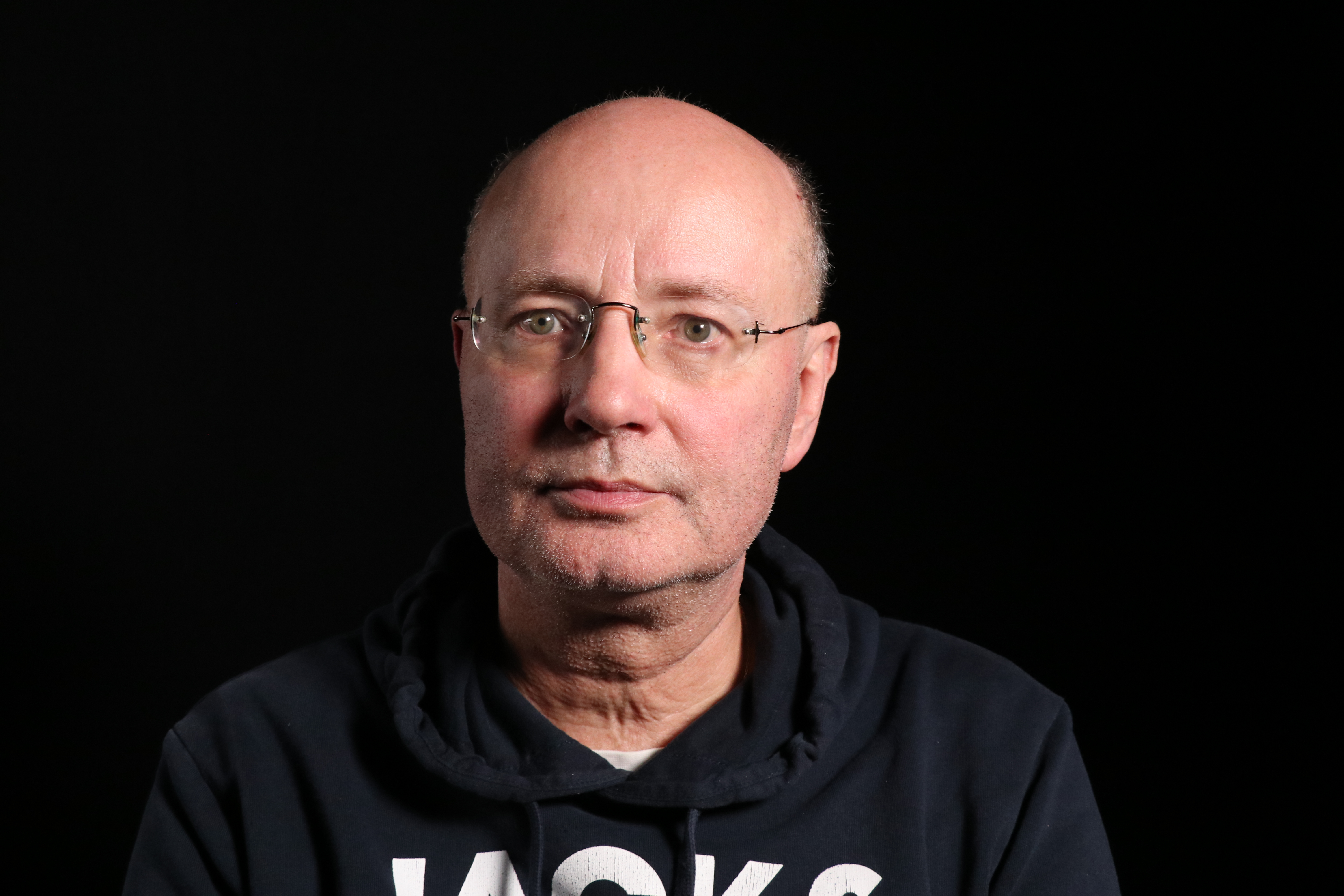
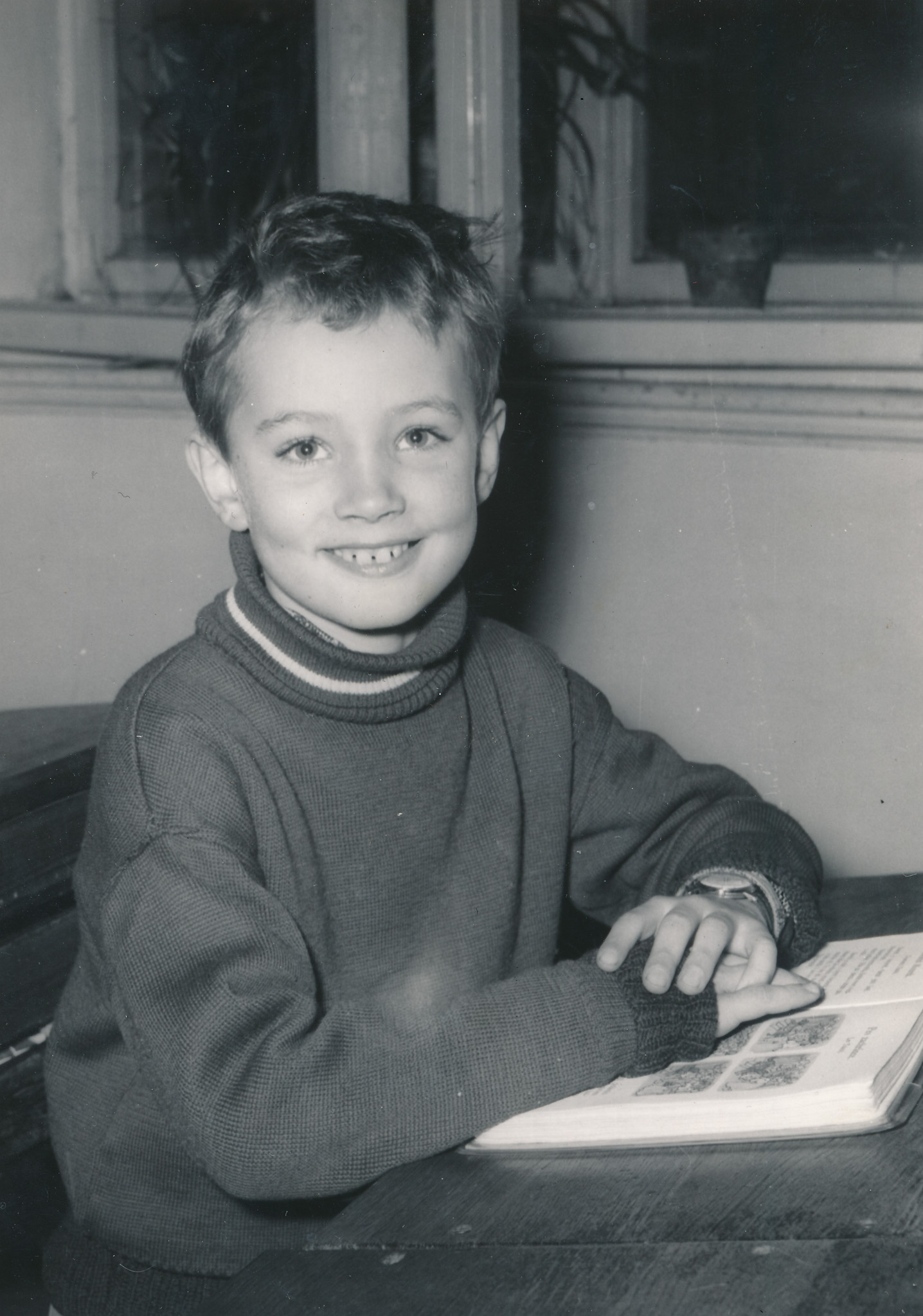
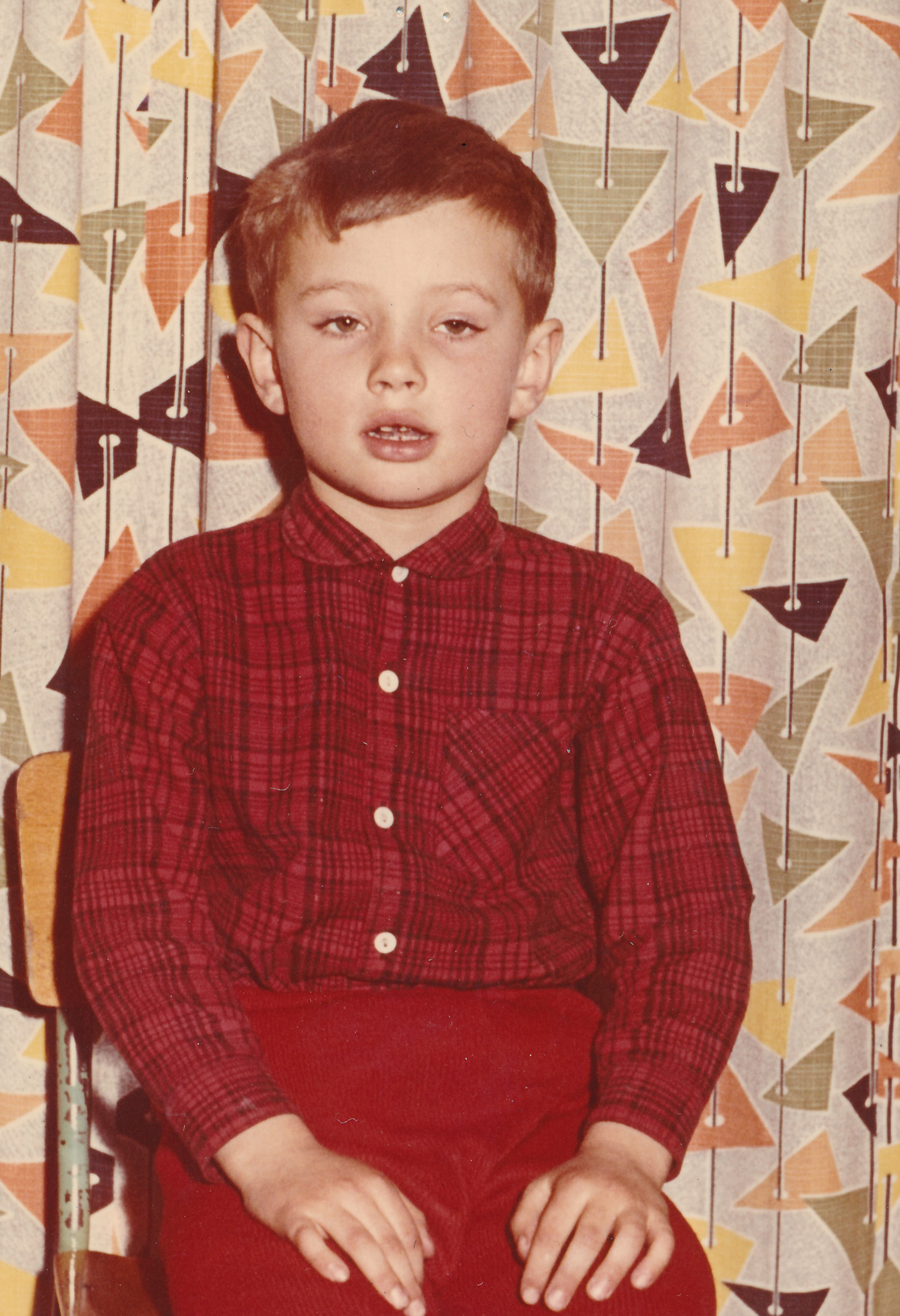
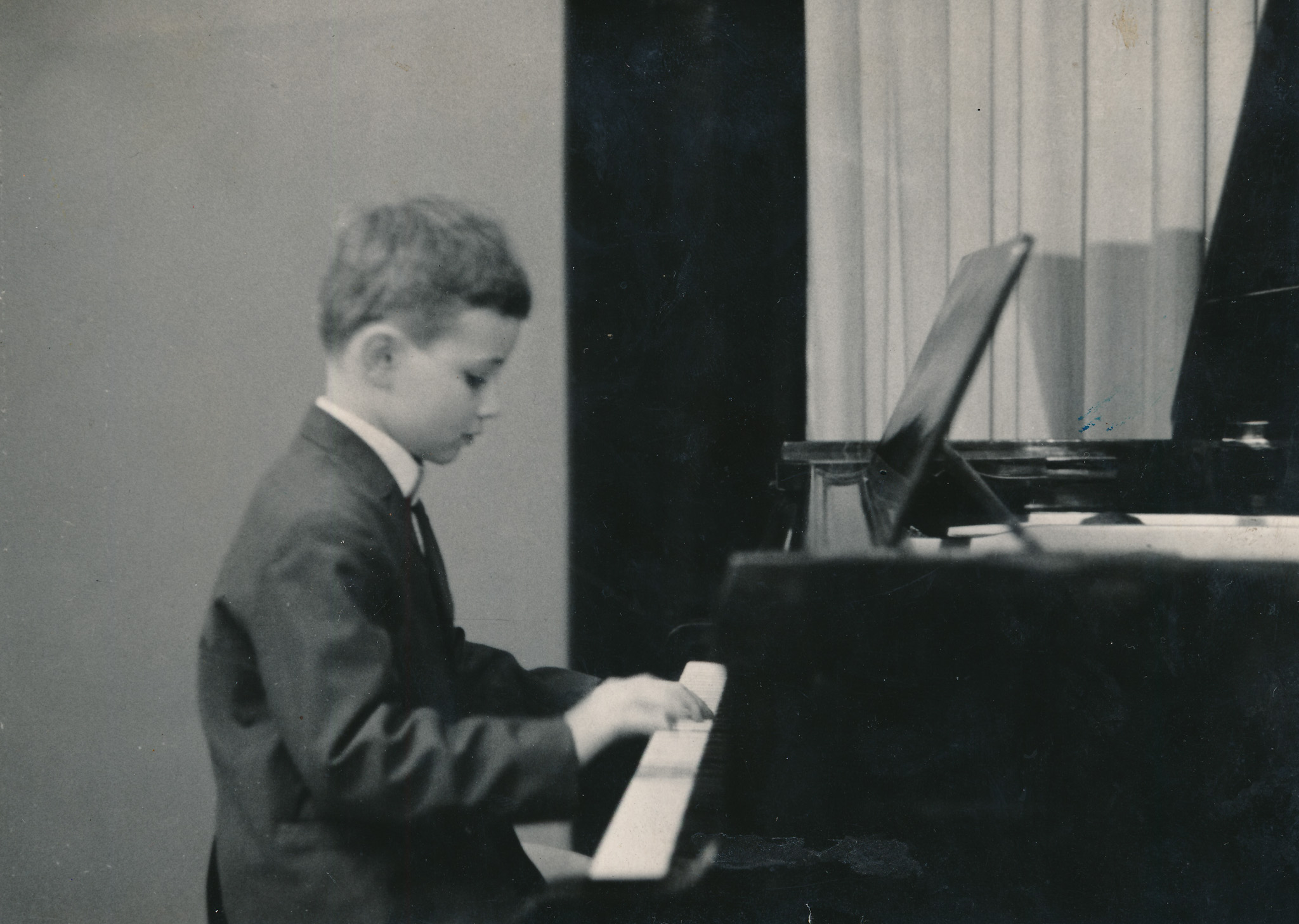
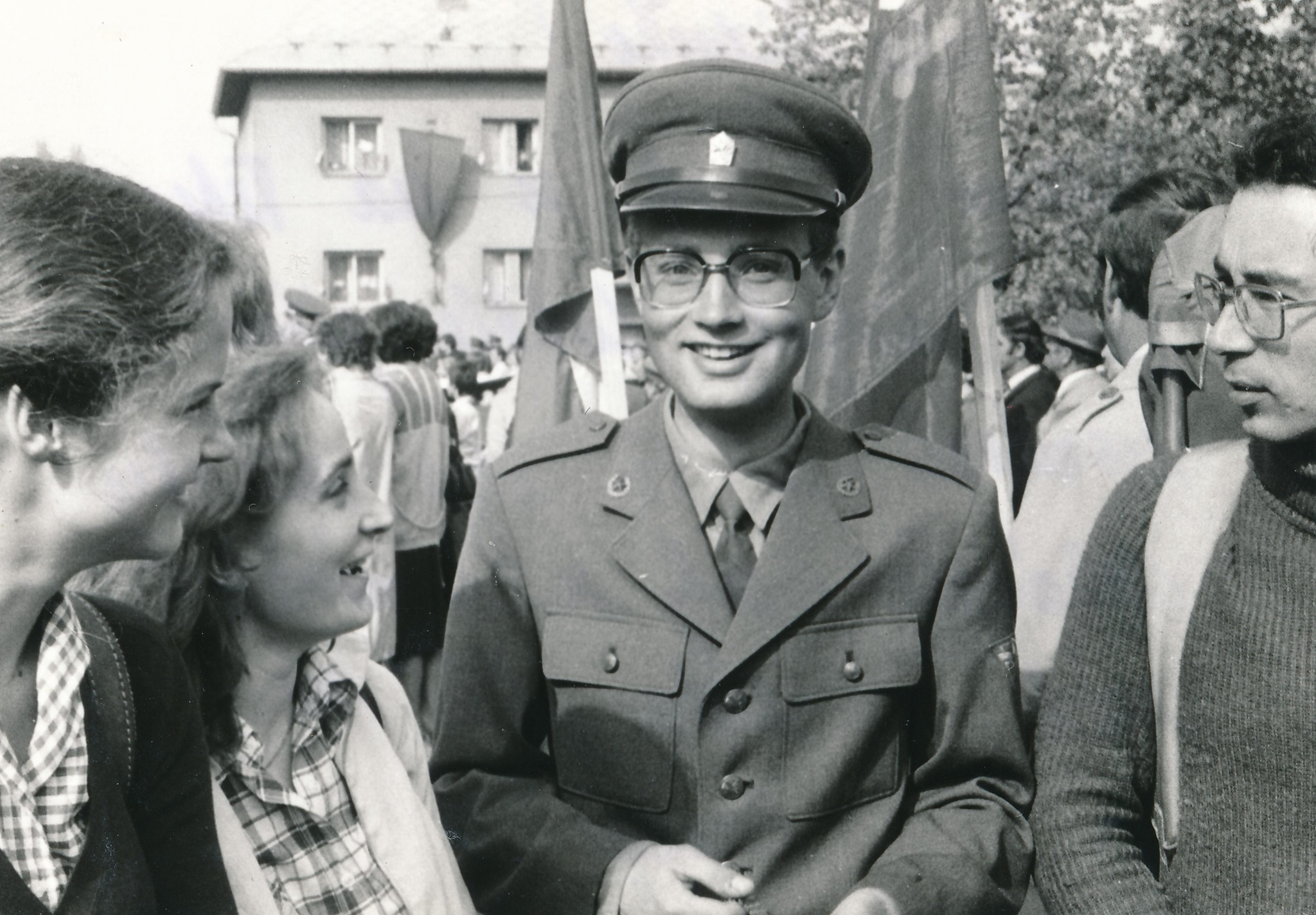
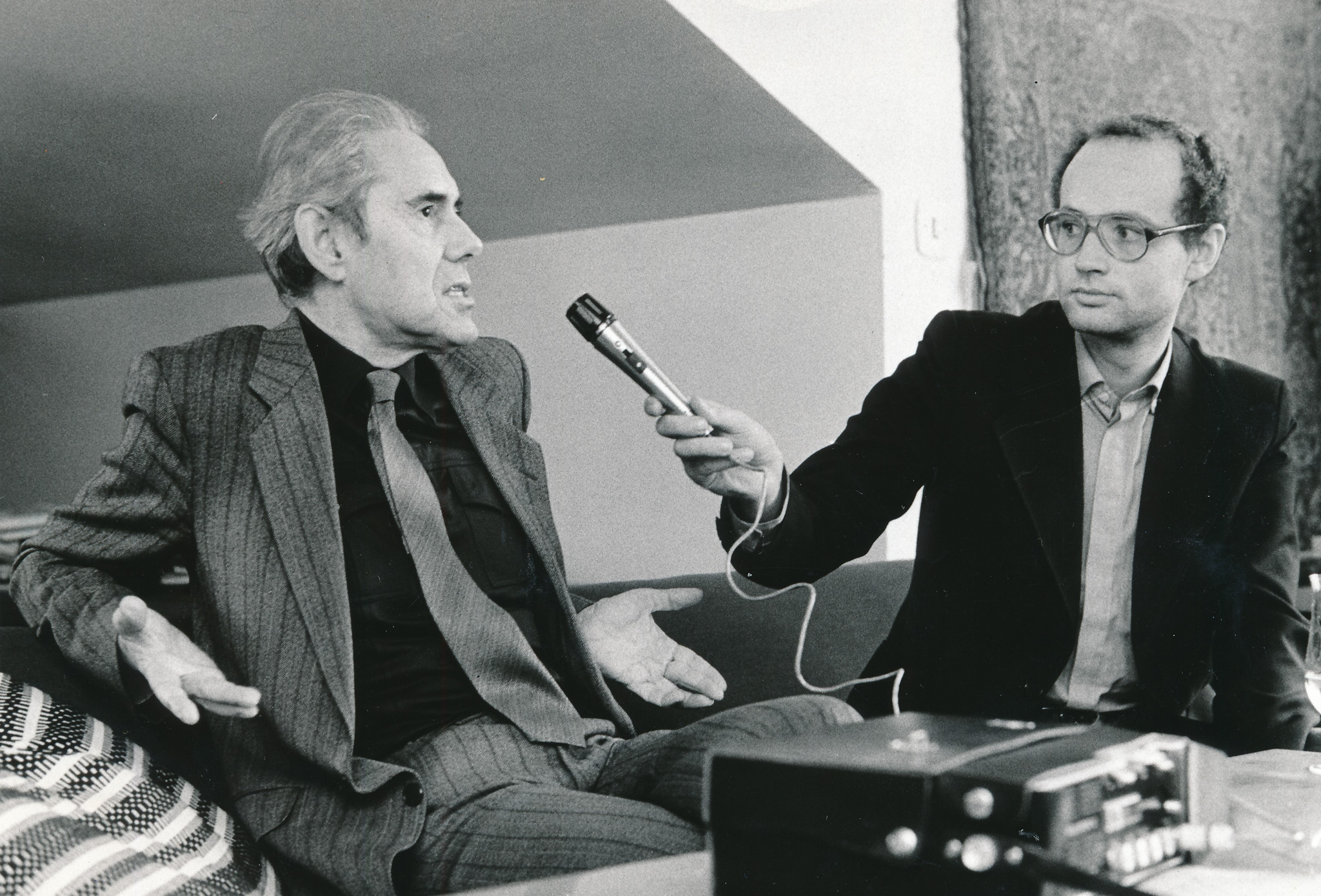
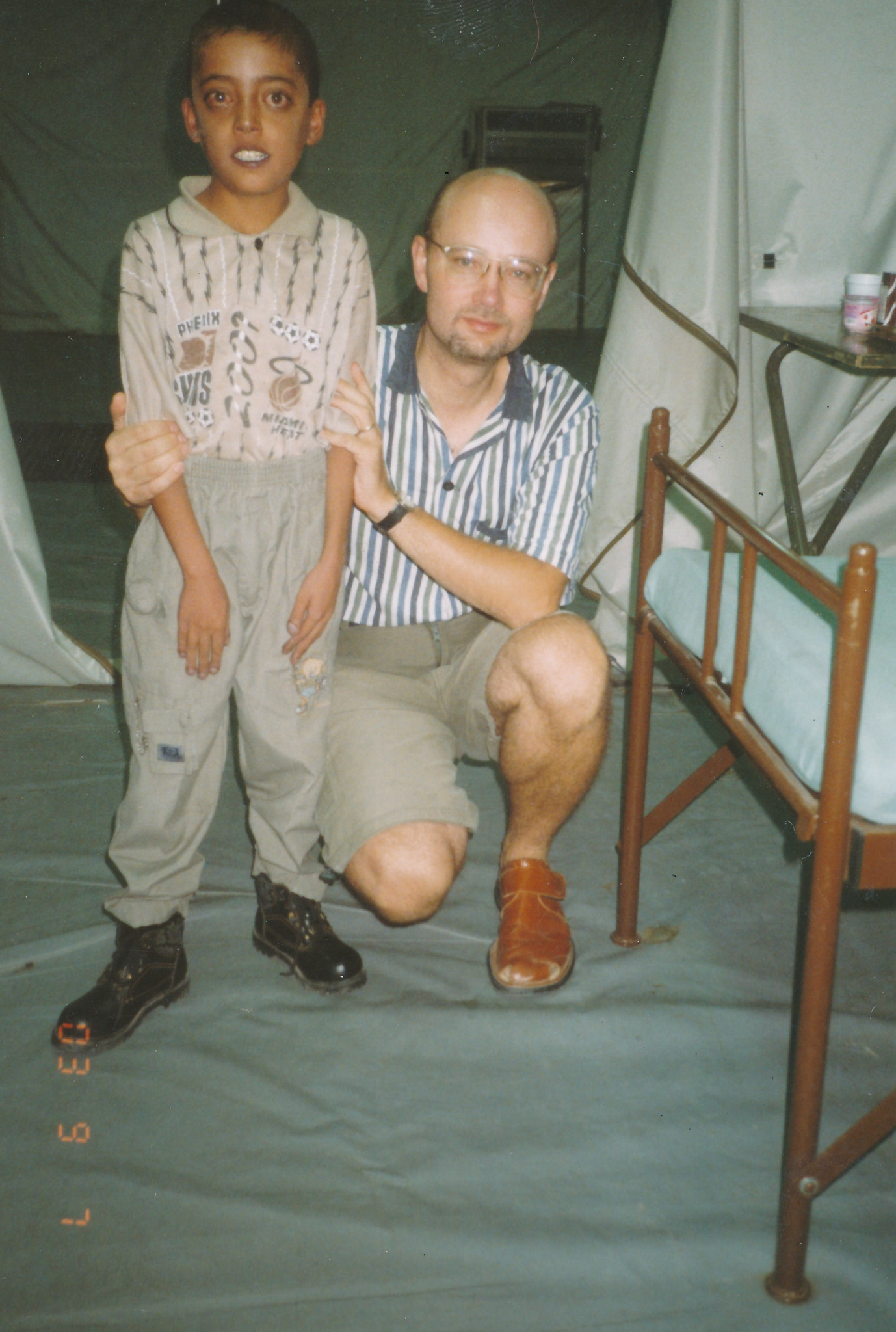
Petr Novák was born on 2 November 1960 in Štvanice, Prague, into the family of Marie and Miroslav Novák. He spent his childhood and adolescence in Prague‘s Holešovice, where he lived with his parents and brother Jan. He also spent a lot of time in the Moravian town of Kyjov with his grandmother, Ludmila Svozilová. He grew up spiritually in the Catholic community around the churches of St. Anthony of Padua and St. Clement, where his spiritual development was influenced especially in the 1960s and 1970s by Father František Kohlíček, a political prisoner of the 1950s. In addition, he attended the drama club of the actress Jiřina Steimarová, thanks to which he played in several film and television children‘s roles. In 1980, he entered FAMU, majoring in film and television production, which he graduated from in 1987 with a two-year break. He then joined Krátký film Praha, and in 1987 married Ludmila (née Muroňová), with whom he raised two sons, Vojtěch and Ondřej. After the revolution, he learned that he was being monitored by State Security for his student and Catholic activities. In 1991, he joined the state services, specifically the newly established Department for Refugees of the Ministry of the Interior. During his nearly thirty-five years of service (part of which as deputy director of the department), he was present at the birth and life of Czech asylum and migration policy, witnessed the influx of displaced persons from the former Yugoslavia, Chechnya and, most recently, Ukraine, and was involved in resettlement programmes and the Medevac programme. He lives in Břevnov, Prague.