He couldn‘t live a lie
Stáhnout obrázek
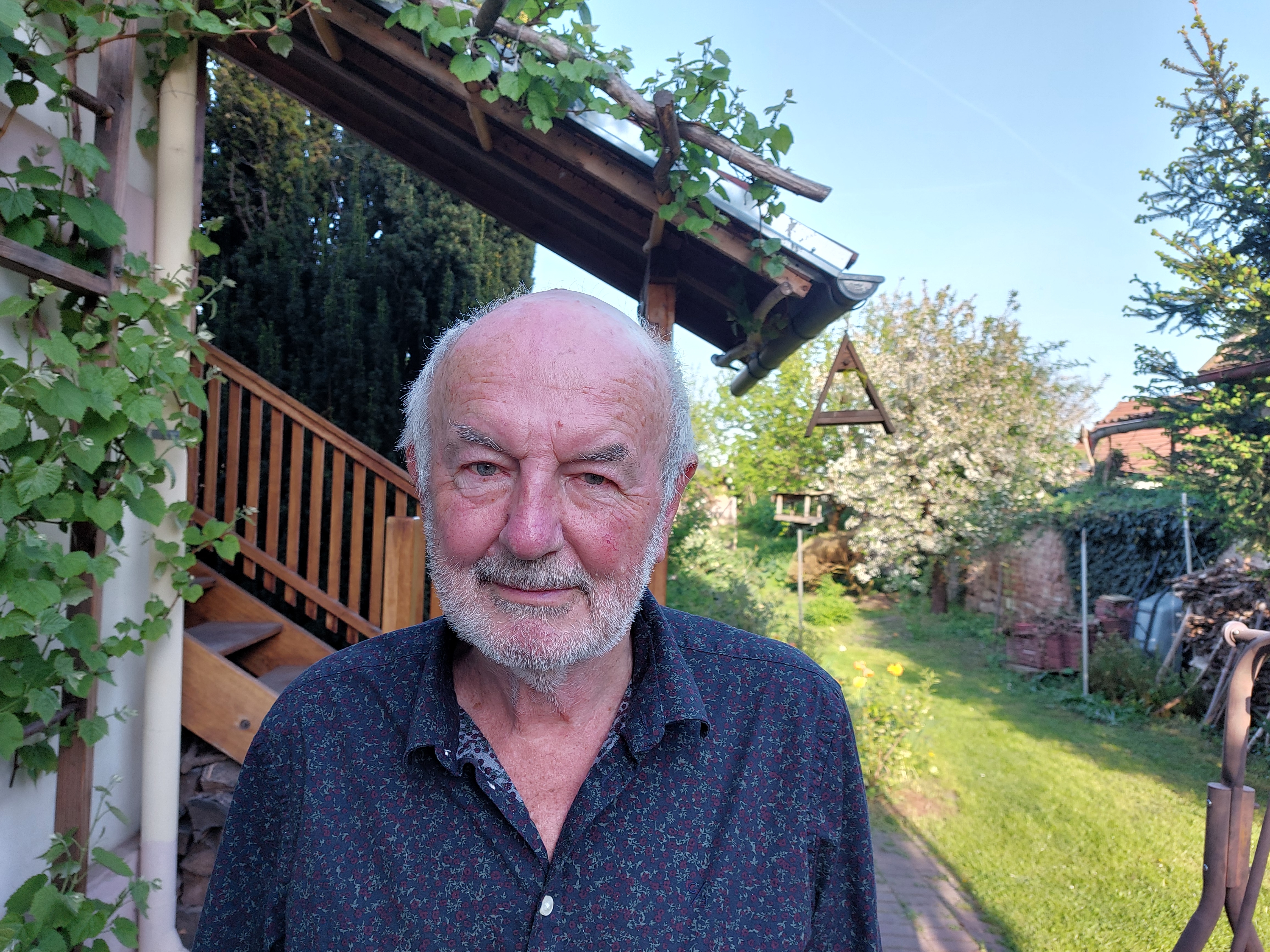
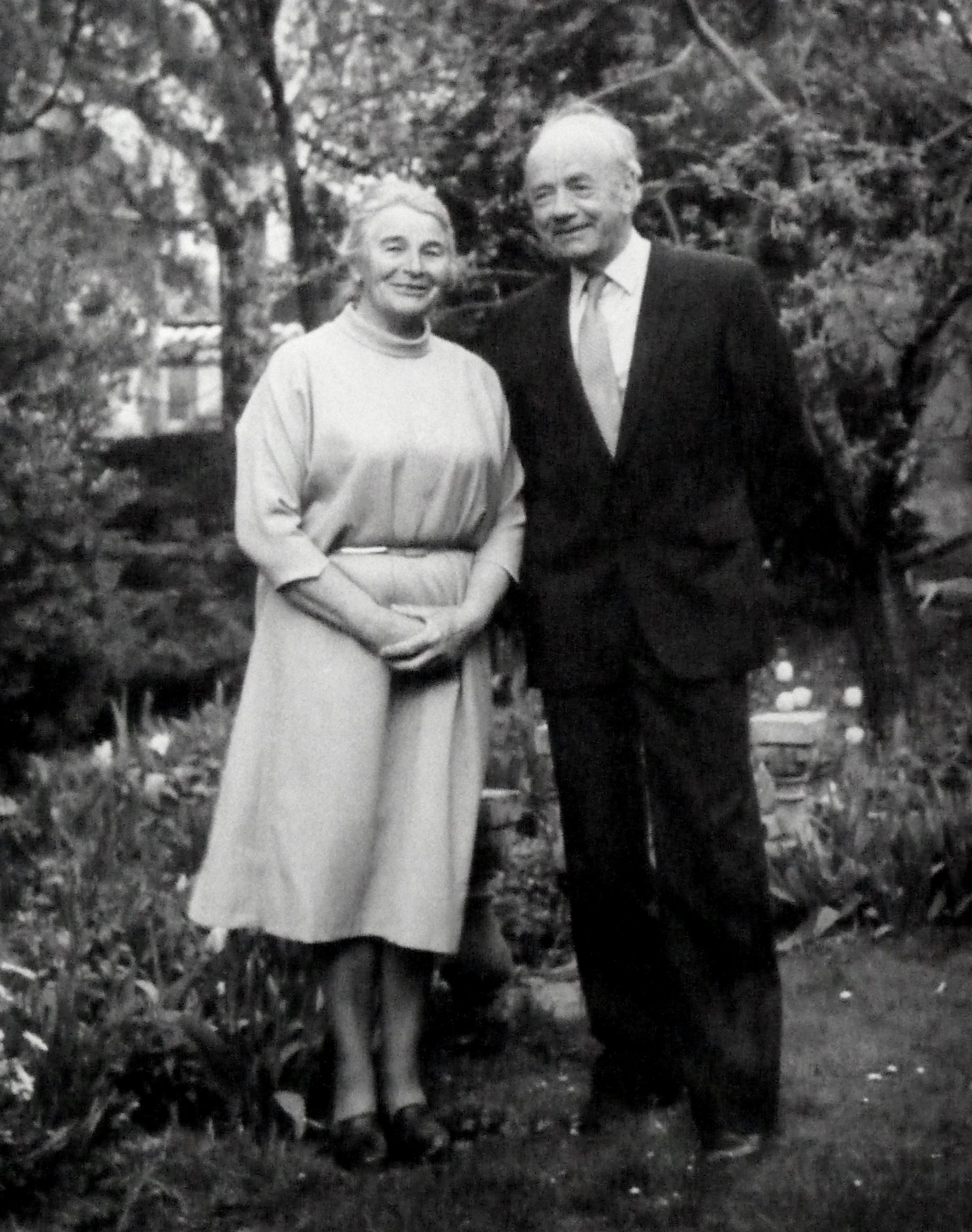
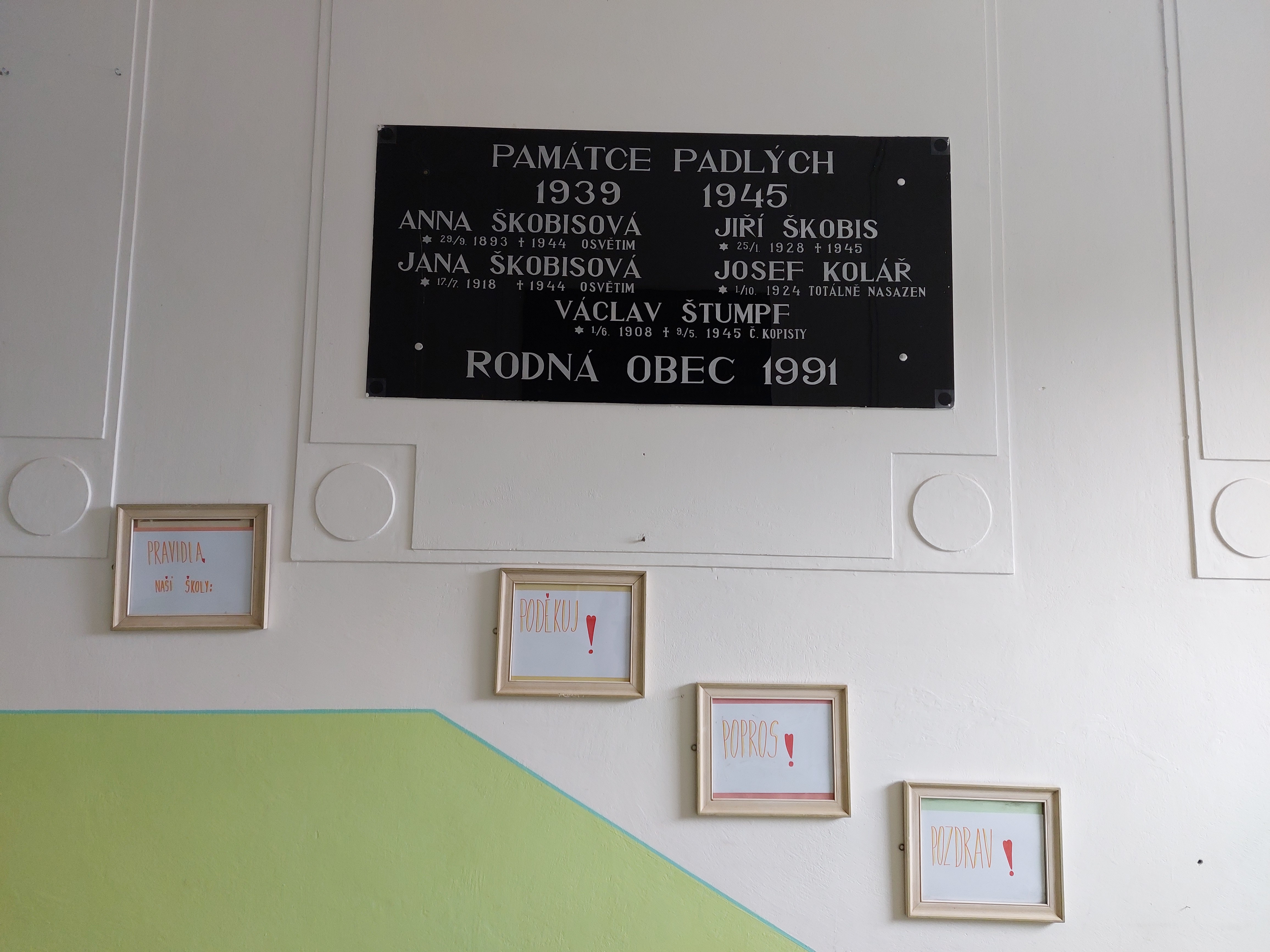
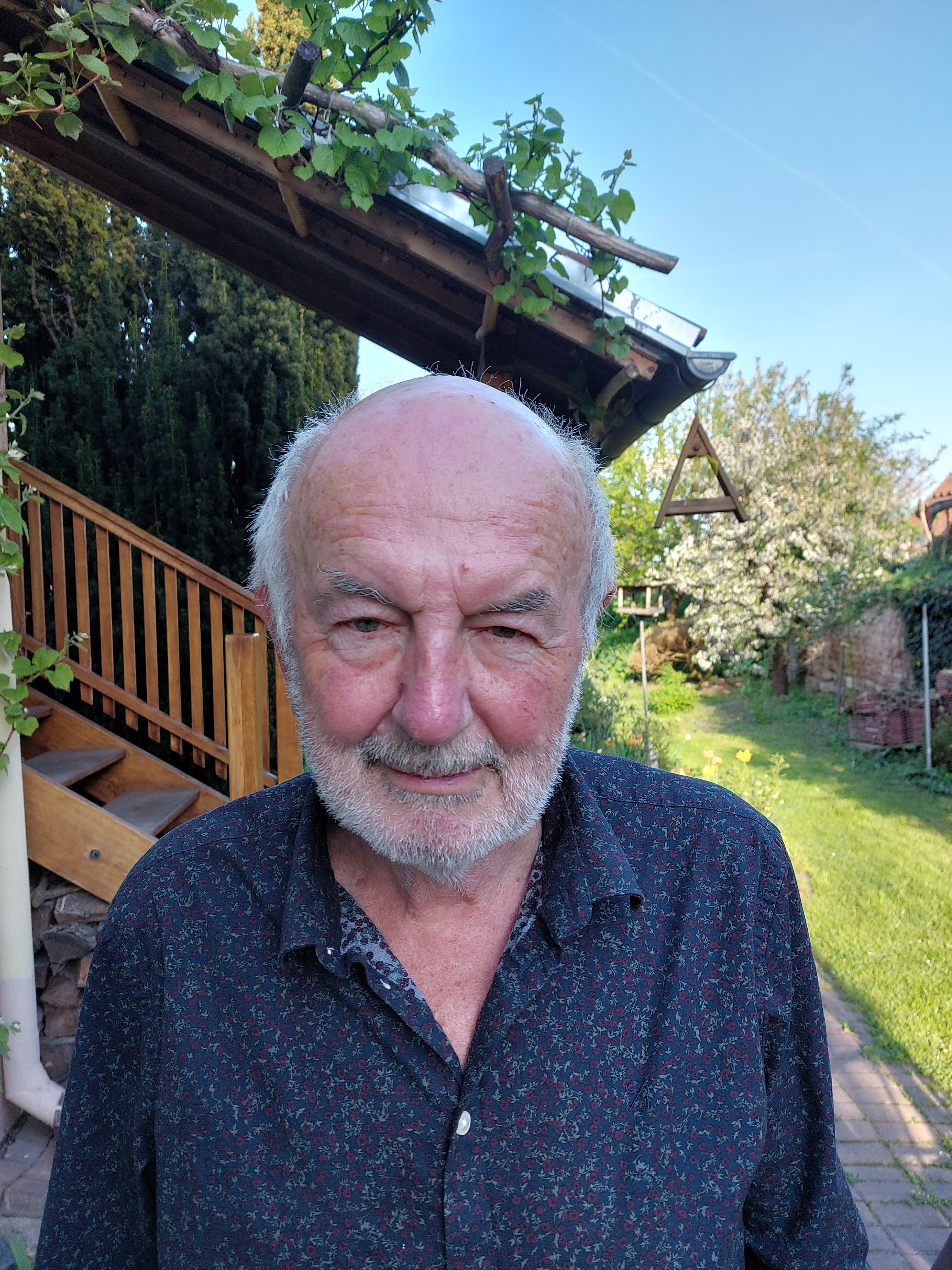
Petr Nejtek was born in České Kopisty near Terezín on 31 March 1941. He grew up with parents Jiří Nejtek (1912-2004), mother Libuše (néé Strádalová, 1917-2006), and sisters Libuše and Jana on the farm of his grandparents Václav and grandmother Růžena (née Škobisová) Strádalůs who had eight children. His father was the son of the chief physician of the Terezín military hospital and worked as a clerk. His mother ran a large household on the farm. Grandfather Václav Strádal farmed about 50 hectares of land growing vegetables. During the war, prisoners and guards from the Small Fortress came to the farm to get vegetables. After the war, German women from the Smal Fortress internment camp worked on the farm while waiting to be deported. In January 1953, the Communists sentenced the grandfather and his two sons in Project Kulak under Section 85(1) of the Criminal Code for sabotage to five years in prison and confiscated all their property. In June, the Communists ordered Petr Nejtek‘s family to move to a state farm in Sedlišťka near Litomyšl within 24 hours and banned them from the Ústí Region. When the political situation eased somewhat in 1956, his mother got back the family house which was originally her property and not part of the farm, yet the communists also confiscated it in 1953. Returning to České Kopisty, Petr Nejtek graduated from the Litoměřice Grammar School in 1958. He was not admitted to university for politicla reasons. He went to Prague and trained as a turner at Tesla Hloubětín. Even after a year of working as a labourer, he was still not admitted to university. He served in the military in 1960-1962 with the air force in Bochoř near Přerov. Then he completed a two-year extension course at a construction high school in Děčín and was admitted to the Faculty of Civil Engineering of the Czech Technical University in Prague in 1964. Following August 1968, he left the country for Germany and then Norway to visit friends, where he finished his studies and started a family. After graduation he worked as an assistant teacher in university and then with a design company as a successful civil engineer. He designed buildings, bridges, oil rigs and bridge construction equipment built in Portugal, South Korea, Taiwan and elsewhere. After the Velvet Revolution, he co-founded the Czech-Norwegian Help Society supplying wheelchairs for the handicapped, hospital beds, photocopiers and other equipment to Czechoslovakia. In 2002, he founded a Camphill Community at his restituted family farm. At the time of filming in 2025, he was supporting other similar projects promoting Waldorf pedagogy and biodynamic agriculture in the Czech Republic while living permanently in Norway. We were able to record the story of the memorial thanks to support from the town of Litoměřice.