Alena Marková

* 1947

  • "My husband had already arranged a job with an Italian company that asphalted roads. I was supposed to work in a shop as a cashier, but I didn't stay there because I went back home to my adoptive mother. There were only two of us on the train from Frankfurt to Cheb. All the Germans who had gone to Germany at that time stayed there and no one returned to Czechoslovakia. Even the customs officials asked us where we were going, that we were alone in whole carriages."

  • "Dad didn't have it easy, because Czechs came to his committee to complain that Mum was meeting with Germans and that he should make things right. Mum told him, 'These are my parents, and before they go to the removal, I will go to them. You go to yours too. I won't give up my parents.' She would go and visit my mother, even when they came to complain. My aunt was young, and because she was German, she had to wear a white band. She said they were both marked - the Jews wore yellow armbands and the Germans wore white armbands. Once she met some young boys she liked and she was ashamed, so she took off her belt and put it in her pocket. When they walked away, she put it on again. Daddy went up to her and told her not to do that to him and to wear the band."

  • "That's what she told me, that when she came to them and knocked, they took her in. They hid her and helped her change into something else. Then they burned her suit in a chimney somewhere or in a stove, I don't know. The prison outfit she was wearing was already half disintegrated. It was cold and bad weather when she came in, so they changed her. They gave her food and packed her food, which she then took with her to the shaft."

  • Celé nahrávky
  • 1

    Svatava Podlesí, 02.12.2025

    (audio)
    délka: 01:15:14
    nahrávka pořízena v rámci projektu Příběhy regionu - Karlovarský kraj
Celé nahrávky jsou k dispozici pouze pro přihlášené uživatele.

I was often ridiculed at school because of my adoption
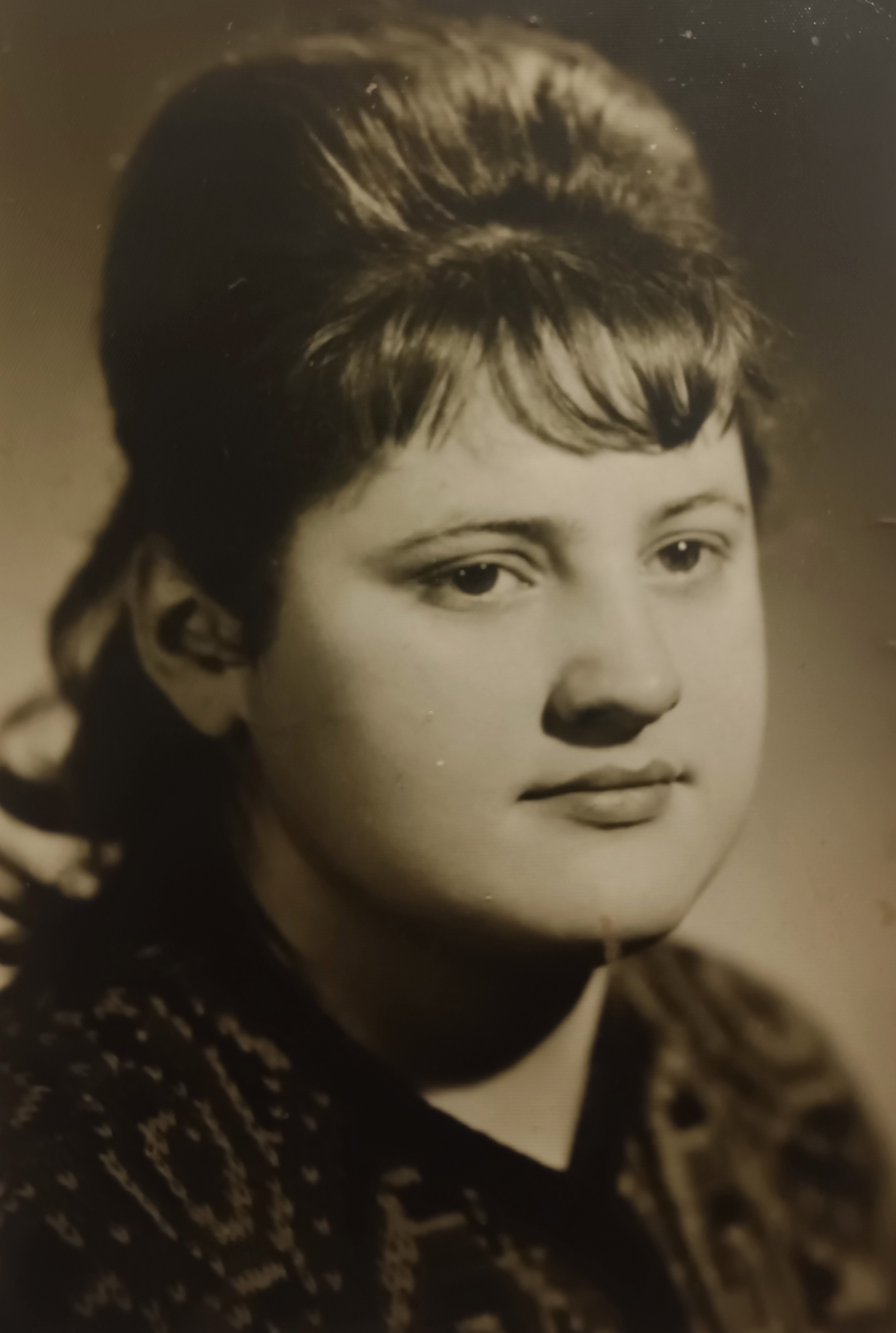
Alena Marková, Svatava, 1964
zdroj: Witness´s archive

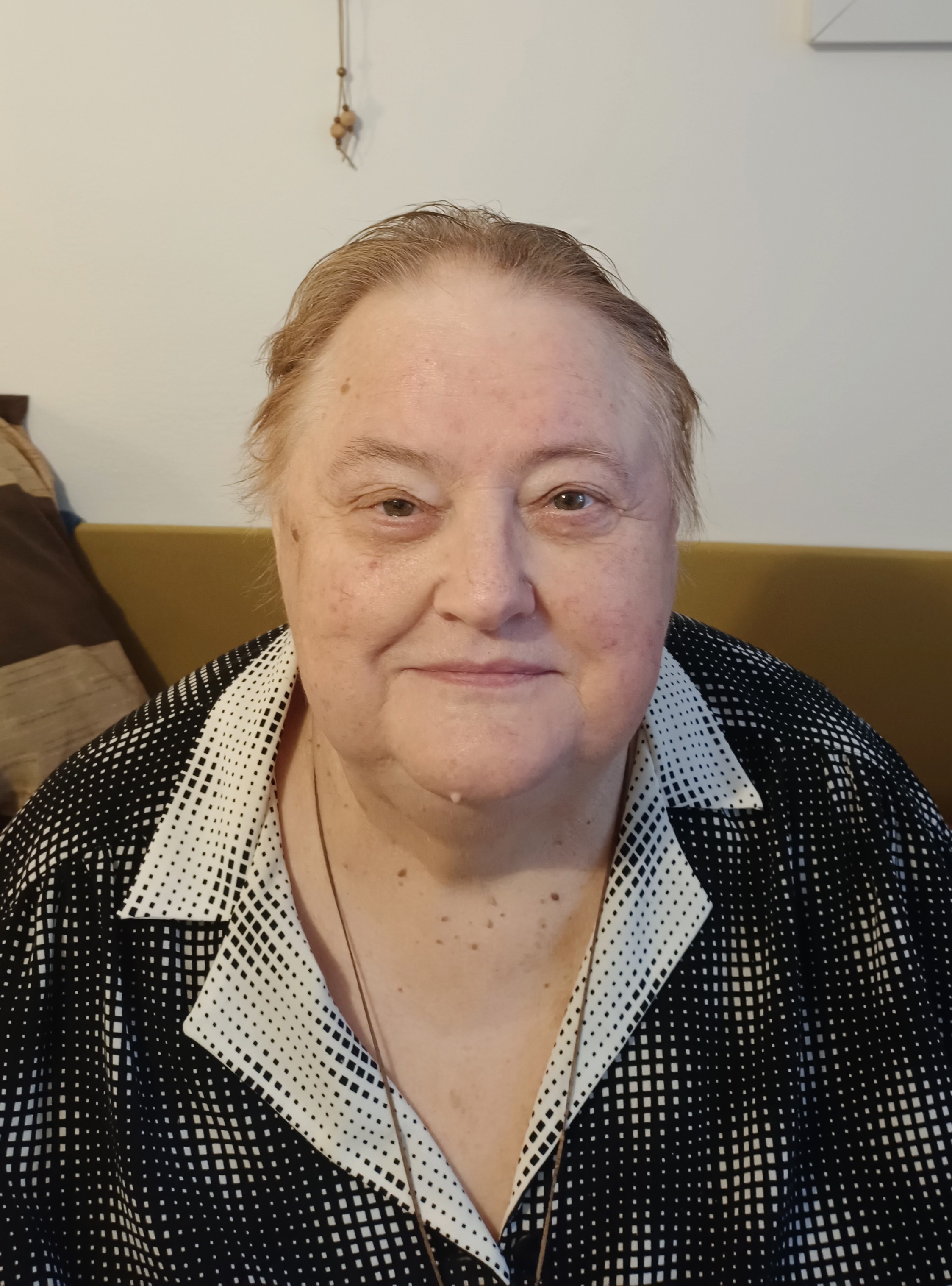
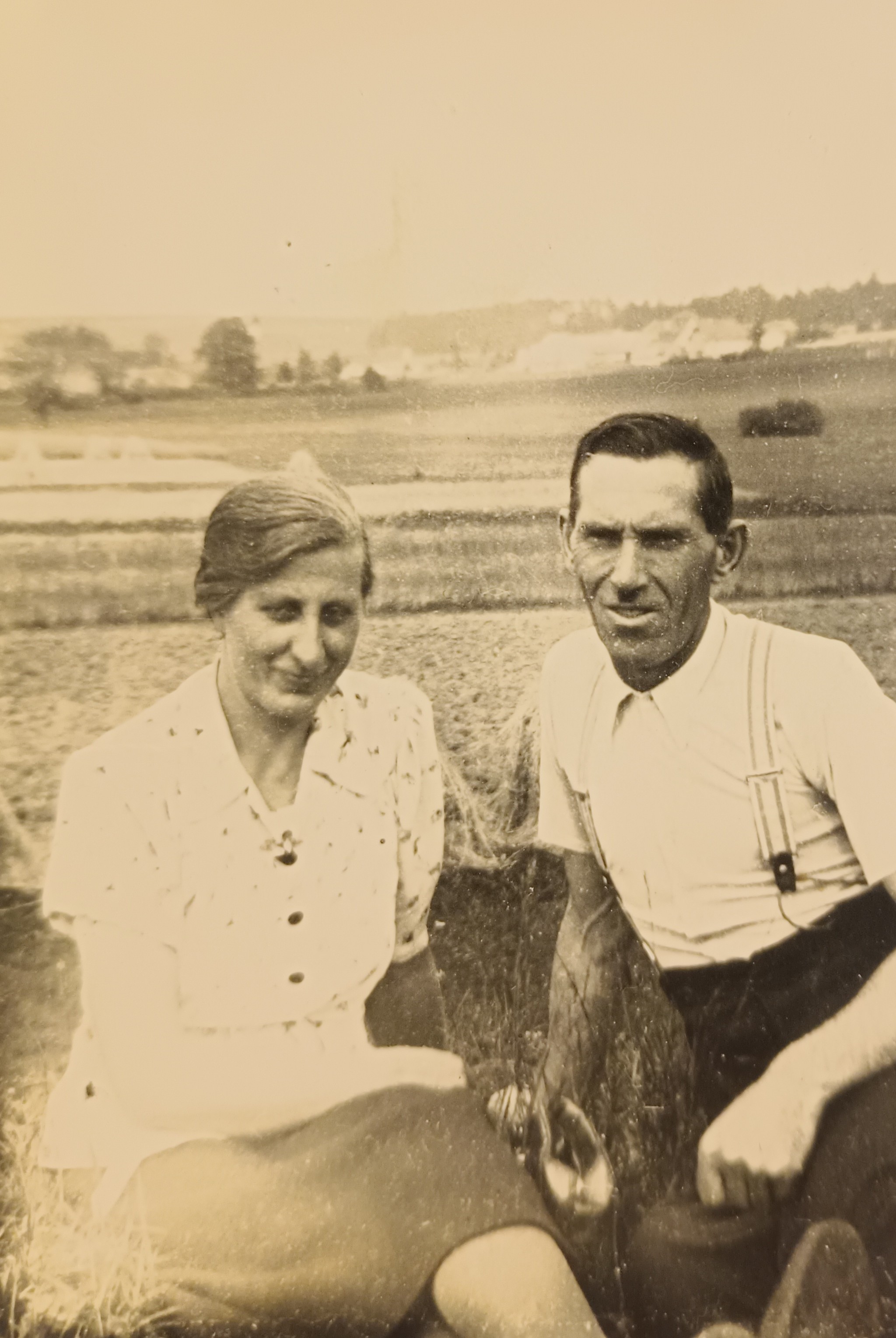
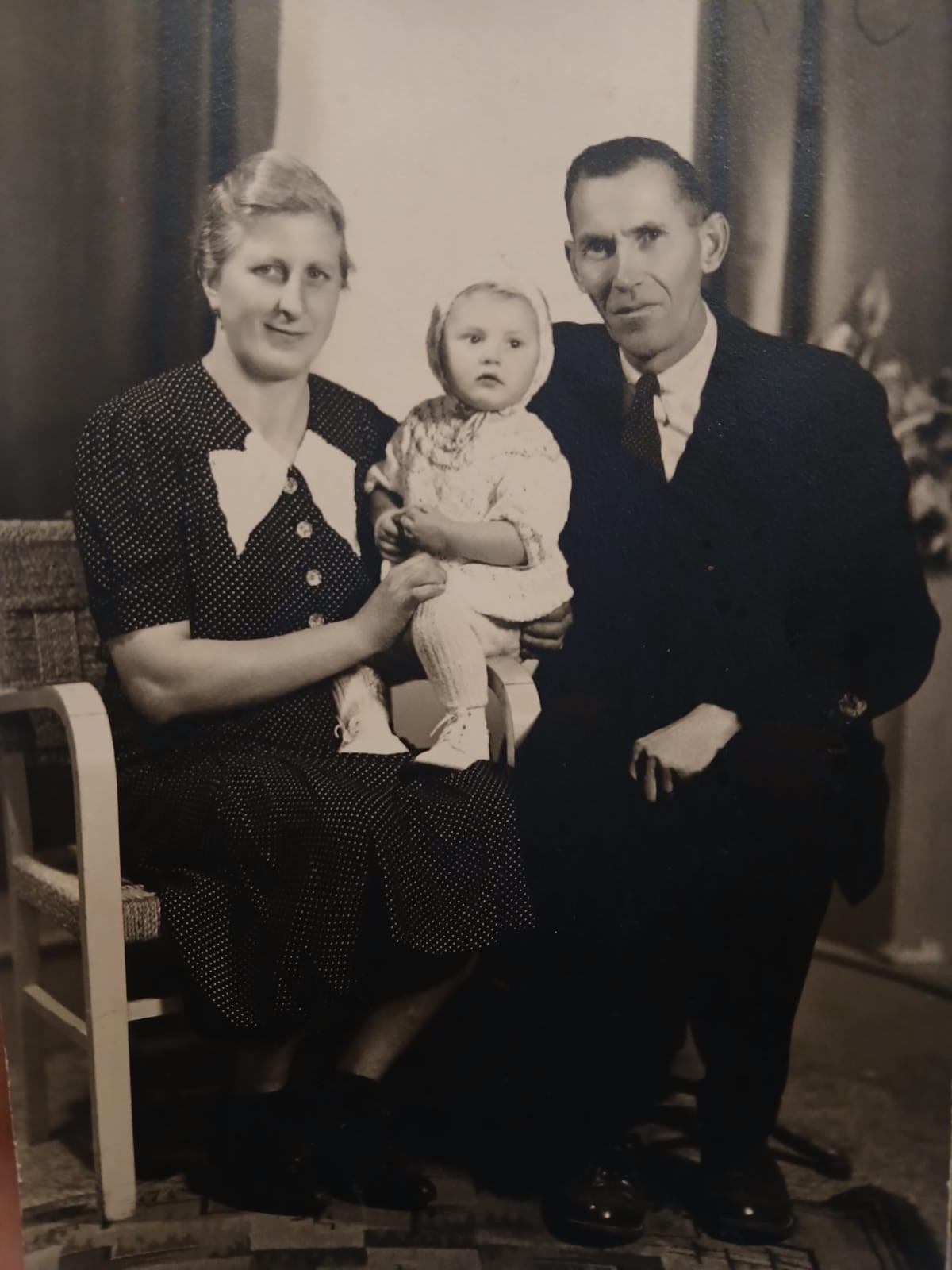
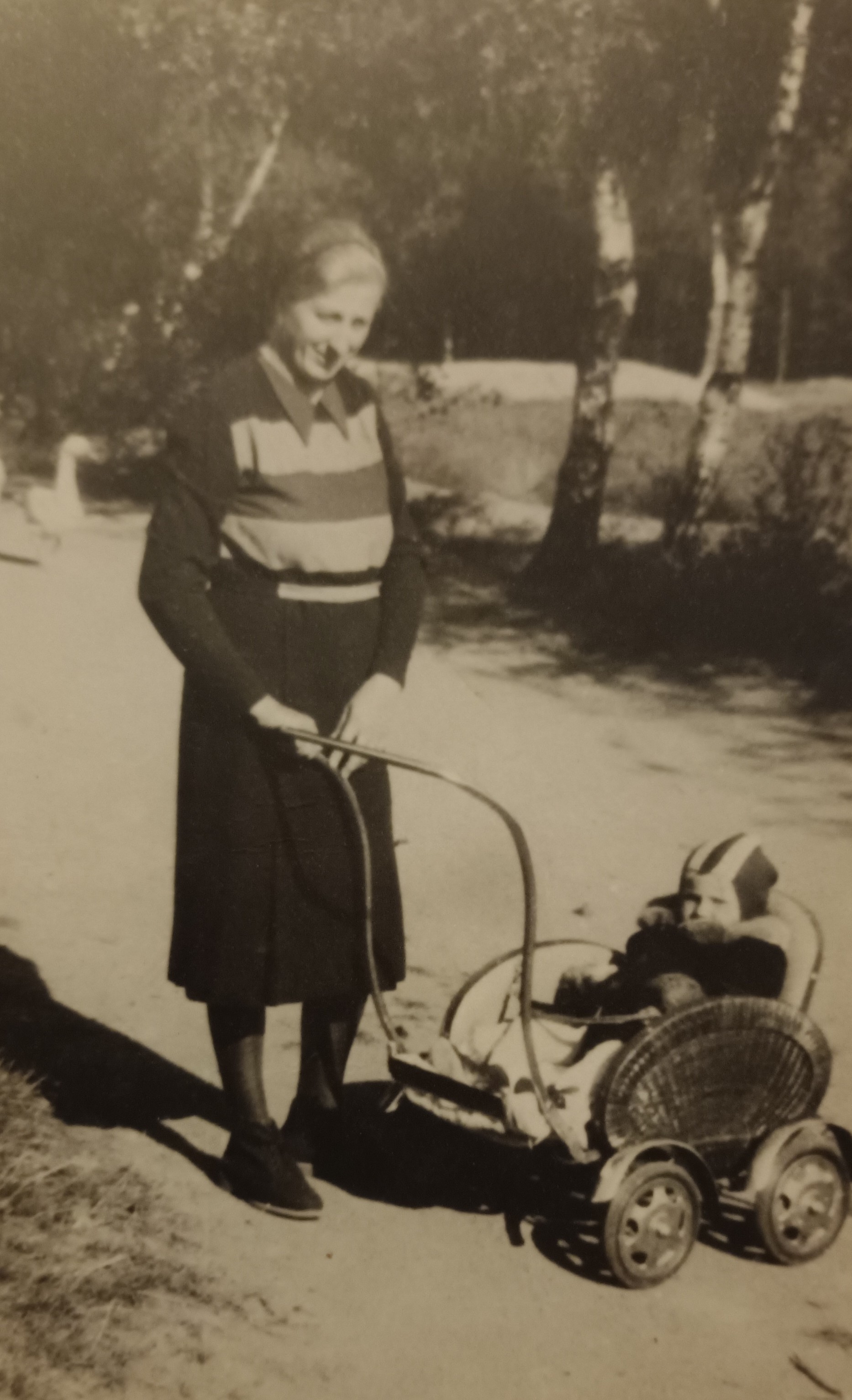
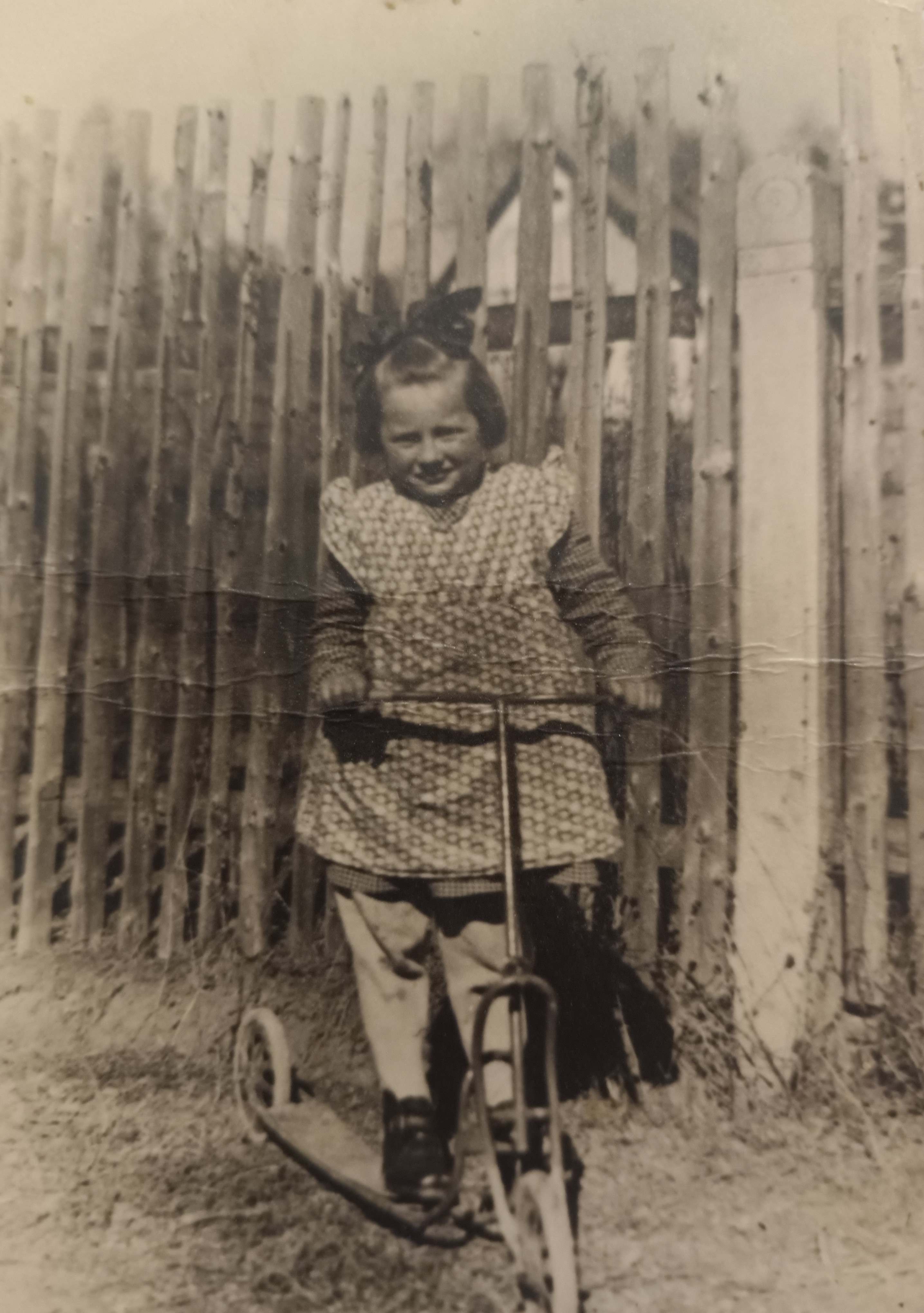
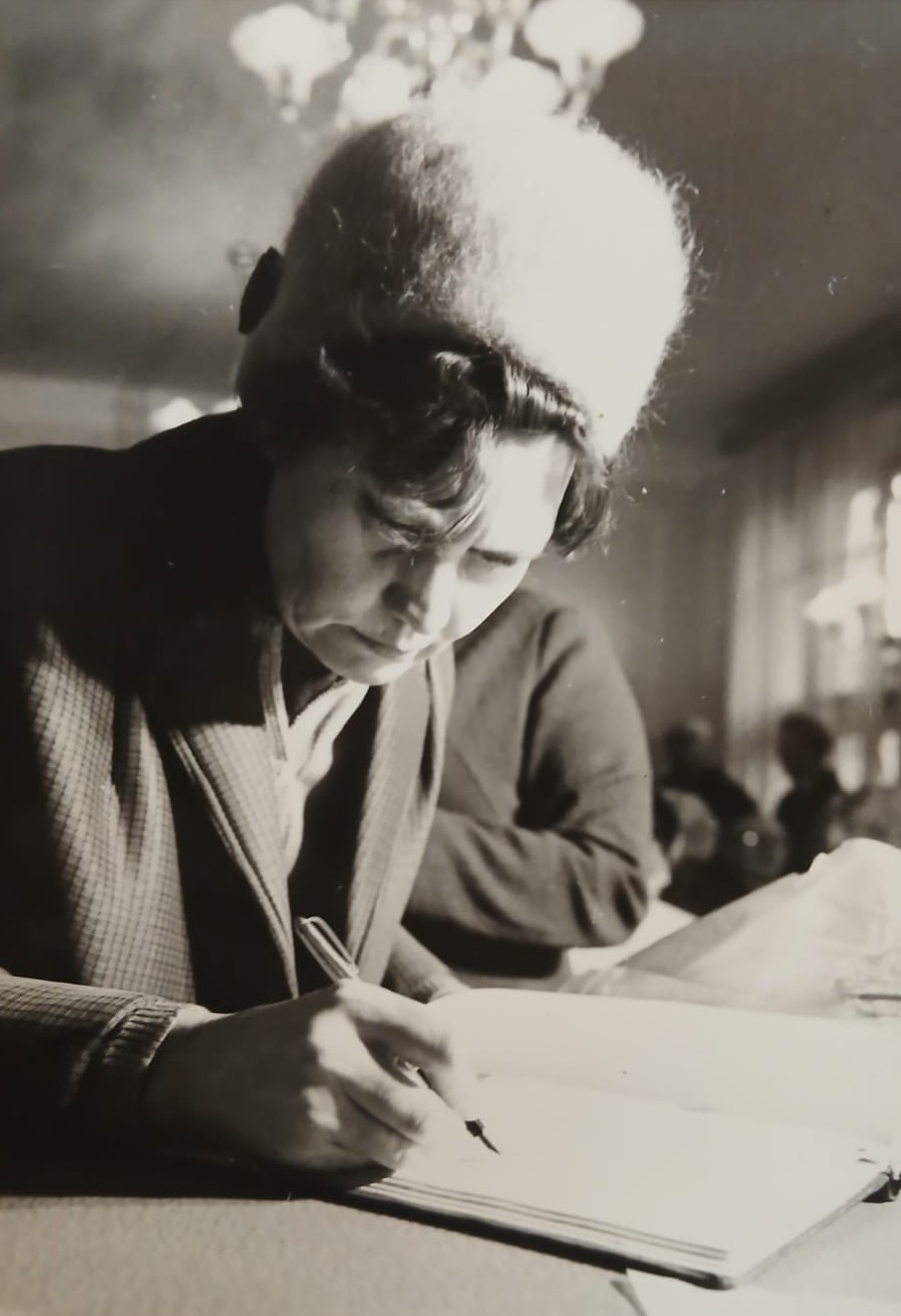
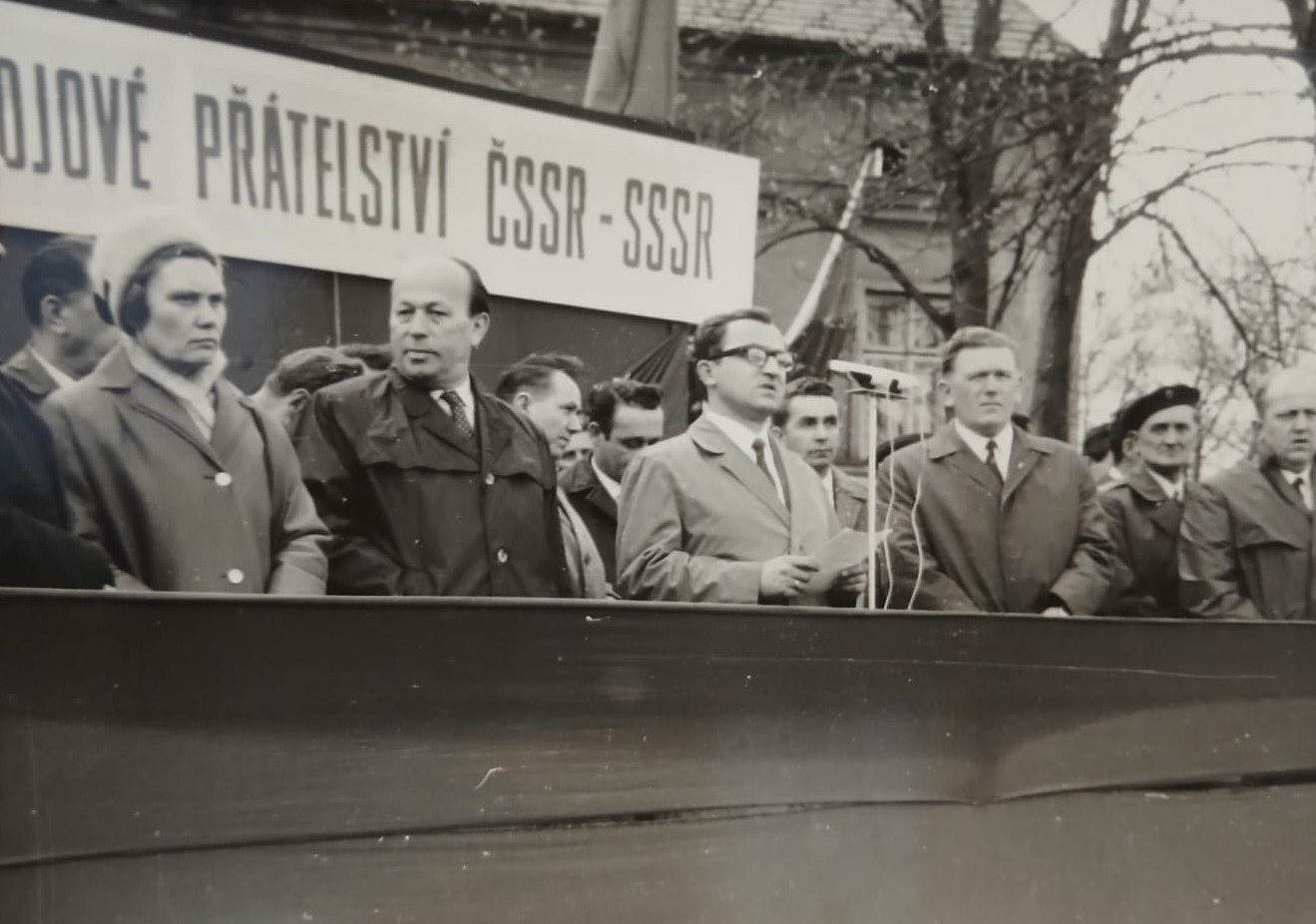
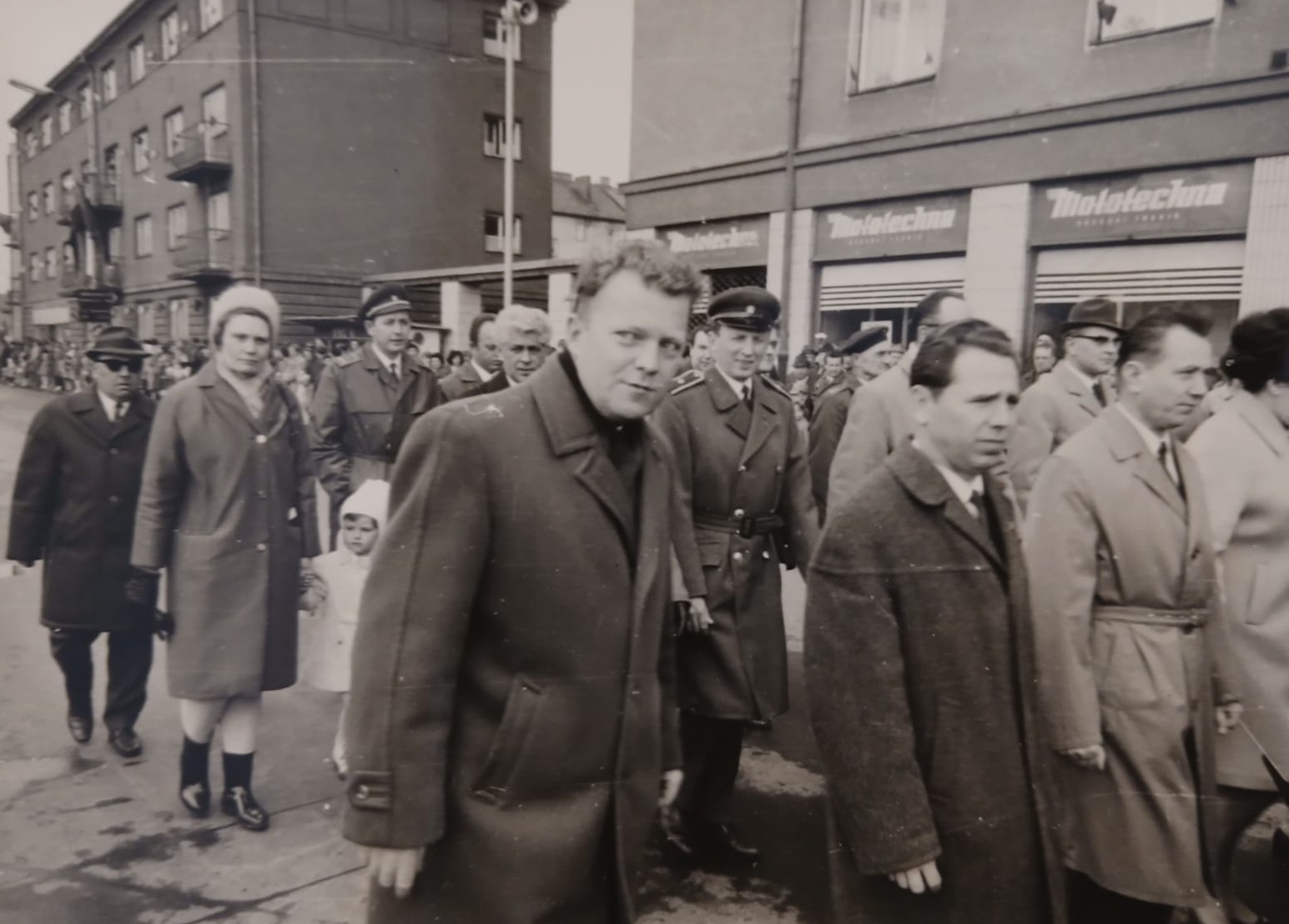
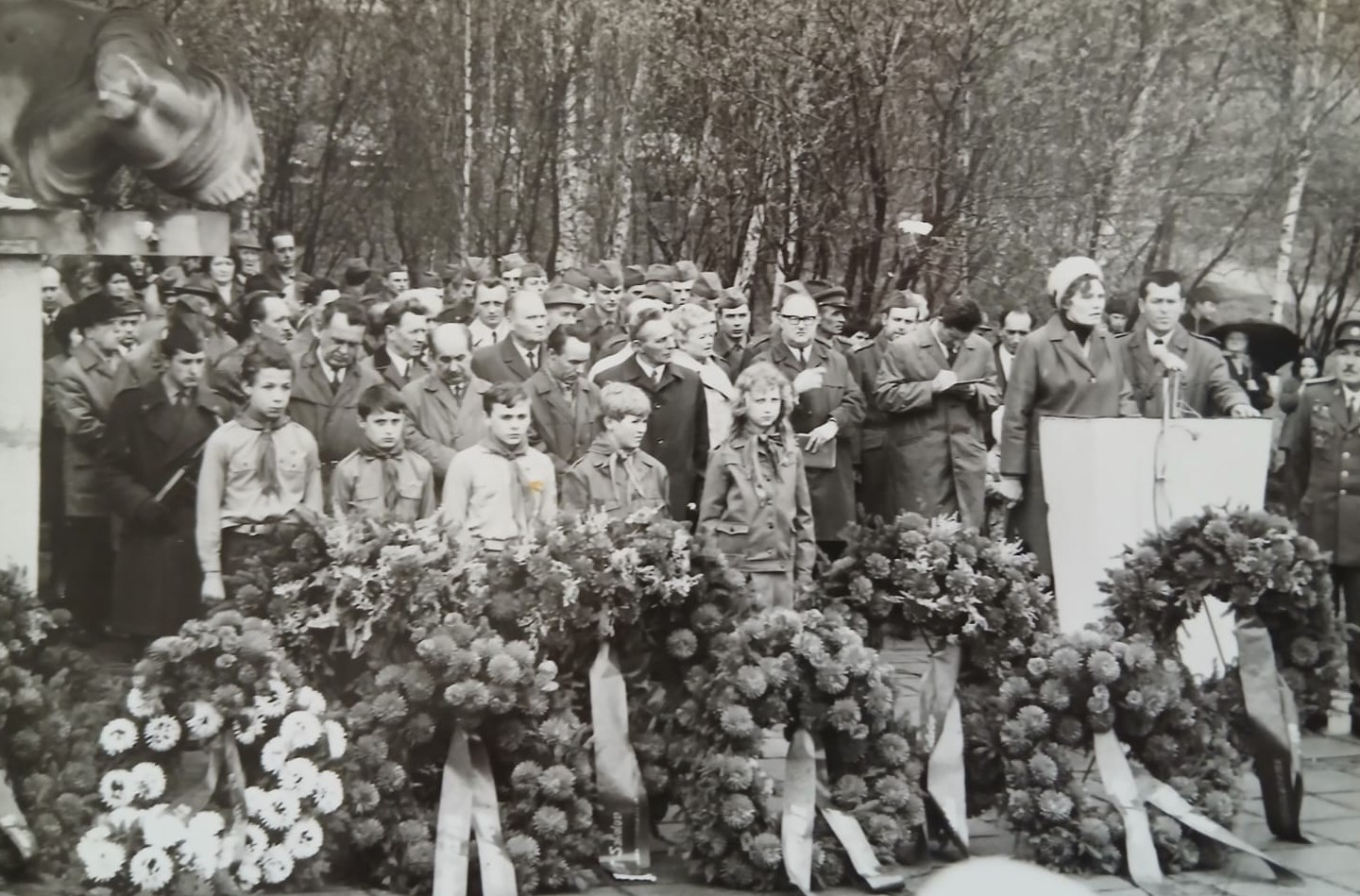
Alena Marková, née Landergottová, was born on 8 April 1947. Her biological mother gave her up for adoption immediately after birth because she did not have the strength to raise her daughter alone in the difficult post-war period. The biological father was deported to Germany with his entire family after the war and did not know about the birth of his daughter. Alena Marková considered her adoptive parents as her own. She attended primary school in Svatava, where she often faced ridicule from her classmates because of her adoption. Later she trained as a shop assistant - a warehouse woman. She then completed her education as a cashier and later worked as an inventory manager, travelling to inspections throughout the district. In August 1968, she and her husband were on vacation with a cousin in Germany. From the radio they heard about the invasion of the Warsaw Pact troops. Her husband did not want to return to Czechoslovakia, but Alena Marková could not leave her mother home alone. On their return to Svatava, they saw Soviet soldiers lounging in the fields and meadows, and locals were pasting leaflets about the counter-revolution on their fences every day. In the following years, despite the restrictions on travel during the totalitarian era, Alena Marková used to her family in Germany. Police officers came to her home to check whether she was selling property and planning to emigrate. However, she never intended to do so. In the 1980s, she met Nadezhda Nikishina, a Soviet prisoner of a women‘s concentration camp, who came to Svatava for a commemorative event. She refused offers to join the Communist Party and never joined the party. After the Velvet Revolution she started her own business and opened her own shop, Kovo. At the time of the recording in 2025, Alena Marková lived in Svatava-Podlesí.