Anna Macečková

* 1928

  • "Please tell me what is most important in life." - "The most important thing for me is health, to be healthy. And peace. No war. Peace. My brother Franta in Germany used to say, "I don't even want to see a postman's uniform. I want no war.' I want the same thing. I don't want there to be war. I'm worried about my great-grandchildren, my grandchildren, my granddaughter's young husband. There's a house full of us, and I'm worried about all of them. I don't want there to be war. I want peace. I want there to be harmony where we understand each other." - "Are you afraid of war?" - "I am. It's the worst thing that can happen. I've been through war, so I know what it's like, what it means, what it is. We cried for our brothers. My poor mother ripped her hair out when we didn't know anything about our boys... Peace be upon the world so that people don't die needlessly. You see how Putin invited the Koreans now. North Korea is fighting Ukraine. Fifteen thousand Koreans. Poor boys. Poor guys. I know it's not their fault they're killing the others. That's war. It's not good."

  • "Were you afraid of being deported?" - "It was said that if Hitler had won, over a hundred families had been selected to be deported to Siberia. We were to be among them. Had Hitler won the war. But it didn't happen and he lost the war." - "And after the war? You were Germans, and the Germans in the Hlučín region were threatened with deportation. It happened in some villages." - "Yes. They took about five or six families from here. They were quite ordinary people who didn't hurt anybody, no Henlein people or whatever. They were just regular citizens. I don't know who ordered them out. Our neighbour, a woman named Berta Bilan, had five young children. Her husband's name was Theodor. They were deported too. I remember a trucking business owner; she delivered coal by truck after the war. She drove them away. I don't know whether to Hlučín or Opava, but I can still see them sitting on the truck bed, waving goodbye and crying."

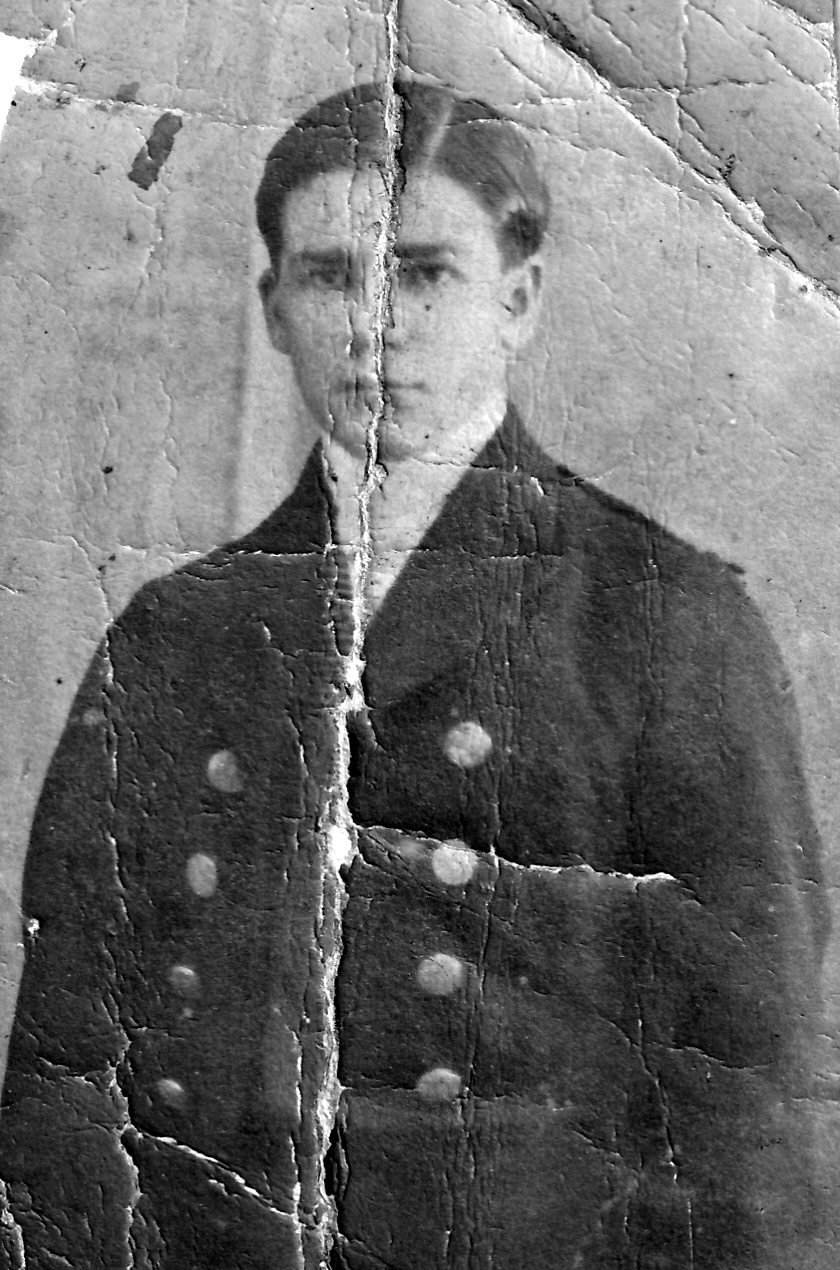
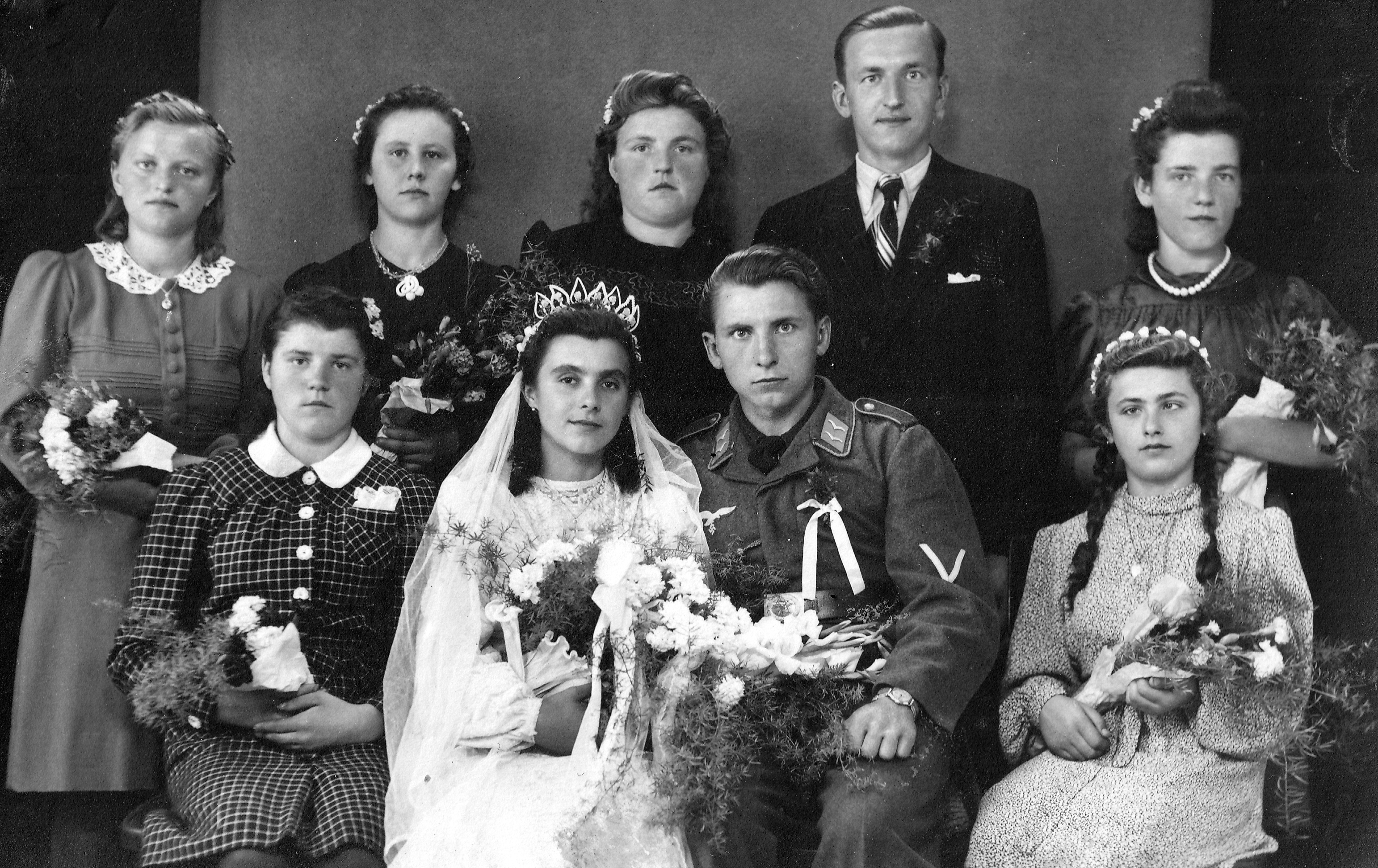
  • "Do you remember which neighbours didn't come back?" - "Like from the war?" - "Yes." - "Next door neighbour Baránek's Arnošt, or Ernst, as we say, never came back. I think two of Korpás' boys didn't come back; they lived in our street. In total, 170 dead soldiers from our village who were in the German army. They all had to go. It wasn't voluntary. They got a draft card, had to join, and if they didn't go they were killed." - "Do you remember those guys leaving? How did they say goodbye?" - "They said goodbye crying. When my brother Emil was leaving after a leave, he cried. - 'Mum, I don't think I'm coming back. Oh, no, don't worry. I'll be back. If they shoot at me, I'll hide my head and let them shoot my butt.'"

  • "They said the Russians raped girls. We got dressed in clothes my mother used to wear. It's called a katsamayka and it's worn instead of a sweater... We put scarves on our heads and smeared our faces with jam which we sprinkled with flour to make it look like we had sores, like we were sick. We went to our neighbours' place, stayed there overnight, and two Russians came. Should I say Soviets? Or soldiers? They were Russians... How should I put it? They say 'Russians' on TV, so I'll say Russians. They came to the cellar looking for 'German'. Like Germans. We said there weren't any. We had the scarves, faces smeared and dirty. They kicked us all out but they kept two women with them."

  • Celé nahrávky
  • 1

    Štěpánkovice, 11.04.2025

    (audio)
    délka: 02:06:49
  • 2

    Štěpánkovice, 15.04.2025

    (audio)
    délka: 02:24:29
  • 3

    Štěpánkovice, 23.04.2025

    (audio)
    délka: 01:08:59
Celé nahrávky jsou k dispozici pouze pro přihlášené uživatele.

„Just go! You won‘t see Stepankovice again,“ the Czech soldiers shouted to the women and children
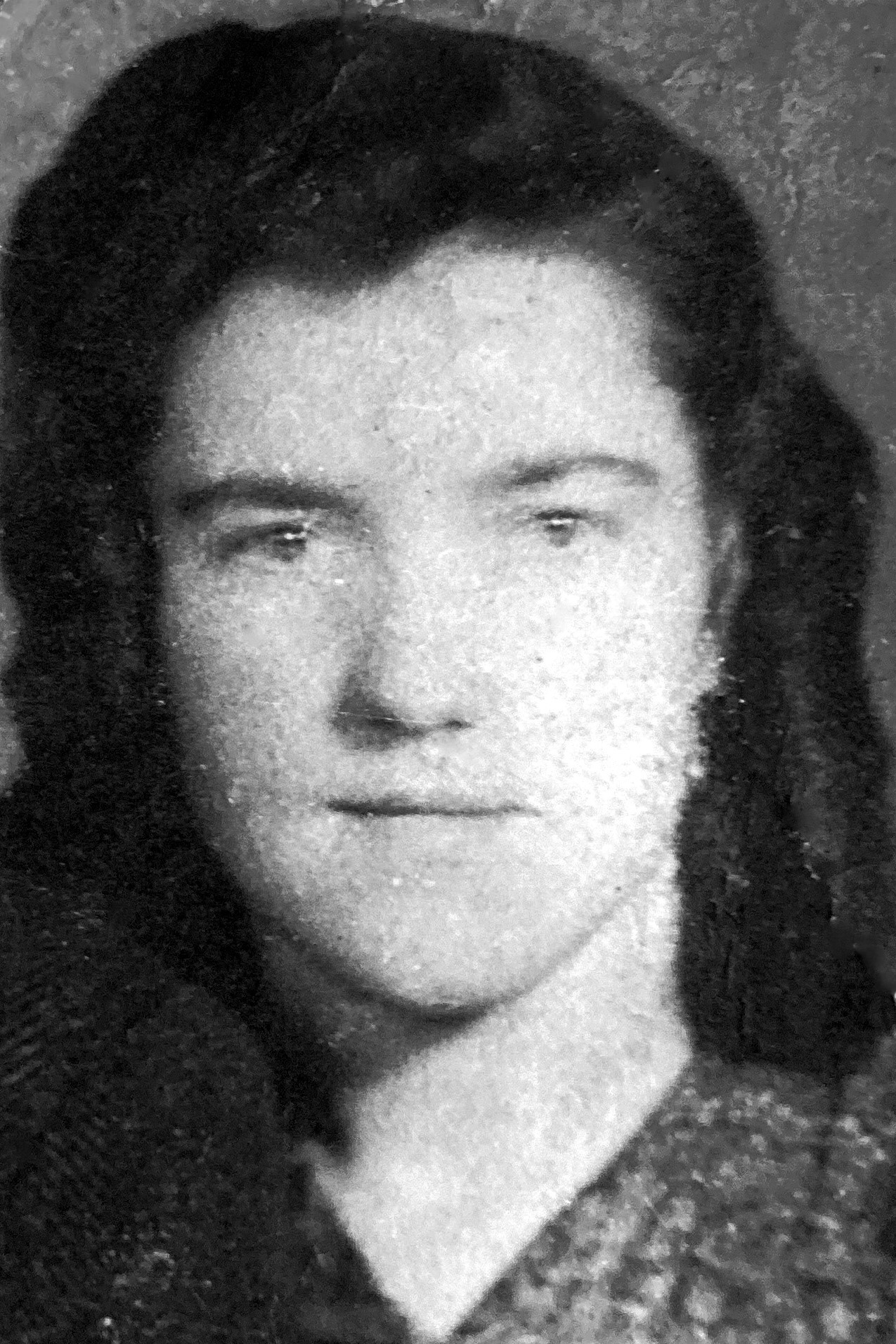
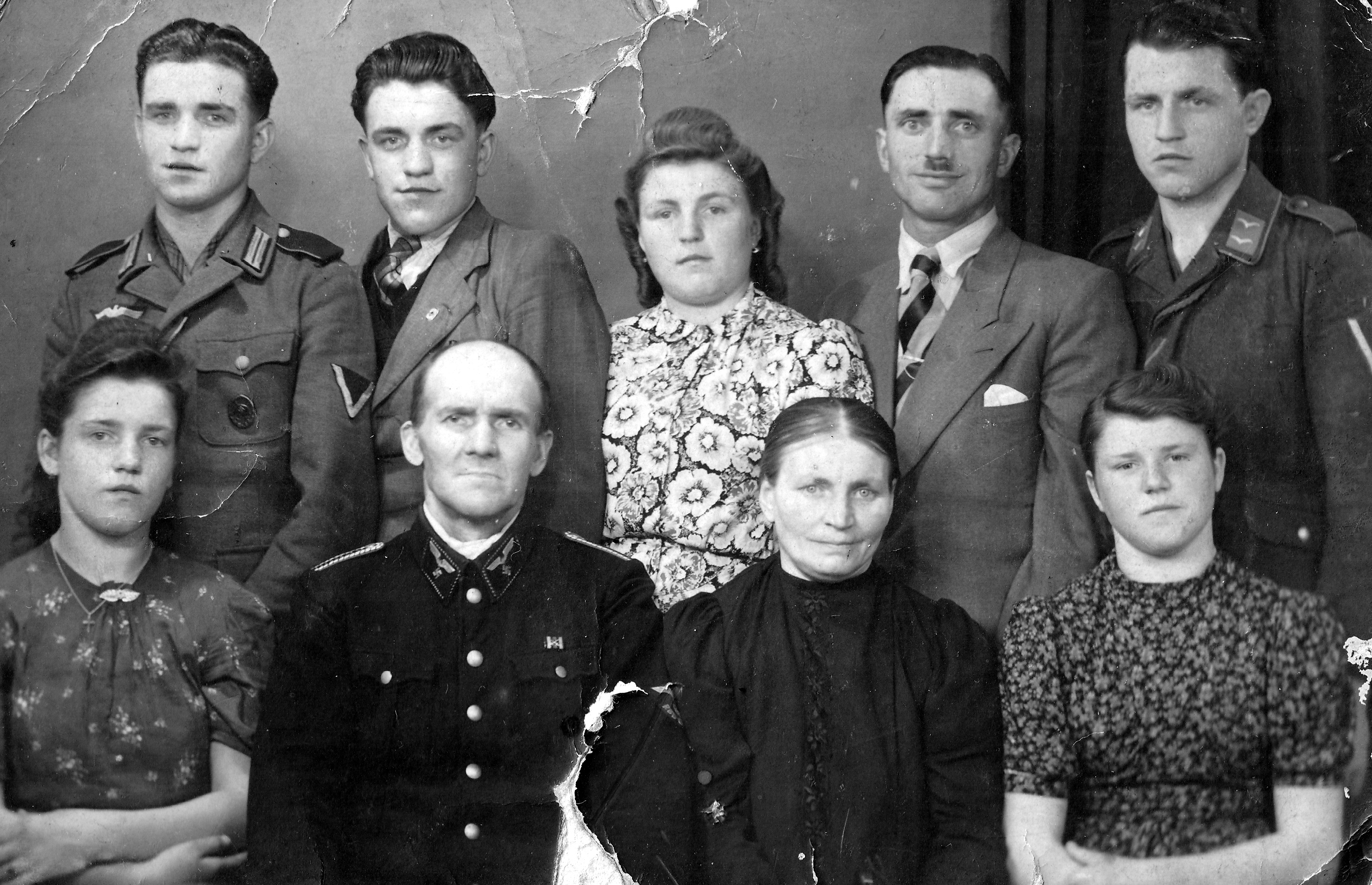
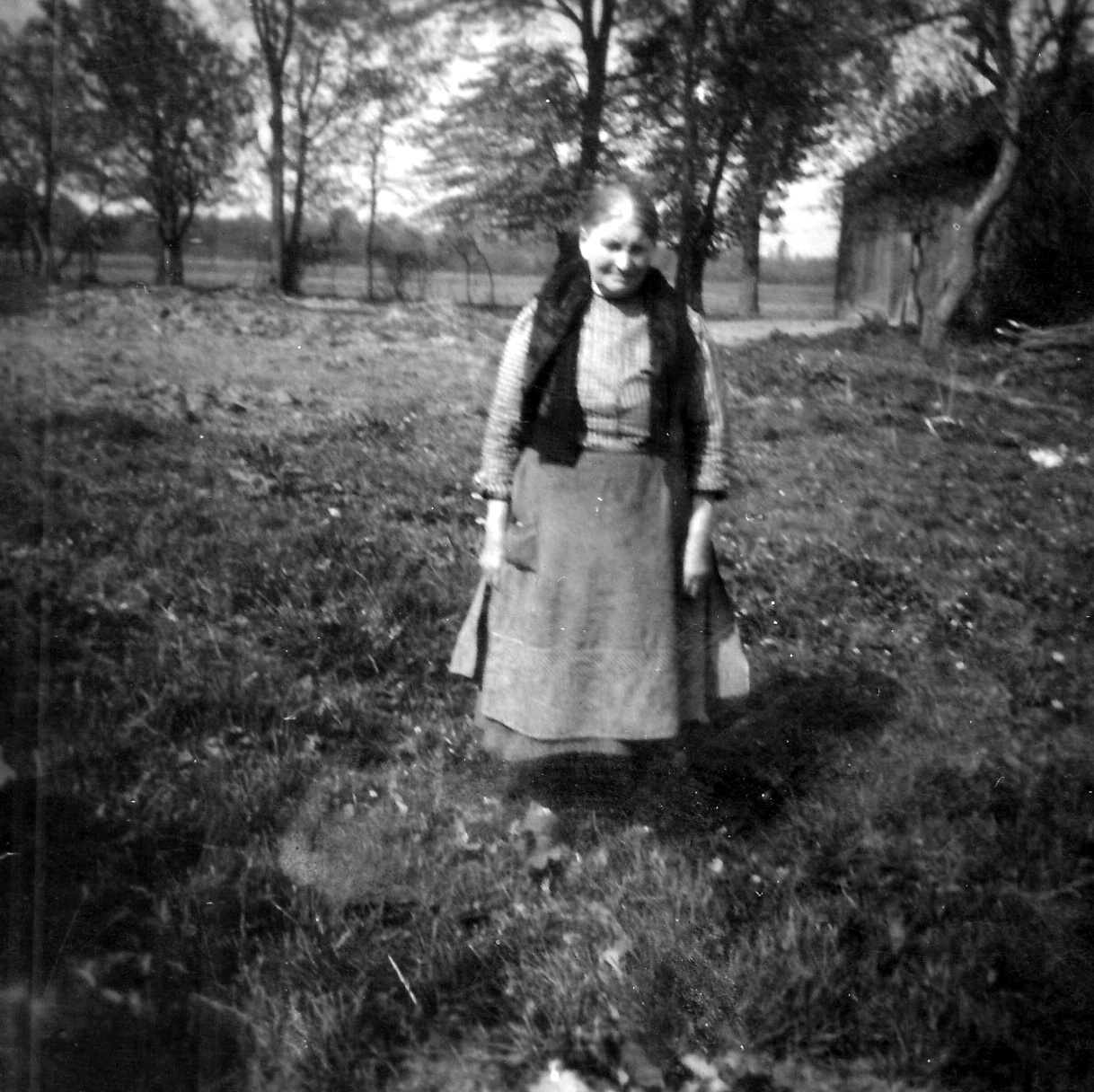
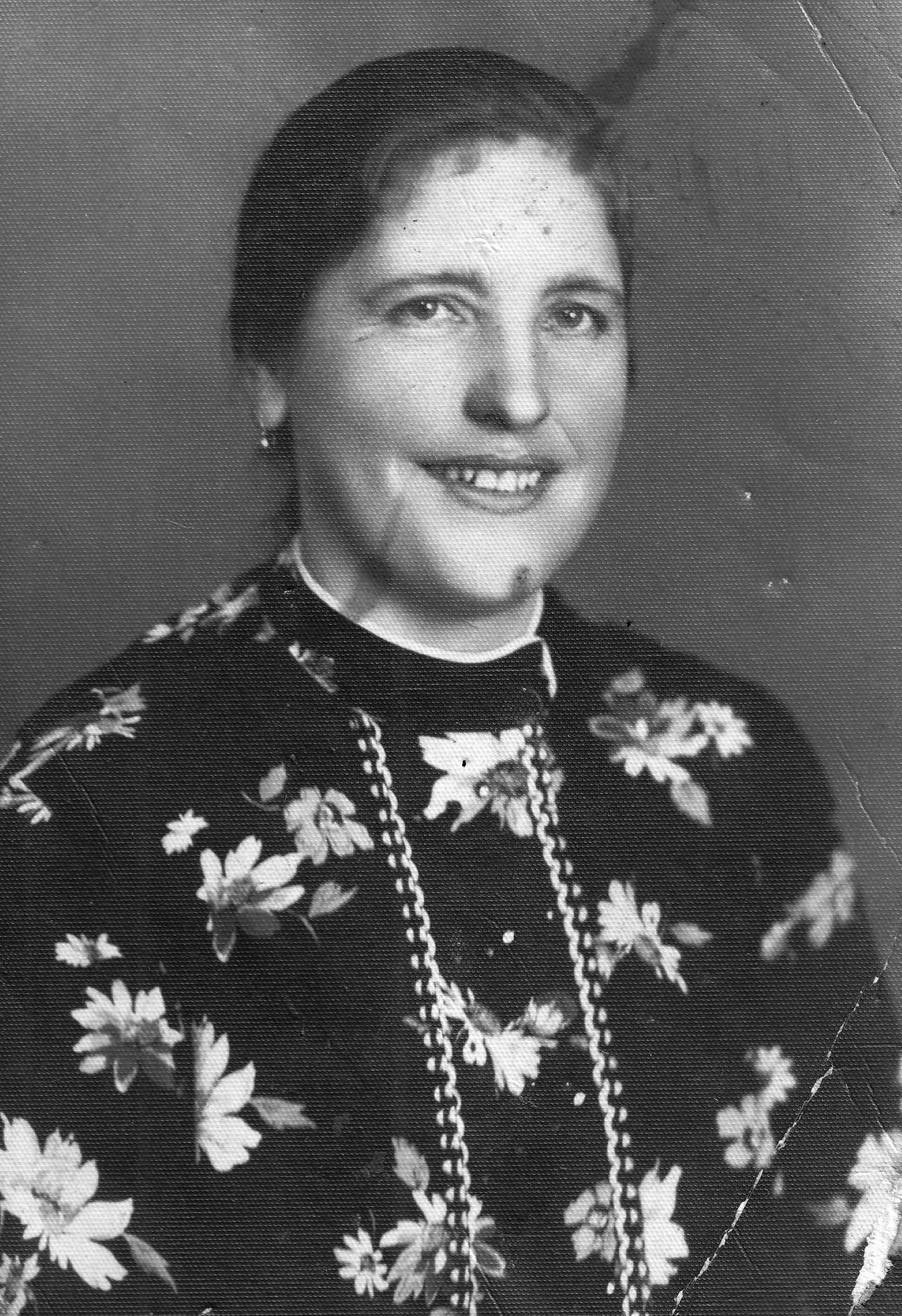
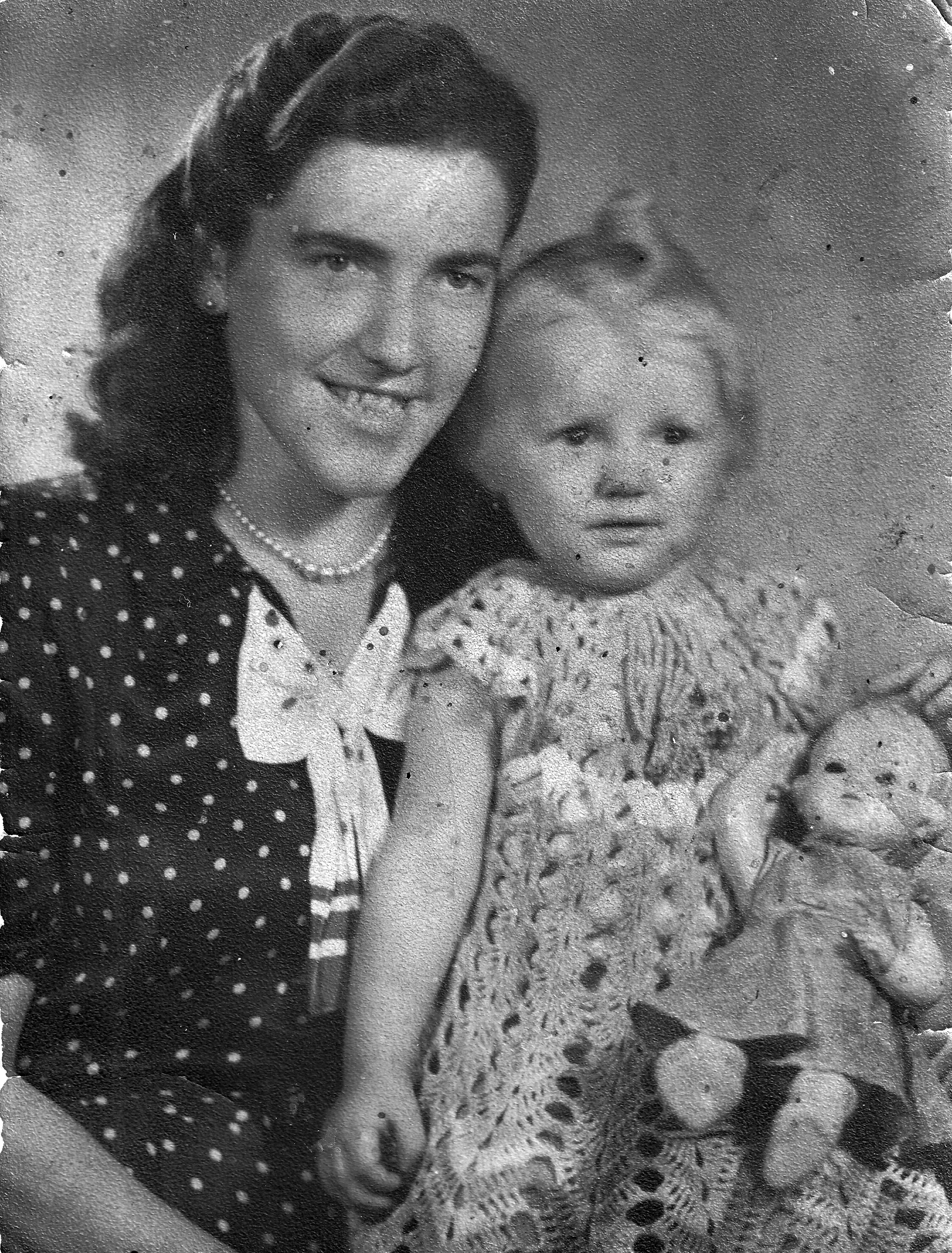
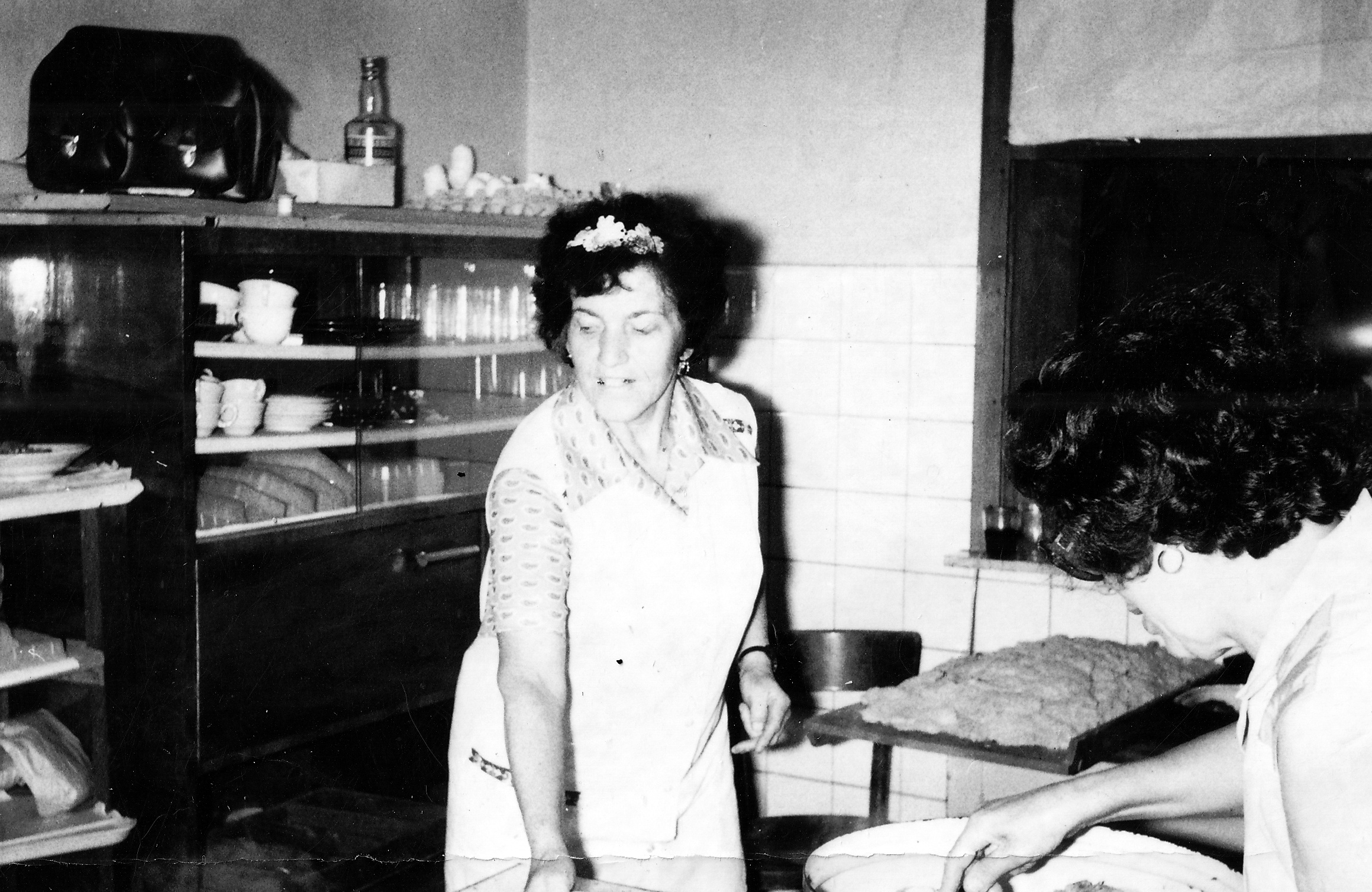
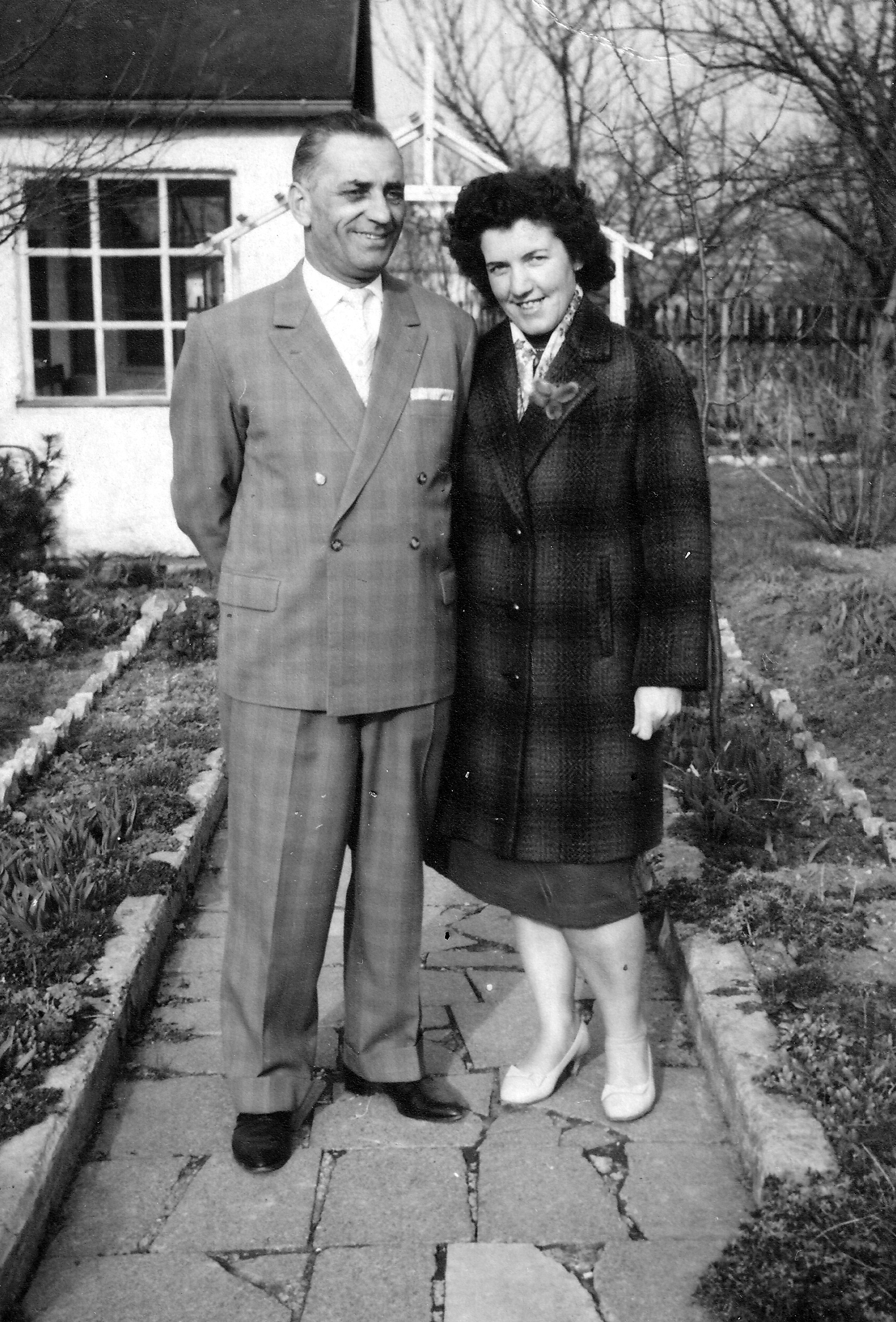
Anna Macečková, circa mid-1940s
zdroj: Anna Macečková's archive

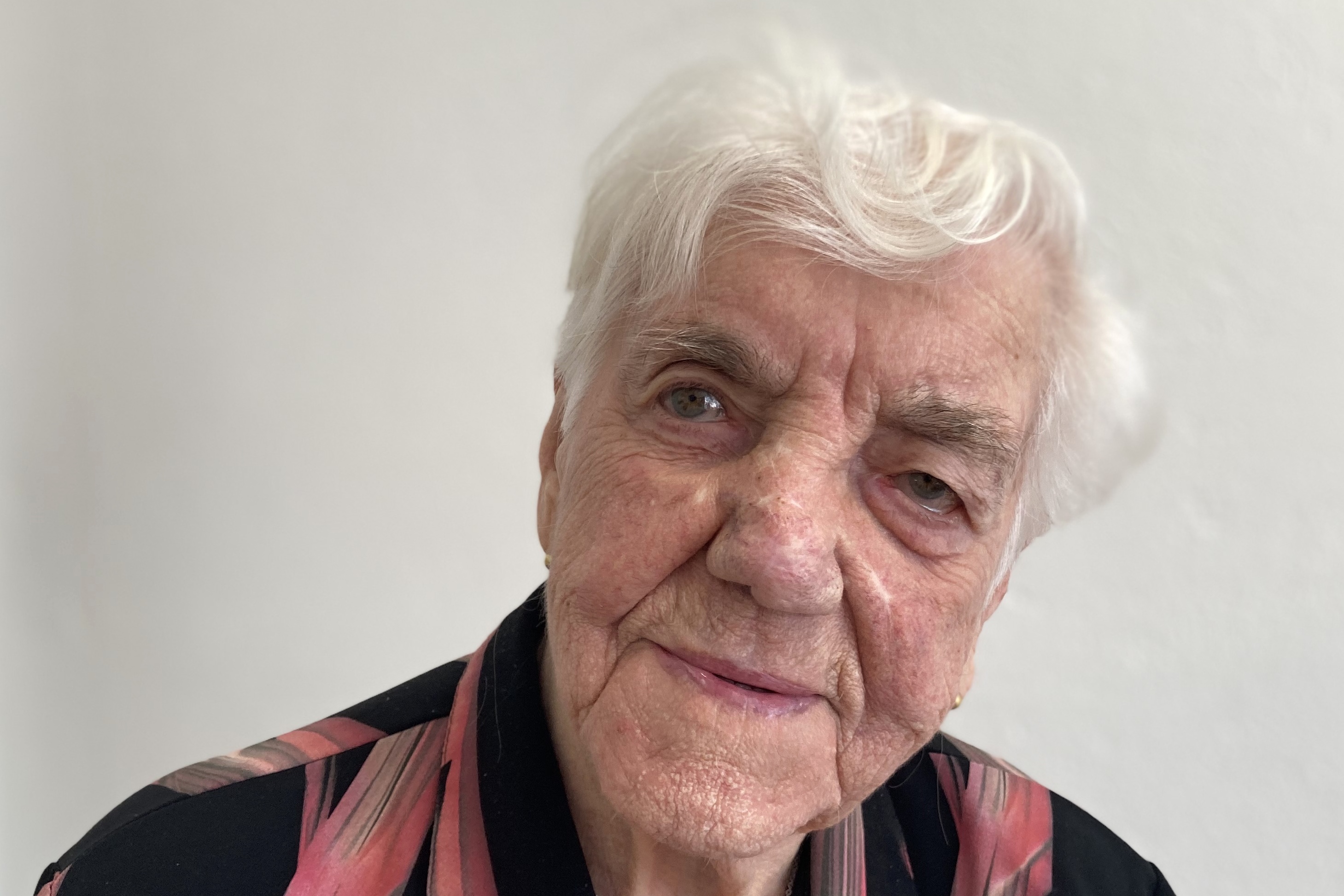
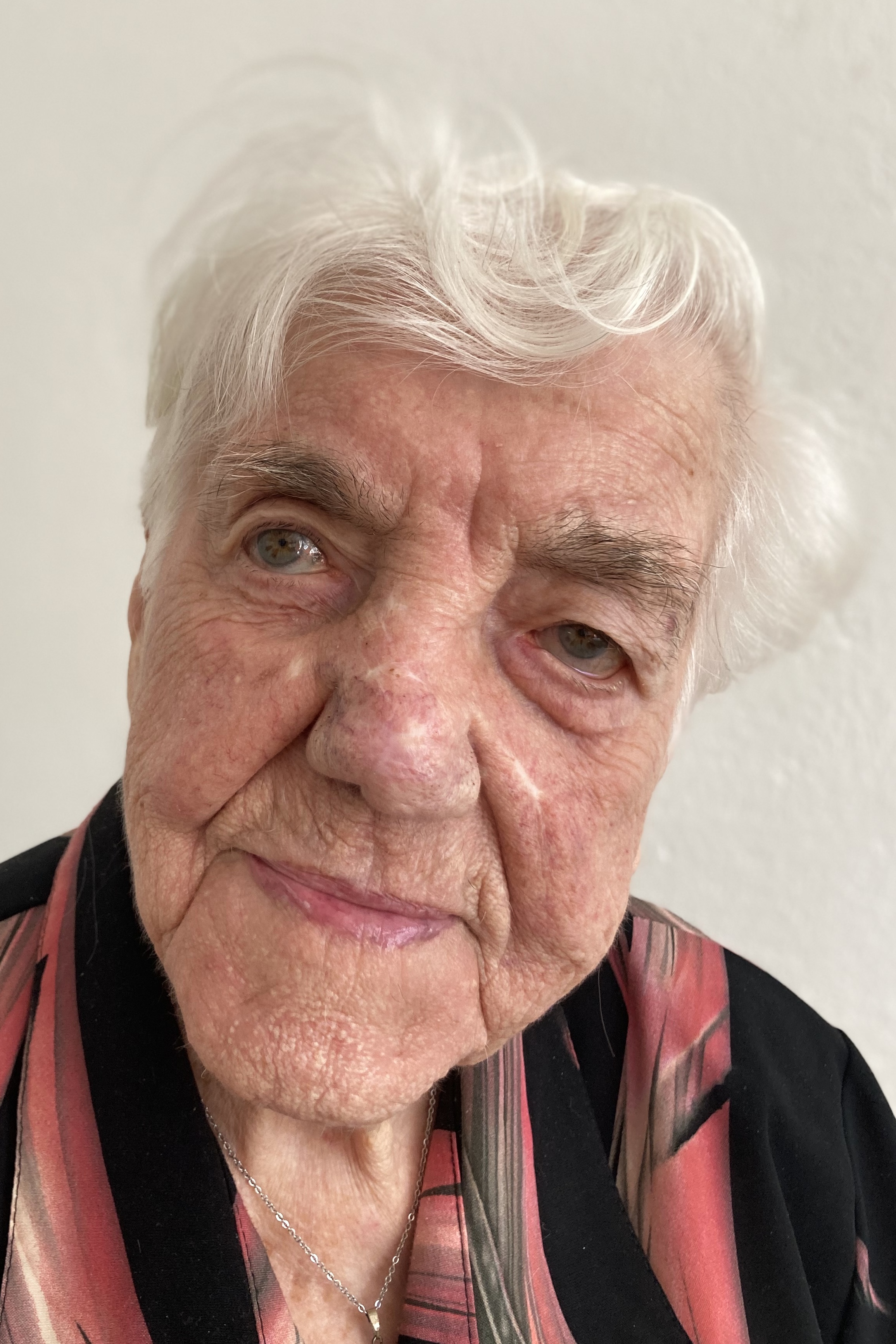
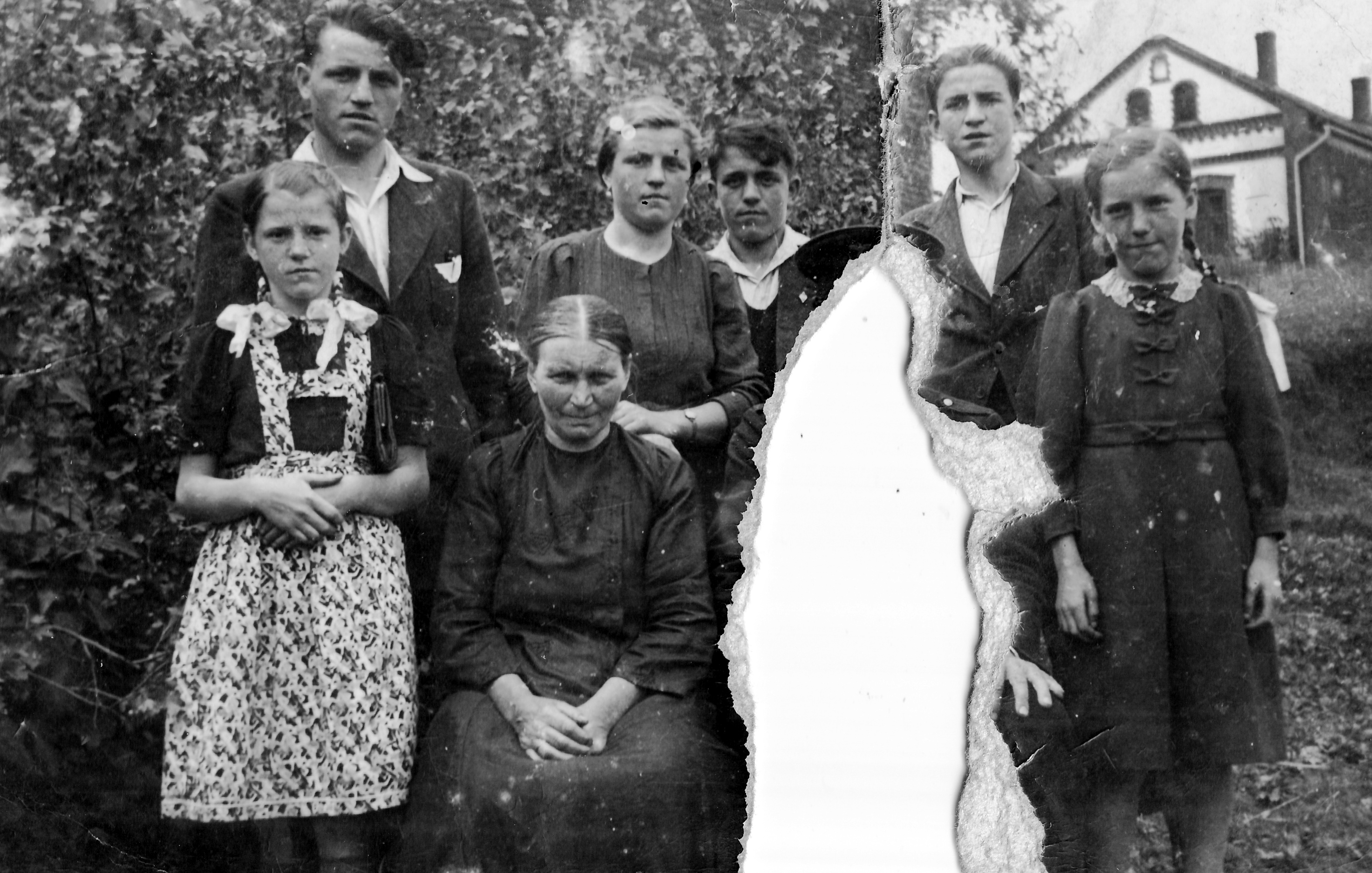
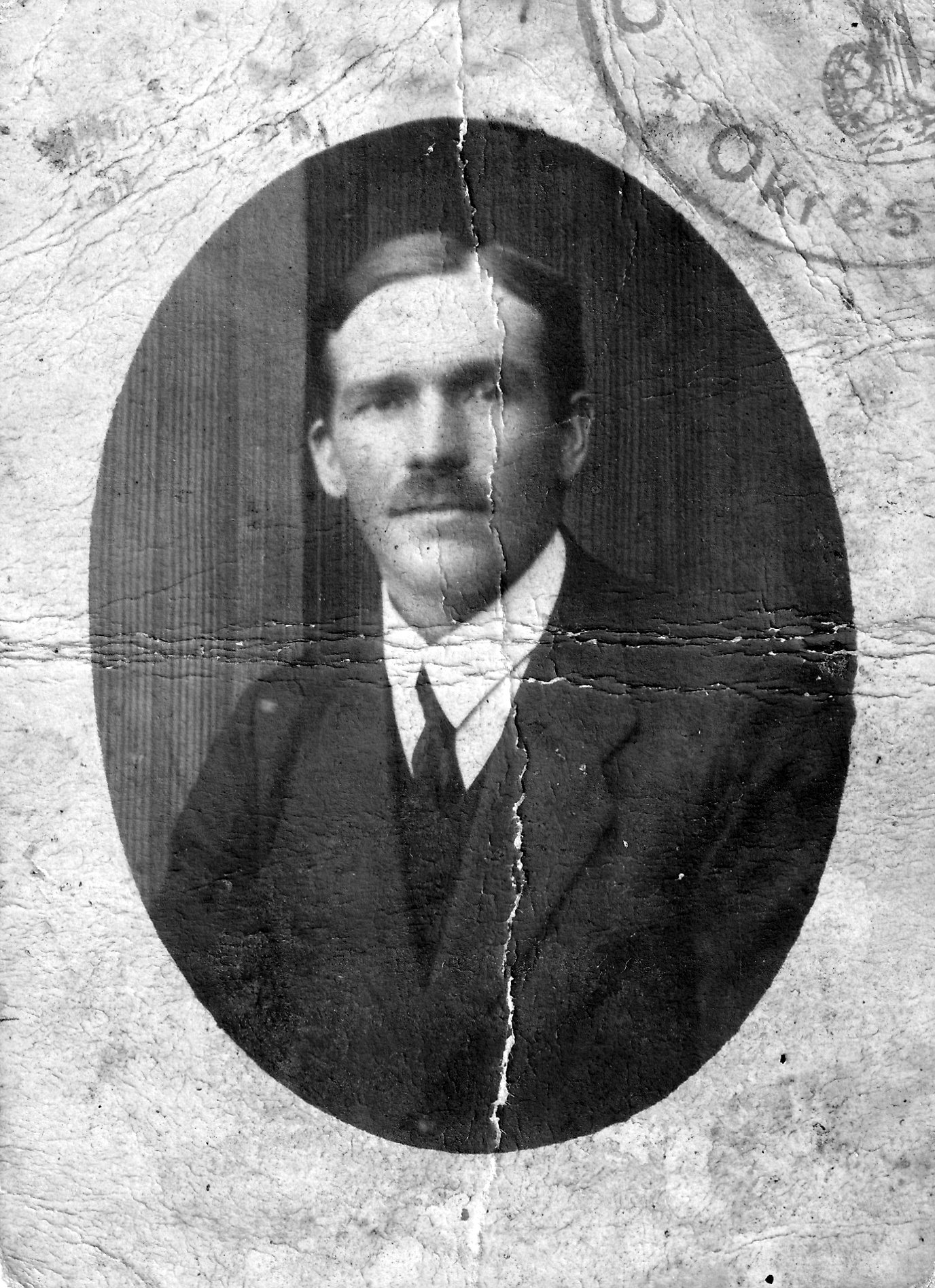
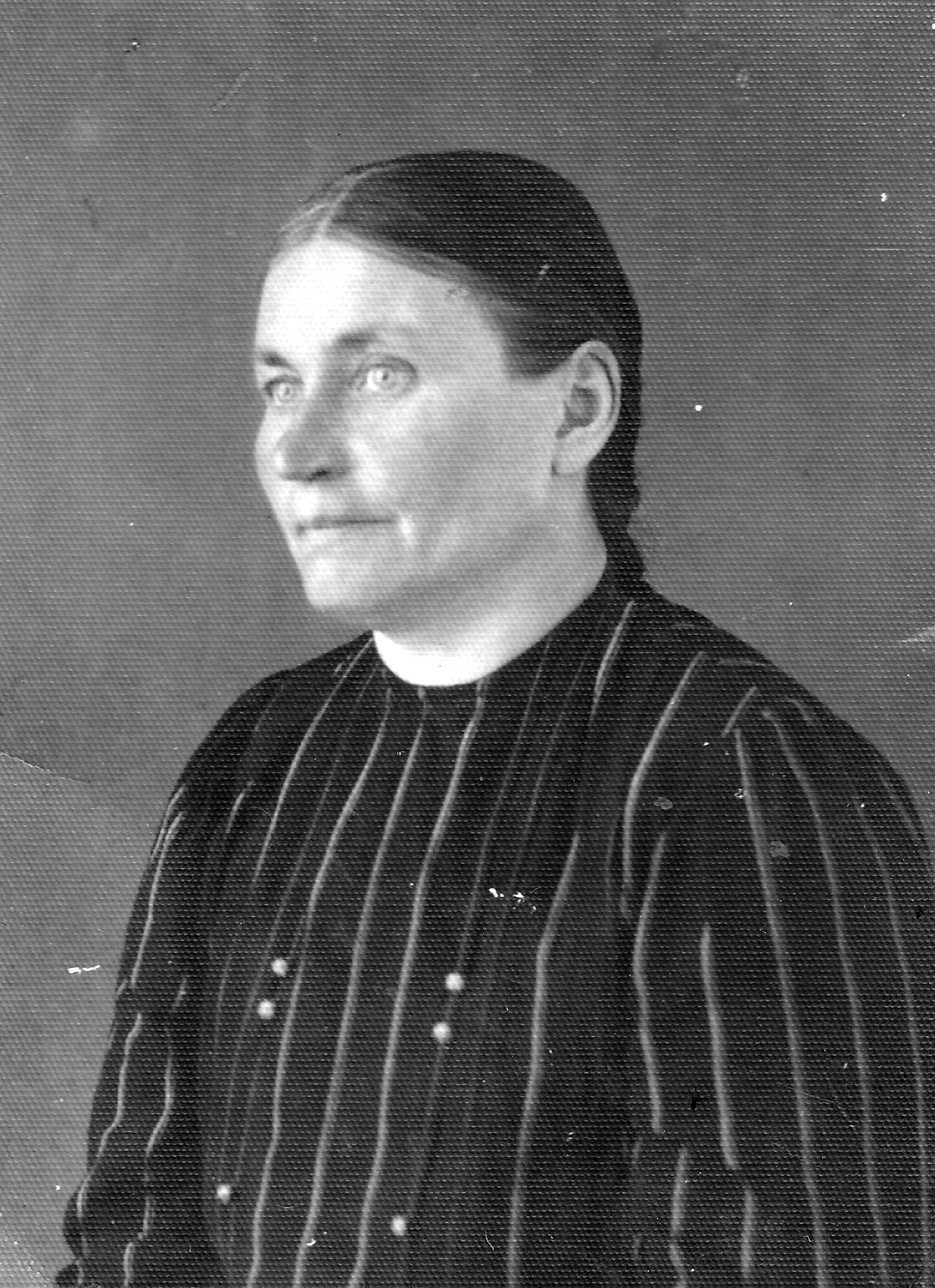
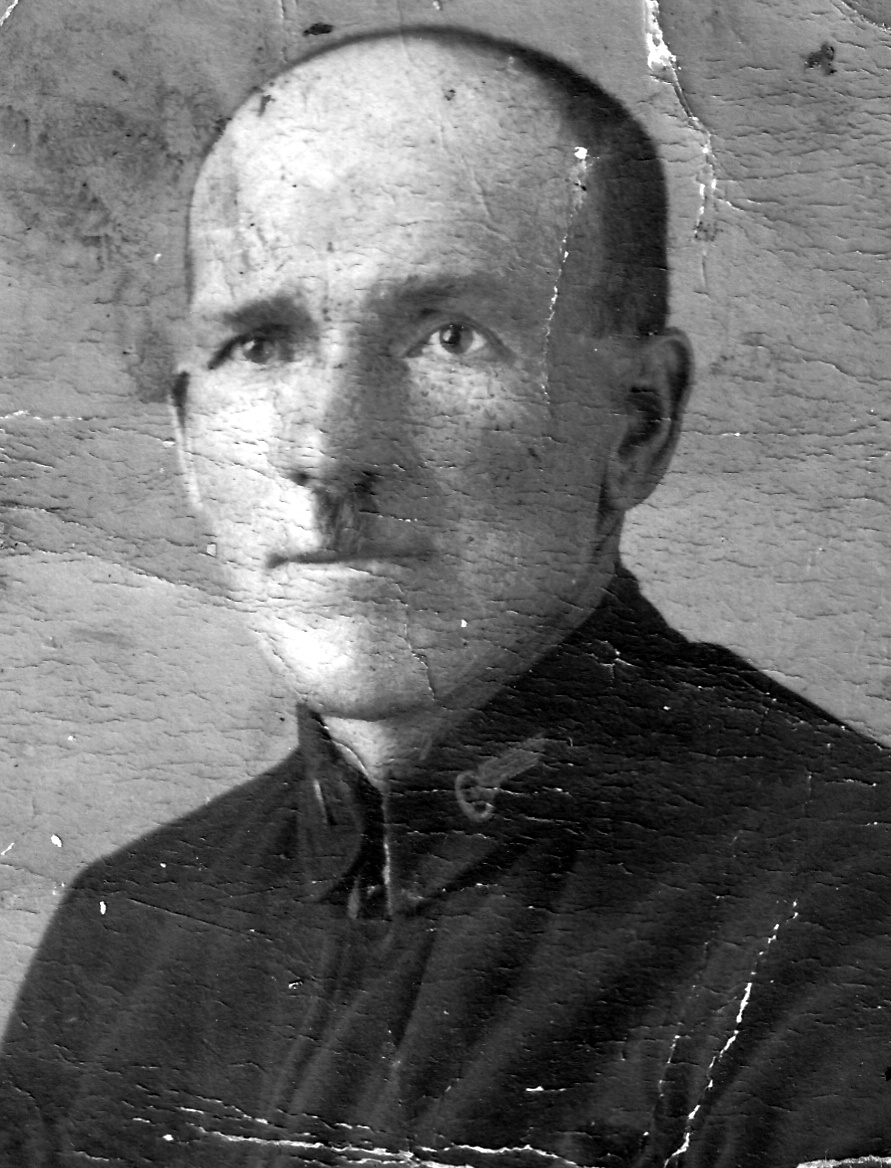
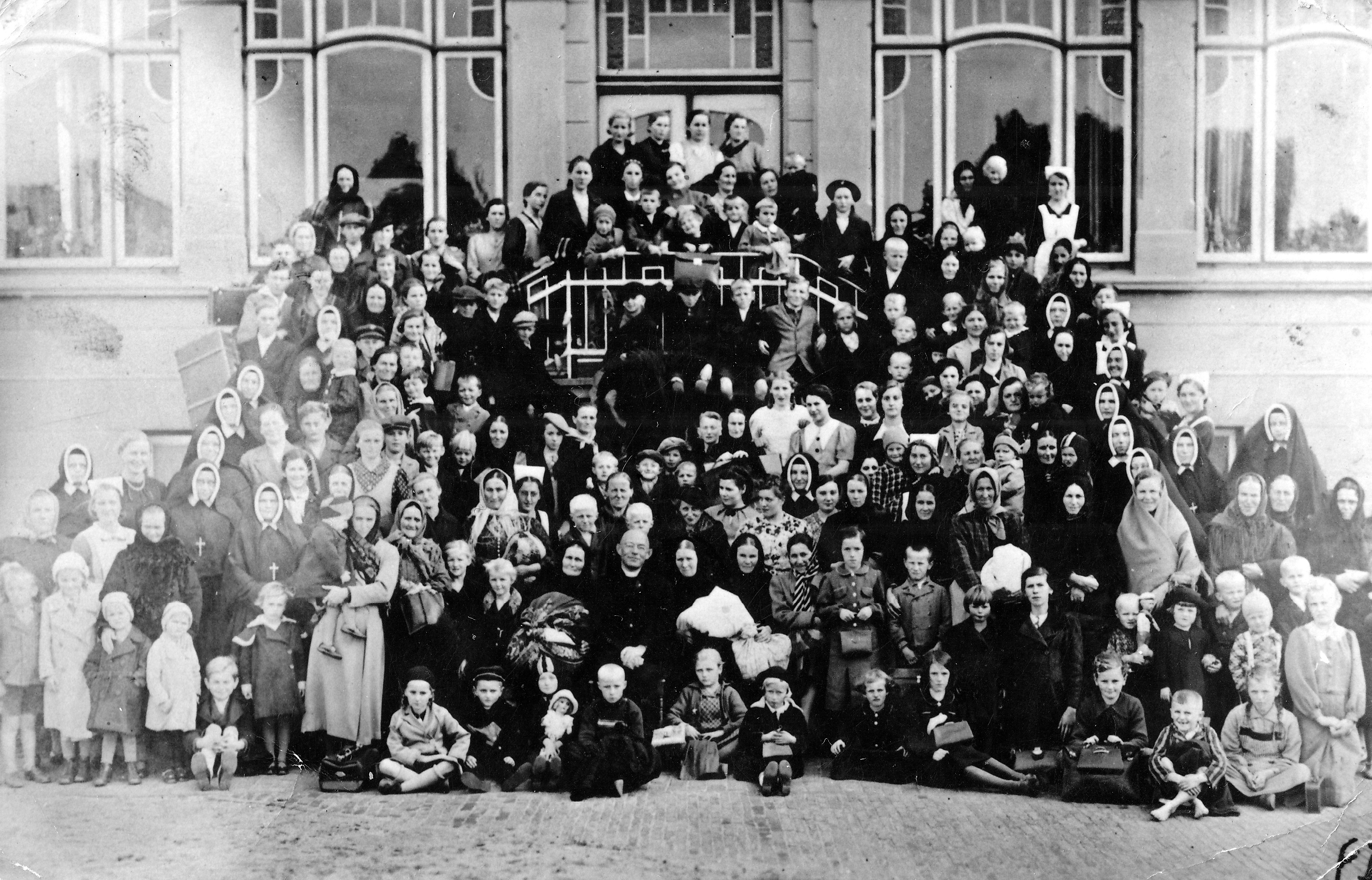
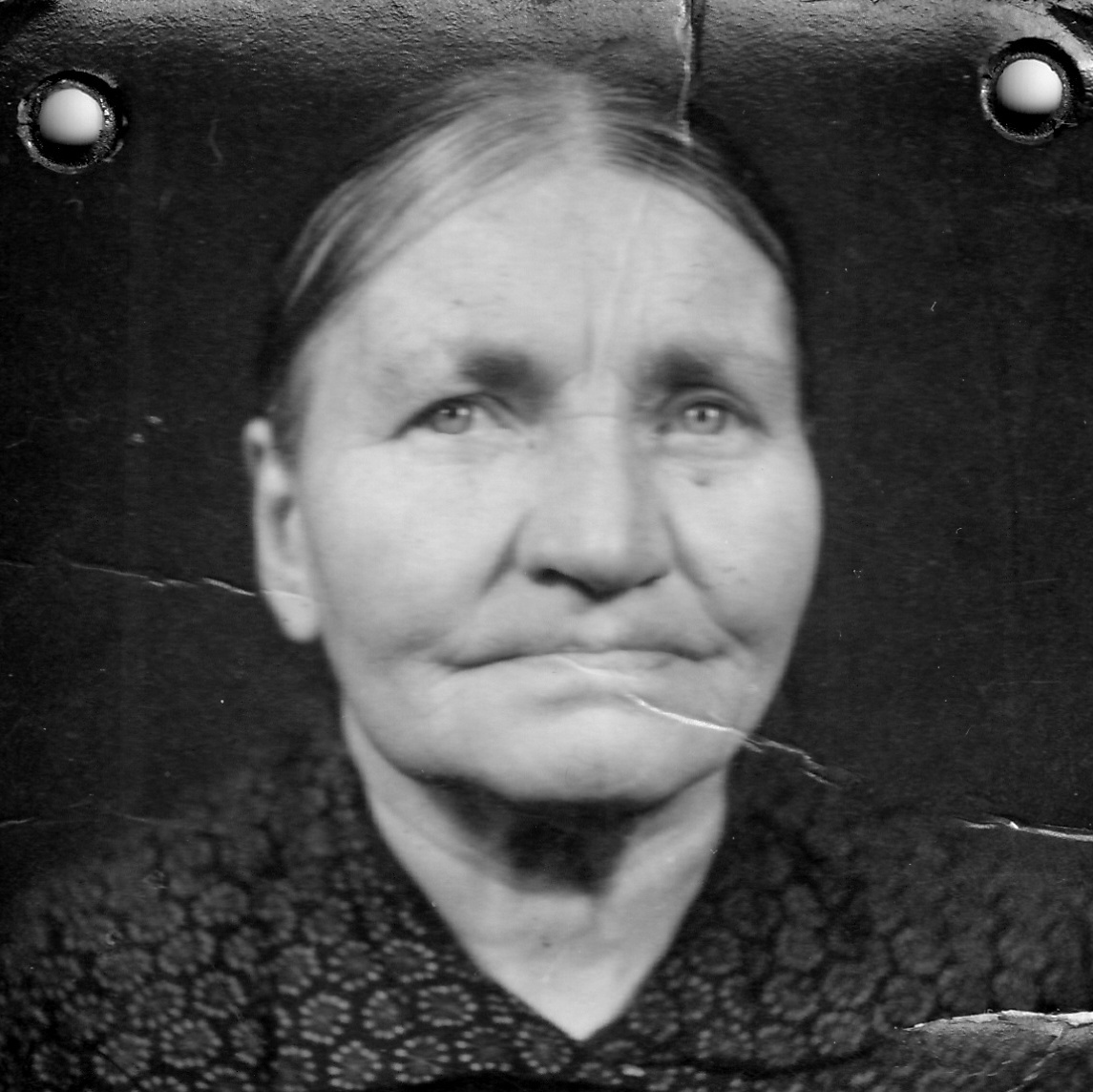
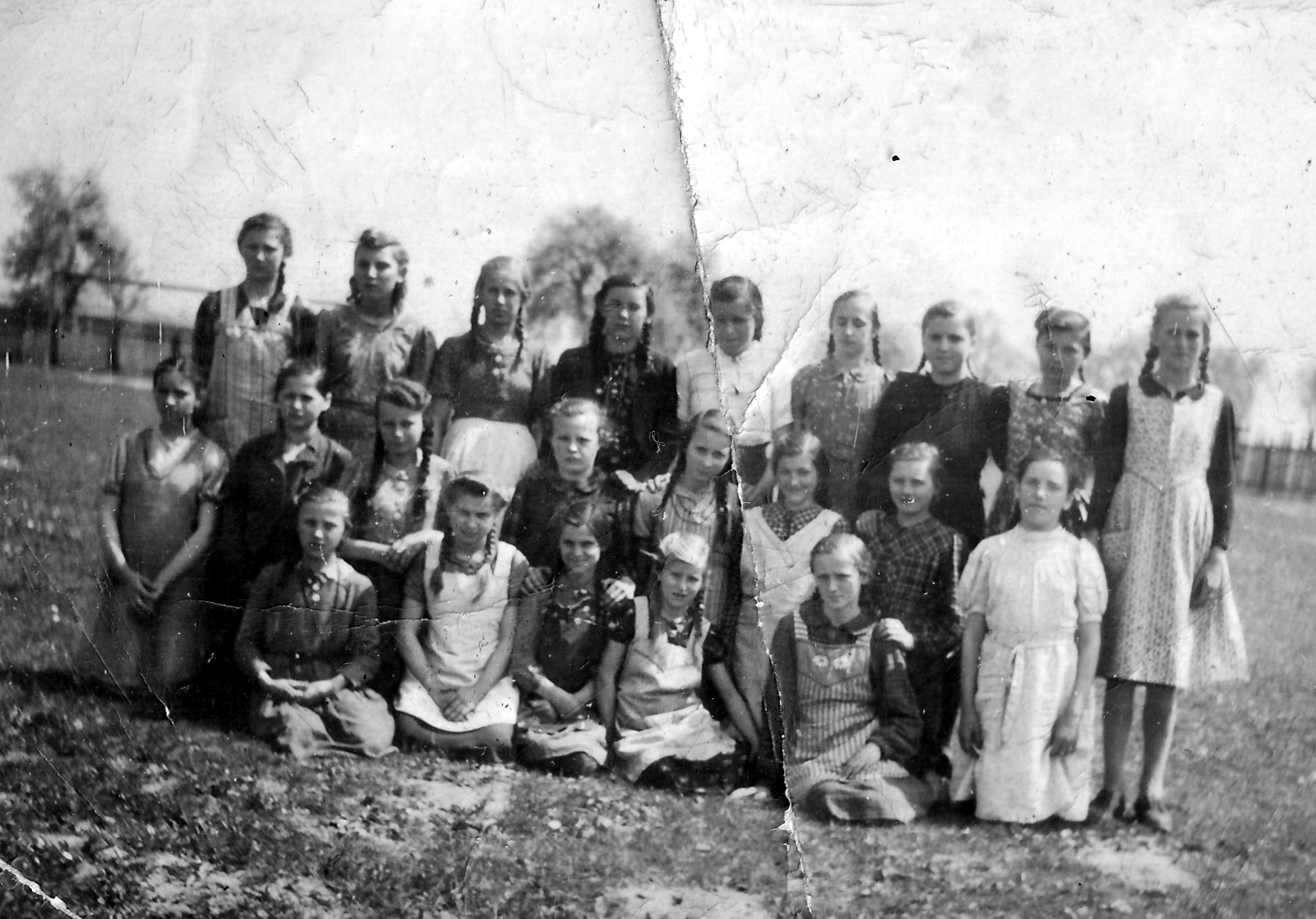
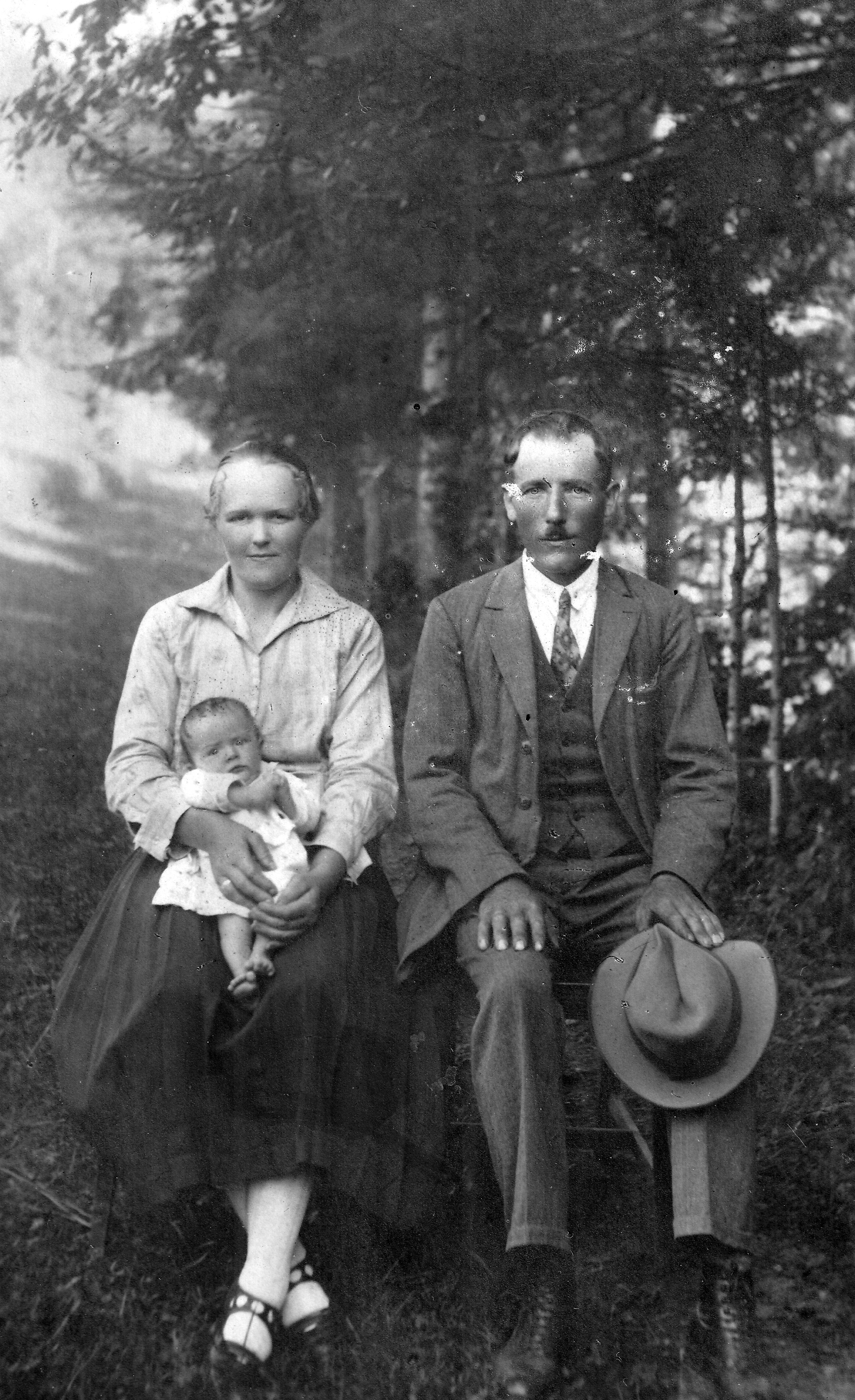
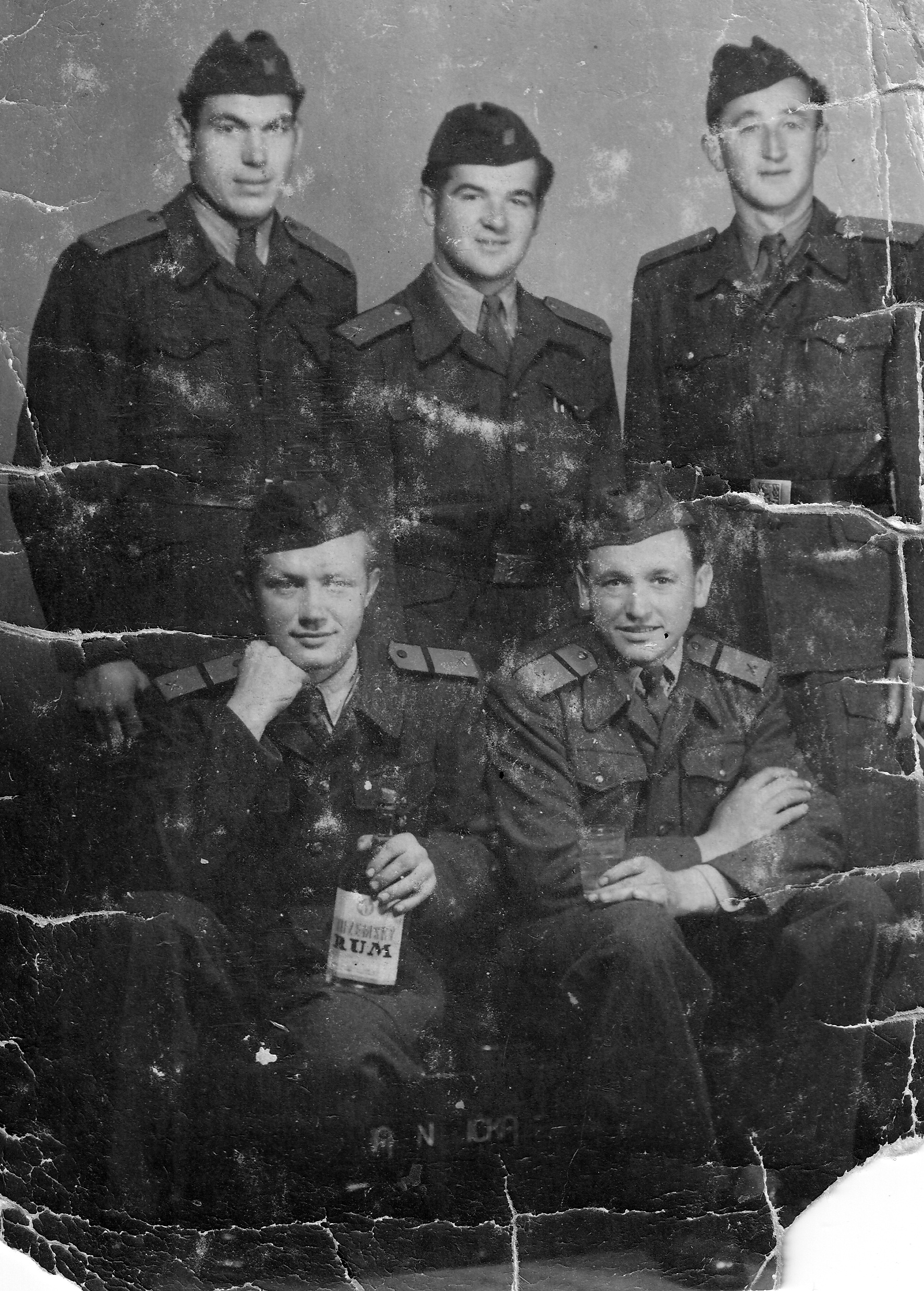
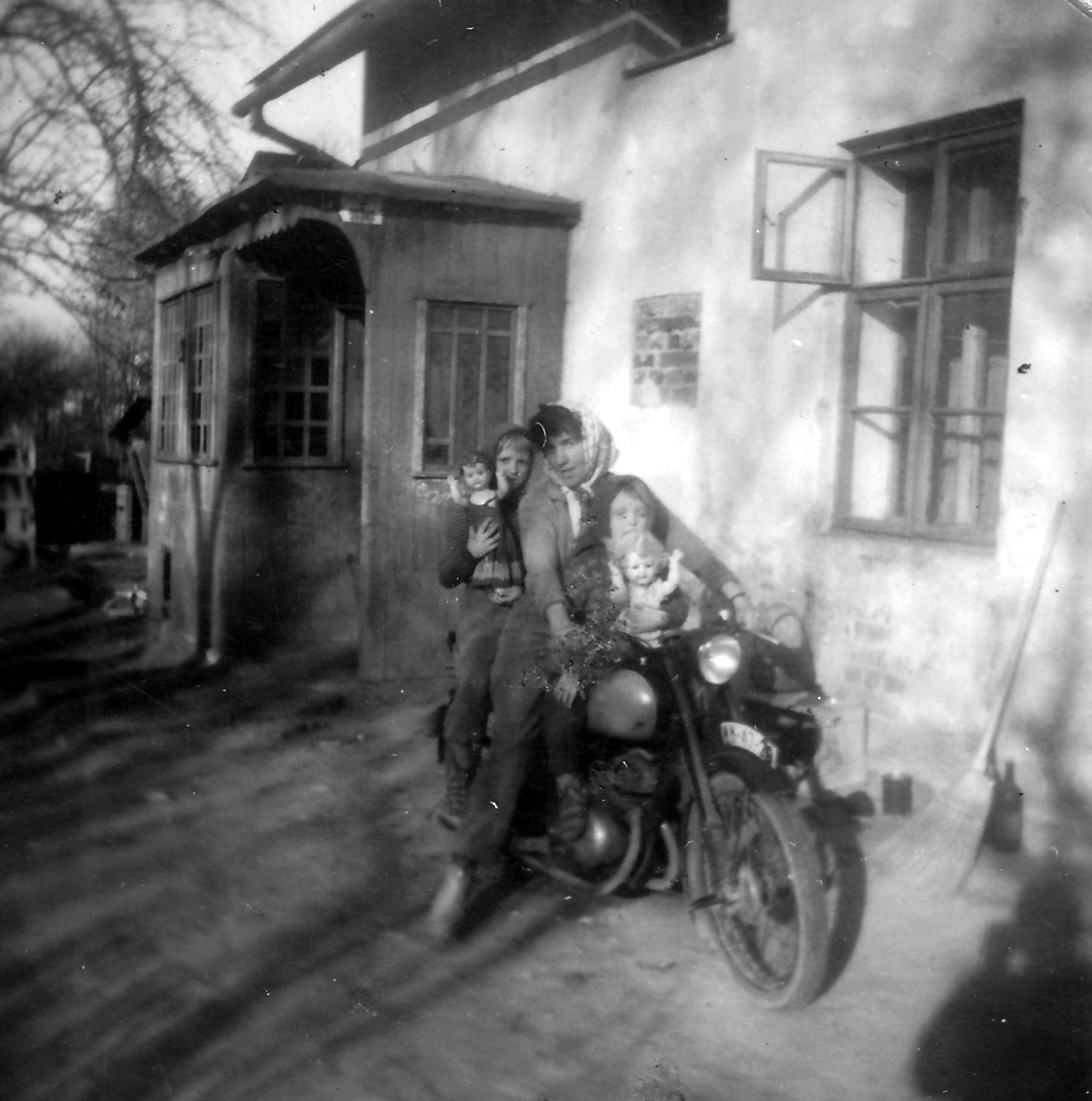
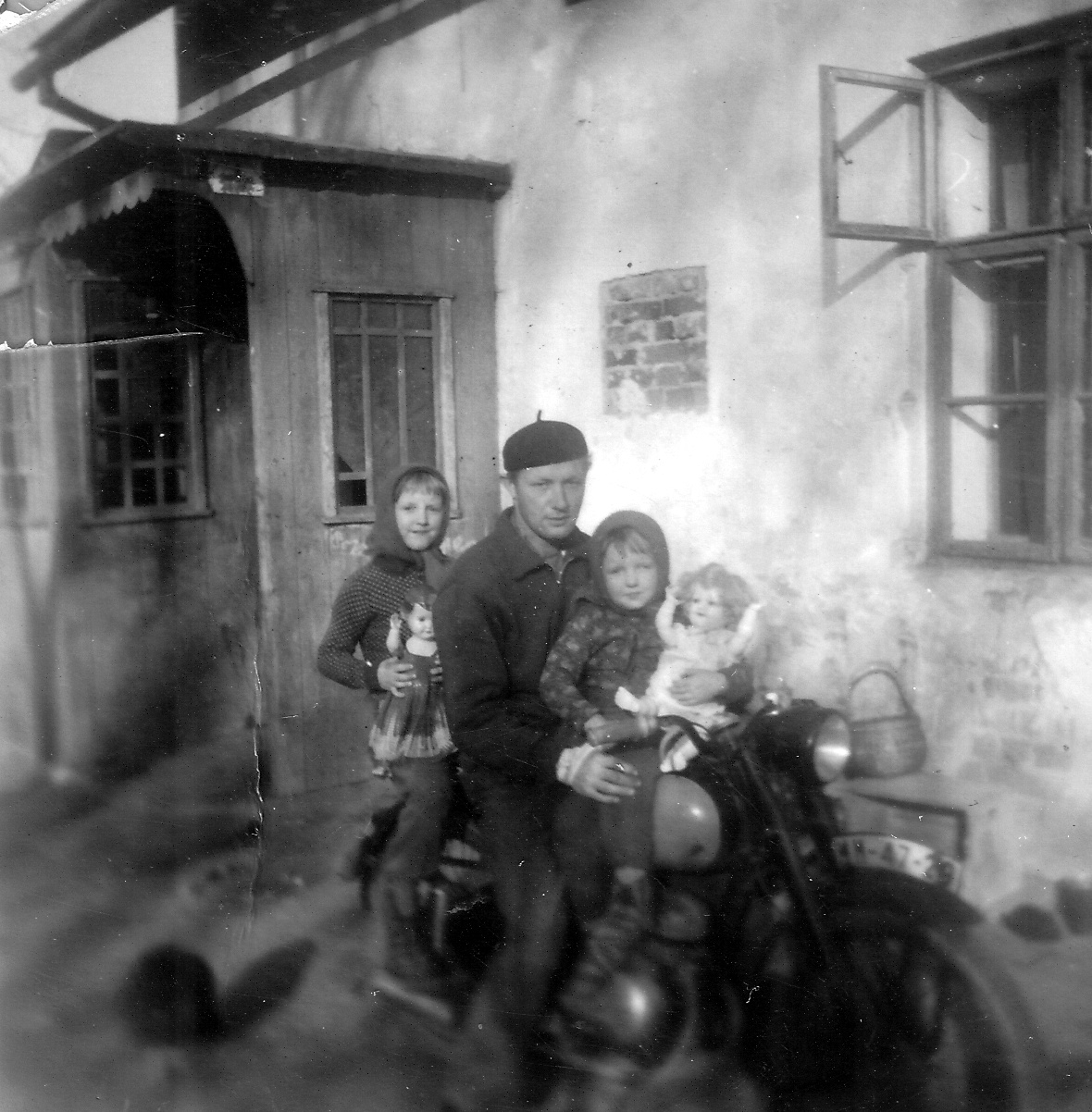
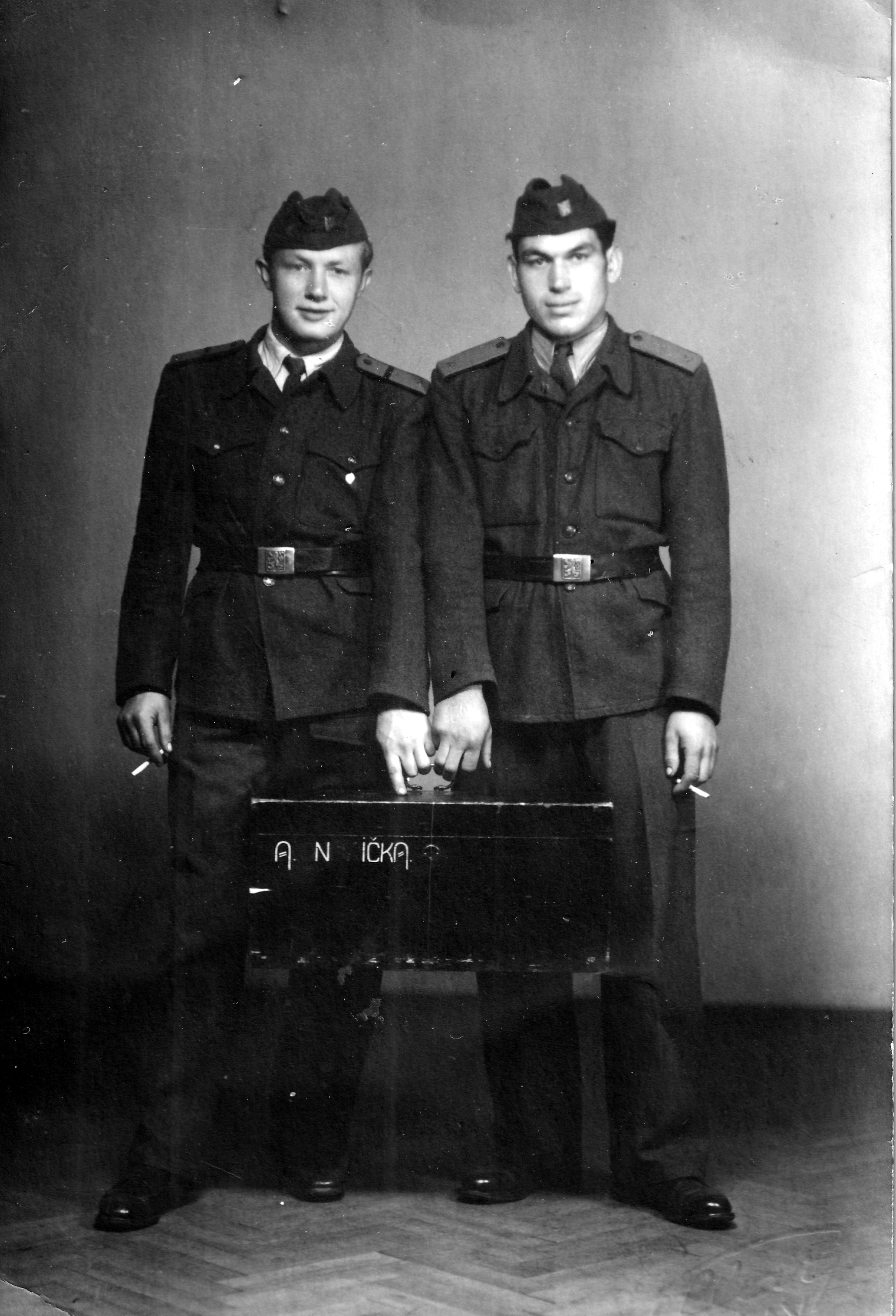
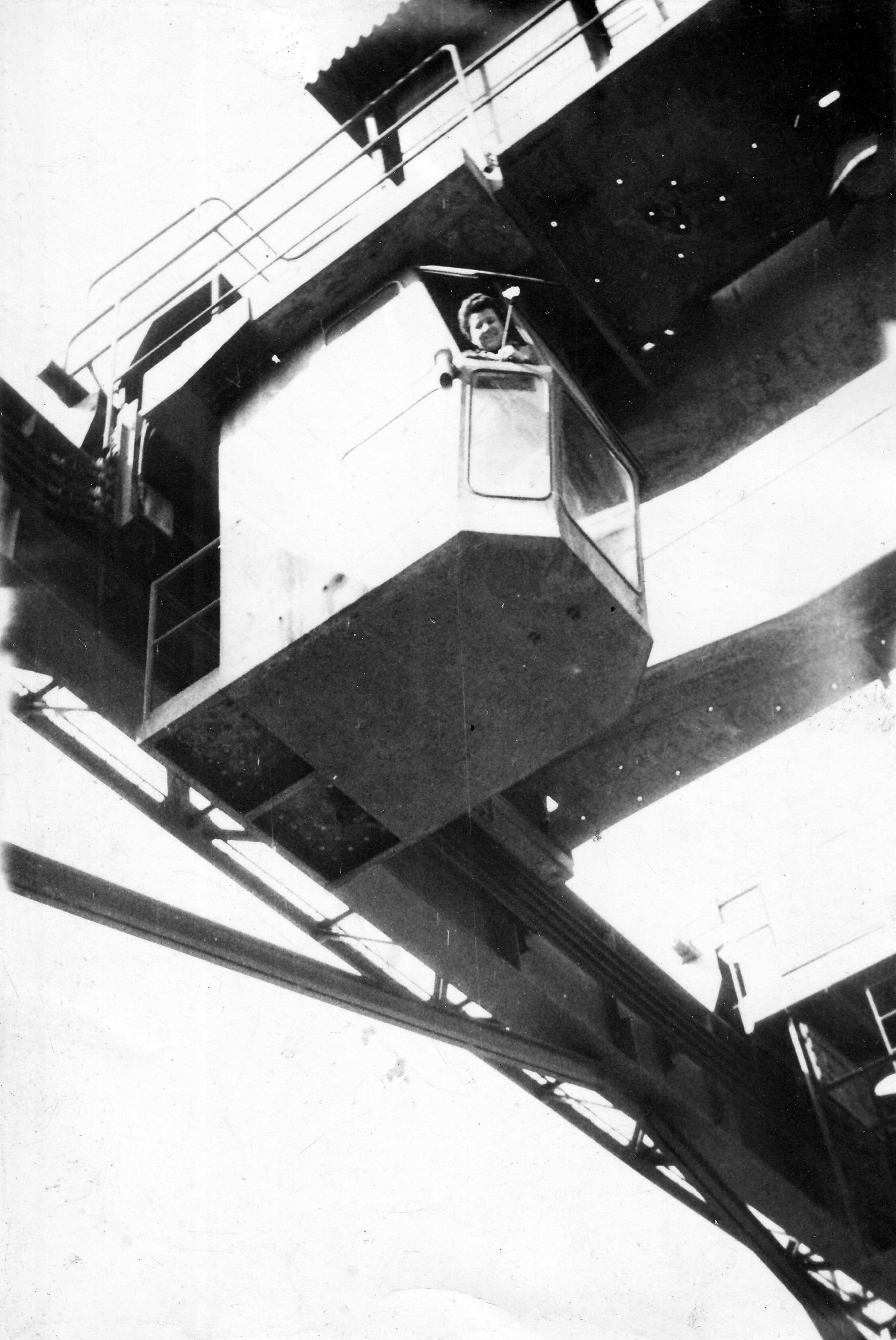
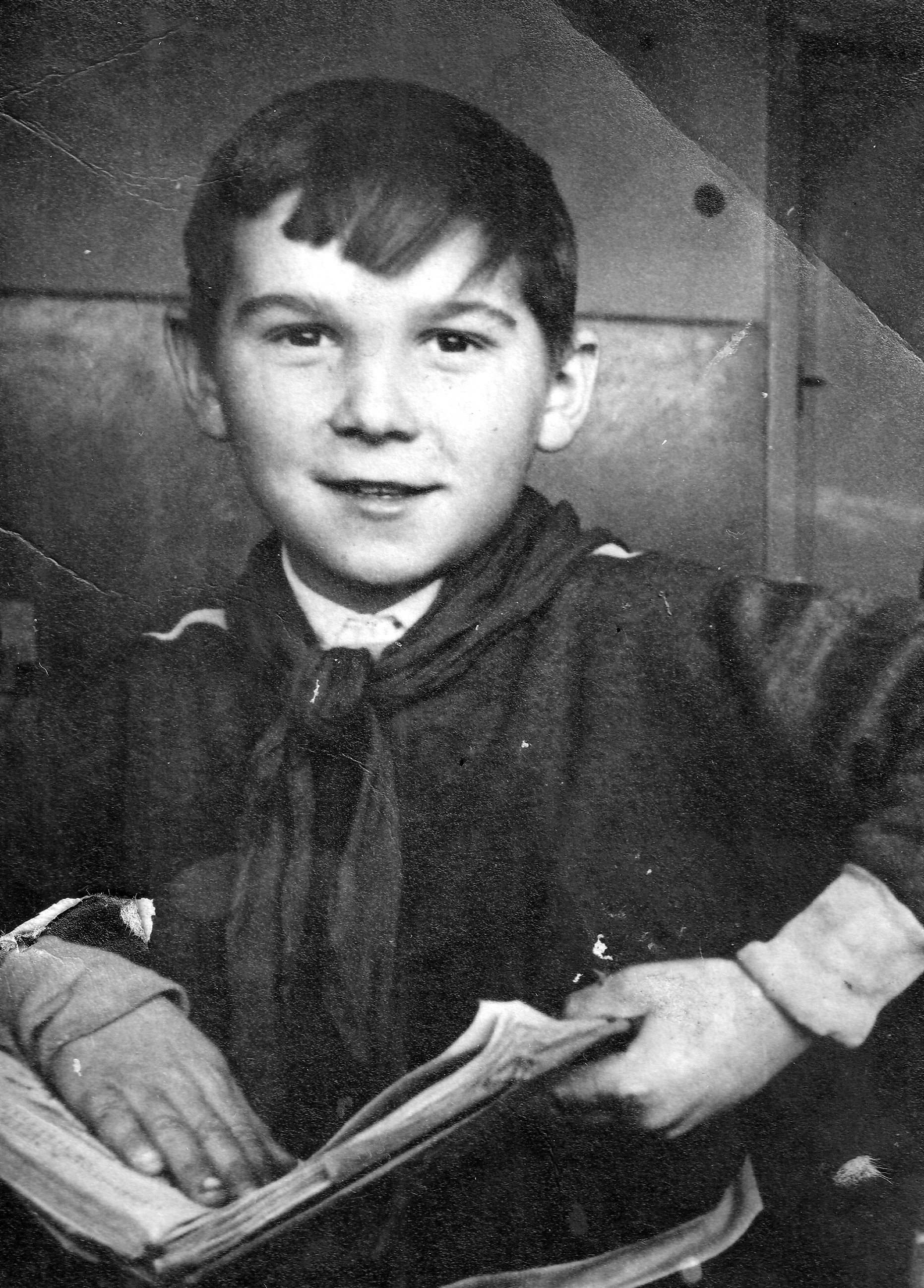
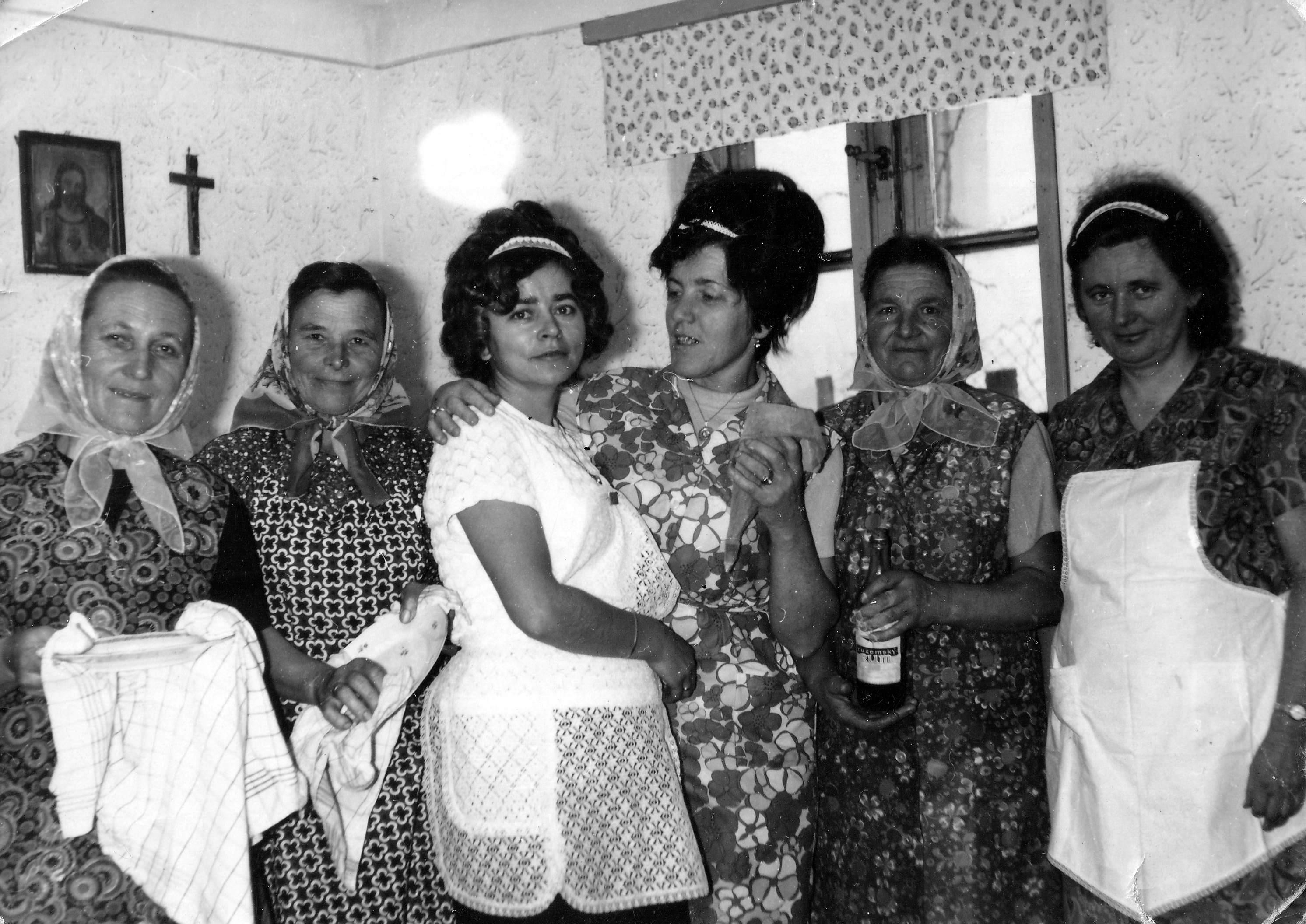
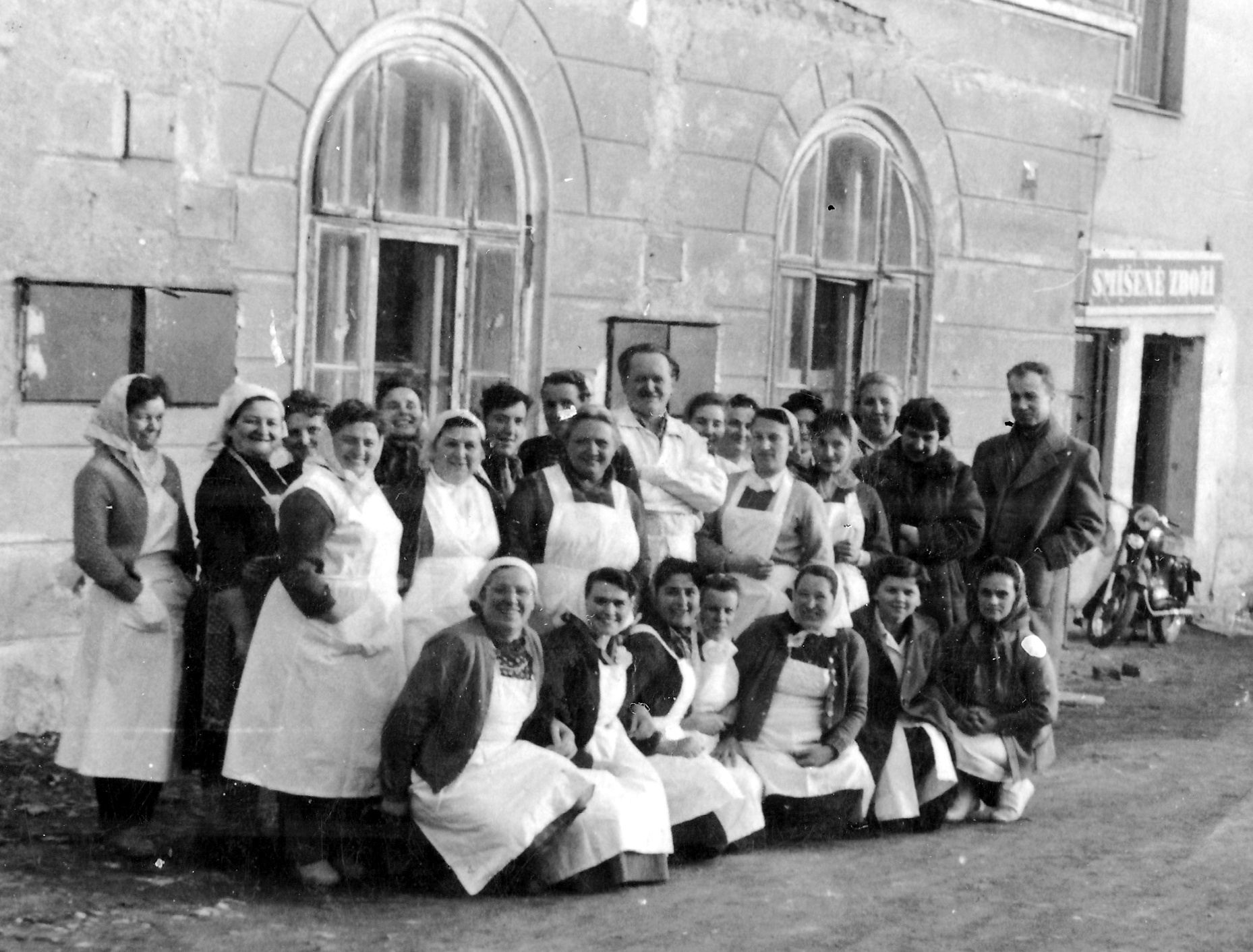
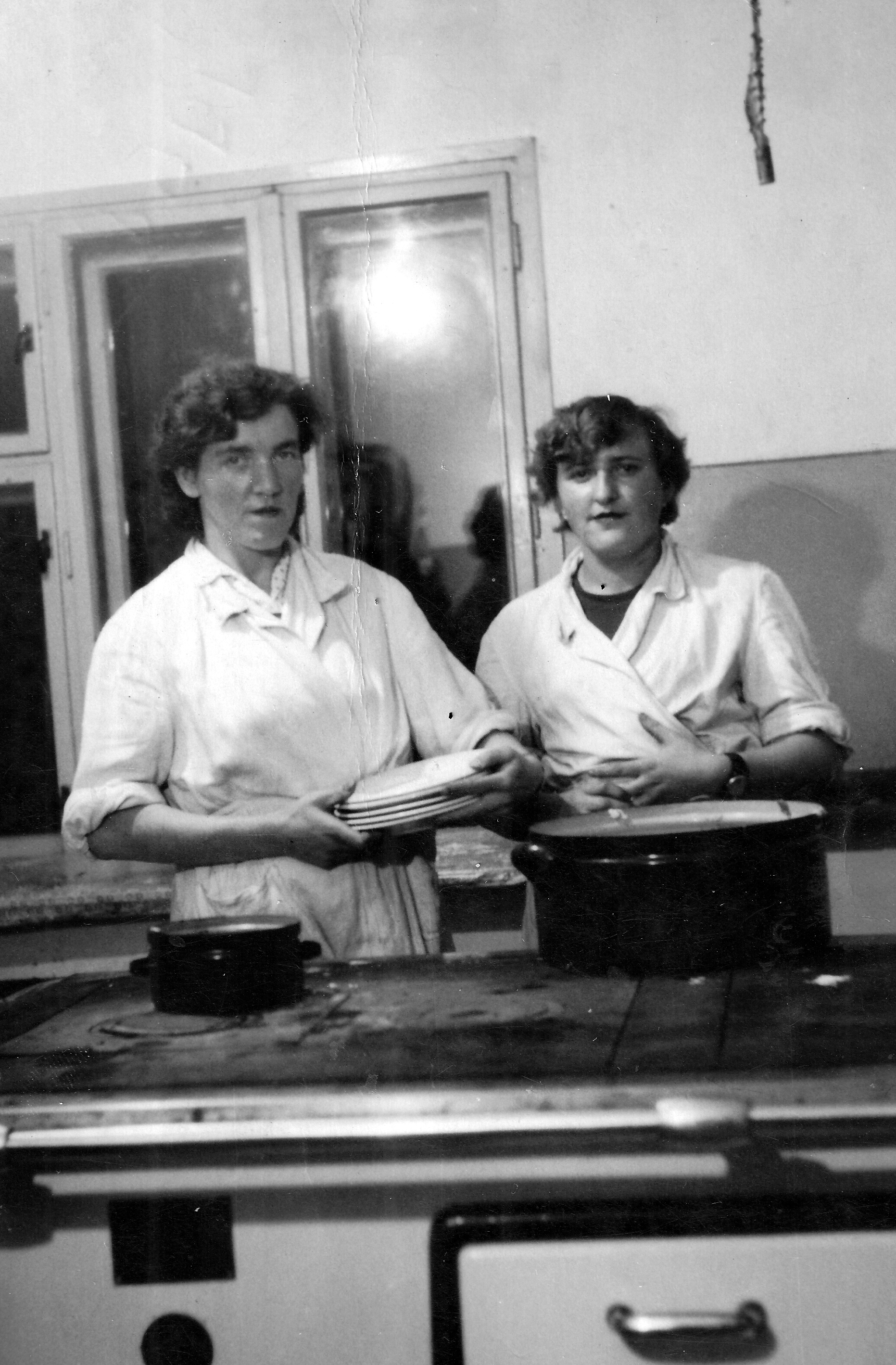
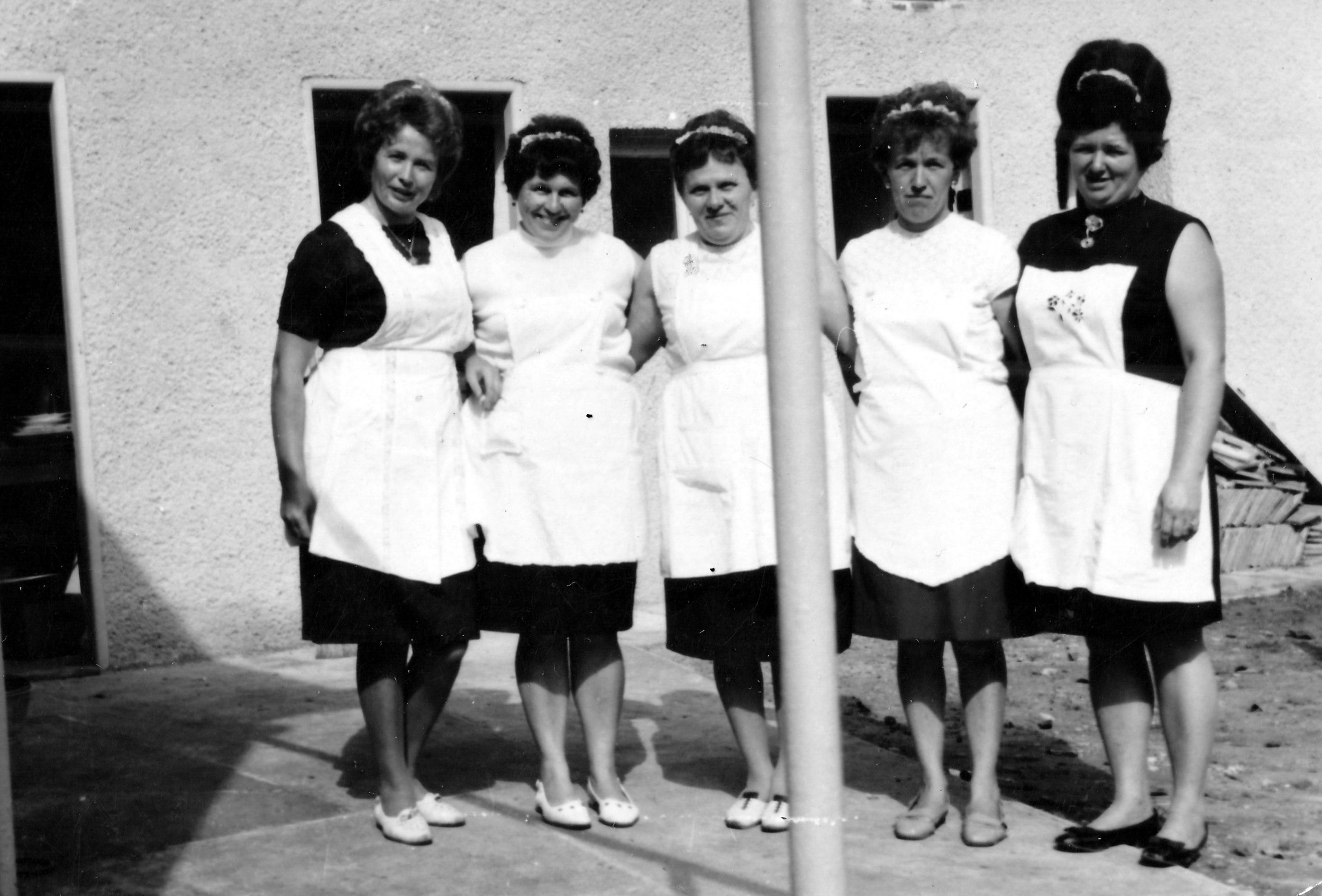
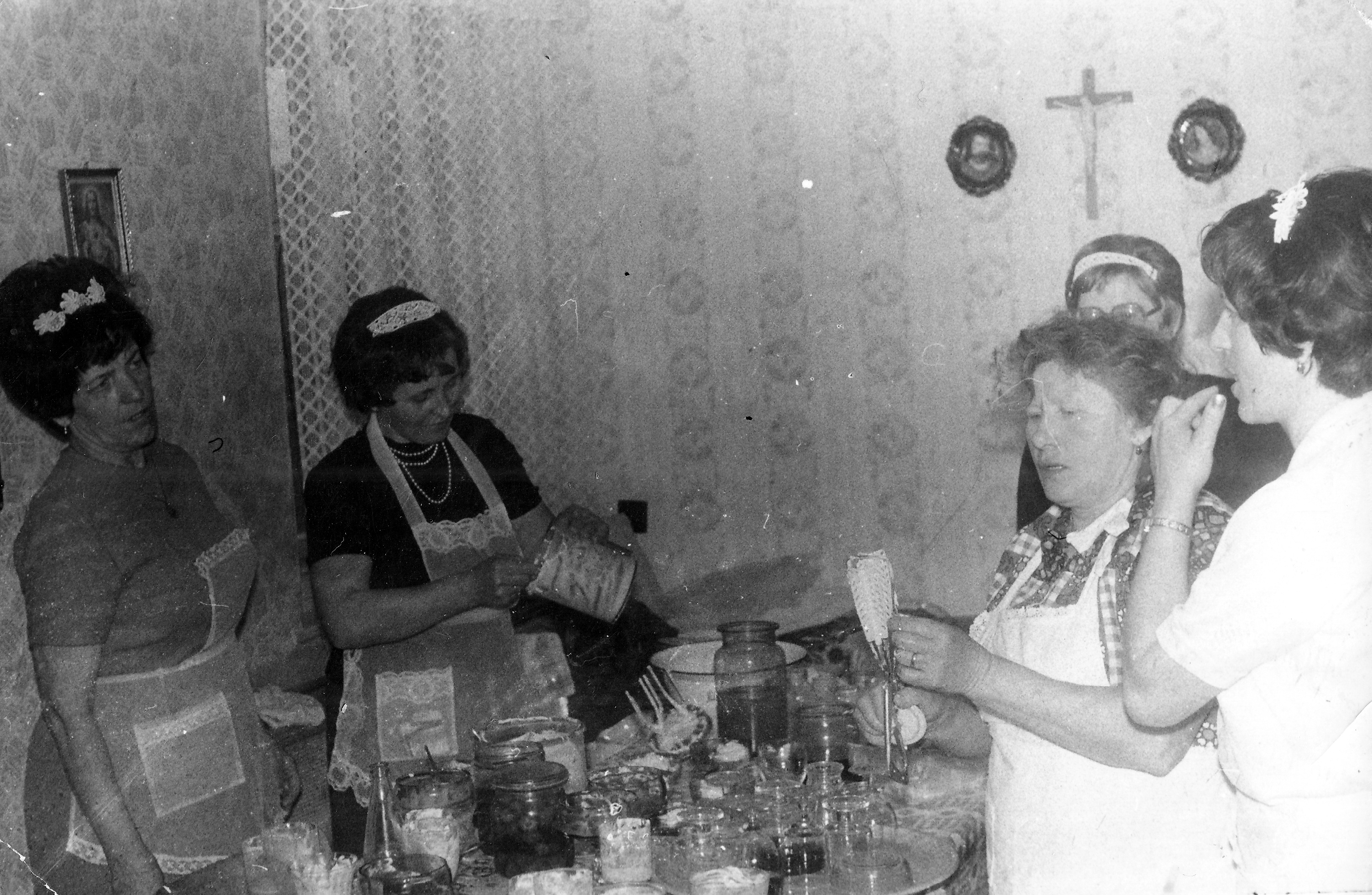
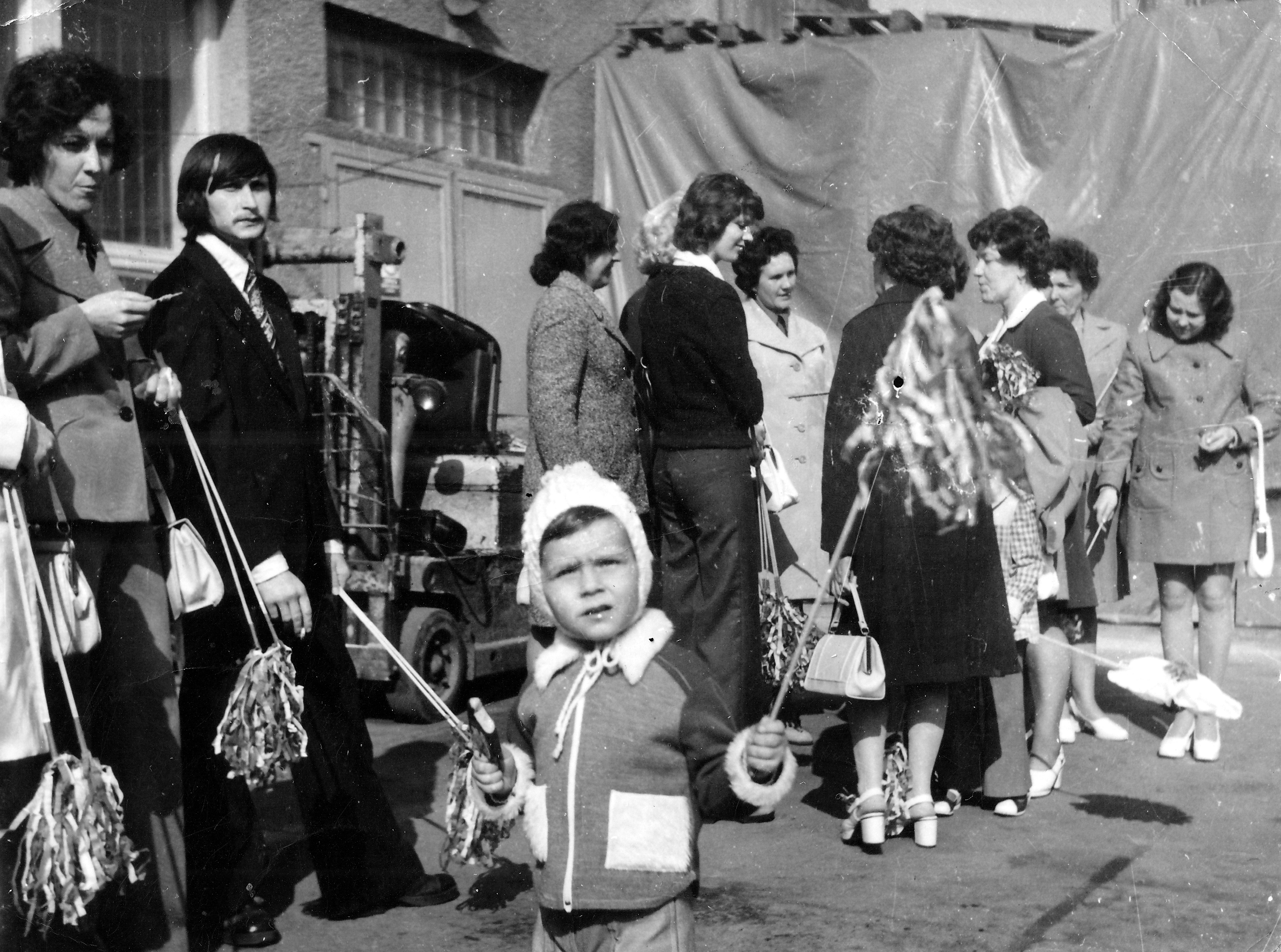
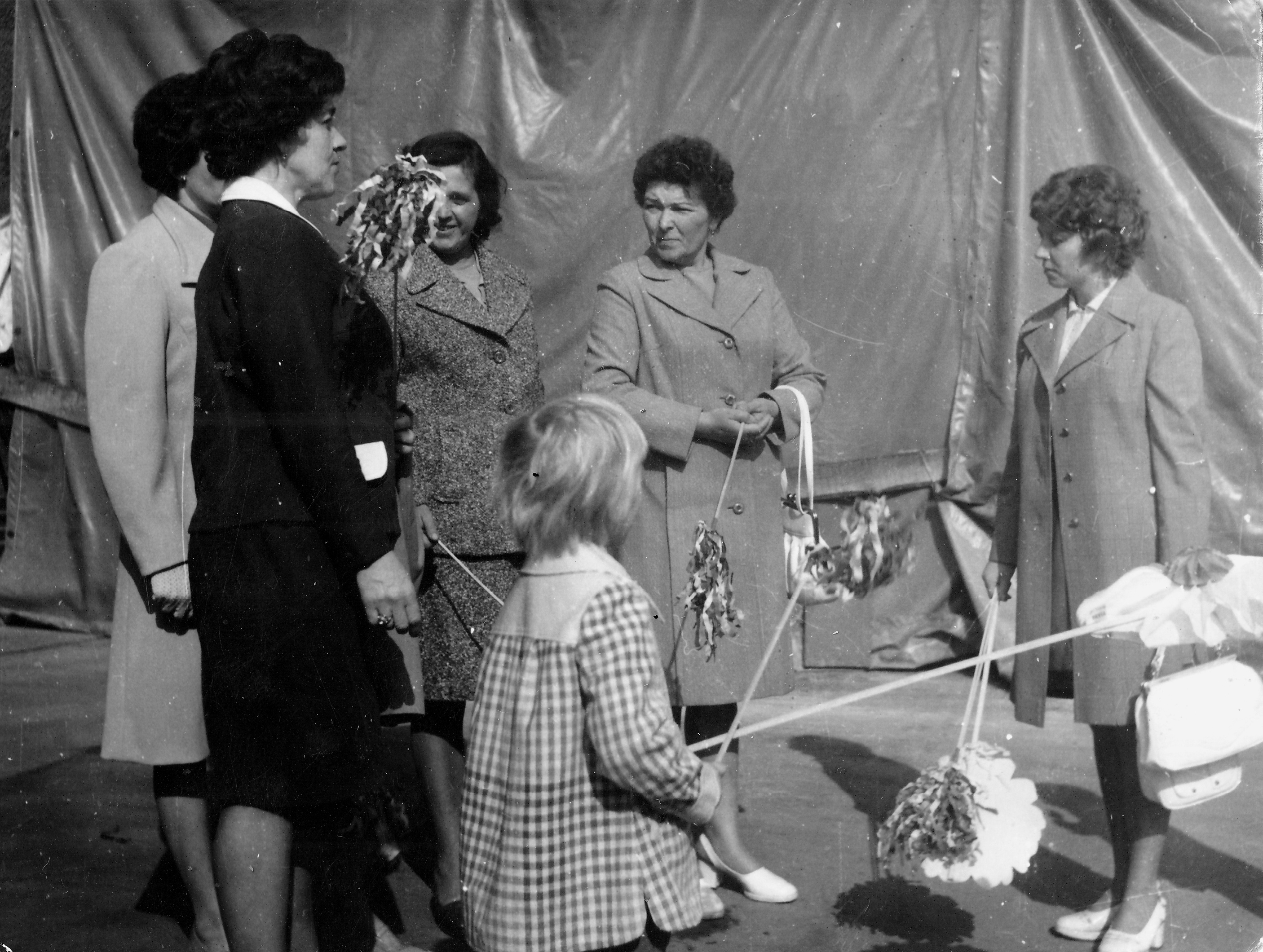
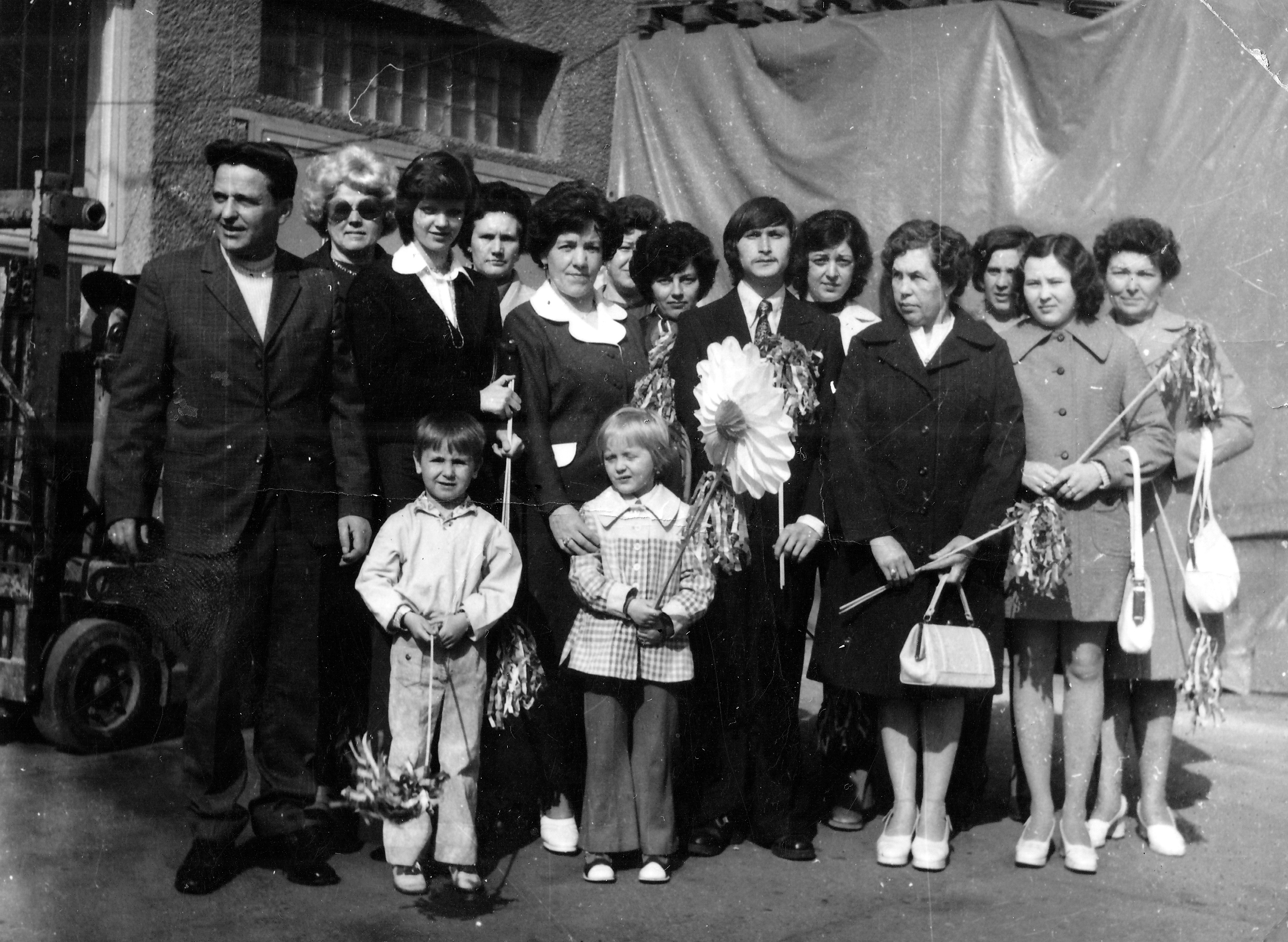
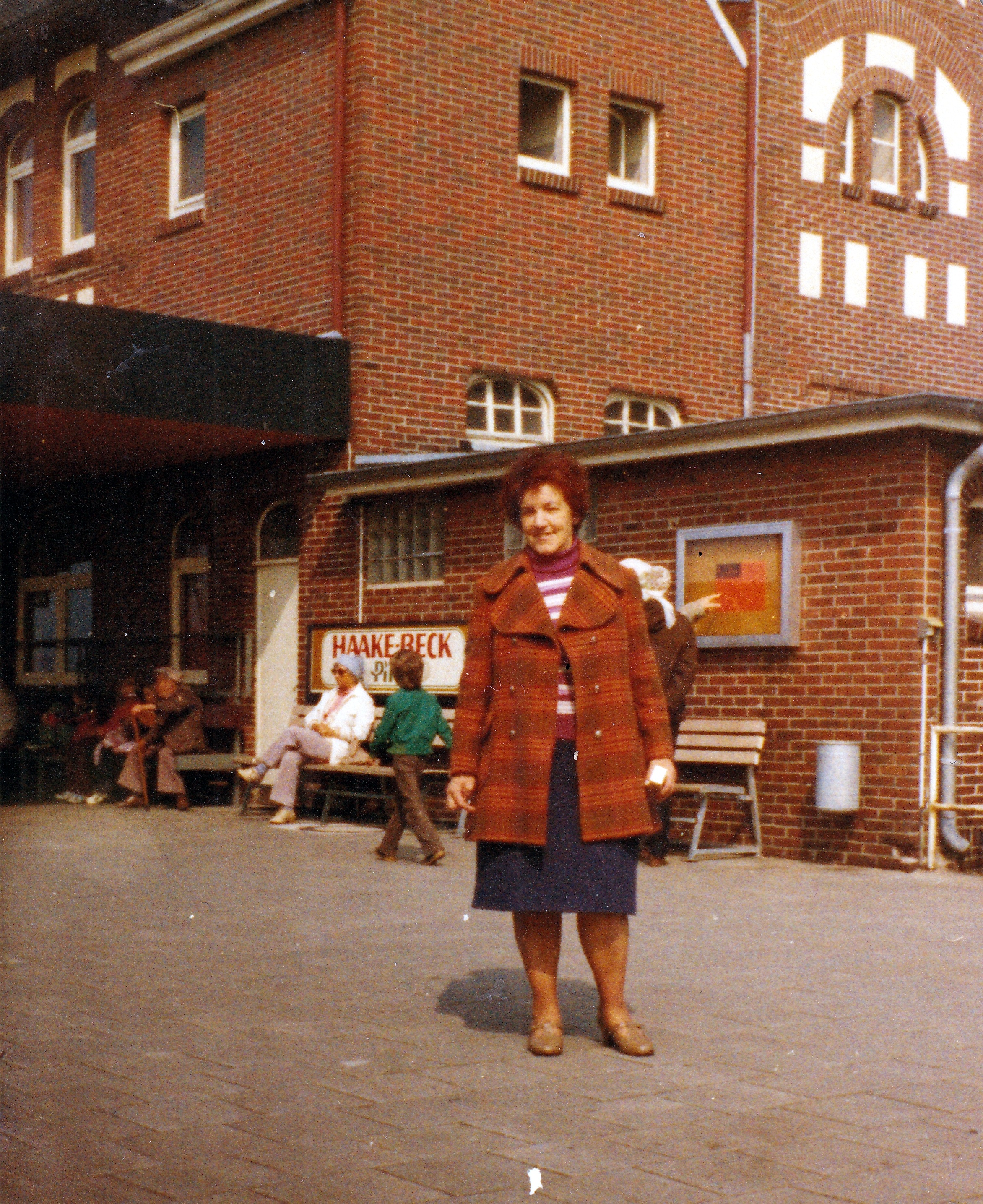
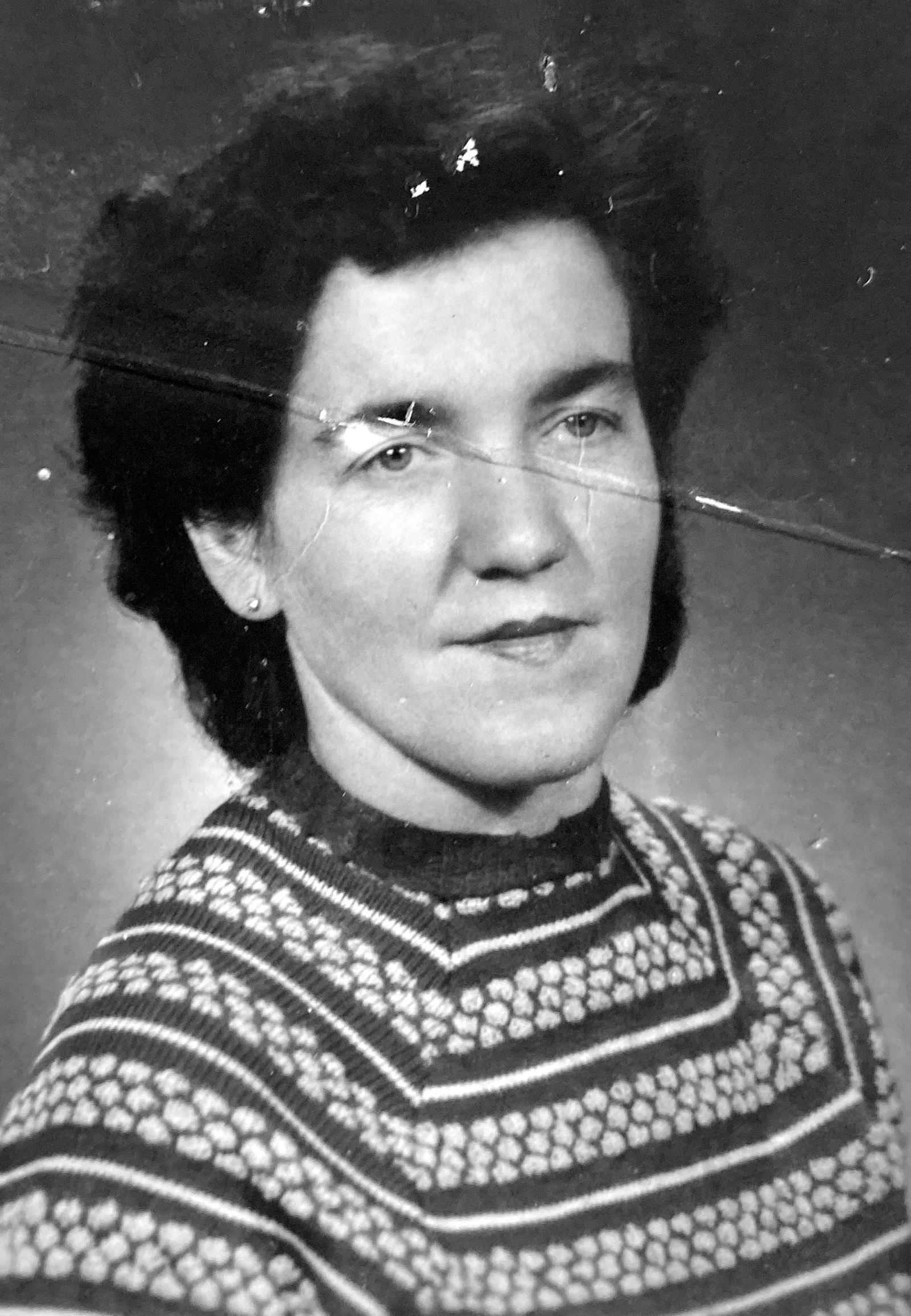
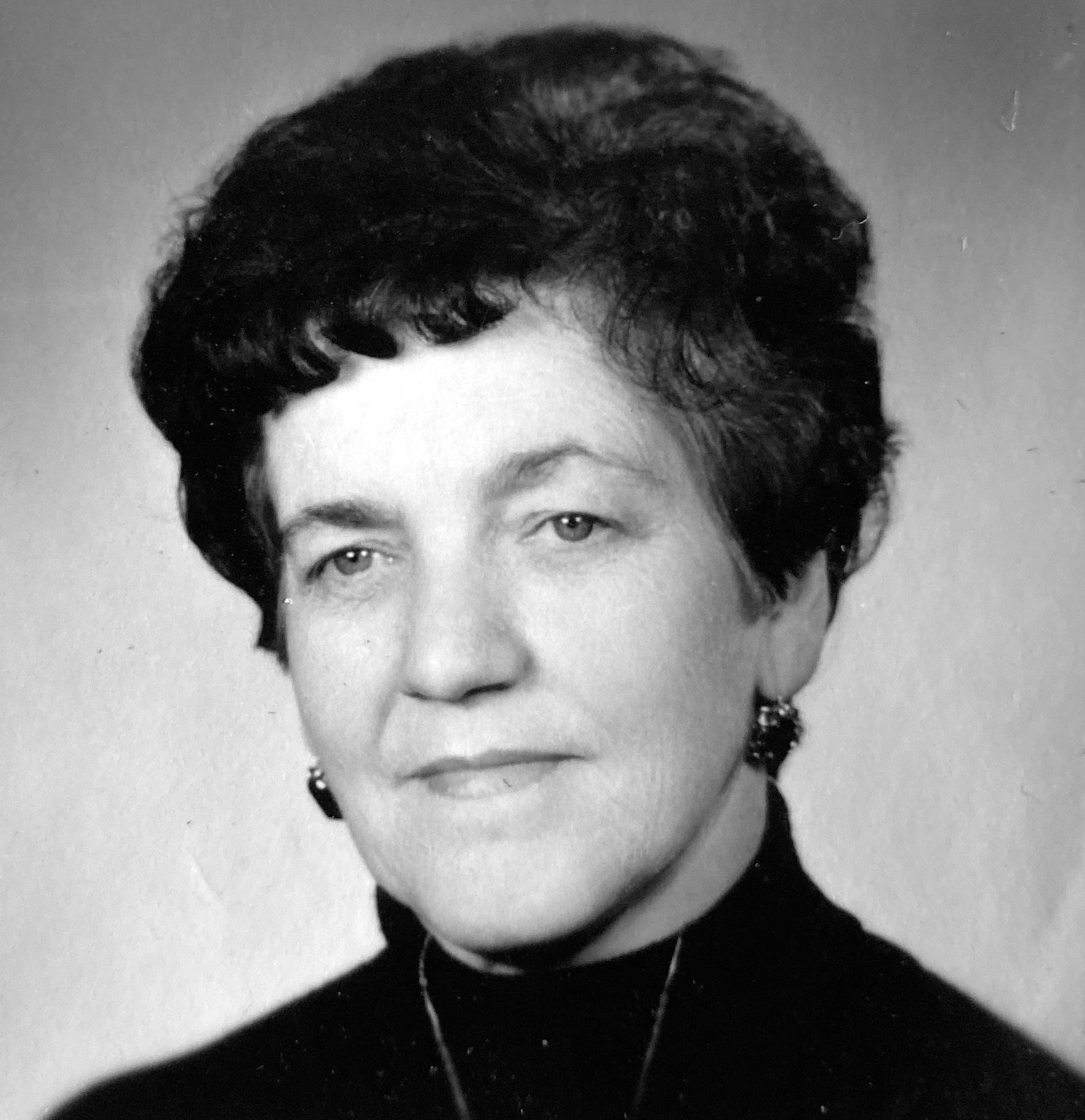
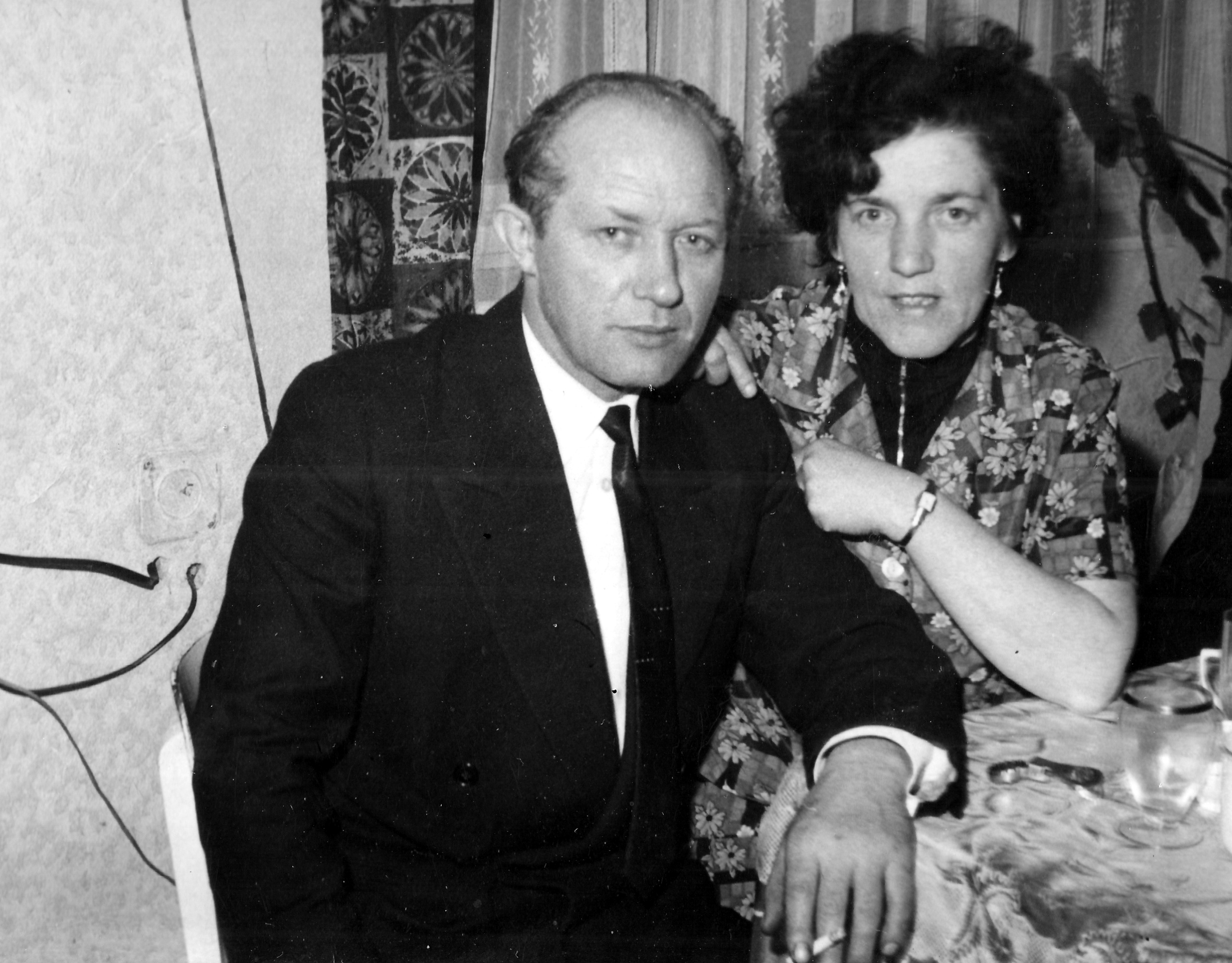
Anna Macečková was born in Štěpánkovice in the Hlučín region on 26 October 1928 railwayman Jan Beneš‘s family. Her father and mother Emilie owned a small farm. After the general Czechoslovak mobilisation in September 1938, she witnessed the evacuation of women and children to Germany. All her five older brothers had to enlist in the Wehrmacht during the war. Anna was assigned to serve with the German headmistress of a school in nearby Bolatice from 1943. In the spring of 1945 she witnessed the crossing of the front of the Ostrava-Opava Operation. The family fled the village, and when they returned they witnessed the battle of Štěpánkovice She experienced the violence of the Soviet army soldiers against the civilian population and the post-war deportation of several families to Germany. She worked on the family farm after the war. She held several other jobs later on. At the time of filming for Memory of Nation in April 2025, she was living in her family home in Štěpánkovice.