Ing. Tomáš Kohout

* 1952

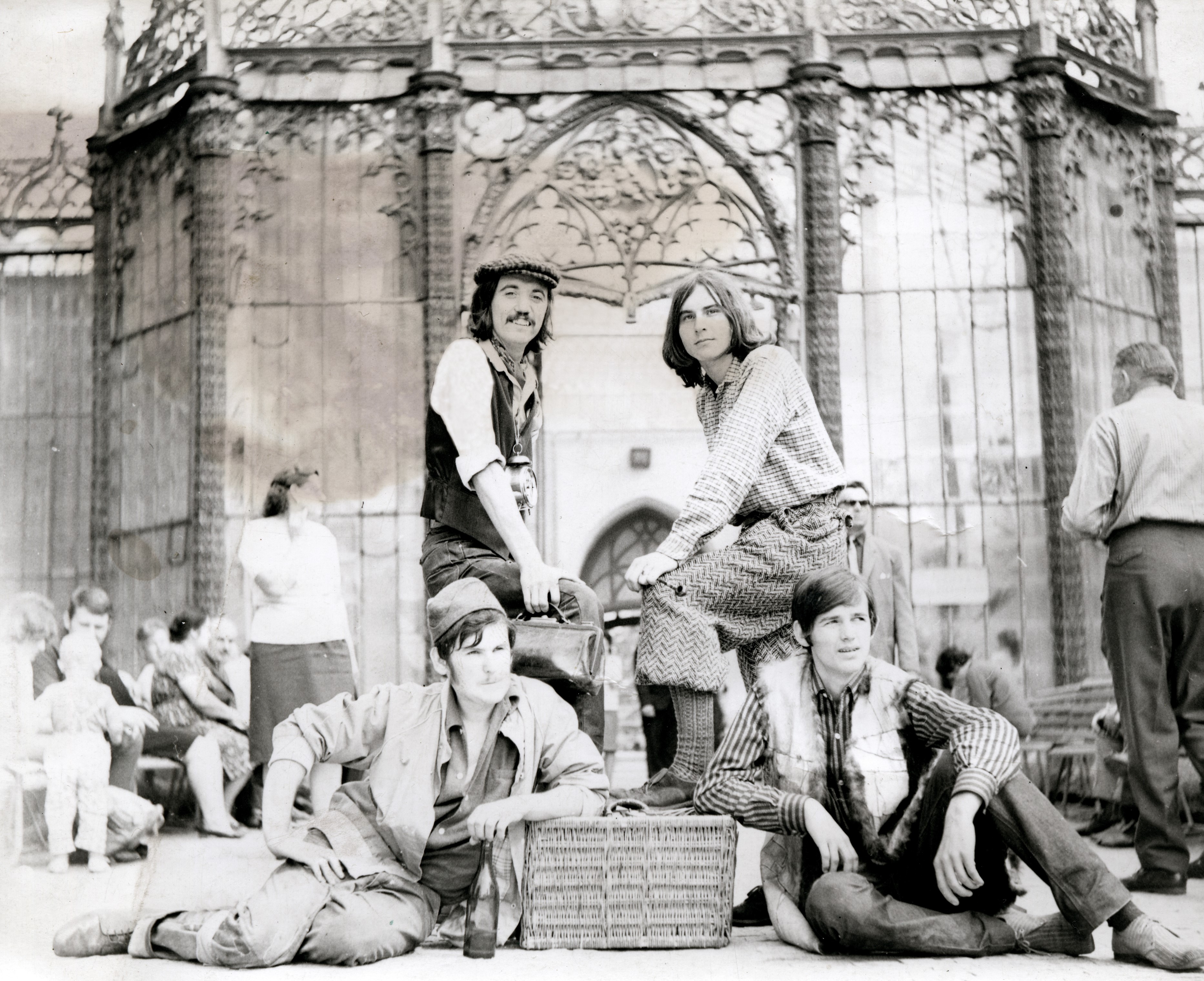
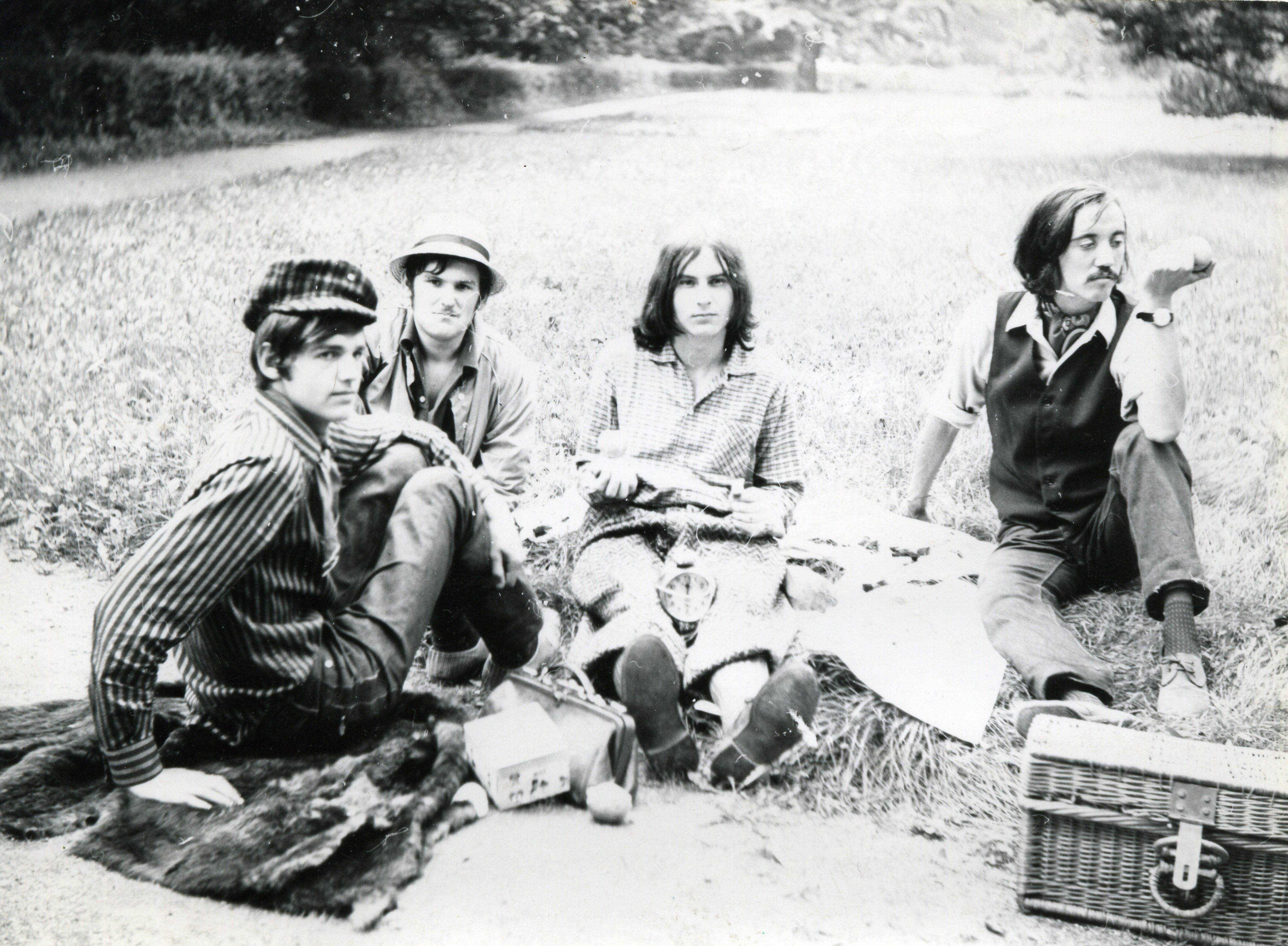
  • "You sit there on your ass from morning till night, once a week you were allowed to go out, we went to another cell, which at least had no ceiling, there was only wire mesh, so you walked around in the yard. The worst thing was that at first there were these interrogations, and then nothing happened for a fortnight. You didn't know what would happen, whether they had forgotten about him, after all, he couldn't be here forever, he hadn't done anything so bad that he had to be in prison. Then again some interrogations, and then nothing for a long time. Then they wrote a 'nice' article about us in the newspaper." - "In what?" - "In the Jihočeská pravda and a few days later in the Signal. But they were such a load of nonsense, where they combined what they had written in the 100+1 magazine ages ago and what some American journalist who had been with the Hell's Angels for a while wrote. And they put it together with how the discos were organized here and what was done here. So basically people didn't know and we were absolute outcasts to them. That was what it took to turn public opinion that way. And that we weren't so much inciting, but we were labelled fascists and Nazis."

  • "We went to Velešín railway station in the 1960s and there we convinced the Russian soldiers that they were here by mistake and that everything was fine. We were standing by the tanks and discussing with them. Every now and then someone would get angry, so we would back off a little. Sixty-ninth, it's been here a long time, it's been here for a year. We have to do something. So my friend and I agreed to do something. I bought latex paints and brushes in Budejovice, because everybody in Velešín knew us in the drugstore. And in Budejovice we went to a few drugstores so that it wouldn't be obvious that we were buying larger quantities, in case there was an investigation. Latex paint, brushes, and at night we painted a few dozen, maybe a hundred metres of the international road E 14 [now E 55] that went around Velešín, it was called 'the relocation'. So we wrote slogans: 'Man, remember', '21 August 1968, the day of shame', 'David defeats Goliath'." - "On the road?" - "Right across the road, so it would be legible. Letters about a metre high."

  • "The general gtrike was probably the most pivotal event. In the company I was asked what I thought, whether to strike, not to strike. I said, strike in some way, yes, but there would be a need to keep the buses running and people could get to the square. Budějovice is not so small that they could walk. The buses were running, we had flags on the cars and we had lights on, it wasn't compulsory to have lights on then, but we had lights on. And I was also sent by the management to go to the square, if possible, to say our position on the general strike. So I was in the fountain where there was a center, speakers and amplifiers and a microphone. And there was the student leadership and also a couple of politicians who were already preparing for their future position. And there they gave me a brief opportunity to speak. So it was an amazing feeling to stand on the rim of the fountain and look around and see 50,000, maybe, eyes looking at you, waiting to see what was going to happen. So I told them that the company was running and if there was a need to repeat an event like this, that we would be happy to take information about where, where and how many cars would be needed to get to larger businesses, for example, to make it easier for people to get to the centre."

  • Celé nahrávky
  • 1

    České Budějovice, 25.04.2022

    (audio)
    délka: 01:38:40
  • 2

    České Budějovice, 19.05.2022

    (audio)
    délka: 01:04:38
Celé nahrávky jsou k dispozici pouze pro přihlášené uživatele.

My father was imprisoned in a concentration camp by the Nazis, I was absurdly condemned by the Communists for supporting fascism

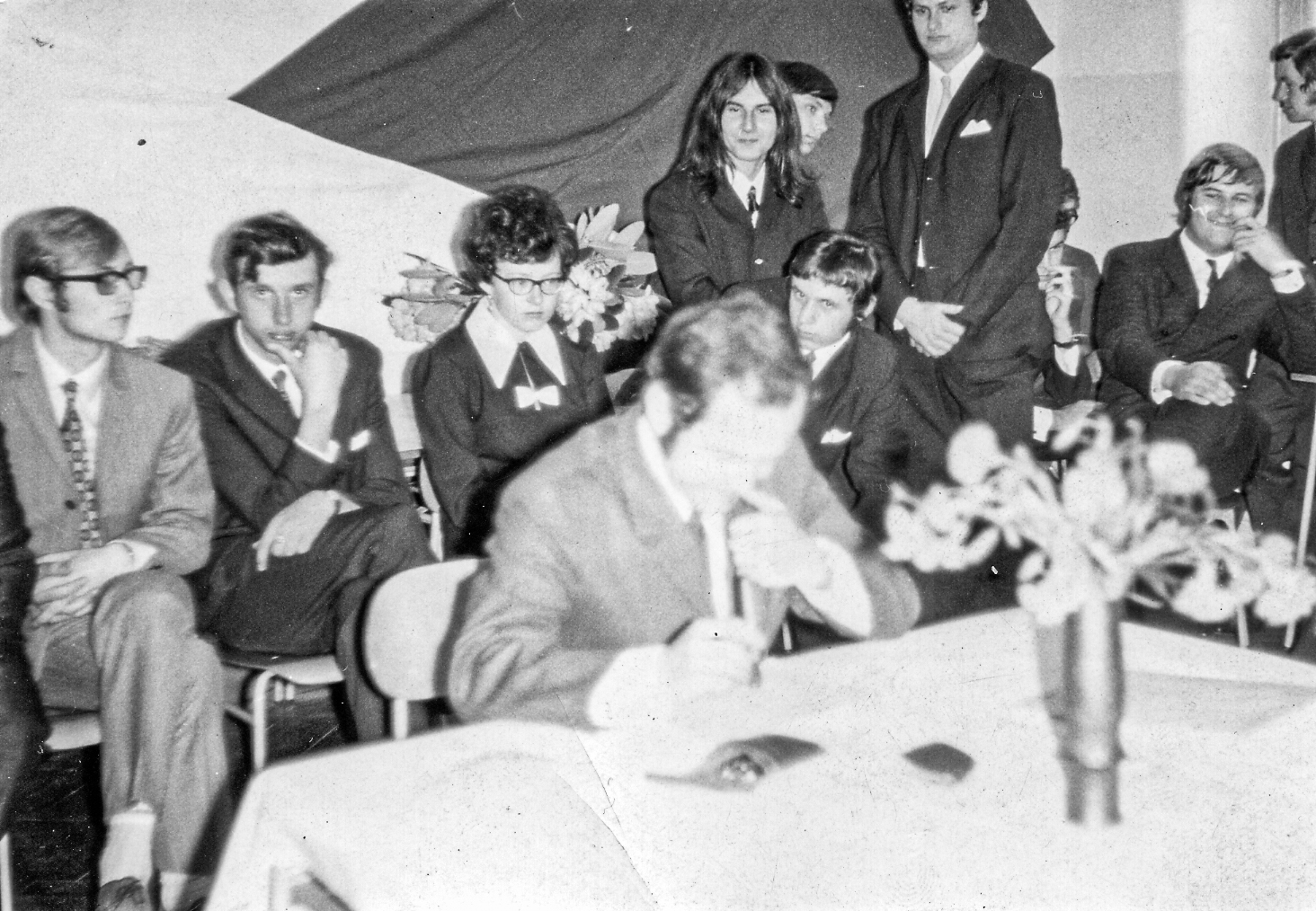
From the graduation photo board, 1971
zdroj: Witness´s archive

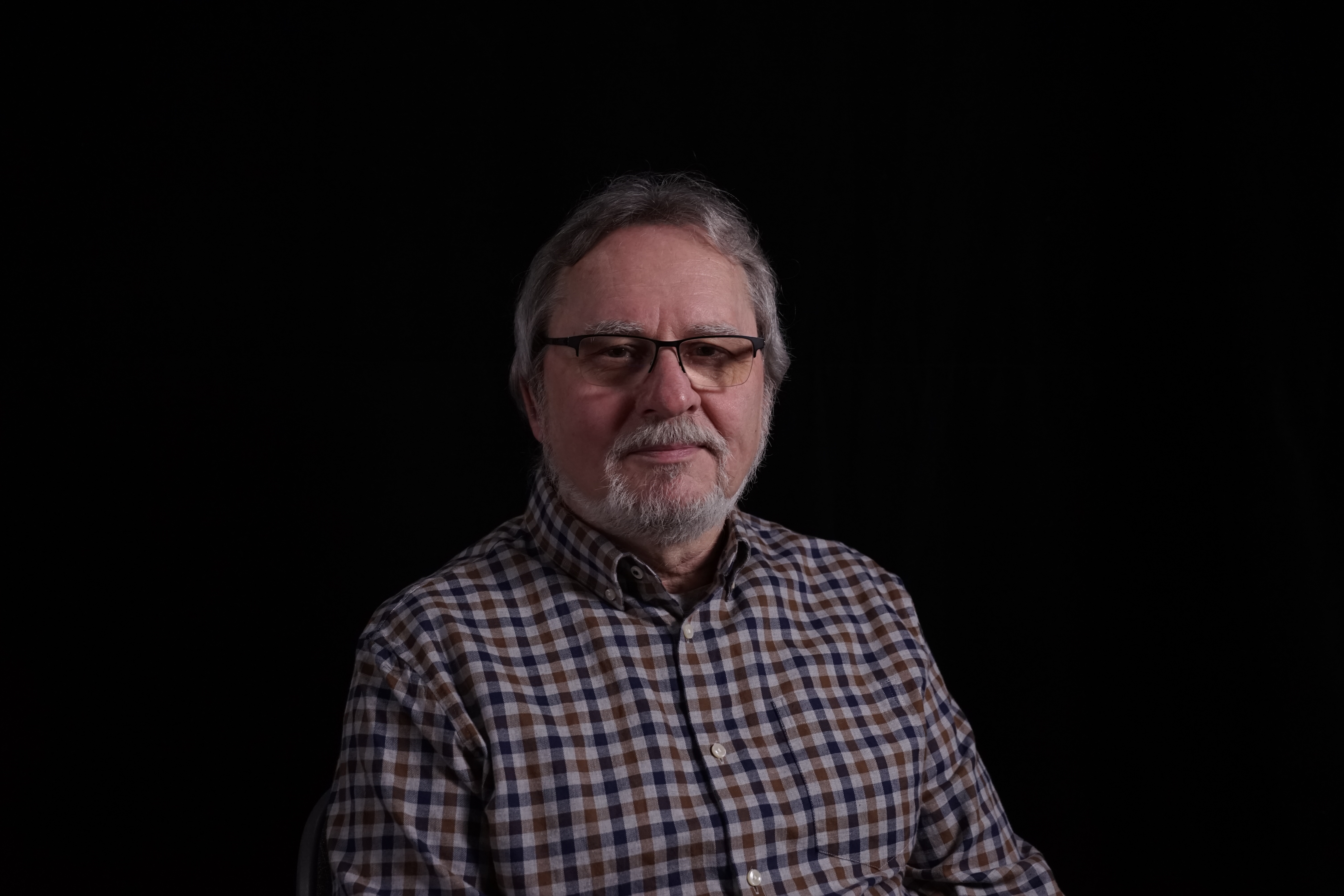
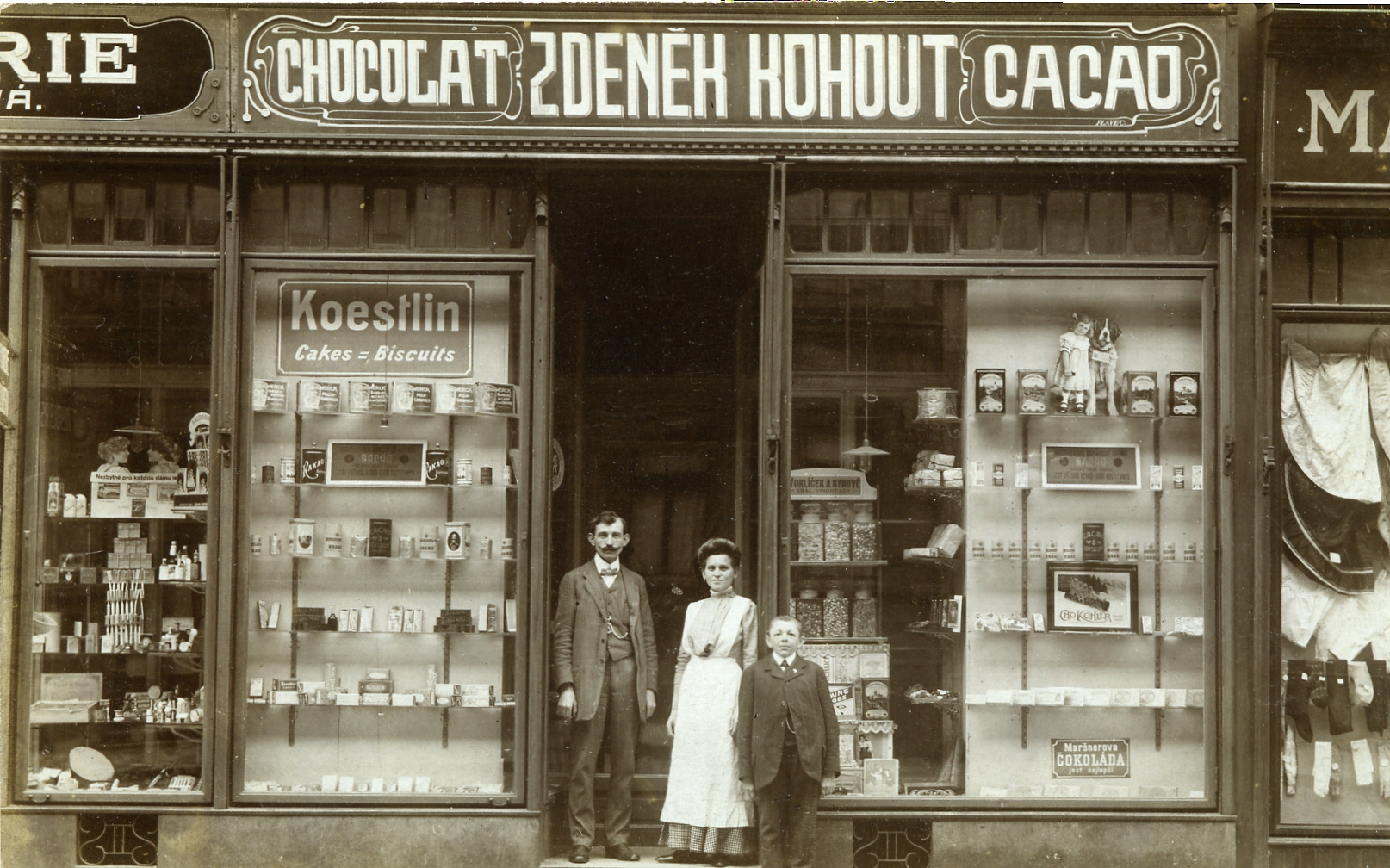
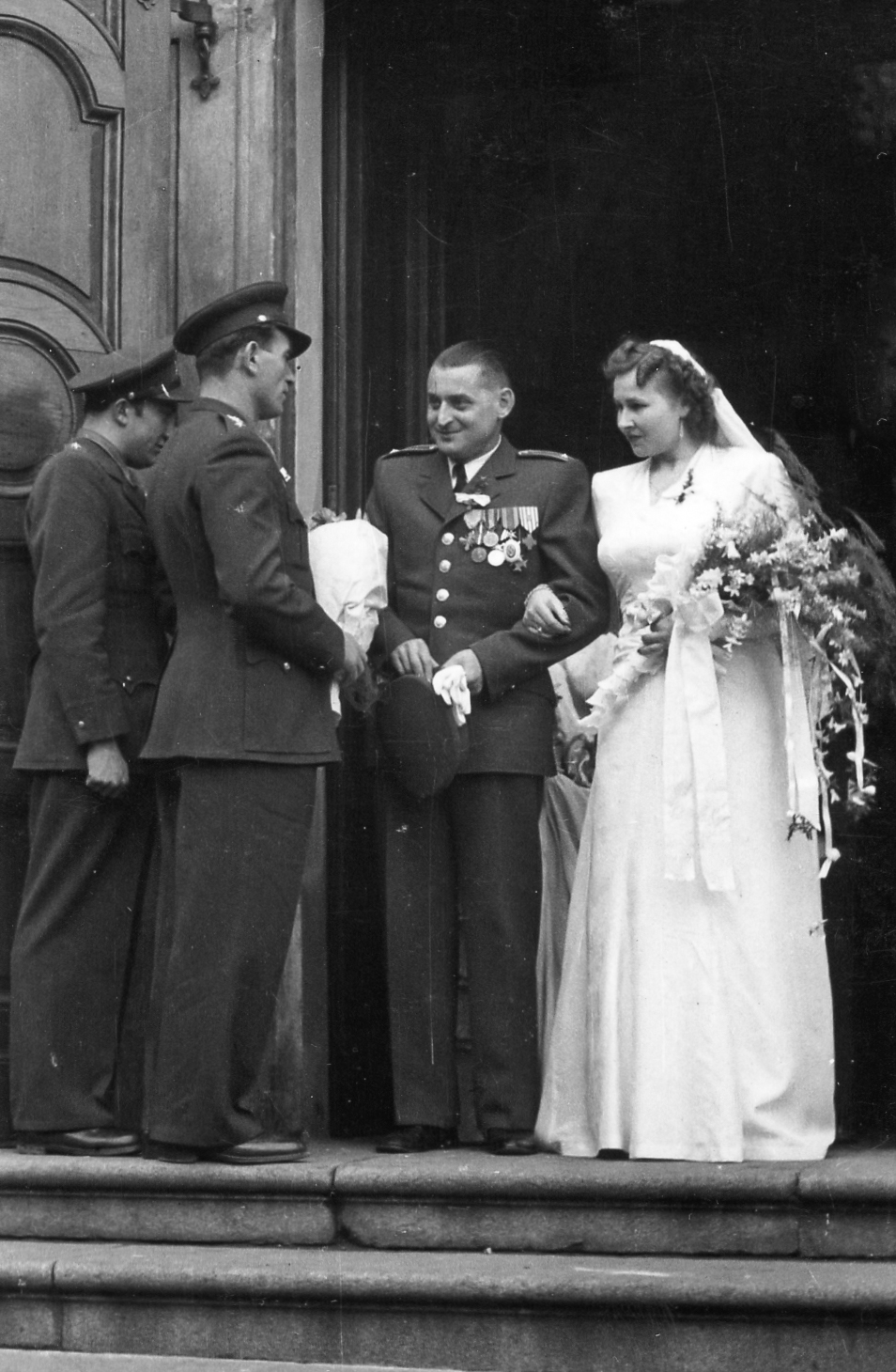
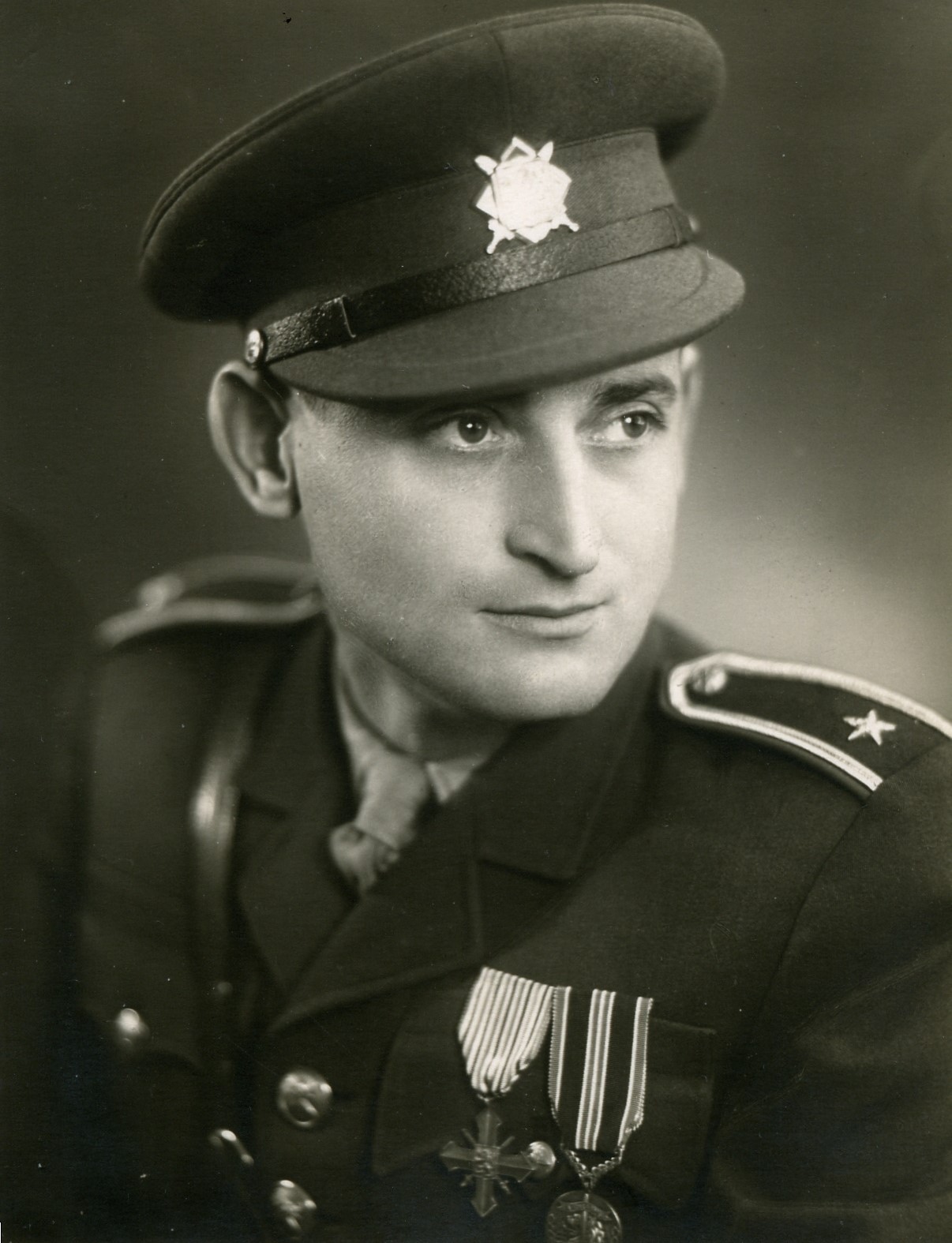
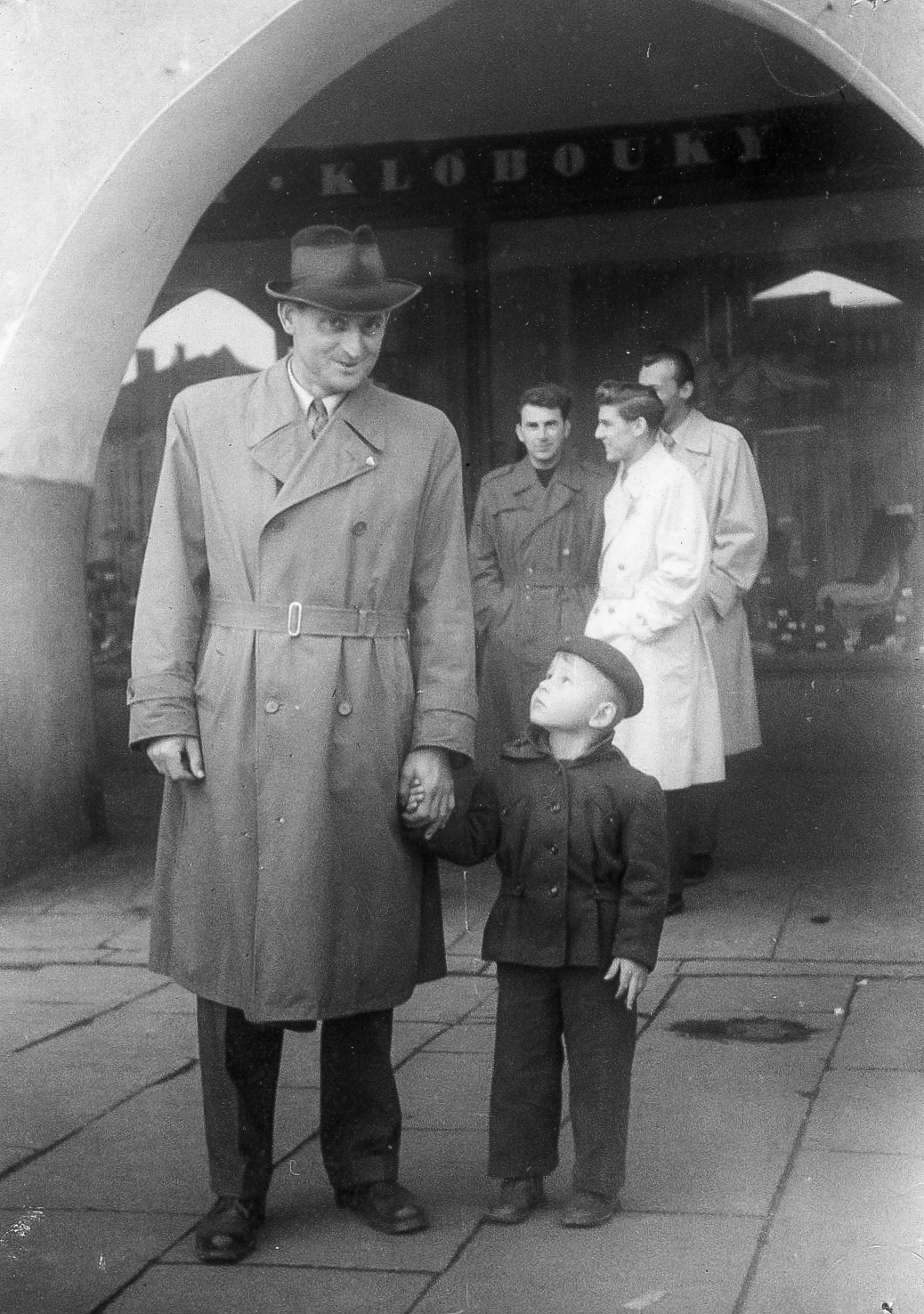
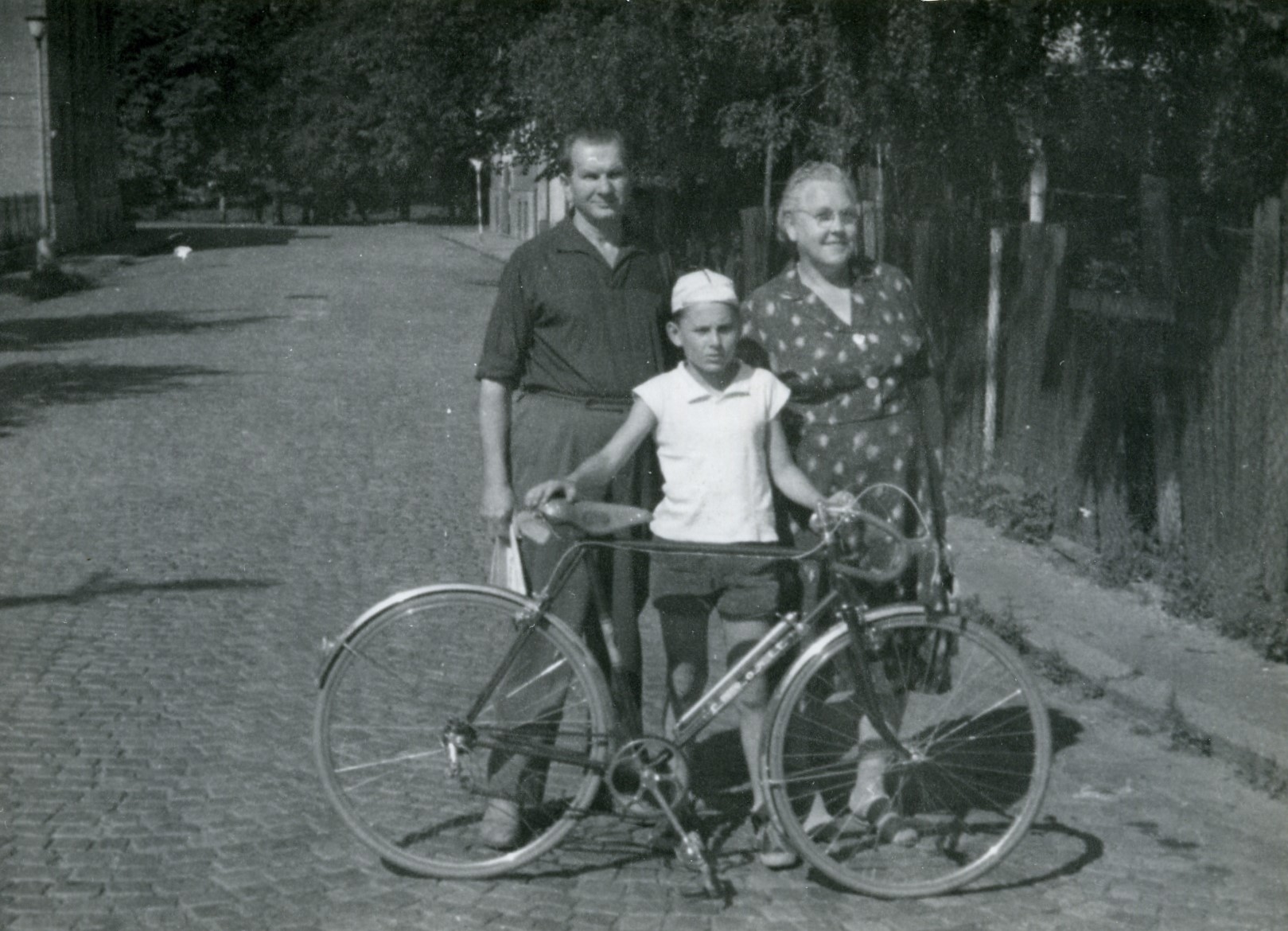
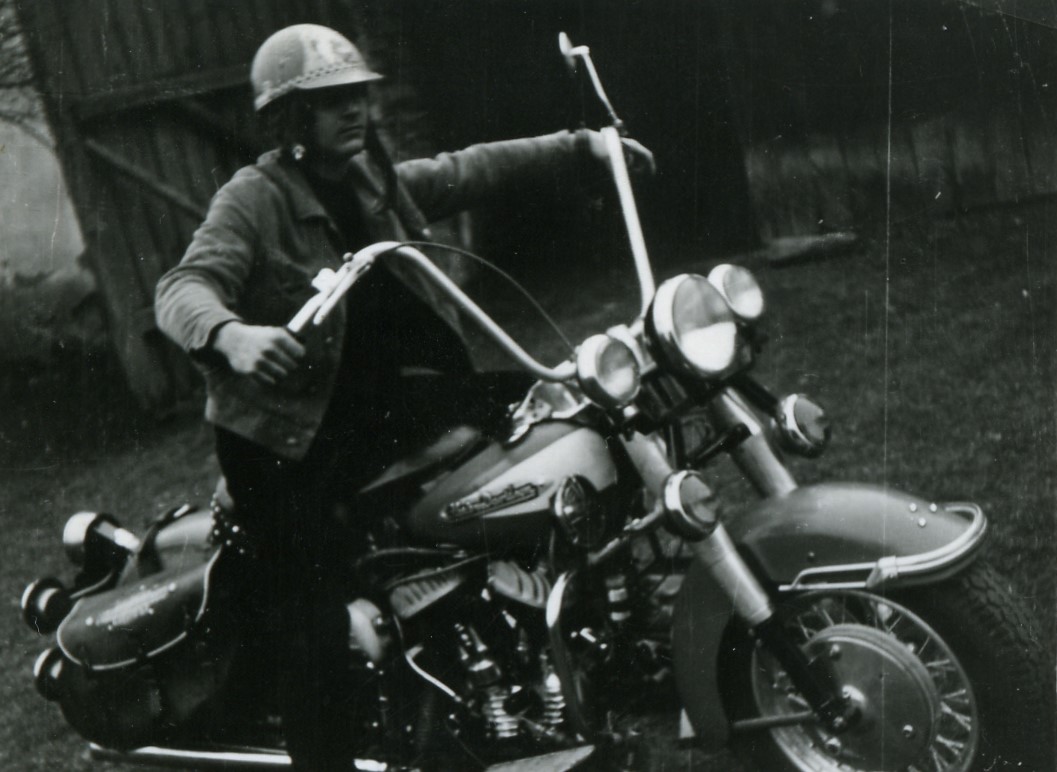
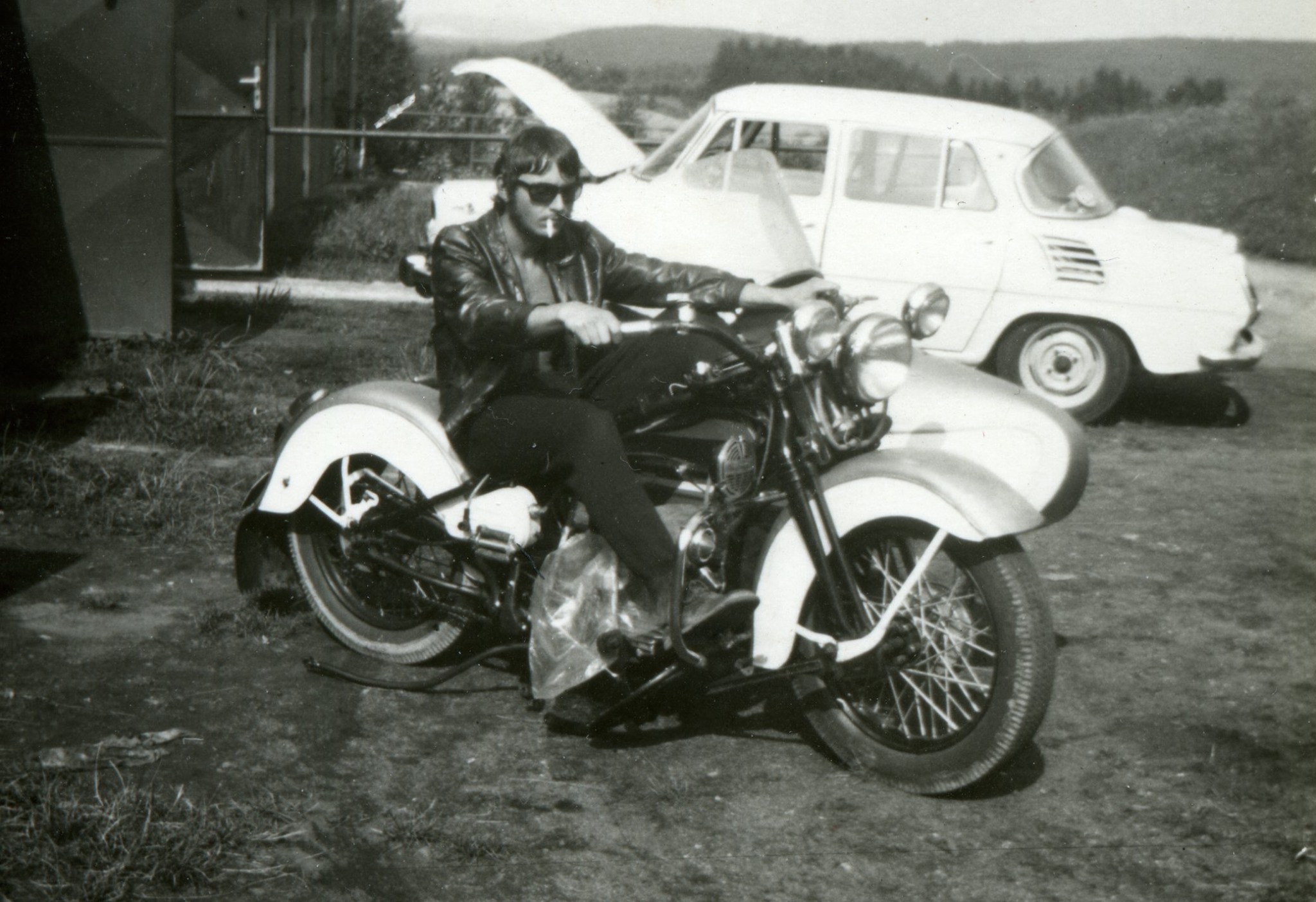
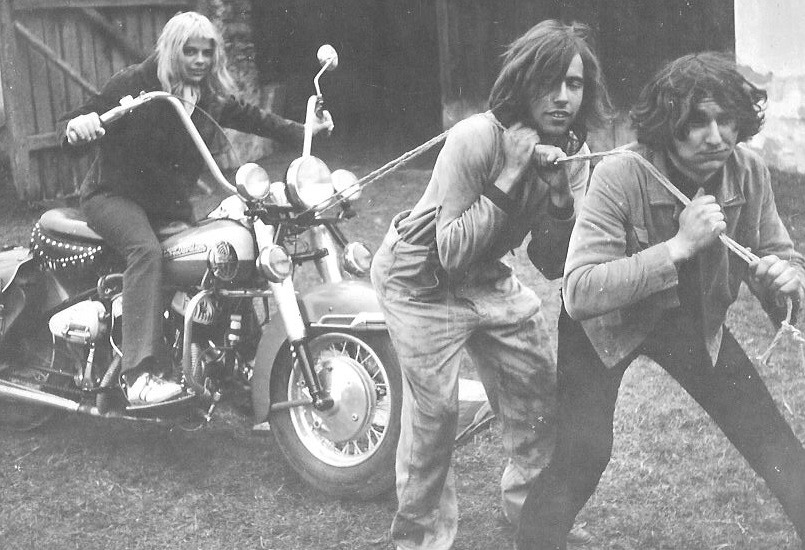
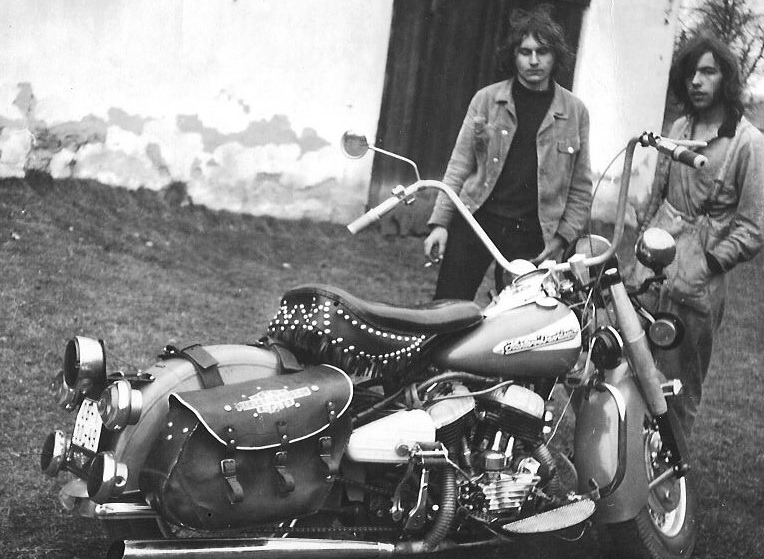
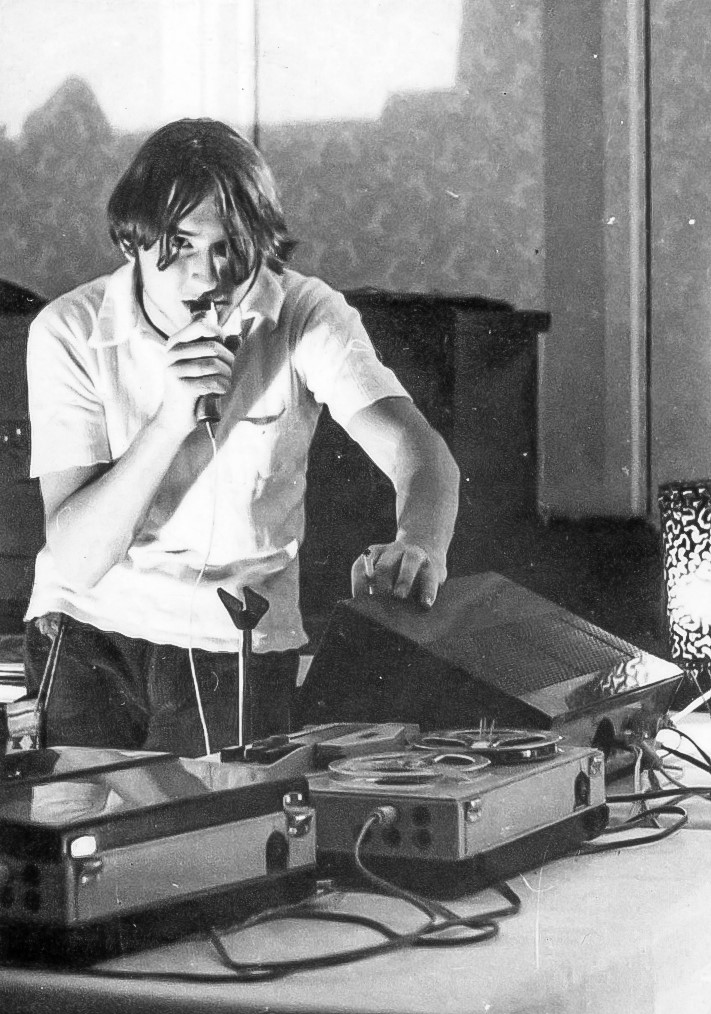
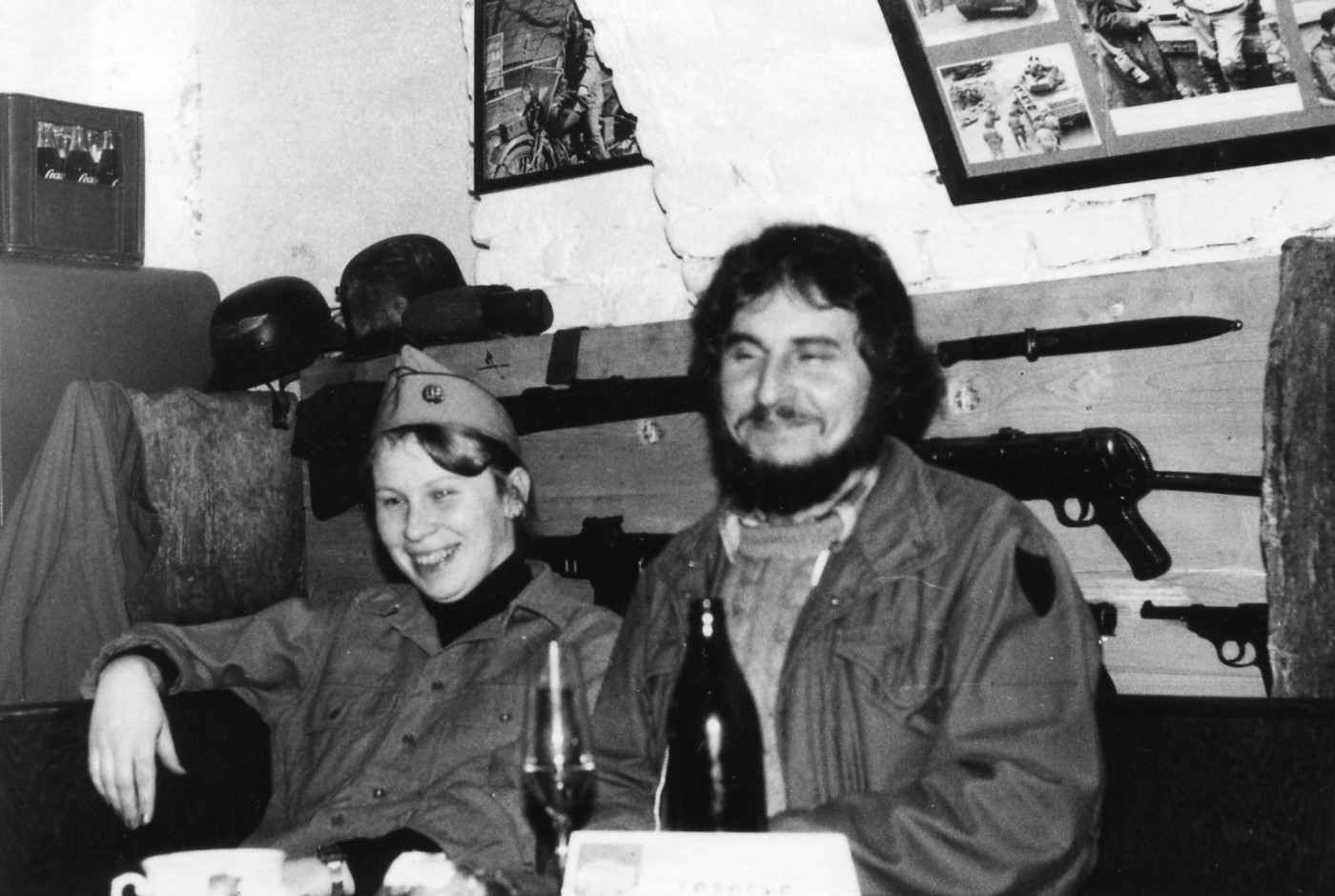
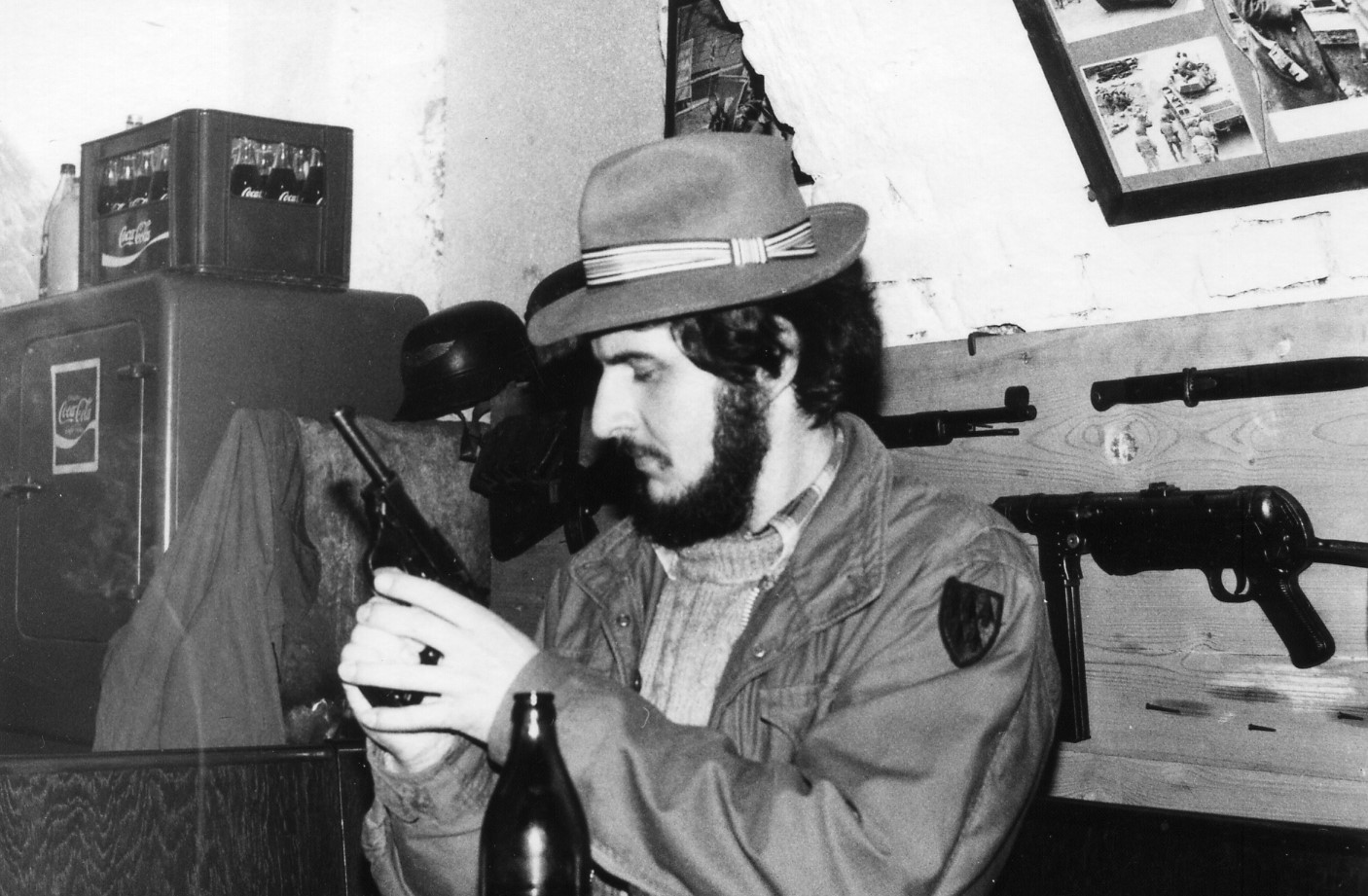
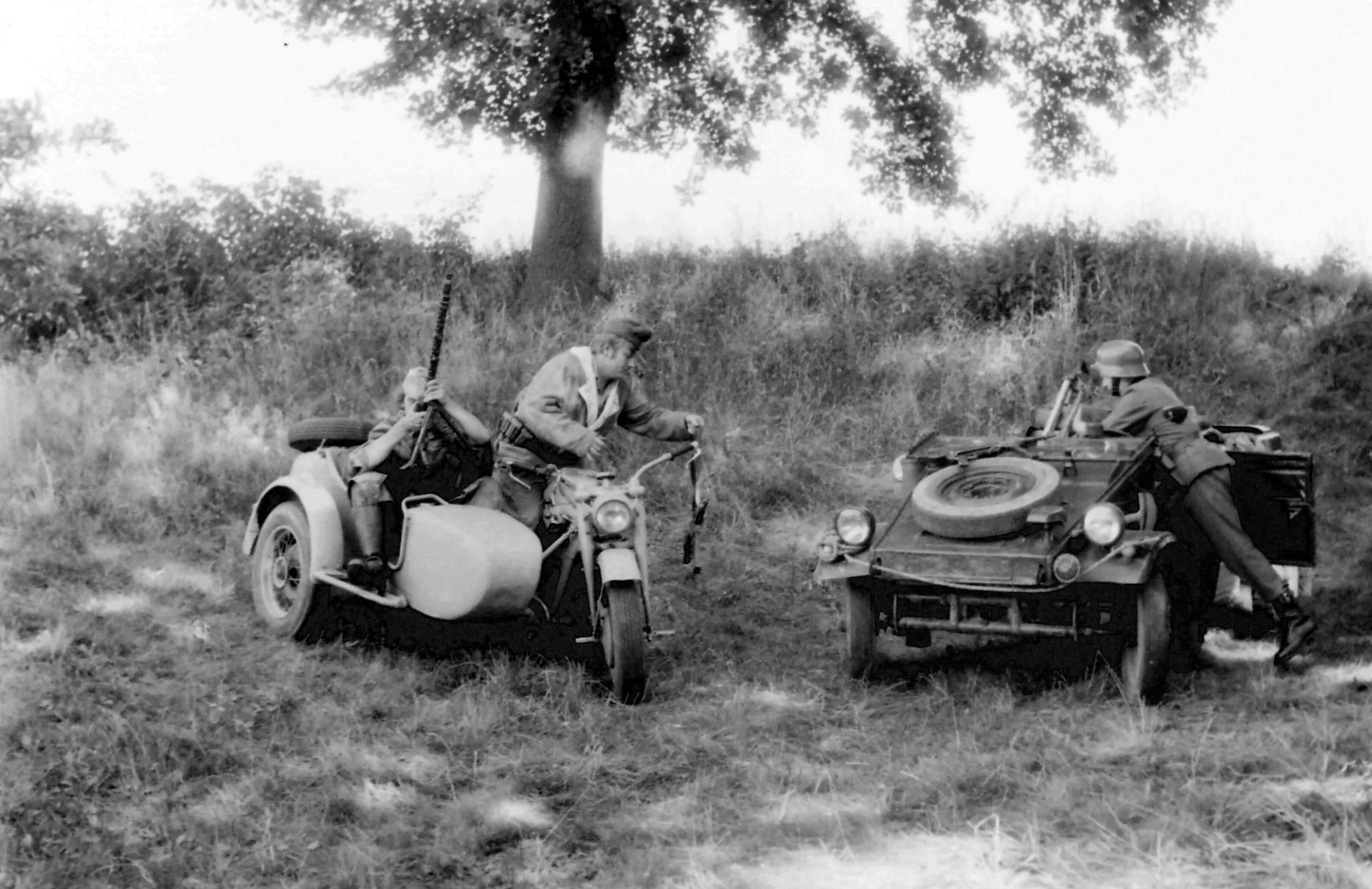
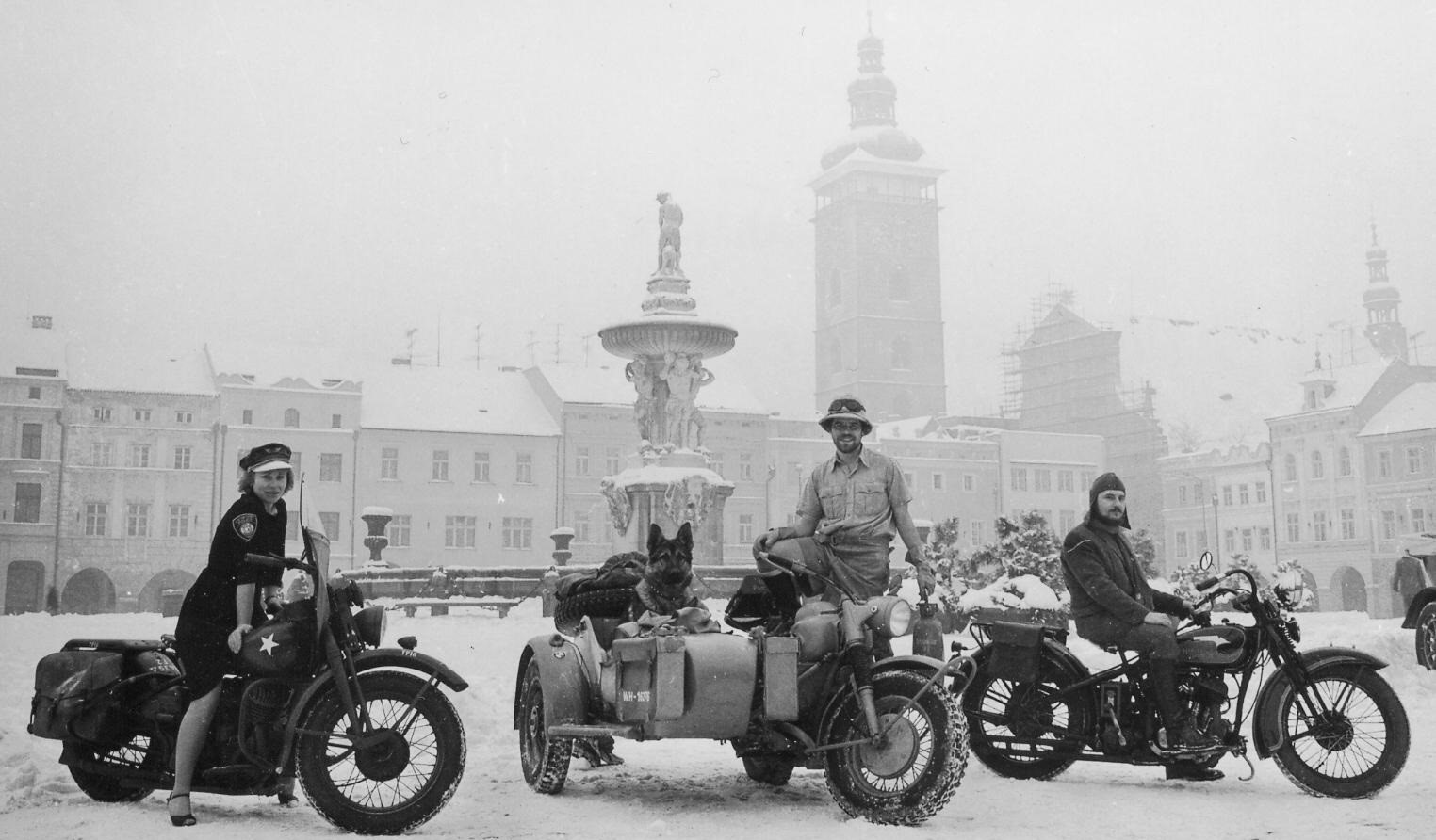
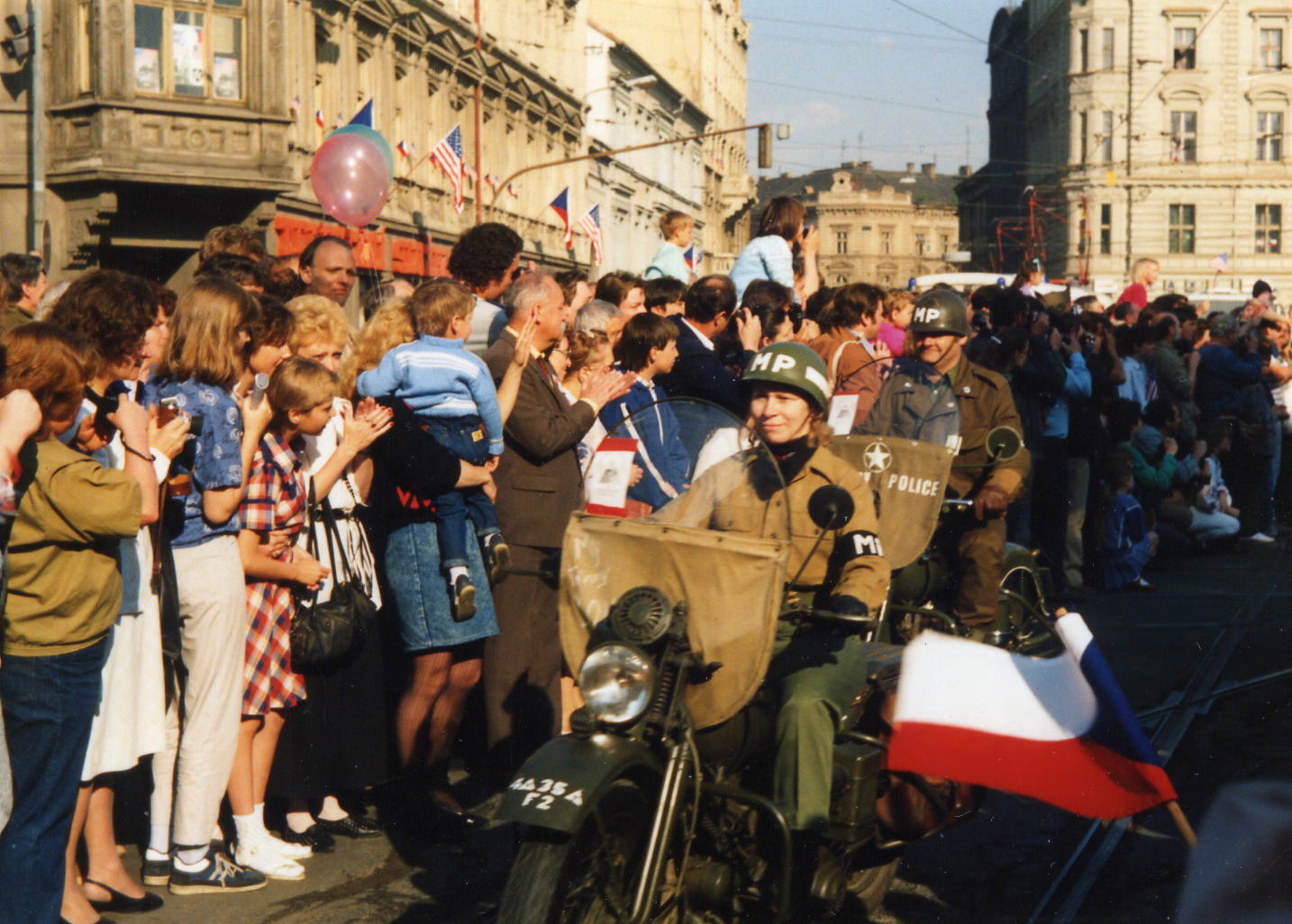
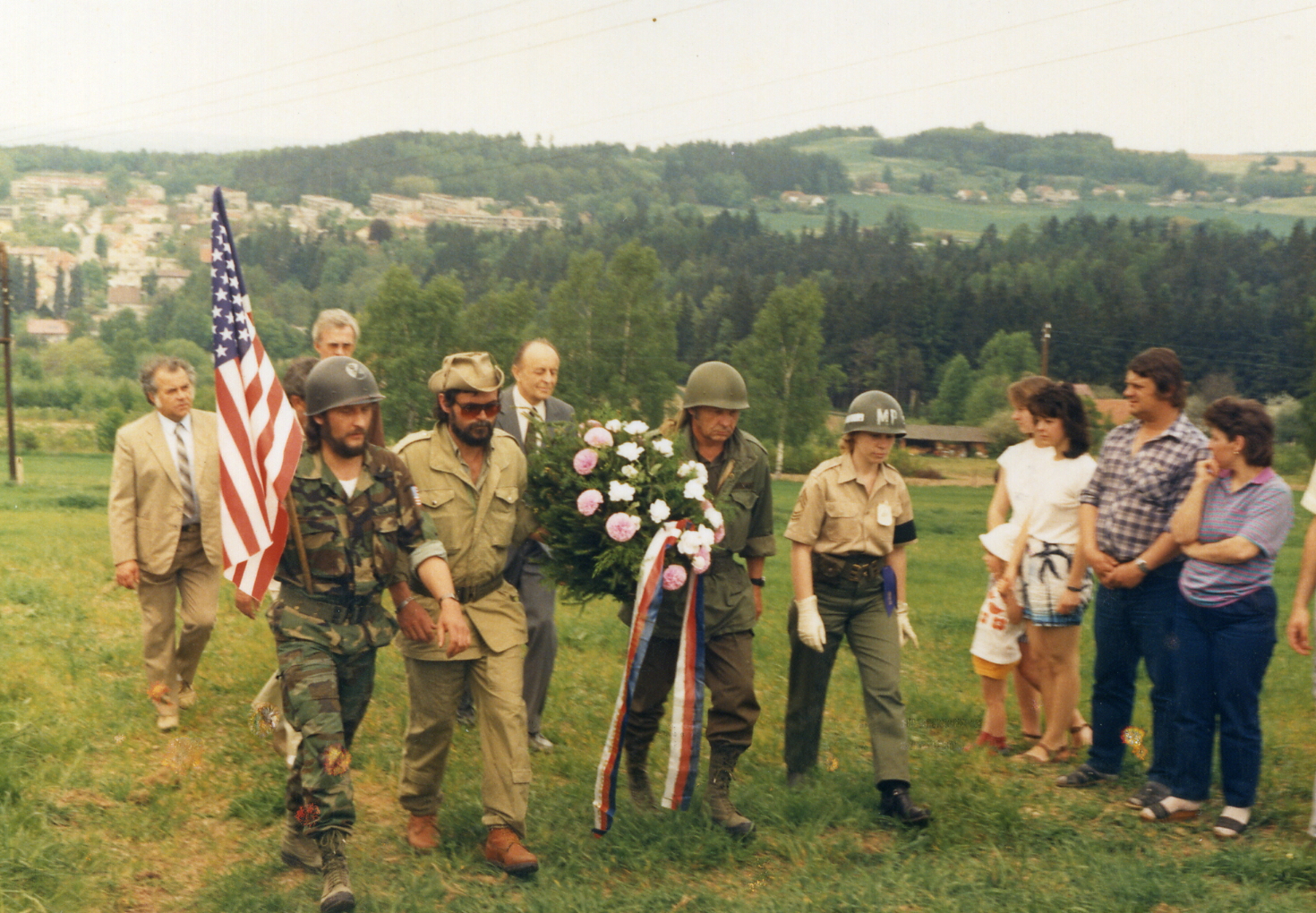
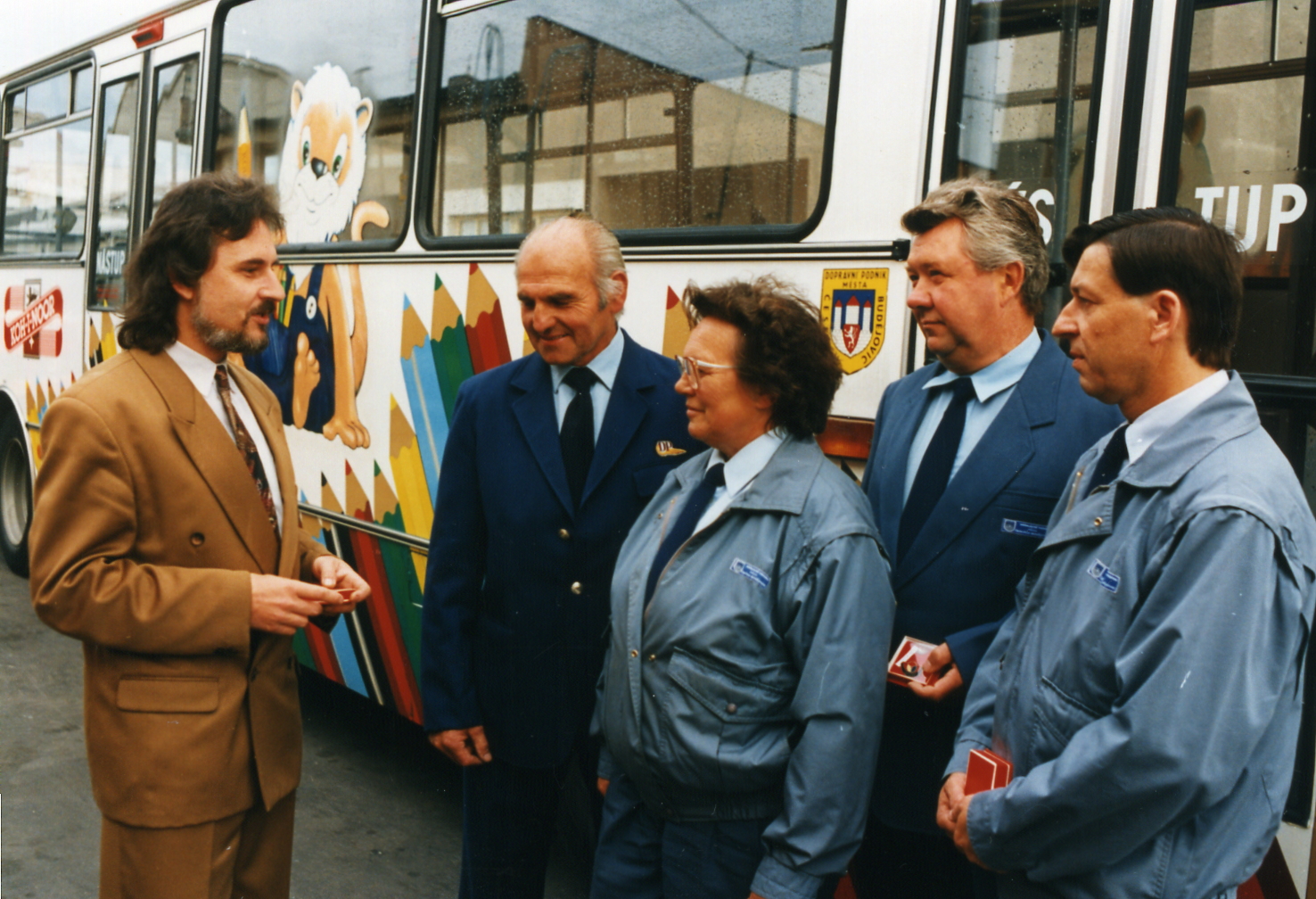
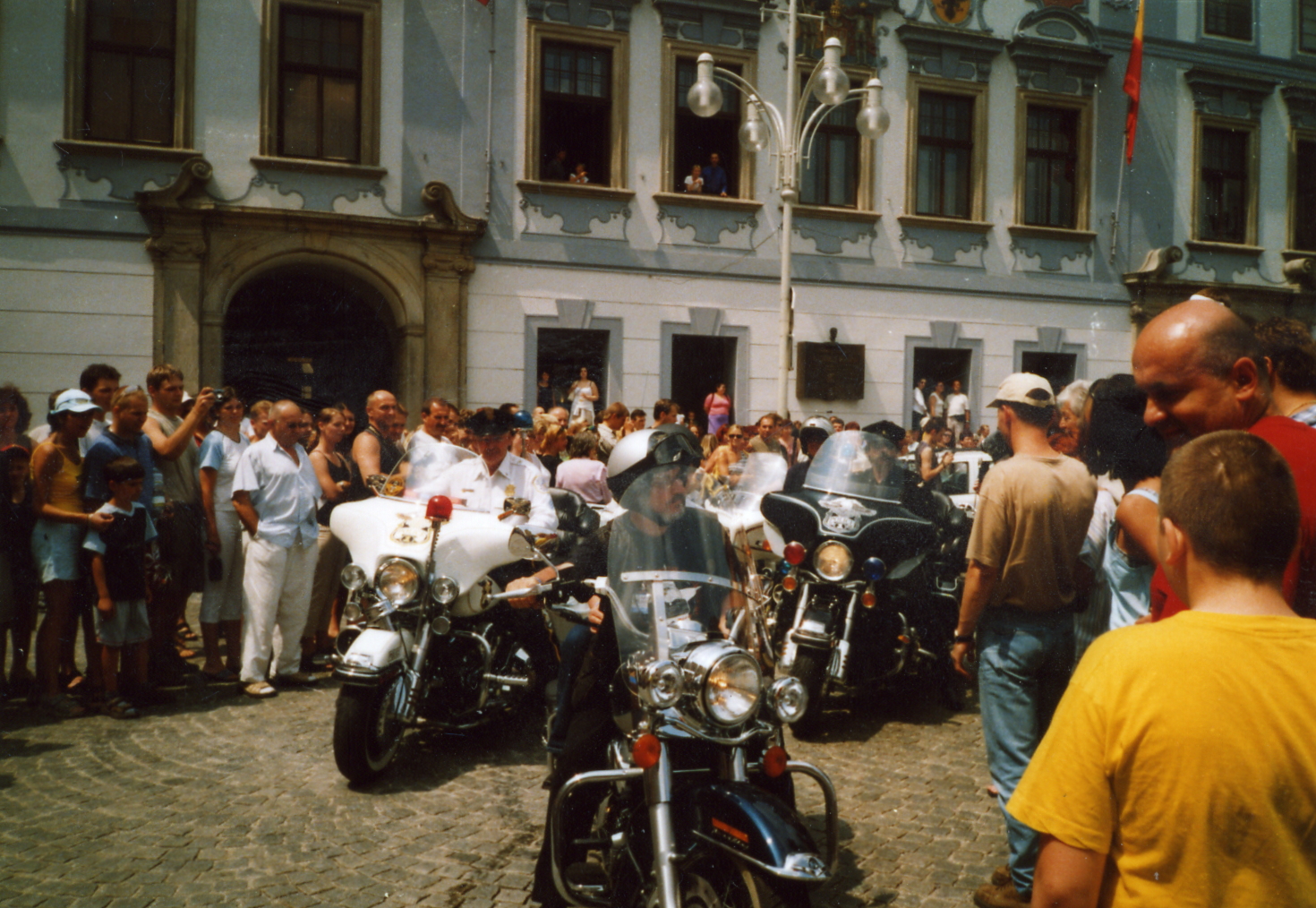
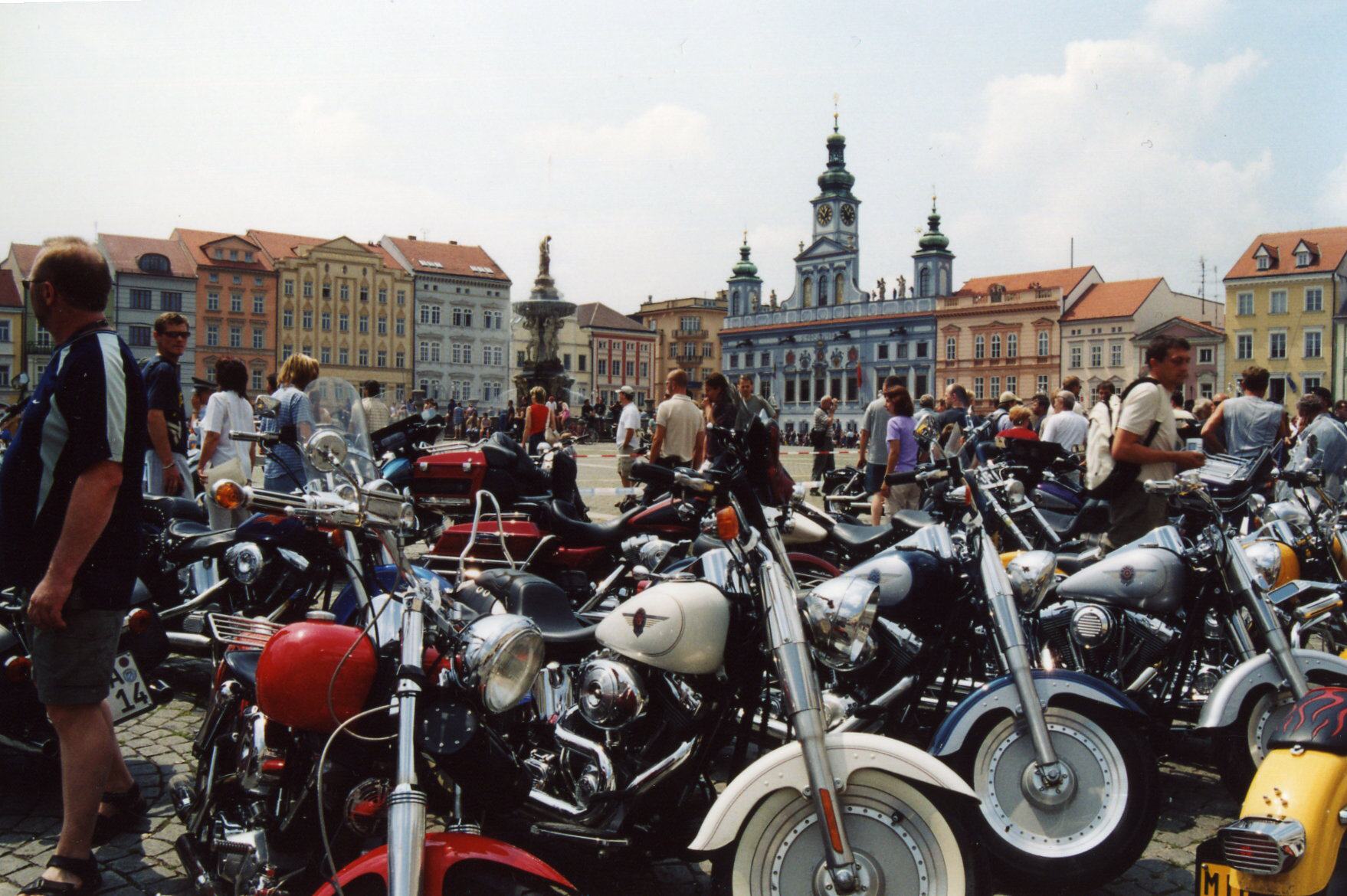
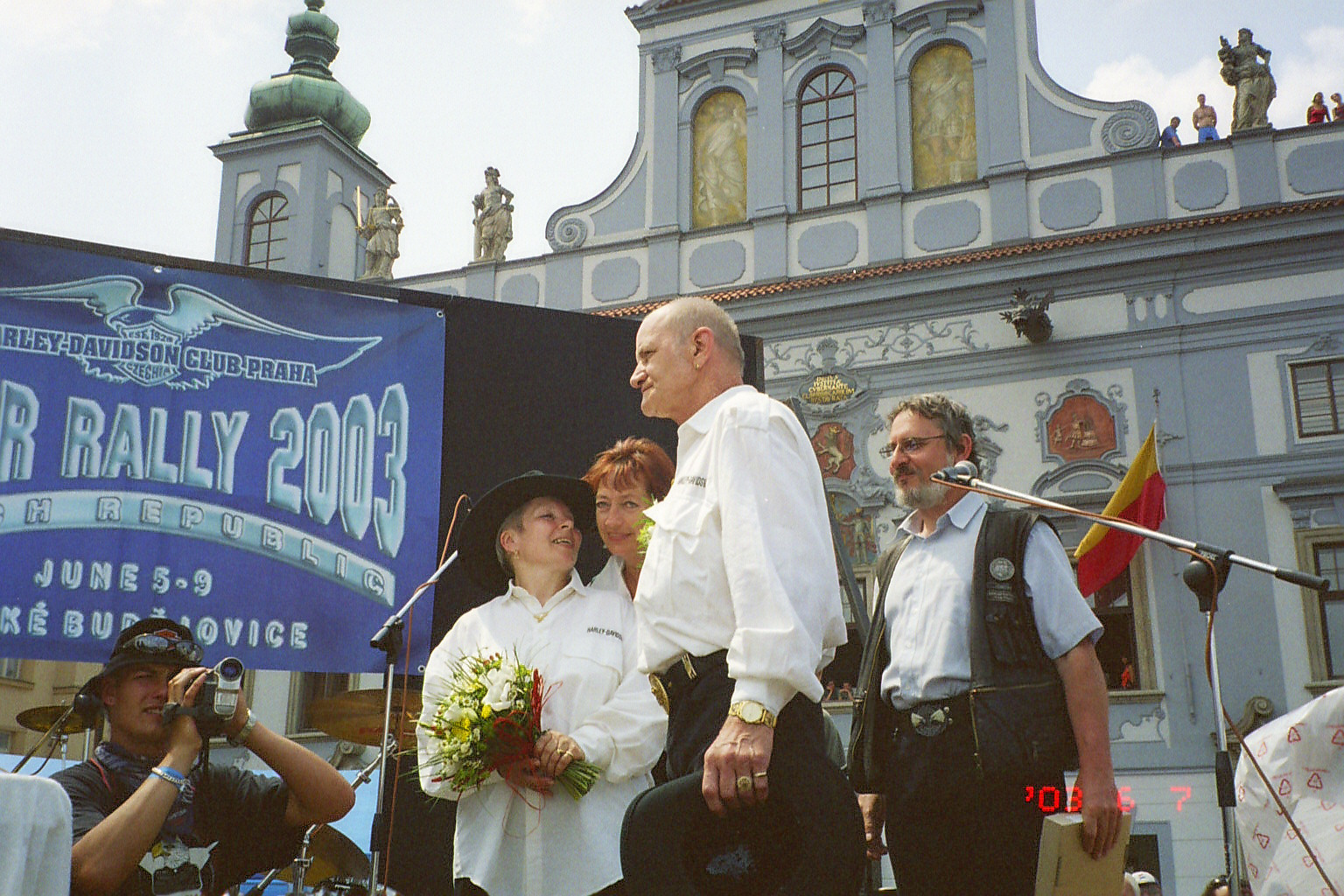
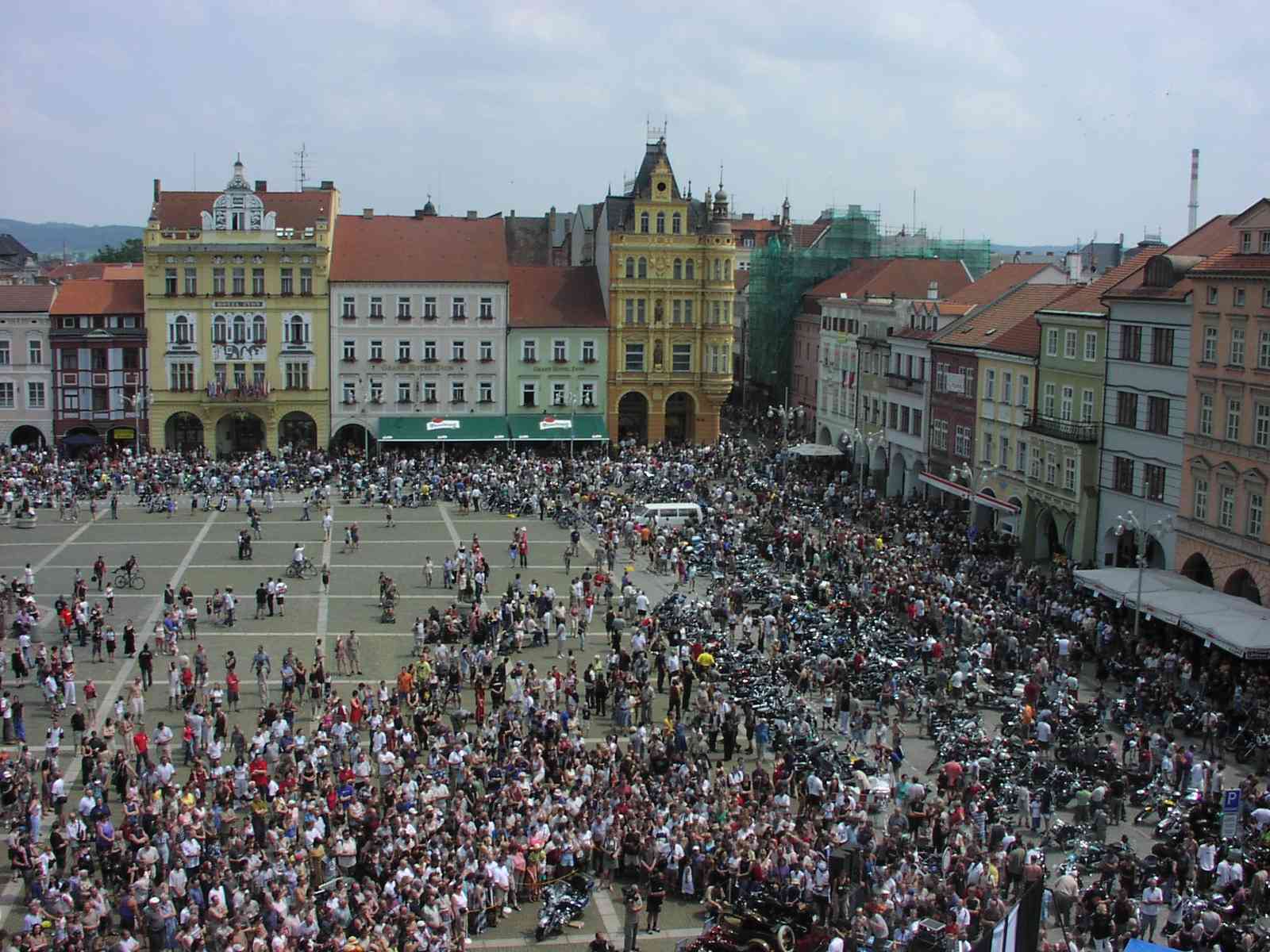
Tomáš Kohout was born on 18 August 1952 in České Budějovice. In August 1968, he painted banners with the words „Idita domoj“ and „Brezhnev has gone mad“ and put them on the road near Velešín. At the Velešín railway station he persuaded the soldiers to return home because everything was fine in Czechoslovakia. On the first anniversary of the August occupation in 1969, he and a friend painted signs on the main road near Velešín: „Man, remember“, „David will defeat Goliath“, „USSR, don‘t piss the Czechoslovakia“, „21 August Day of Shame“. In 1971 he bought a Harley-Davidson motorcycle. He listened to foreign music and was interested in all things of American origin. Together with Miroslav Muck they organized an unofficial group Hell‘s Angels, went to tea parties and organized secret discos. On staged charges, he was sentenced to six months‘ imprisonment in 1972 for the crime of supporting and promoting fascism. He joined the army in 1973 as a radar operator in Mikulášovice near Rumburk, but he was not allowed to be promoted, so he remained a private throughout his military service. After the military service he was employed in the Transport Company as a driver and later as a dispatcher. He graduated from the University of Transport and Communications in Žilina. He was on Wenceslas Square on 19 and 20 November 1989, and was therefore the best informed person in the České Budějovice Transport Company. During the General Strike in České Budějovice on 27 November he was the spokesman of the Transport Company. He attended meetings of the Civic Forum (OF) in České Budějovice. In 1990 he became a director of the Transport Company. At the beginning of the 1990s he was involved in the Freedom Union (US). From 1999 to 2005 he served as president of the Prague Harley-Davidson Club, and in 2003 he co-organized the Harley-Davidson Super Rally in the South Bohemian capital. In 2022, Tomáš Kohout lived in České Budějovice.