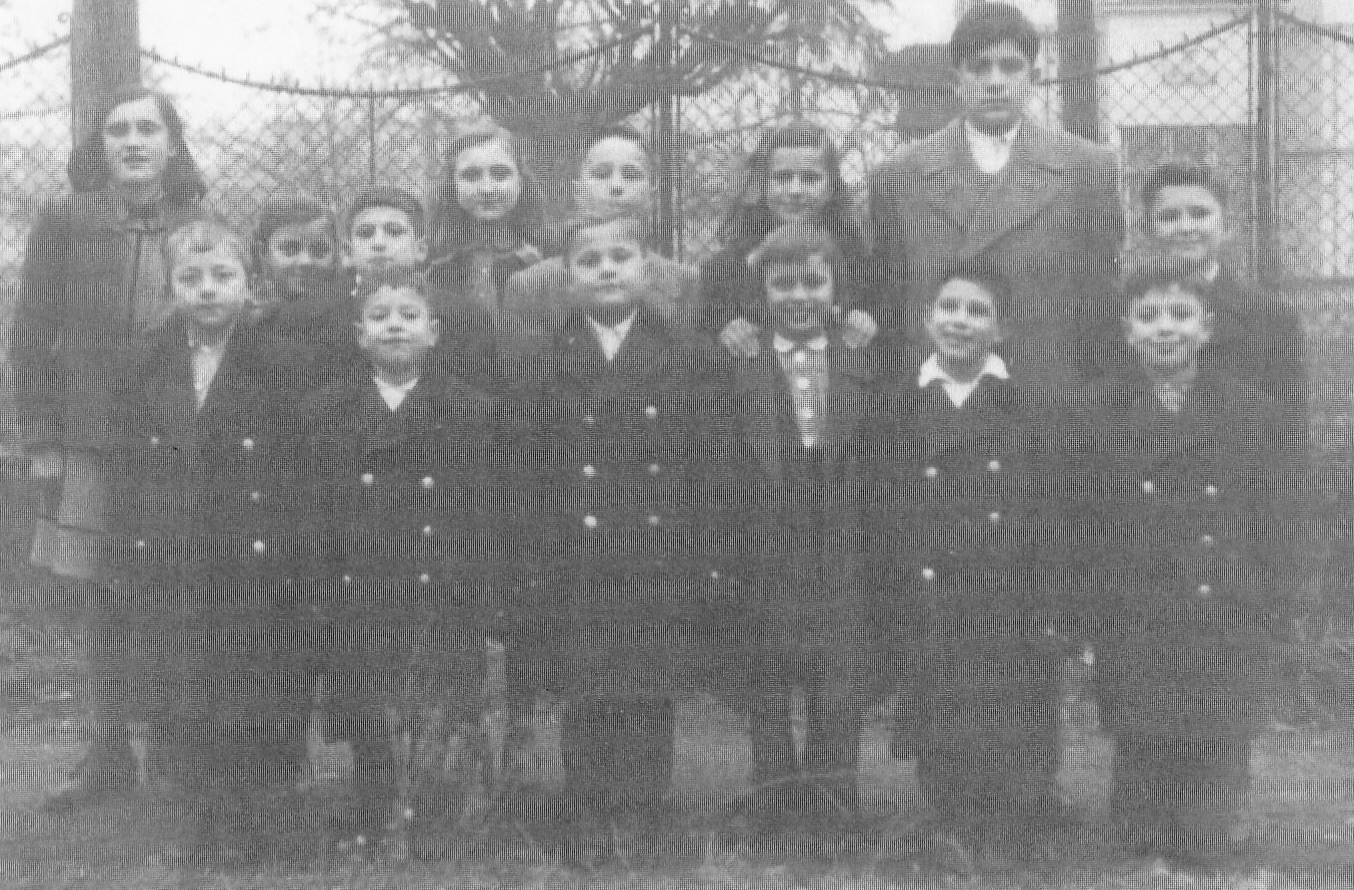
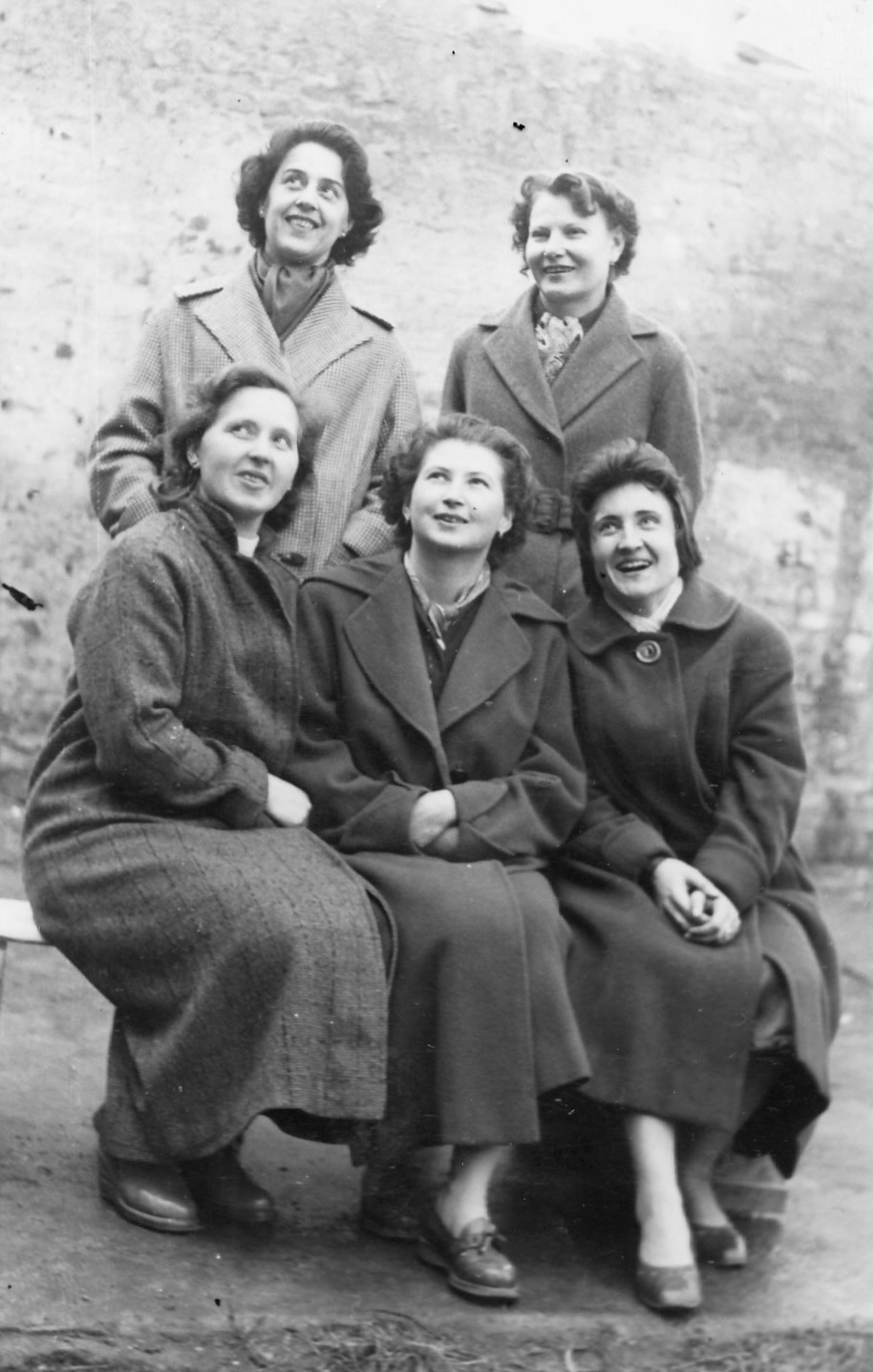
"One boy, he was the oldest, and he was curious to see what nation was there, and when the train stopped, he got off. Nobody was allowed to get off, but he got off and there he saw some maintenance man tapping on the wheels of the train with a hammer. And the boy went up to him and greeted him in our dialect 'dobro utro'. And the worker said 'dobré jitro', and the boy was glad to be in a country where we understand. He came to the train, he started jumping for joy. He speaks like us, we're not in Hungary! It's going to be good!"
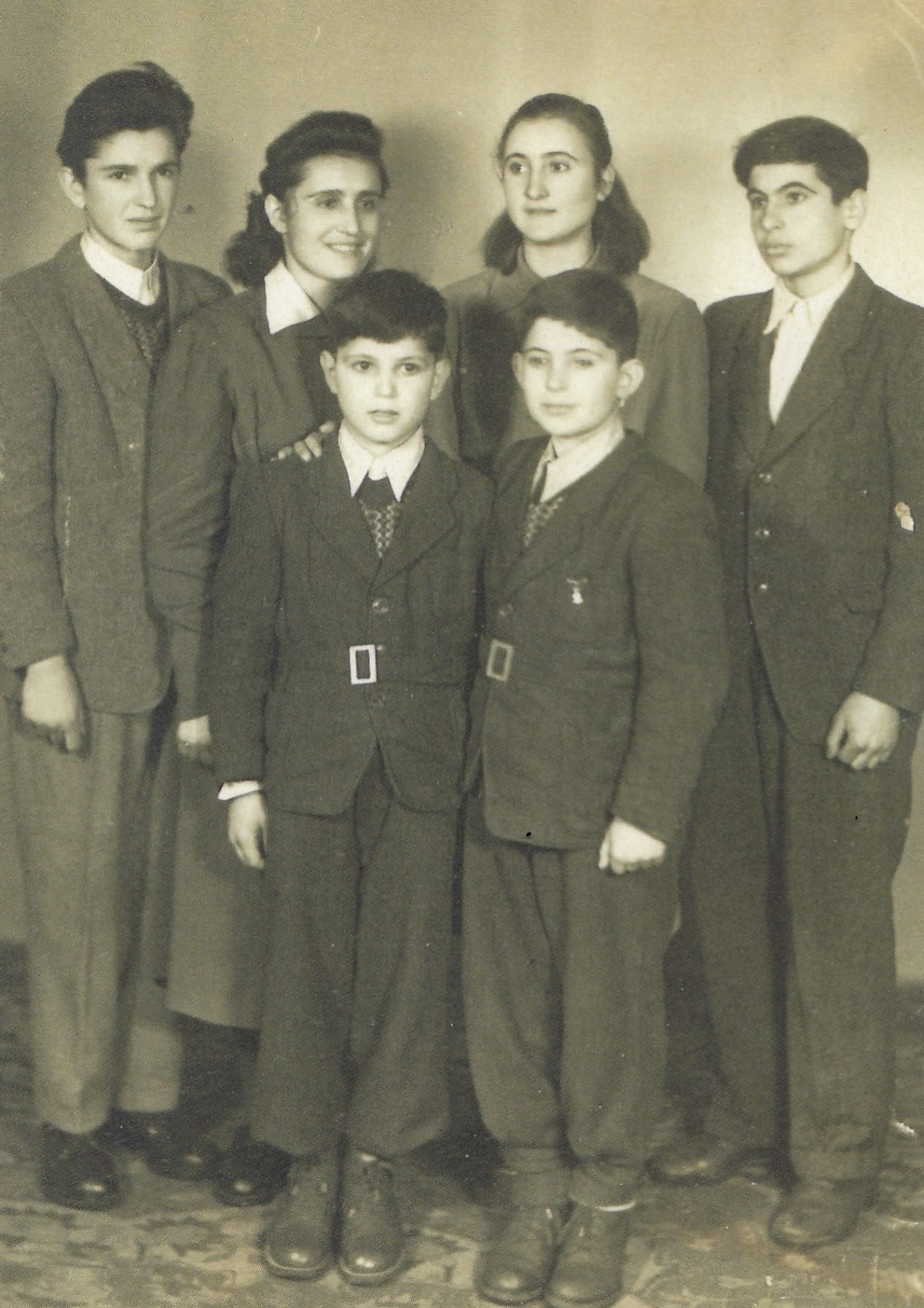
"Clothes - they dressed us so not much, even though it was in March, the departure, so it was still cold. We didn't have shoes, some of us were barefoot, and some of us only had simple footwear, from the pigskin. My mother knitted my sweater, I had that, no hats, everyone had a canvas bag for the journey and in it was bread, eggs, just whatever everyone had. But there wasn't much, but we took it as it was."
"Well with the birth. When we came here, we had no papers, no birth certificate, nothing. And so they wrote some dates, according to our teeth or what we looked like to them. It wasn't until thirty-eight years later that I managed to get to my home village, where I could still look in the civil registry to see when I was born. Here I got a sort of provisional birth certificate that didn't match the date I wrote down here, so then I matched it to the birth certificate from Greece. It didn't have the month or the day, only the year. The year of birth was 35. We didn't celebrate birthdays at home at all, we only celebrated names and only some of them, but birthdays were not celebrated at all."
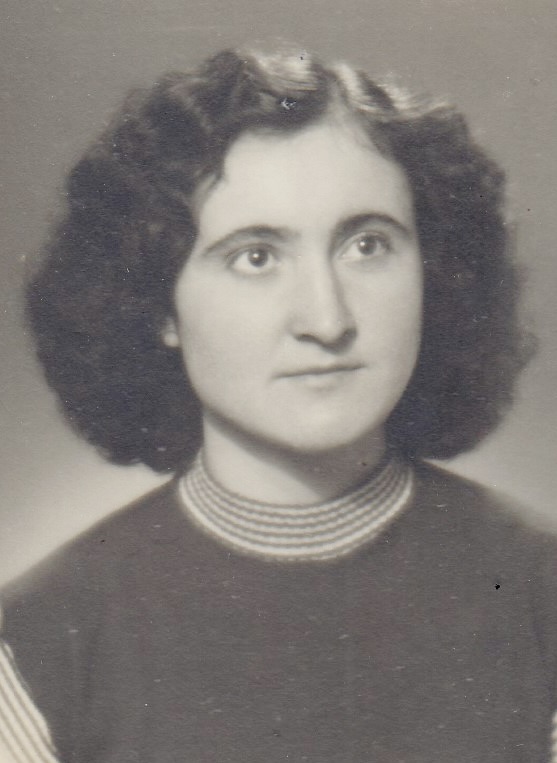
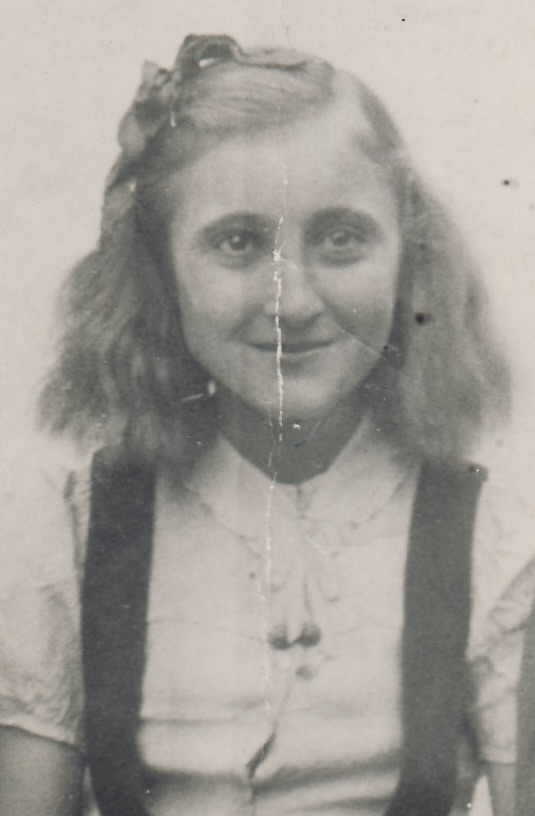
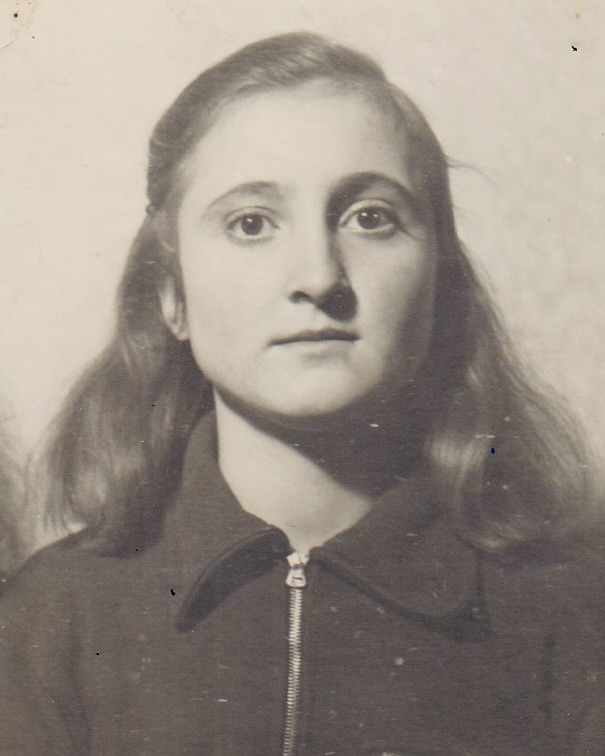
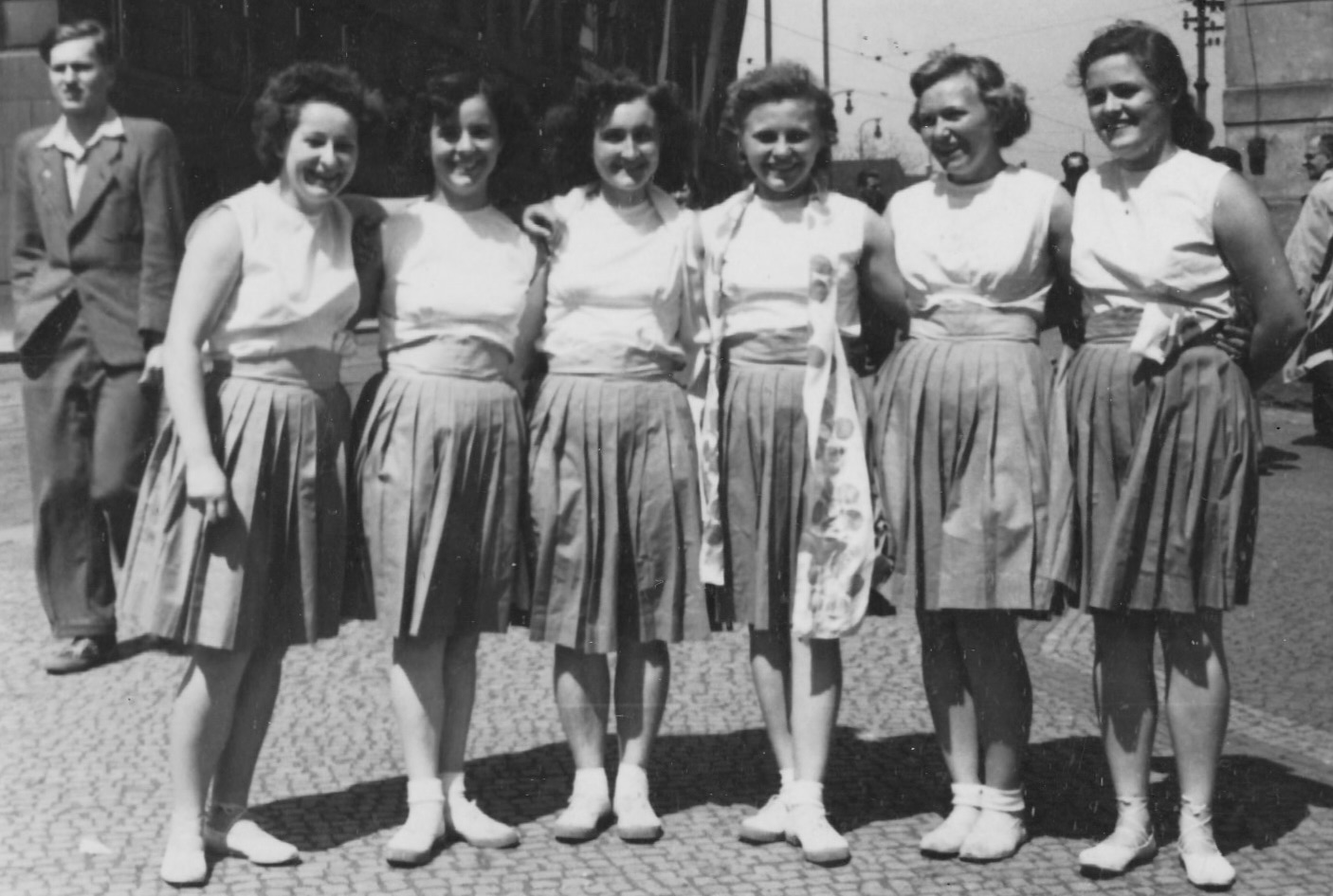
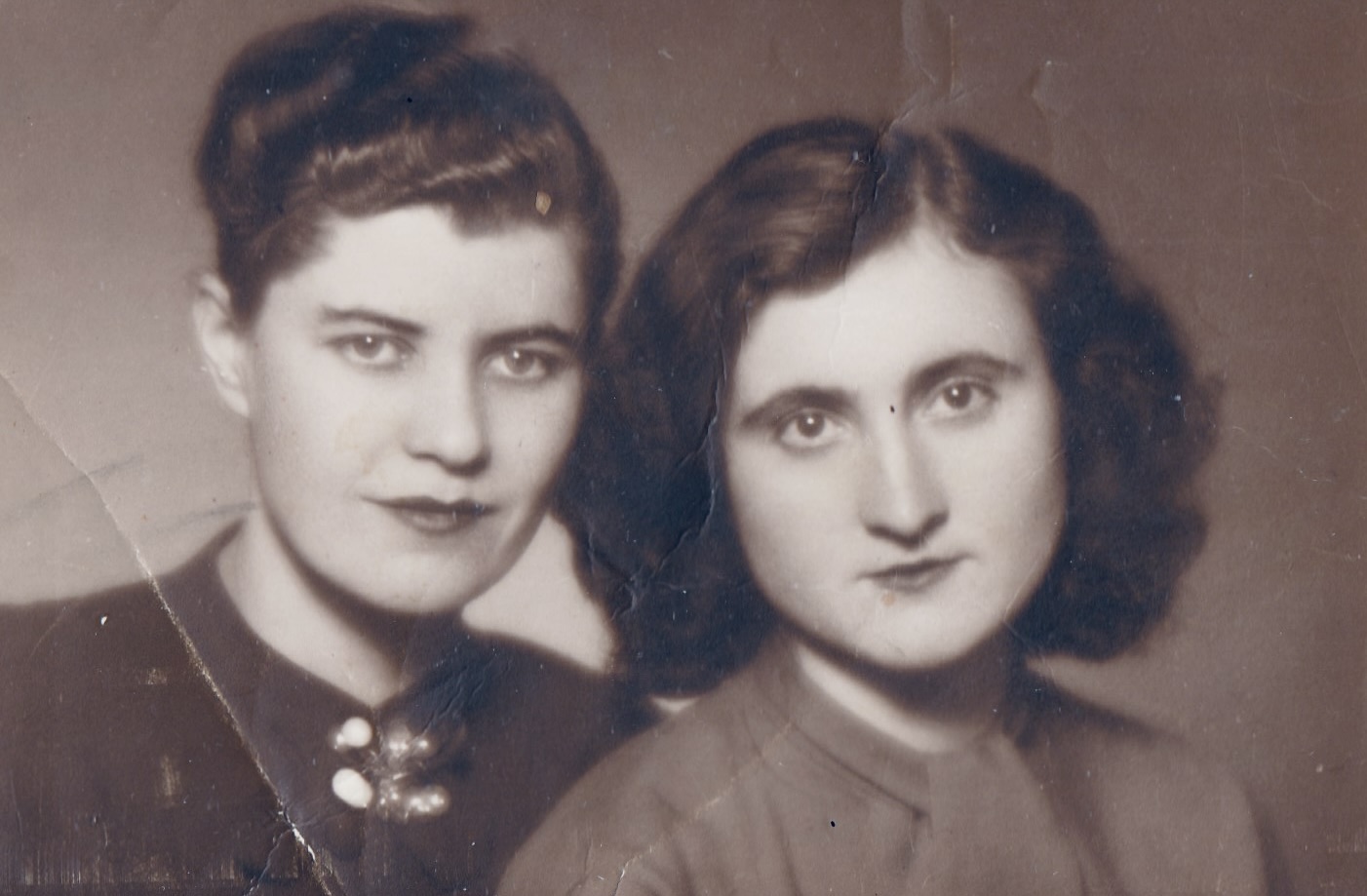
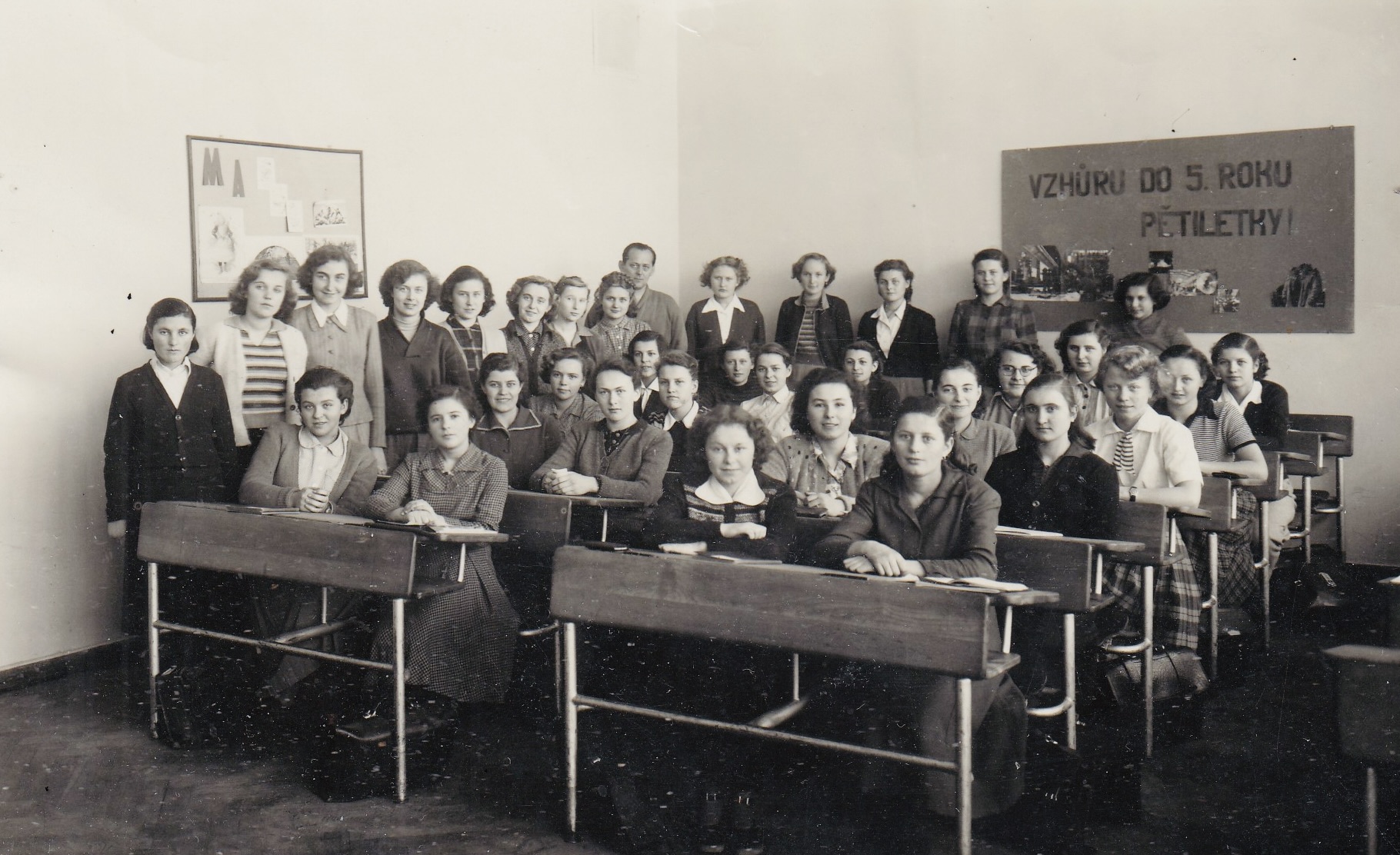
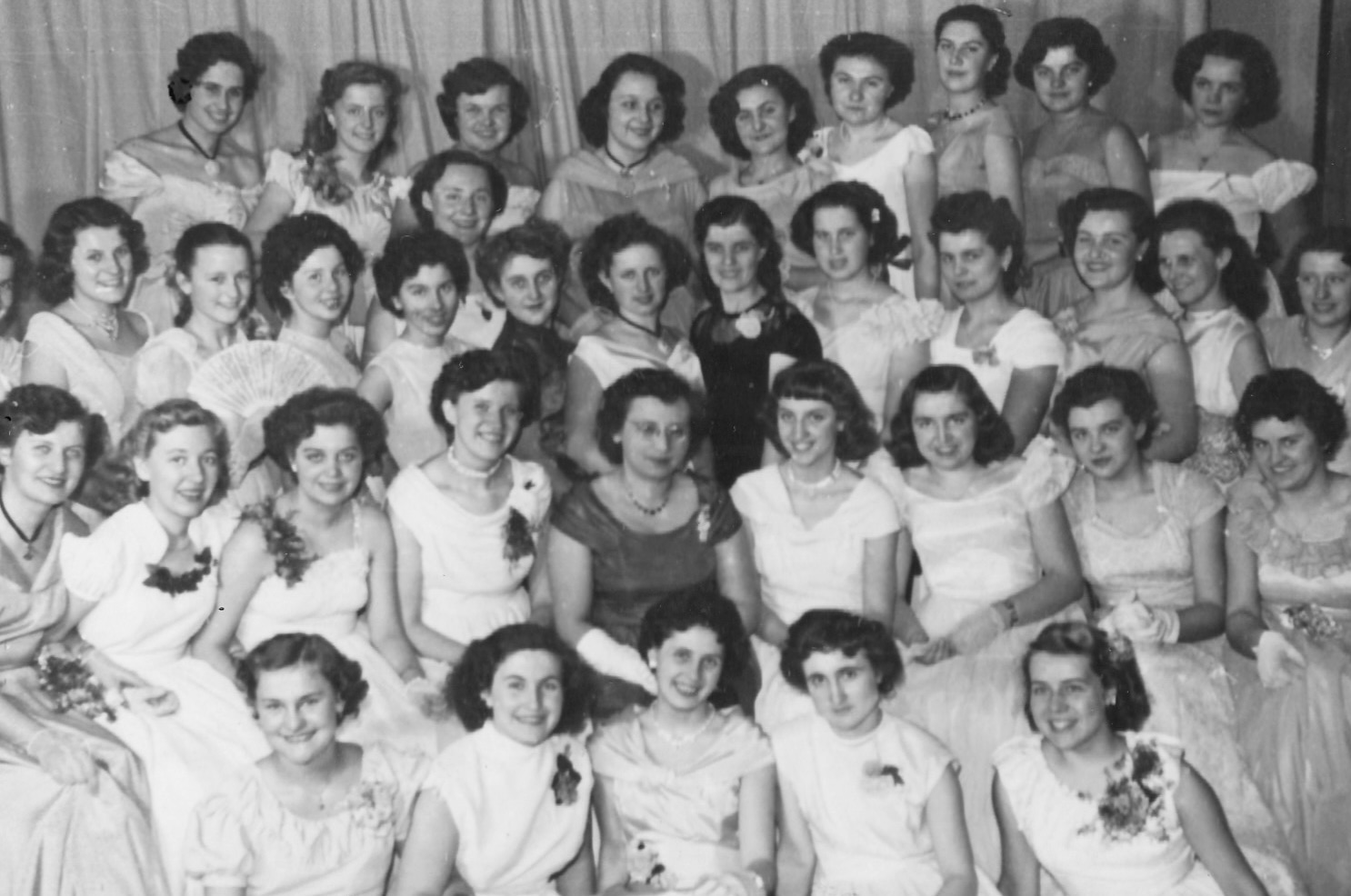
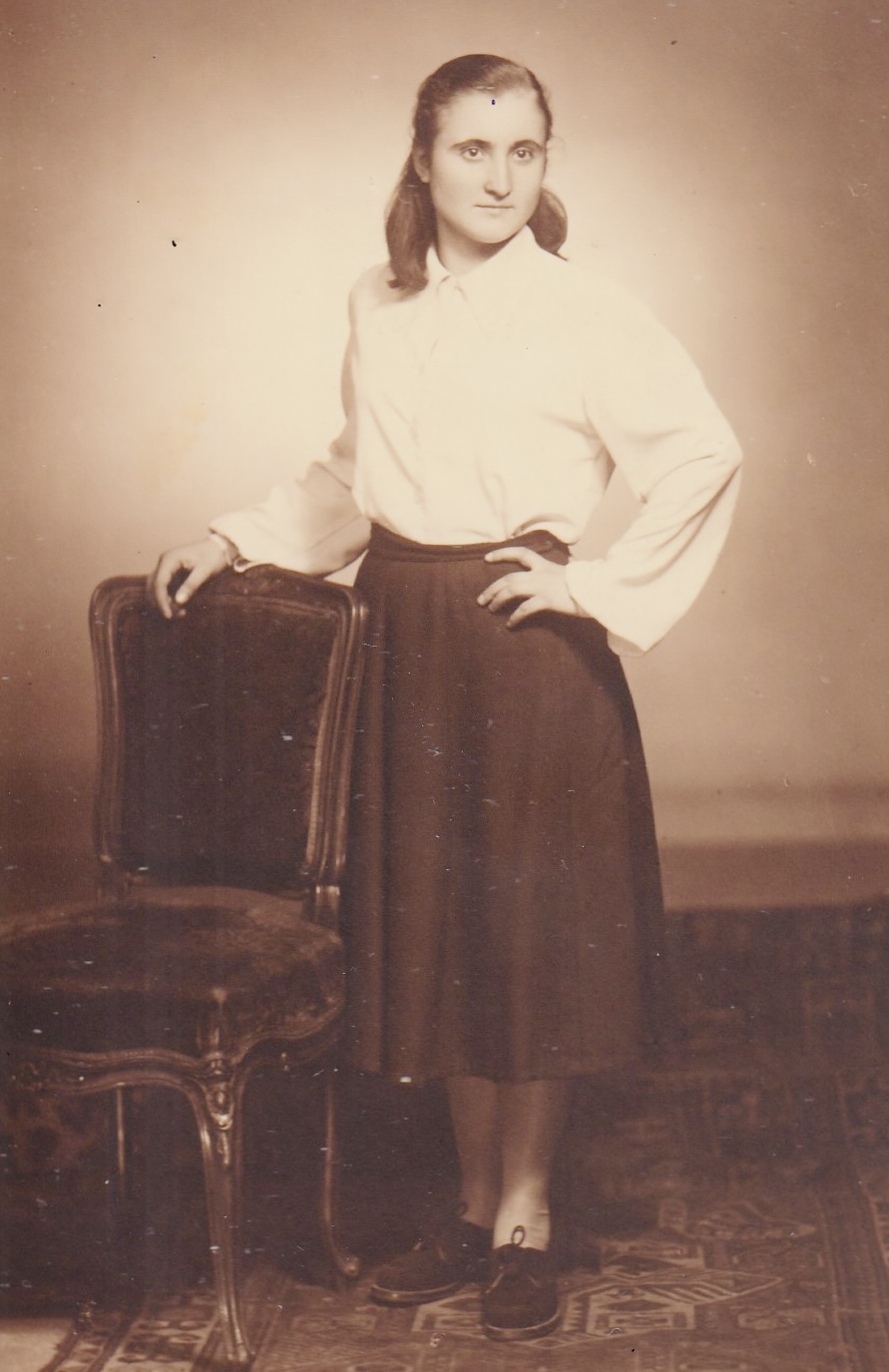
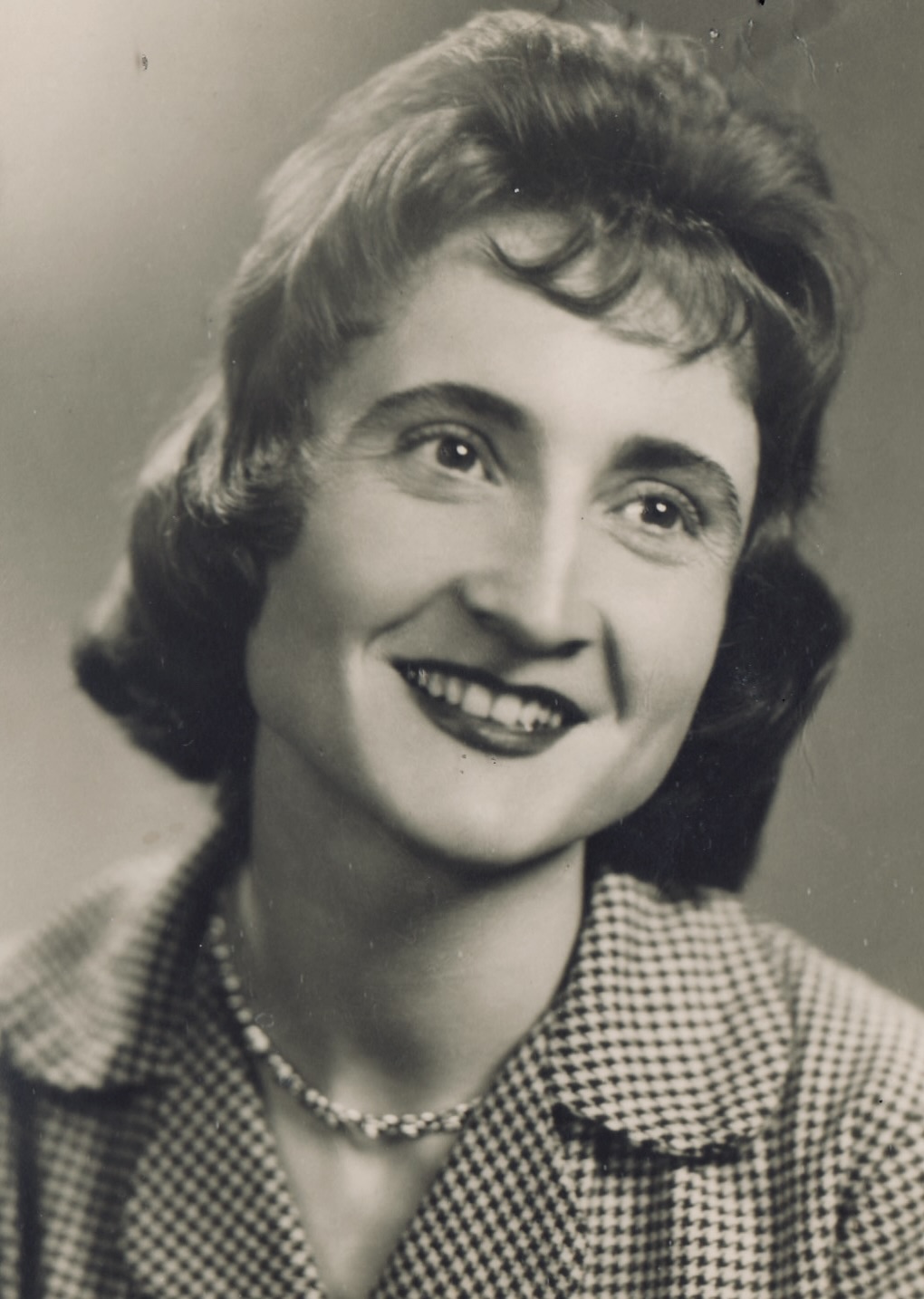
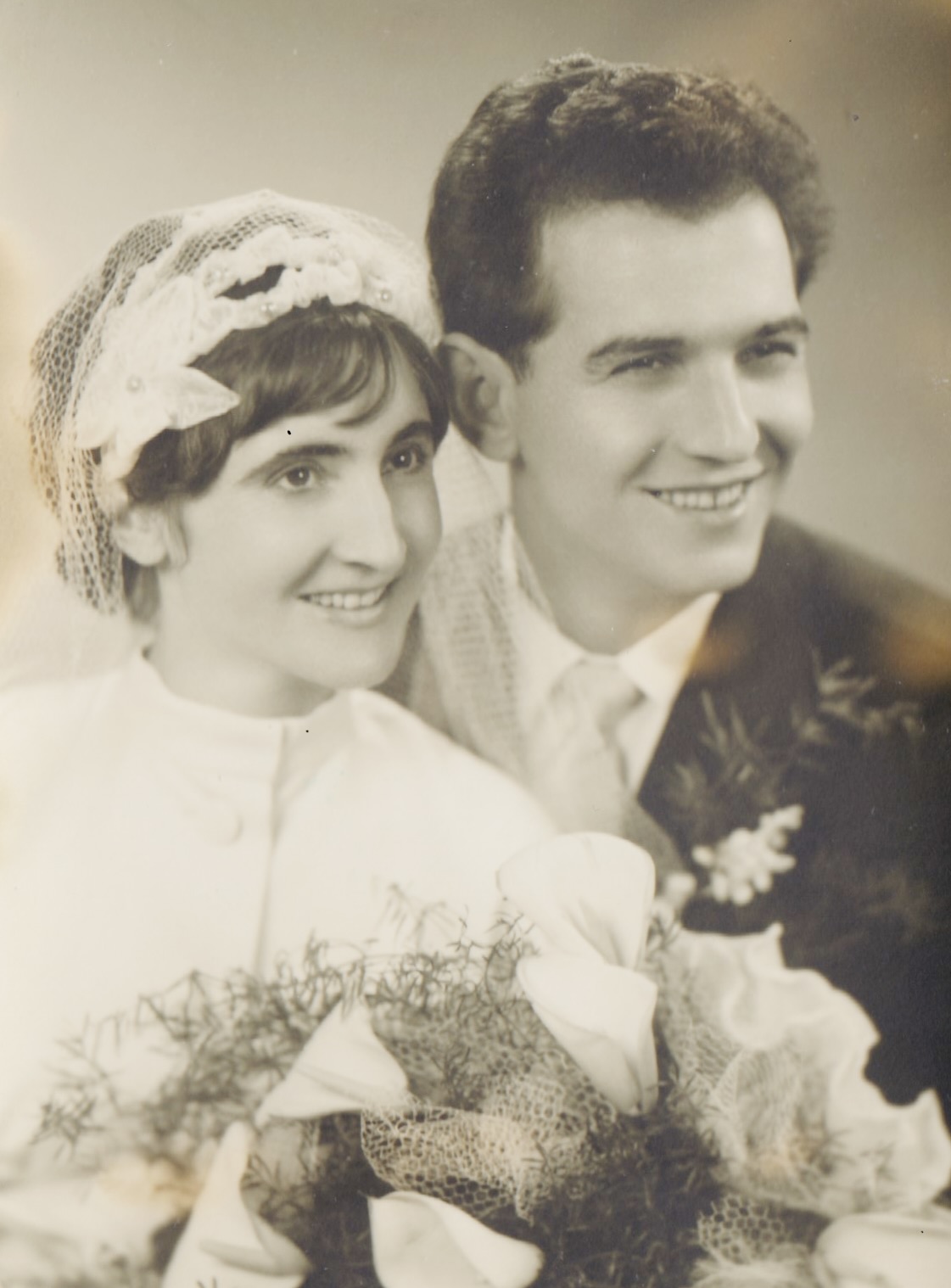
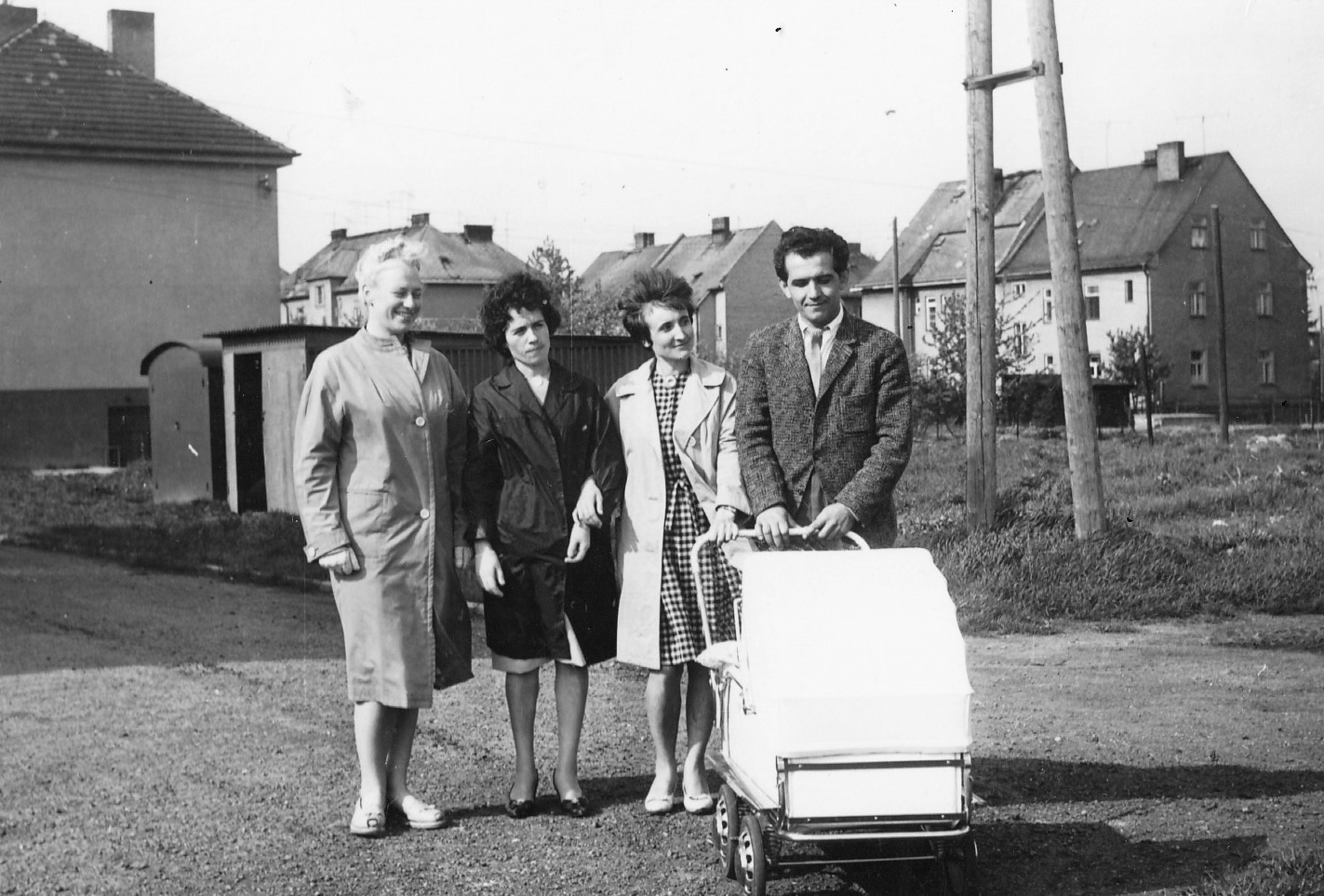
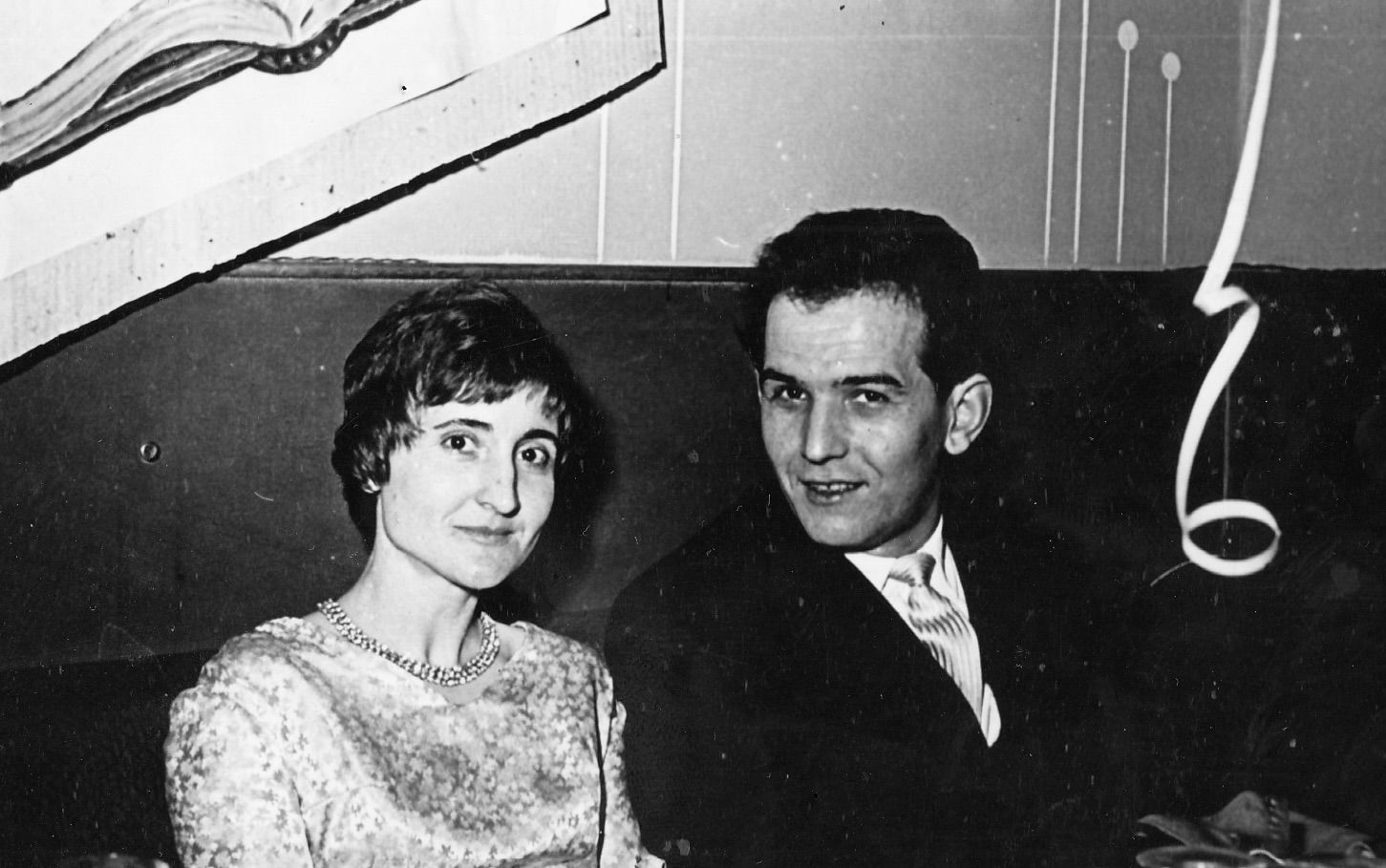
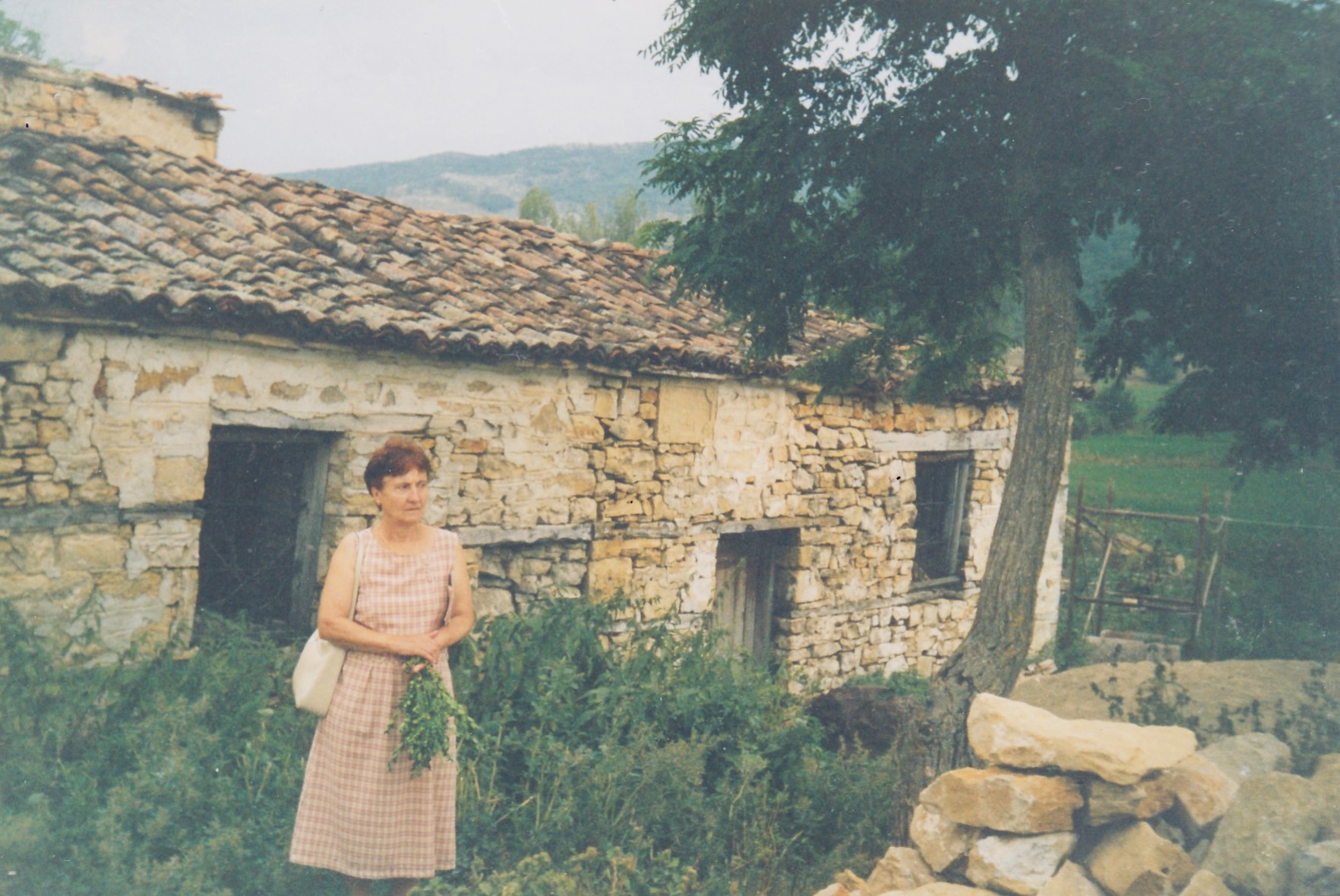
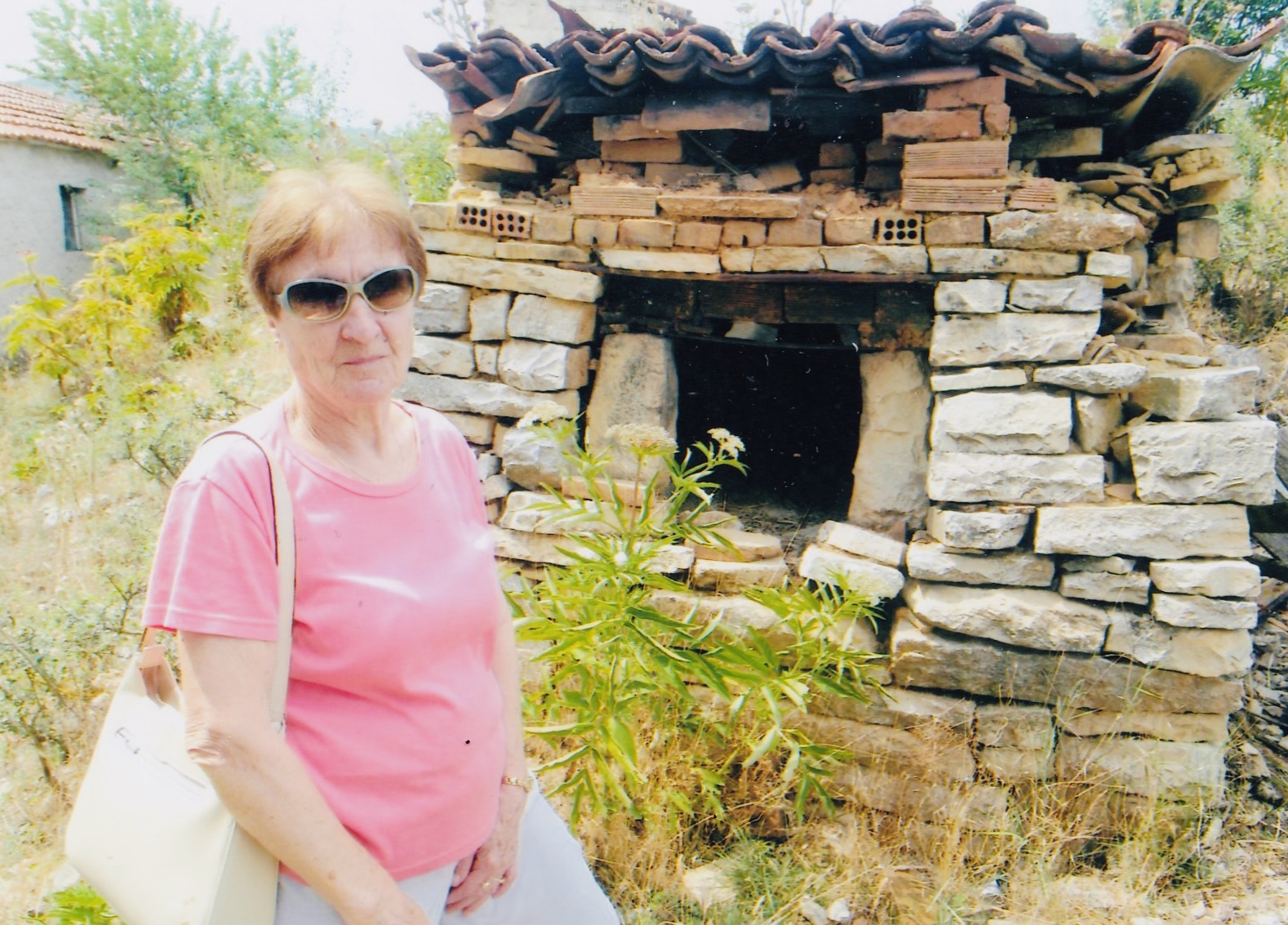
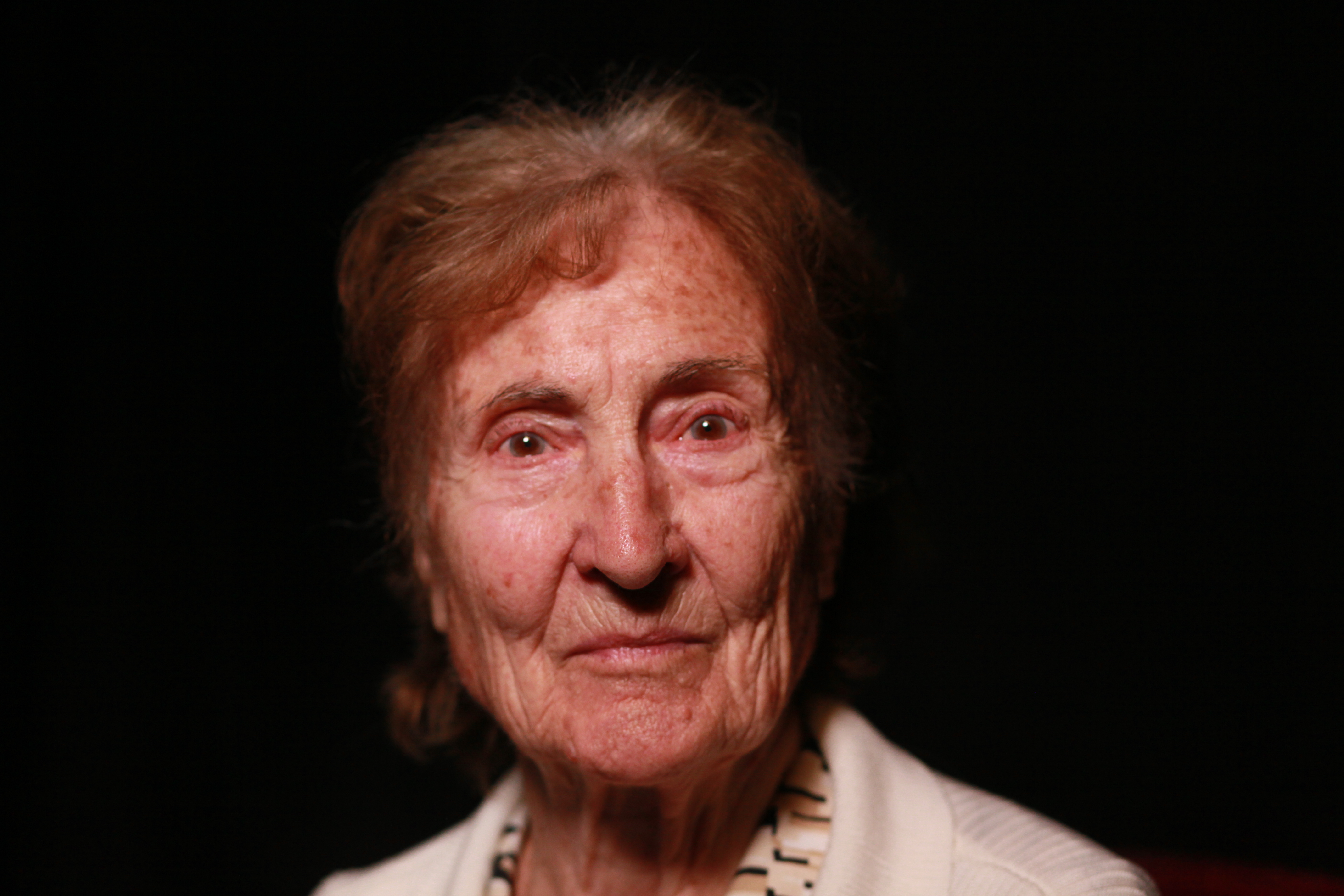
Eftichia Kiprovska, née Kostovská, was born on 15 August 1935 in the village of Vrondero in northern Greece. The year of her birth was ambiguous because she had no documents with her when she arrived in Czechoslovakia in 1948 and the authorities determined her age from her height and teeth to be 1937. She did not find out her true year of birth until she was in her fifties when she visited the registry office in her hometown. The family belonged to the Macedonian Slavs and the Macedonian dialect was spoken in the village. Eftichia Kiprovska attended school for only two years, it was a one-room school where children from the whole village attended. In March 1948 she was forced to leave her native village due to the approaching civil war. Together with 180 other children of various ages, she set off on a march to the border with what was then Yugoslavia, thinking that she would stay for three months and then return home. She arrived in Czechoslovakia in April 1948 and spent her adolescence in children´s homes in the Jeseník region and Chrastava near Liberec. She graduated from the Secondary Pedagogical School in Prague and worked as an educator in a day-care centre in the Jeseník region and in Brno. She met her mother after six years after leaving Greece in Czechoslovakia. To the joy of her family, she married a Macedonian with whom she had two children. She visited her native village for the first time in 1986. In 2025 Eftichia Kiprovská was living in Brno, where she had moved from Jeseník in the 1970s. Throughout her life she was active in the Greek community, where she participated in cultural life and maintained contact with her extended family and the compatriots with whom she came to Czechoslovakia.
Hrdinové 20. století odcházejí. Nesmíme zapomenout. Dokumentujeme a vyprávíme jejich příběhy. Záleží vám na odkazu minulých generací, na občanských postojích, demokracii a vzdělávání? Pomozte nám!