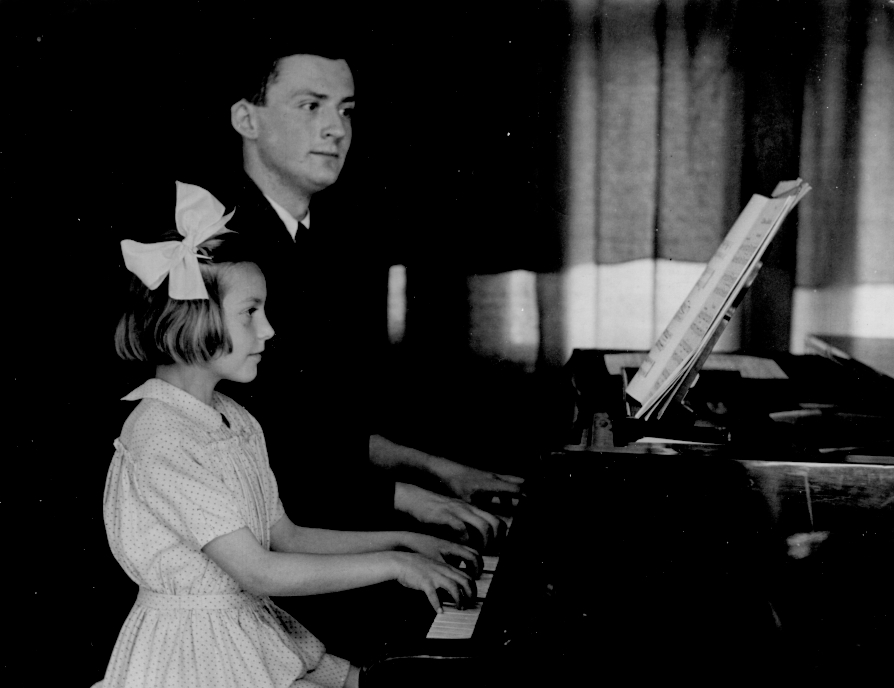
"In November 1989 I was a chaplain at the then archdeaconry in Pilsen, today's bishopric. I didn't know how it would end. There was some hope, but also a lot of fear that there would be some kind of massacre or some kind of hard suppression of efforts to change management. So I was praying a lot and urging people in the church to pray that it would turn out well. I was glad that there were changes. We were already being invited to various Civic Forum events as priests of the archdeaconry at that time of the November days, around November 25. I know I gave a talk on medical ethics at a gathering of doctors and health care workers at that time. But I was a little sad that they weren't really interested in ethics at that point. They were mainly interested in getting rid of the communists on the high positions. So it's like we were a bit useless there. But we weren't useless with the students."
"On the day he was supposed to arrive, according to the letter, the police were waiting for him in the square in Litoměřice. They first looked him over, drove around him twice, and when they were sure it was him, they stopped him and asked him what he had in his backpack. They said it must be from some criminal activity. They took him to the police and called their colleague in Česká Lípa to let the parents know where their son was. They asked the boy if his parents knew where he was and who he was going to, and he had to say my name. We spent the whole afternoon discussing what we would say when they called me in for questioning. That happened about two months later and it was kind of interesting. The purpose of the interrogation was to get me to cooperate, but they did it rather clumsily and I guess I didn't have the character for it, so they didn't succeed. I know they were making arguments like, 'You're for peace, aren't you? And do you know that the Pope has allied himself with world imperialism against world peace? Don't you know that? 'That's what Red Law says.' I replied that I don't read the Red Law, that I don't read newspapers. And so they reproached me, how is it possible that I, a future priest, a future political worker, don't read the newspaper. I answered that I don't read it, that I study, I don't have time for that. They advised me to engage in the peace movement. Perhaps by joining the Pacem in terris priests' association when I become a clergyman. I told them that Pacem in terris doesn't build the shalom, the inner peace that the Bible says. I don't believe it would do any good."
"Even as a child I had the ideal of becoming a priest. It was refined in various ways, and in my fourth year of grammar school I knew that now the decision would come. But I also knew there would be difficulties with it. So I didn't even tell anybody at home, only my dad. Mum didn't know about it, I knew she wouldn't like it. I dealt with it as secretly as possible. I didn't disclose that I wanted to go to the theological faculty until March 1980. The headmaster of the grammar school at first made a very good excuse that it was not possible, that I had originally written another one. But I was not to be discouraged. I wanted to submit the application. I also told our parish priest about it - that the headmaster's attitude was that it was impossible. The parish priest, perhaps out of naivety, told the district church secretary, with whom he got on well at first. And we don't know what happened after that. But we do know that on March 8, 1980, the headmaster Mr. Mareš called me into the headmasters's office and all red and purple - he played all the colors - and started yelling at me, 'I have 350 students and one Kaplanek wants to destroy me!'"
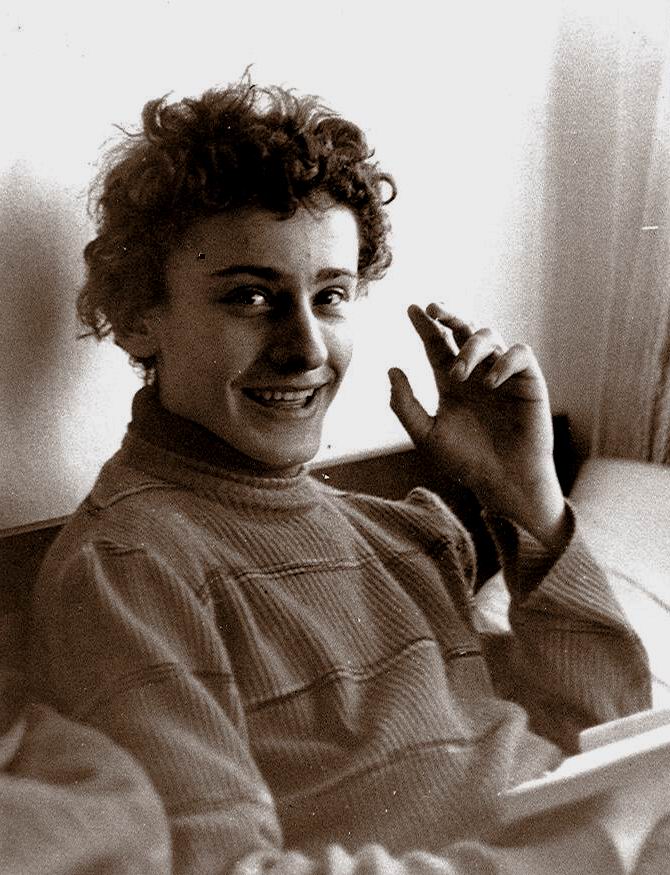
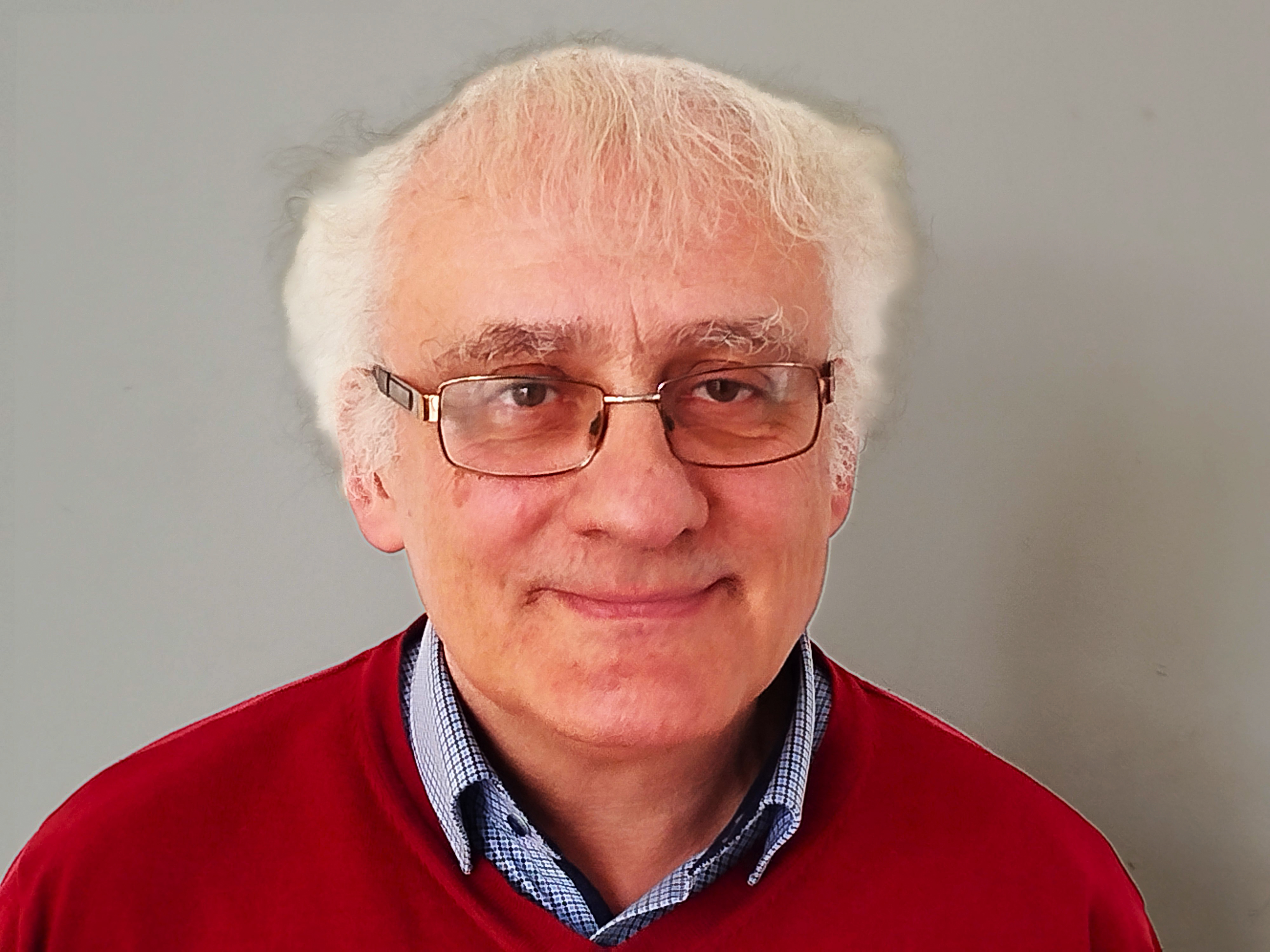
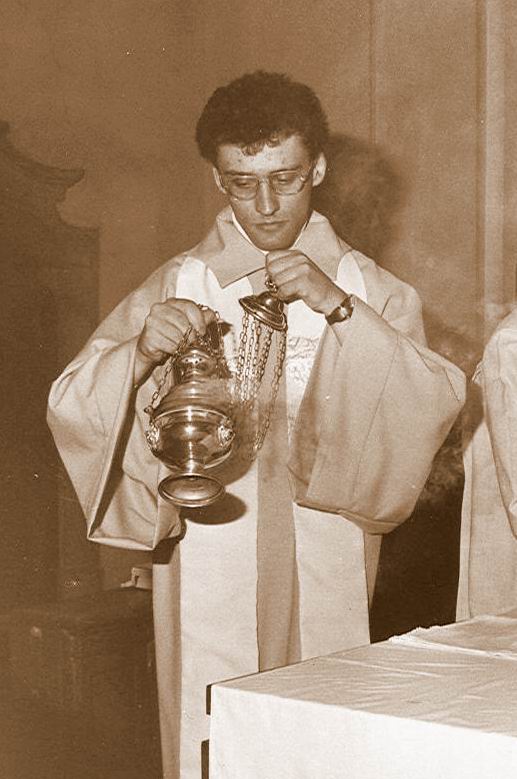
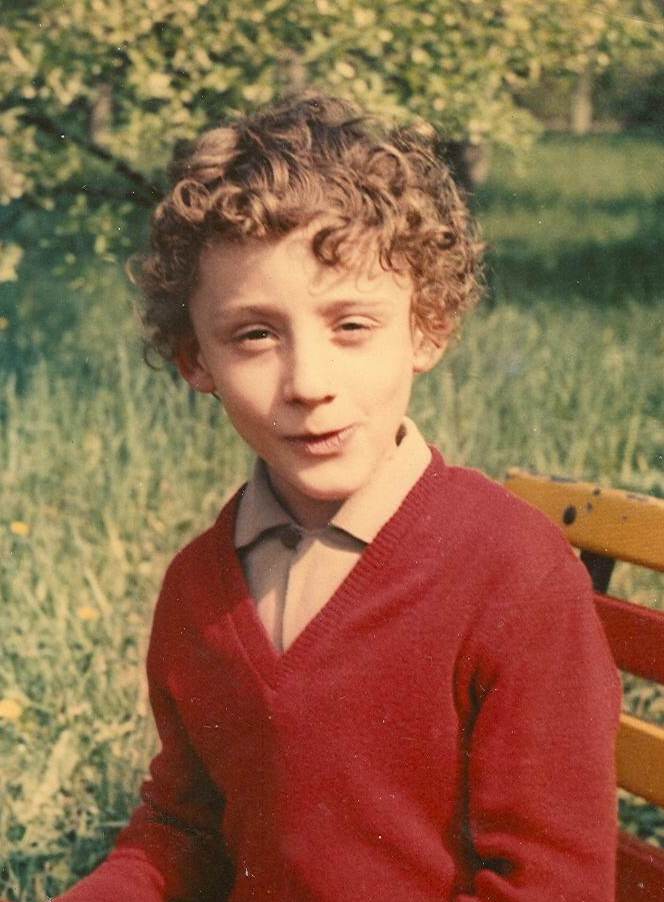
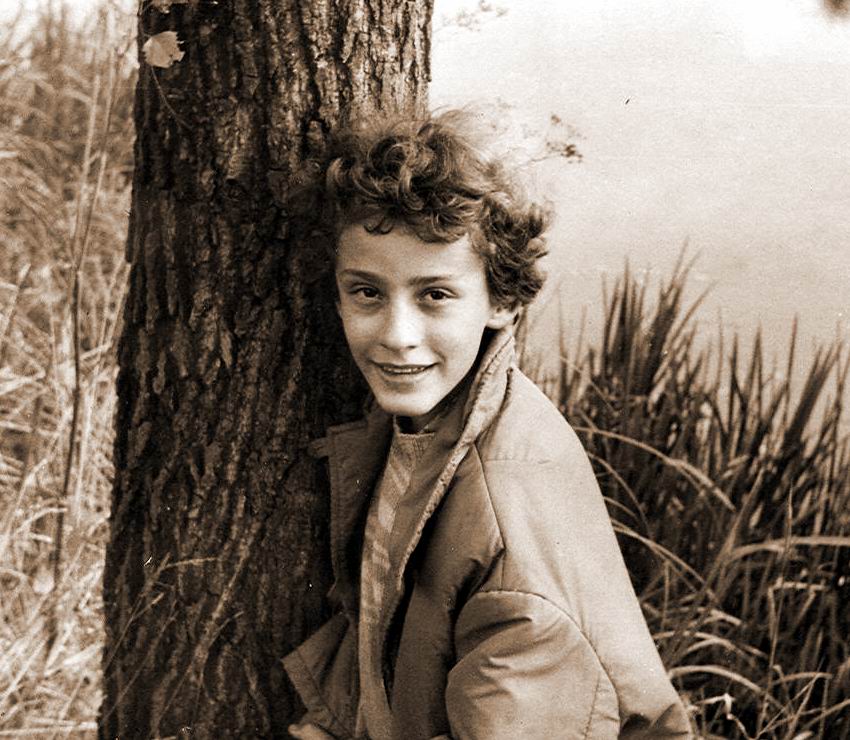
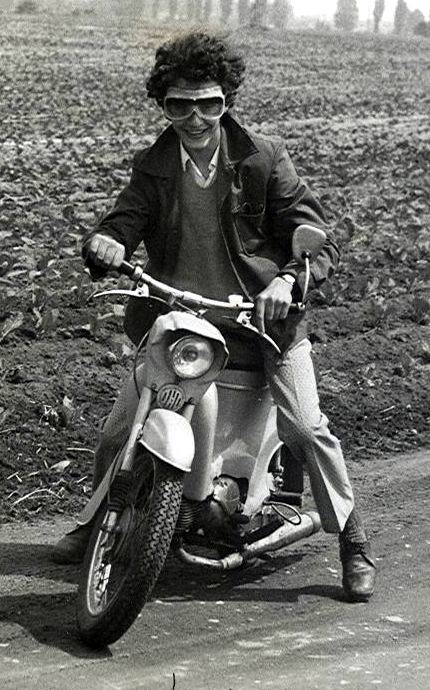
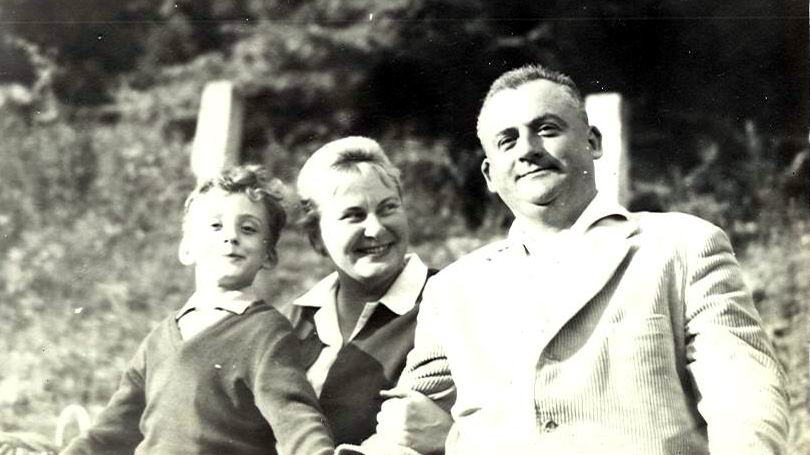
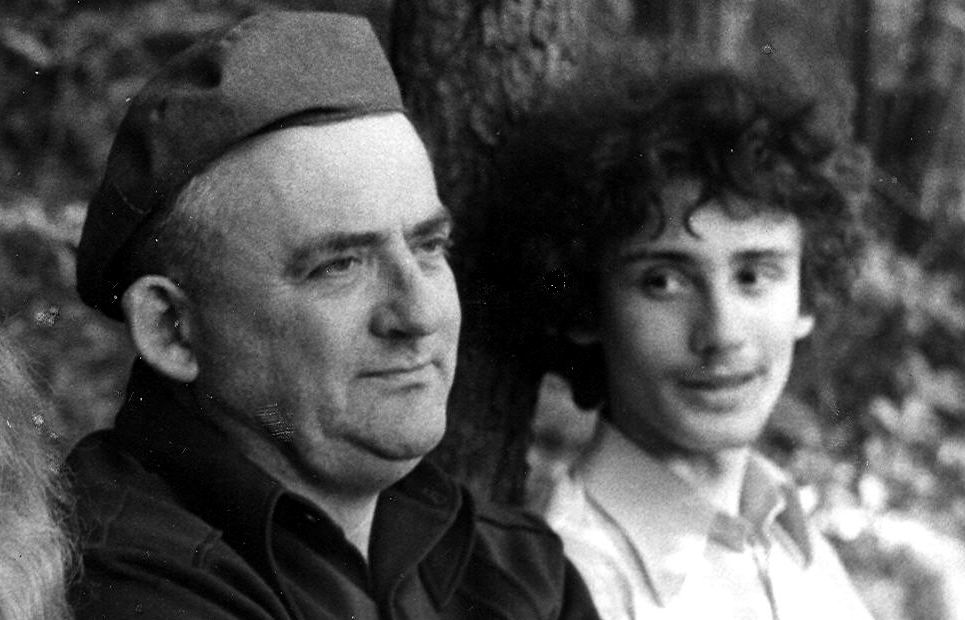
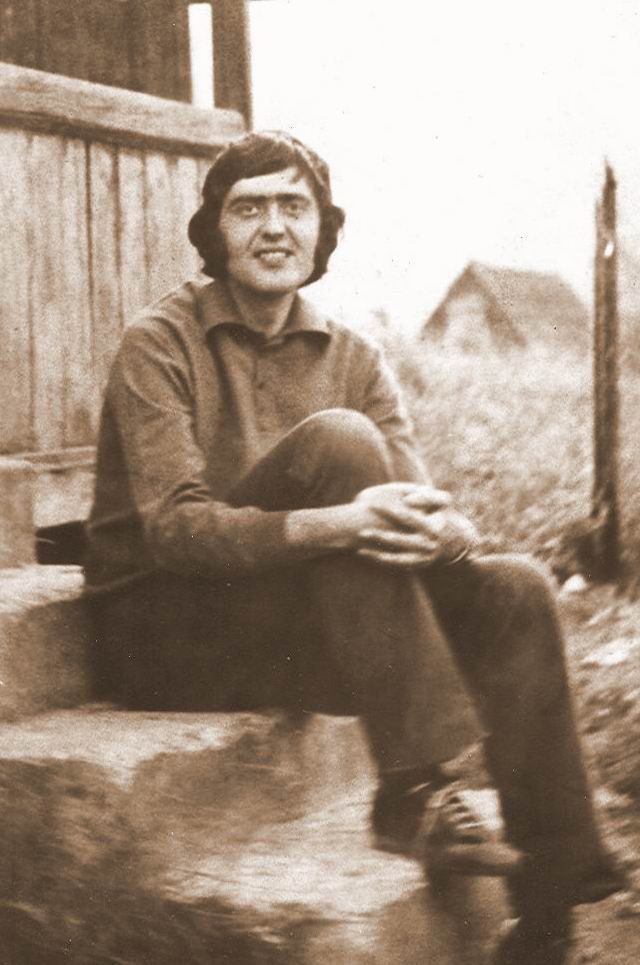
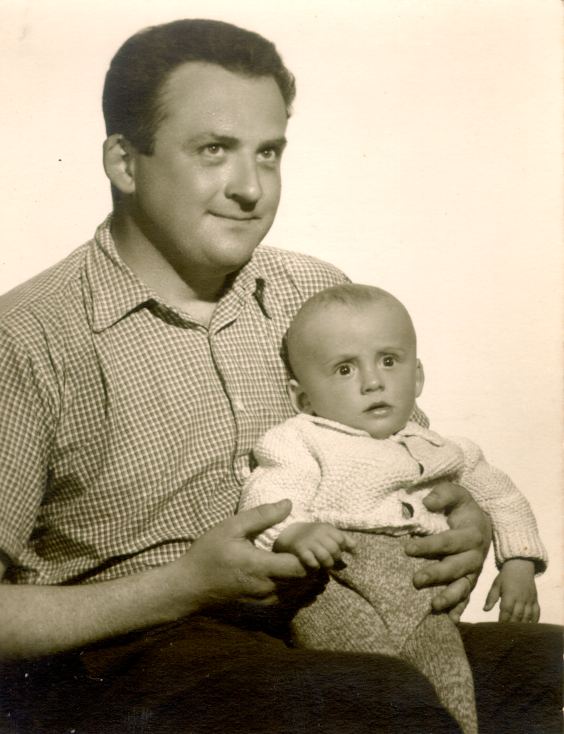
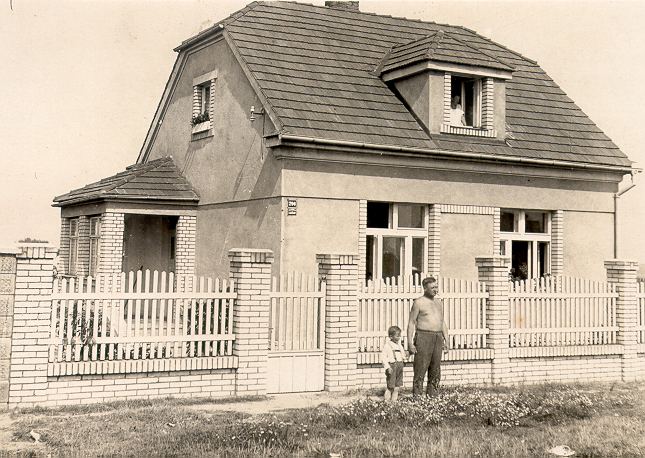
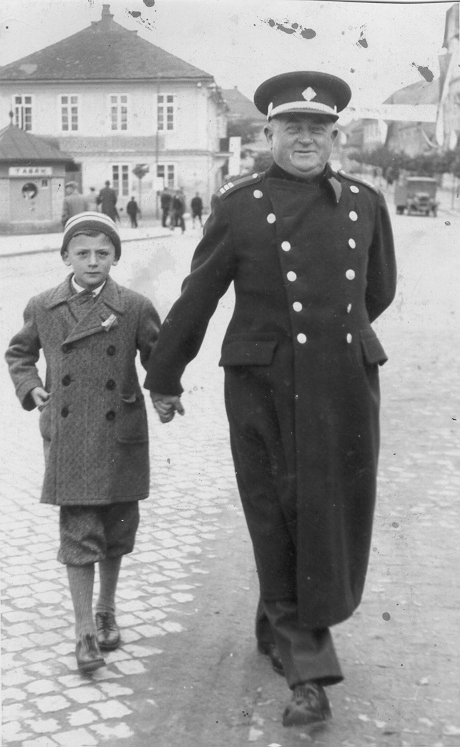
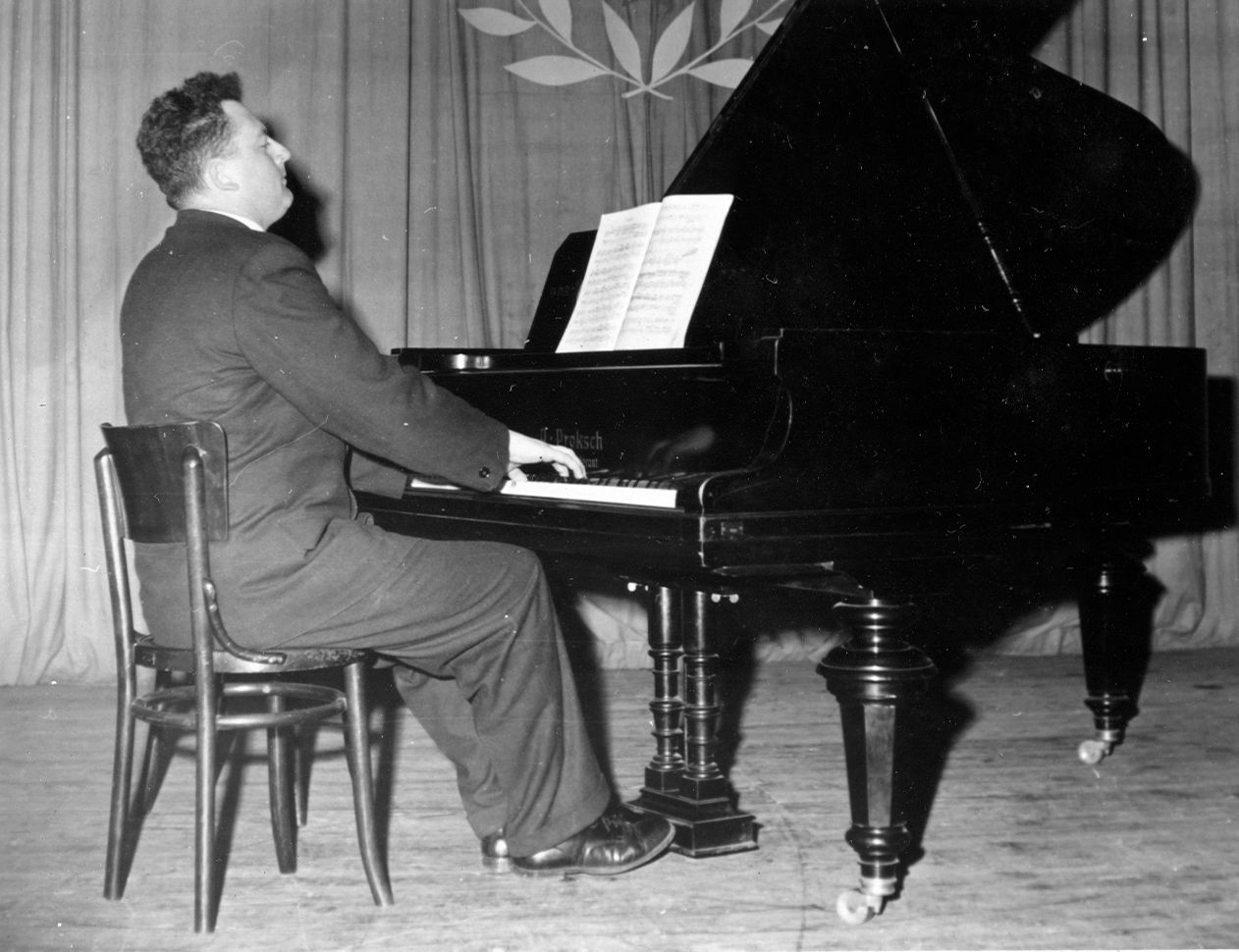
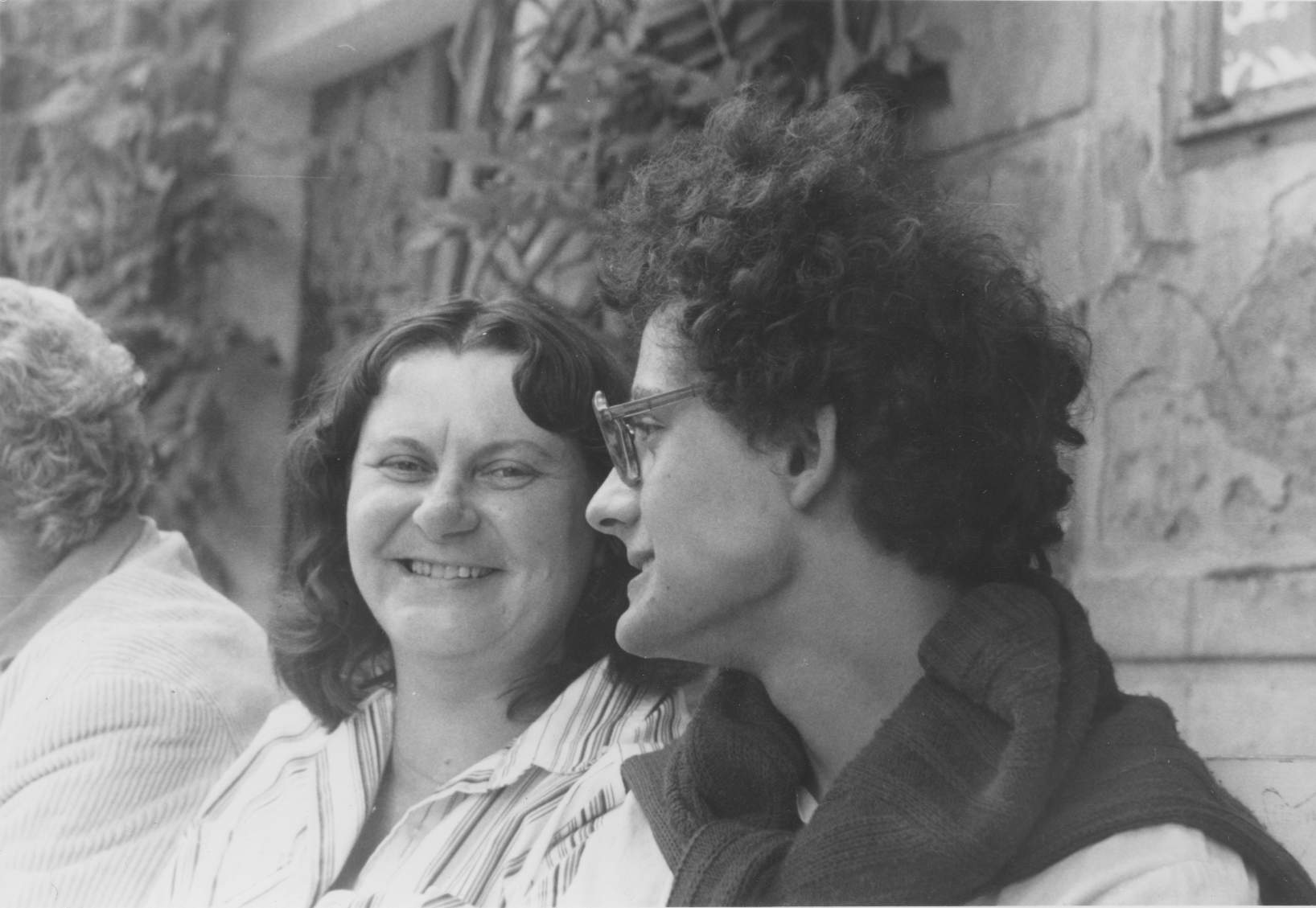
Michal Kaplánek was born on 14 July 1962 in Prague. His father Emil Kaplánek (born 1927) came from a musical family and worked as a music teacher all his life. His mother Jarmila Kaplánková (nee Šípová, born 1930) worked as a foreign language correspondent after graduating from secondary school. After Michal was born, she stayed at home. She was an artist by training, wrote poems and learned to sing as an adult. Her first husband Jaroslav Zmatlík died in 1952 and she was left alone with her first son Jaroslav. Michal started his primary school education in 1968 in Prague, Smíchov. His brother Jaroslav Zmatlík, 11 years older, played a big role in his life. After the death of his paternal grandmother in 1971, the family moved permanently to Čelákovice. From an early age, his parents observed great religiousness in Michal. Throughout his childhood he regularly attended church and served as an altar boy. After graduating from the grammar school in Brandýs nad Labem, he intended to apply to the Theological Faculty in Litoměřice. However, he was talked out of it under pressure. He completed a follow-up study at the Secondary Library School and did not apply to the Theological Faculty until 1982. From his youth he was a member of the secret Salesian community, participated in events, went to the „Chaloupky“ meetings. His family faced pressure from the regime and he was interrogated by State Security (StB) and pressured to cooperate, which he refused. In 1989 he finished his studies at the Cyril and Methodius Theological Faculty in Litoměřice. After graduating and being ordained a priest, he began working as a chaplain at the then Archbishopric of Pilsen, where he also lived through the events of November 1989. After the Velvet Revolution he initiated the establishment of the Salesian Centre in Pilsen. In 2026 he was the director of the Local Community of Don Bosco Salesians in Pilsen and at the same time he taught at the Faculty of Education of Masaryk University in Brno.
Hrdinové 20. století odcházejí. Nesmíme zapomenout. Dokumentujeme a vyprávíme jejich příběhy. Záleží vám na odkazu minulých generací, na občanských postojích, demokracii a vzdělávání? Pomozte nám!