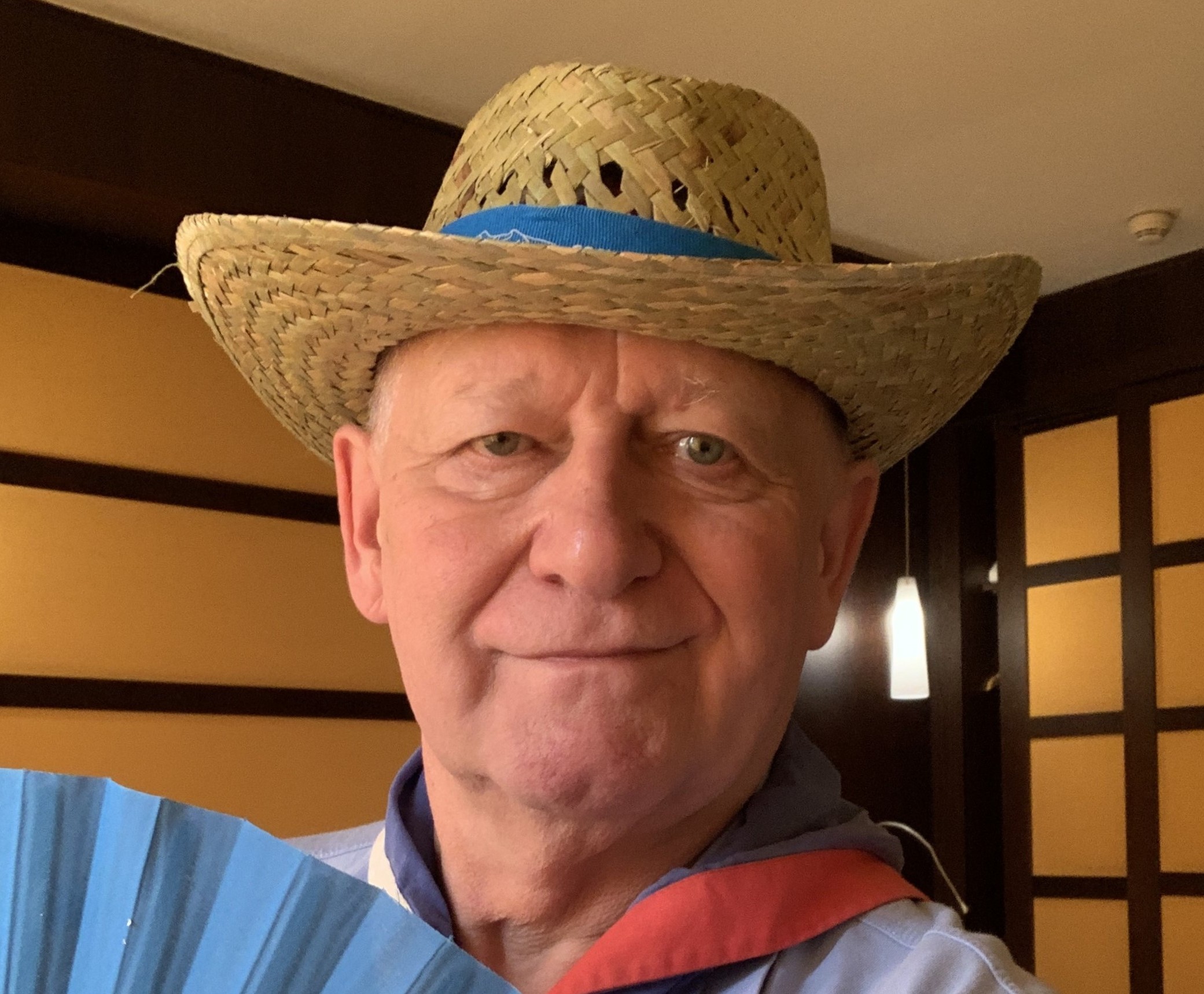
Slavomil Janov

* 1958

  • "So, in November 1989, I was working at the Středočeský deník newspaper as the head of the sports section, so apart from me, there were all those. . . the political situation at the time, but of course, you could sense it. And I know that I was on duty in the editorial office in the evening, preparing the sports page for publication, so I didn't participate in the events on Národní třída or anything like that. I had already finished school, I was... I was 33 years old, or 31 years old, but you could sense it and basically feel it, I think everyone understood that what had happened and what it had brought about was a big deal. Because in November, you could really feel that atmosphere, that maybe we would finally get what we had been waiting for, we got what we had been missing. That lack of freedom, that system, including the economic system, where there was a planned economy, there wasn't much on the market, it was all wrong. So it's not just about money and material things, but also about values. So I experienced it like most people, the vast majority of people, I observed it with joy."

  • "I took an exam on scientific communism. Maybe there were some thick books and textbooks, lecture notes. I admit that I didn't read any of them, not that I wasn't interested, because people evolve, and as a child I wasn't very interested in history, but today I like history and I'm basically a historian in the field of scouting. So today I might not read it, but at least I would skim through it. At that time, I didn't even hold it in my hands and I went to the exam, which was quite important, as it was... It was still socialism, I was actually... it was in 1987. I came to the exam, and there was the examiner, a professor, he had the title of professor, he was educated, and he was writing something on some pieces of paper, and there were sheets of paper with questions laid out like this... And he asked me, without even looking up, he said, "So, colleague" – he said colleague, I remember, he didn't say comrade – he was a bit sophisticated. We mustn't exaggerate dogmatically, I don't want to defend it, but it's not true that everything under socialism was worthless. Of course, the ideology was nonsensical, there was no freedom, no democracy, but some things were completely normal. Fifteen million Czechoslovakians lived under that system, they went to work, they had families, lives, their joys and so on, but of course it was limited. I remember that, he said, colleague, choose a question, and decide whether you want to prepare or go straight ahead. I turned it over and the question was about morality in socialist society. So I said, I'll go straight in, we won't wait for a moment, but I had no idea what I was going to talk about, because I knew that if he wanted some principles or theories or definitions from textbooks, I didn't know anything about that. So I was like... and he kept writing something, he didn't pay any attention to me, he didn't look at me. I started by saying that morality is actually a relatively complex phenomenon of human values and behavior, but that morality can be taught from childhood. So I moved away from what morality is and started talking about how it can be taught from childhood, for example through literature for children and young people, such as Arkady Gaidar's Timur and His Gang, or Jaroslav Foglar's The Rapid Arrows. And he looked at me for the first time, smiled and said, 'The Rapid Arrows? Those were a bunch of colorful boys, right?' I said to him, 'Comrade Professor, by colorful boys, you mean the characters from the comic book, from the cartoon series?' He said, 'Yes, yes, I remember that, I read it as a boy after the war, wait, what was the name of that magazine?' So I played along with his interest in journalism and said, 'Probably Vpřed after the war, or maybe Mladý hlasatel before the war.' 'Oh yes, yes, yes, they did all those good deeds, yes, that’s morality, give me your index, full marks.'"

  • Celé nahrávky
  • 1

    Kutná Hora, 13.11.2024

    (audio)
    délka: 01:31:39
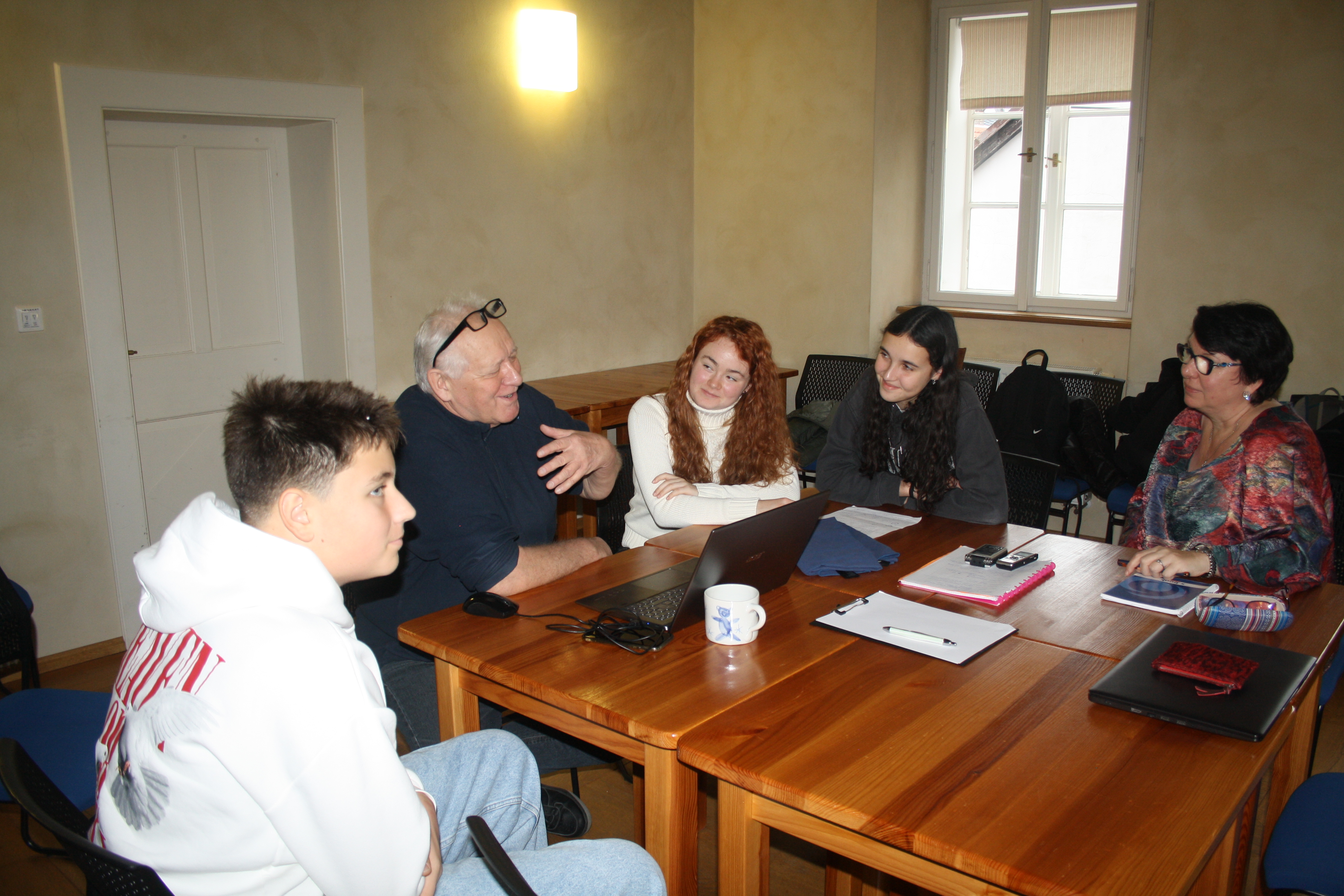
    nahrávka pořízena v rámci projektu The Stories of Our Neigbours
Celé nahrávky jsou k dispozici pouze pro přihlášené uživatele.

I‘m not one of those people who thinks it was better back then
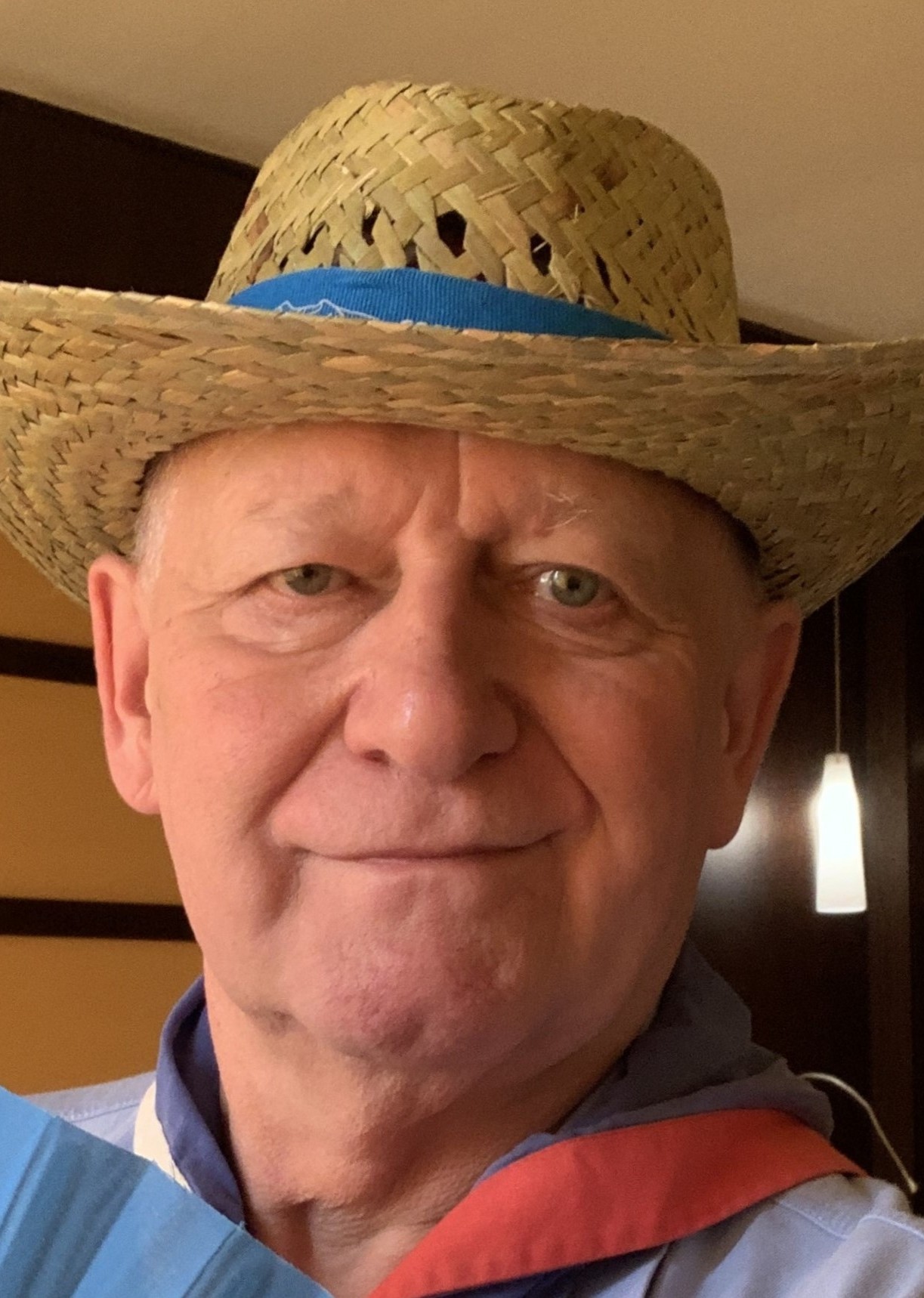
Slavomil Janov; 2024
zdroj: Post Bellum

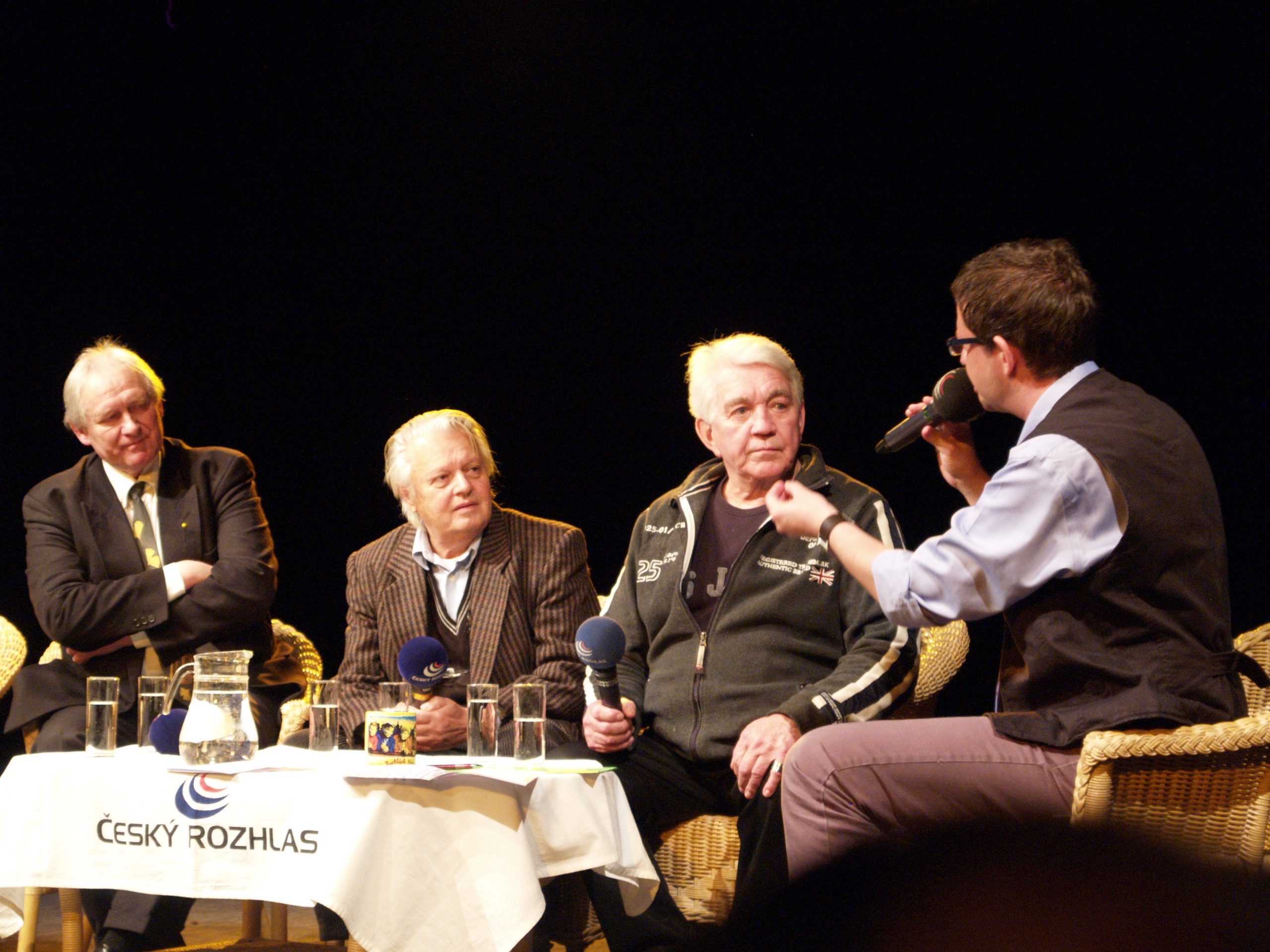
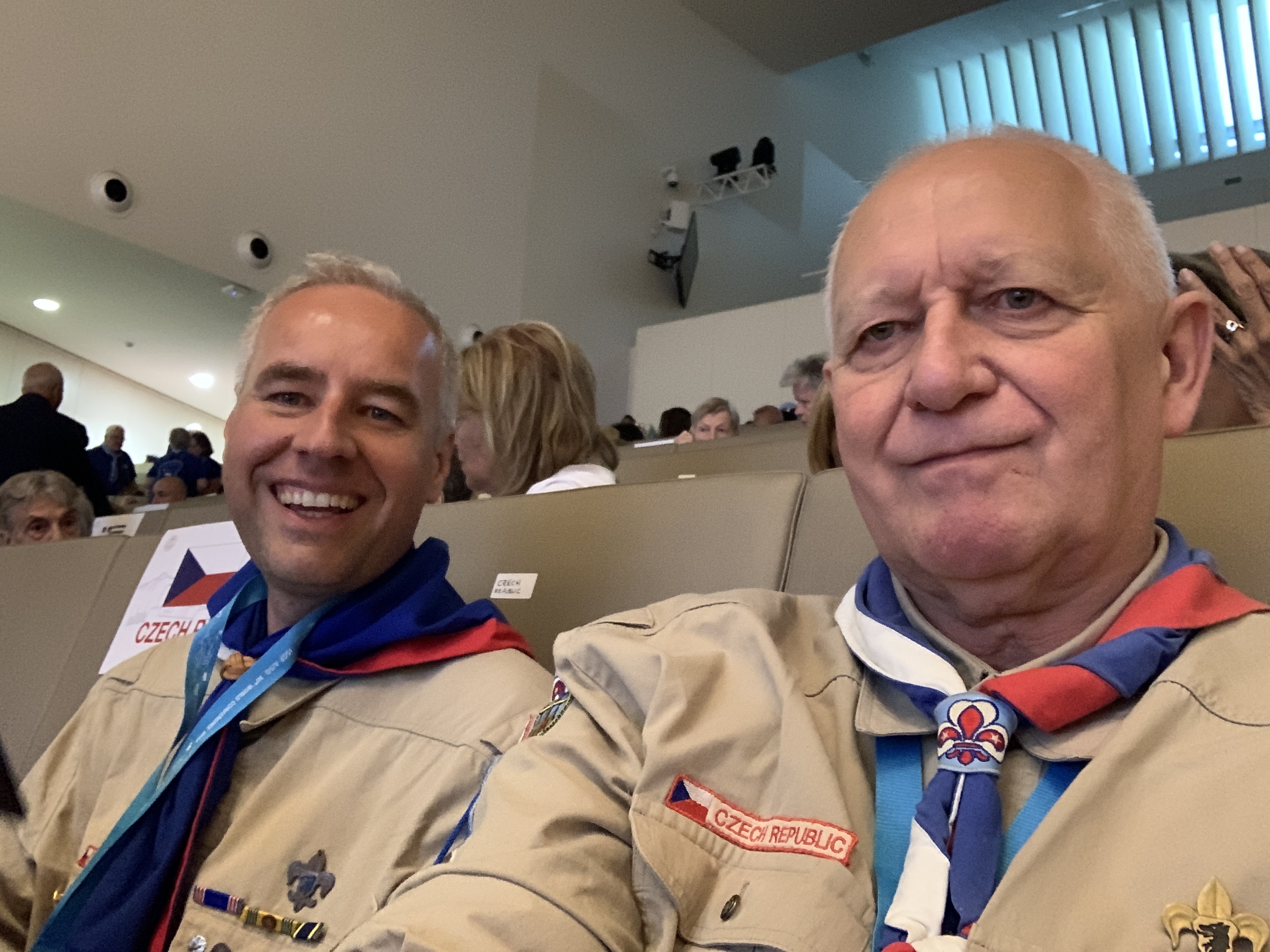
Slavomil Janov was born on July 19, 1958, in Levoča, Slovakia, and grew up with his parents and three siblings in Poprad. He came from a working-class background; his father worked as a tinsmith and his mother took care of the household. He remembers how one August morning in 1968, his mother woke him up with the words that there would be a war. Shortly thereafter, a classmate introduced him to scouting, which was briefly revived in the late 1960s. It was banned in Slovakia in February 1970. A few years later, while studying at the Secondary Technical School of Construction in Prešov, he founded a youth hiking club, which functioned as an illegal scout group. From then on, he was in regular contact with Jaroslav Foglar. In 1977, he left for the Czech Technical University in Prague, where he studied cartography and geodesy, but left the field after three years. Since high school, he had been contributing to various periodicals, and in 1980, he joined the Central Bohemian regional daily newspaper Svoboda as a trainee, where he gradually worked his way up to the position of sports editor. From 1983 to 1985, he completed his military service. While still in the army, he successfully passed the entrance exams for the Faculty of Journalism in Prague and graduated after the revolution. In the mid-1980s, as a journalist, he traveled to Wales and Italy with a rugby team. When the revolution came in November 1989, he sided with those in the editorial office who wanted freedom. Because he was not burdened with ideological articles as a sports editor, he was elected to head the daily newspaper Svoboda. Because he was not burdened with ideological articles as a sports editor, he was chosen to head the daily newspaper Svoboda. It ran until 1991, when he left to join the Melantrich publishing house, where he gradually worked his way up to the position of deputy director for publishing. At that time, he worked closely with Jaroslav Foglar and finally devoted himself fully to scouting, which he continues to do to this day. In 2024, he lived in Prague.