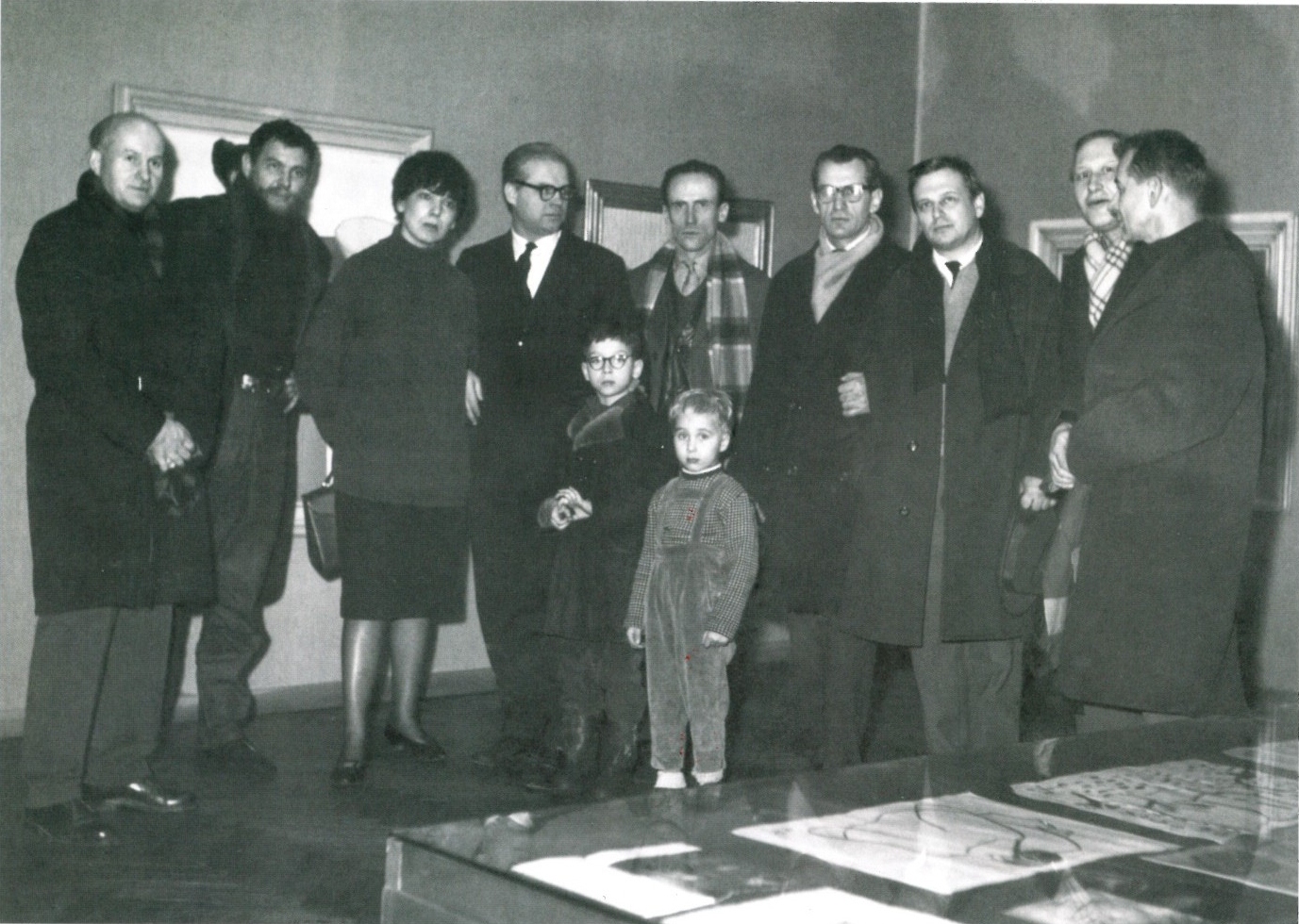
After emigrating with their parents, they first stayed in a refugee camp near Trieste
Stáhnout obrázek
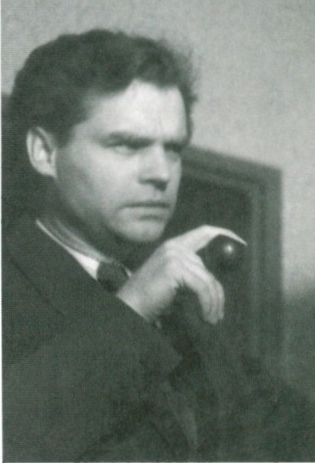
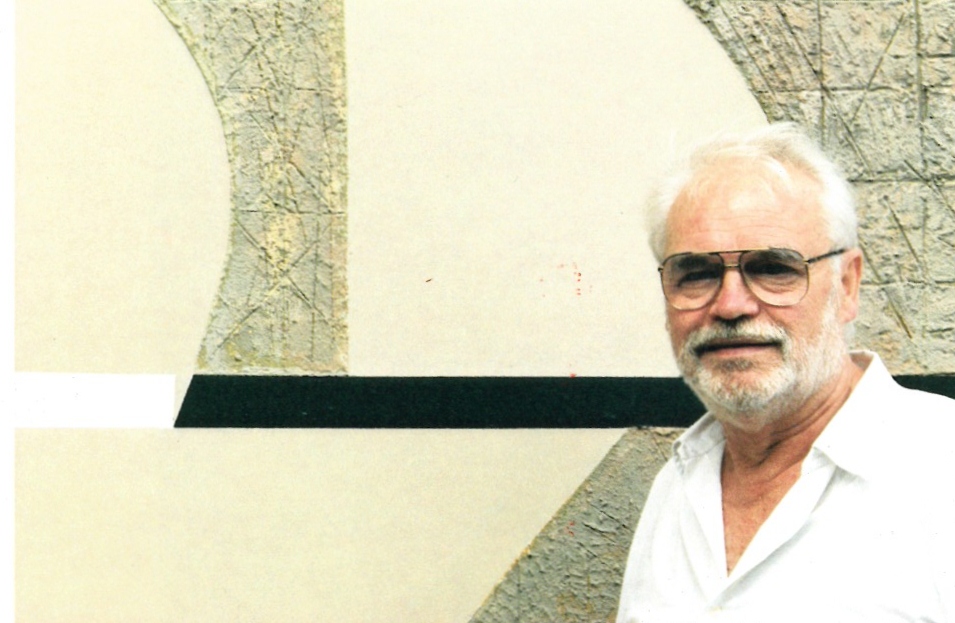
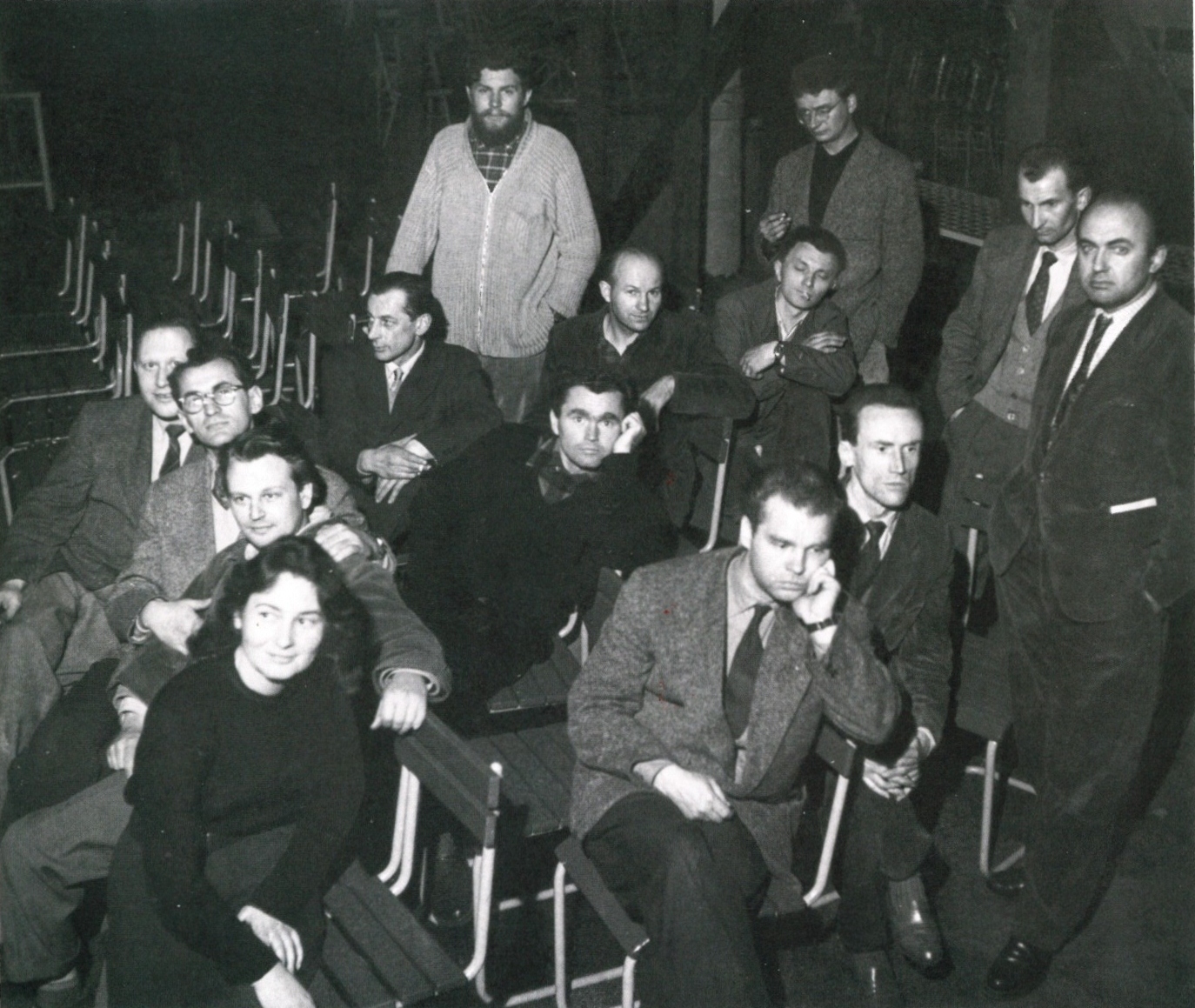
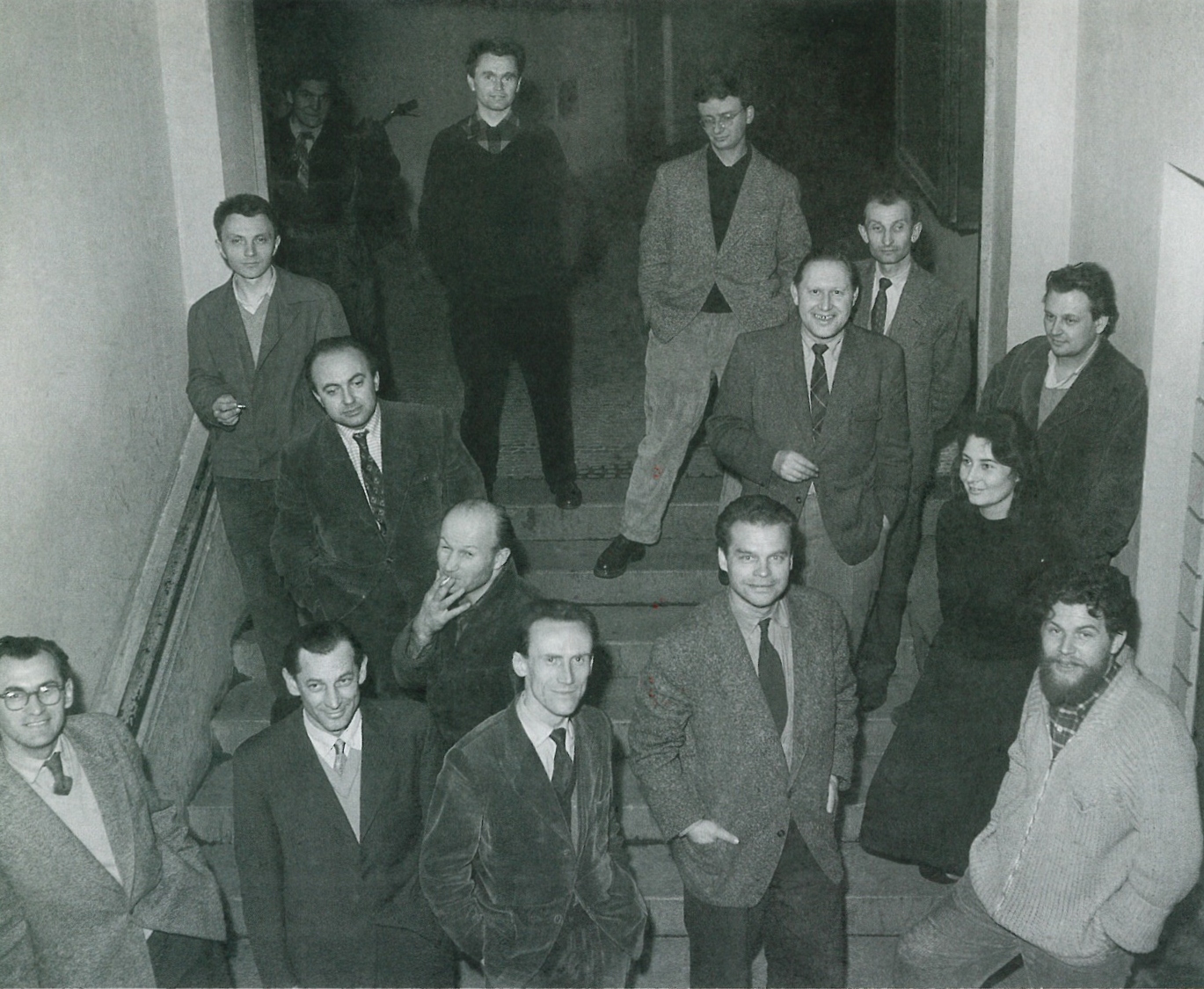
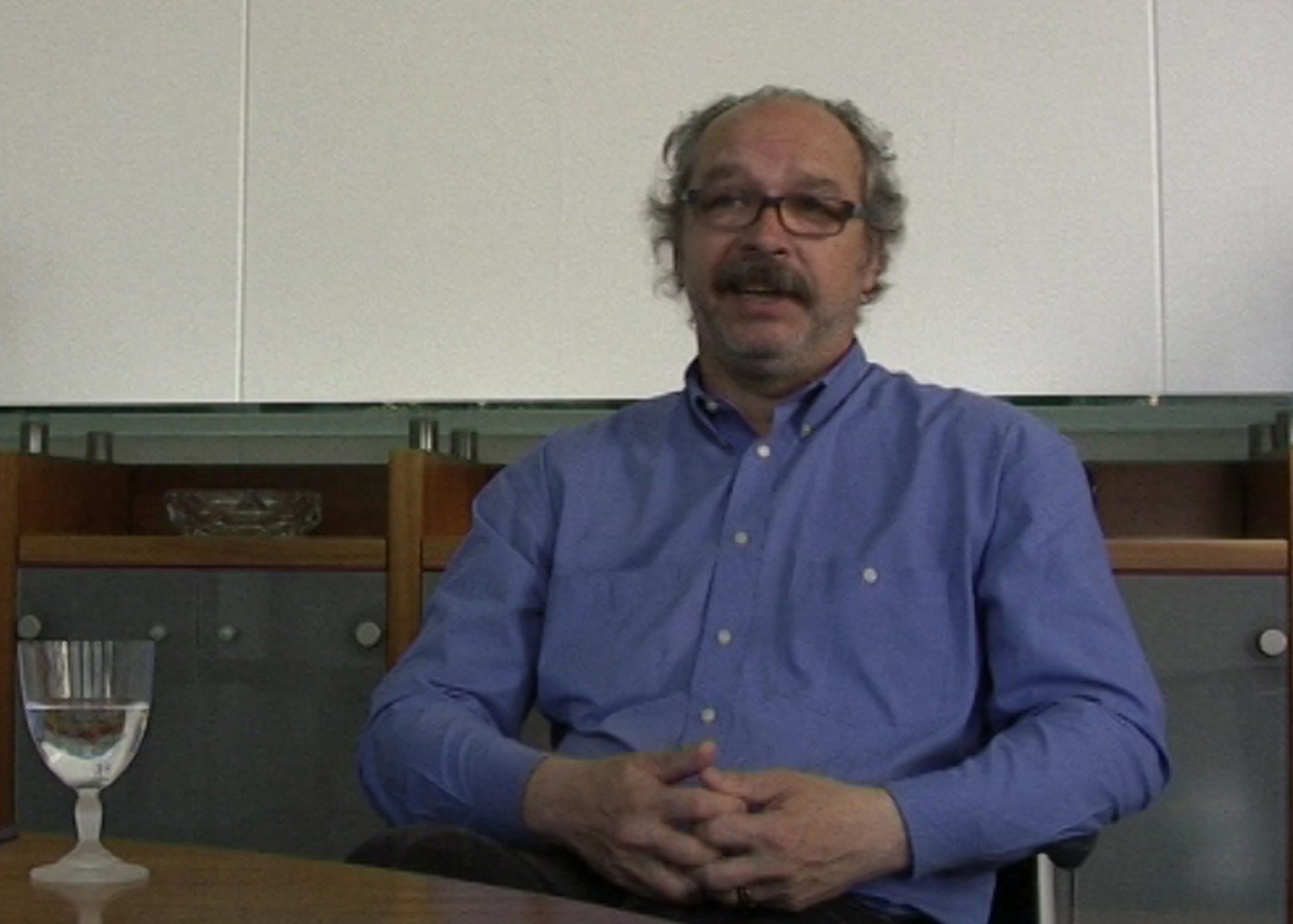
David Dydek was born on September 2, 1956 in Prague into the family of painter Jaroslav Dydek and art historian Jarmila Skalická Dydkova. His mother was dismissed from her job at the university after 1948 because of her bourgeois background, then worked in the tourism industry. Her father was a member of the art group Štursa and later Máj 57. During the war, he worked in the Protectorate Radio, and later, when the Union of Artists was formed, as a non-party member, he promoted a concept different from the Soviet model. He created tapestries and at the end of the 1960s participated in the decoration of Adriatic hotels in Yugoslavia. David Dydek experienced the August 1968 occupation as a primary school pupil in Prague. Two weeks before the border was closed in 1969, the family managed to emigrate to Italy. For illegally leaving the republic, the parents were sentenced in absentia to two and a half years in prison and the forfeiture of all their property. The family first stayed in a refugee camp near Trieste, then moved to an area near Lago di Garda, where they settled. As refugees, the parents initially found it difficult to find work. Italian society was heavily influenced by the strong Communist Party and the country was the scene of a series of street riots in the autumn of 1969, the so-called Red Autumn. David Dydek completed his primary education in Italy and began studying architecture in Venice. Among other things, he experienced the ideologically conflicted atmosphere of the 1977 Biennale, which brought together many artists from Central Europe living in exile. Throughout his emigration, his father Jaroslav Dydek maintained many contacts with Czechoslovak artists who had settled in other Western countries, such as Ladislav Mňaček and Jiří Kolář. The Italian group of emigrants around Jiří Pelikán in Rome was not ideologically close to Dydek. After 1989, David Dydek tried to organize an exhibition in the Czech Republic for his father, which he managed to do only a year before his death in the summer of 2005 in Mikulov.