"A livable Vietnam is a happy Vietnam. The word happiness is a bit complicated because happiness is different for each person. But the first thing is that we Vietnamese people can live in our homeland with freedom and each person can pursue their own personal needs. And from there, it builds the country of Vietnam. But today, the most important thing is that Vietnam has been ruled by the Vietnamese communist government for 80 years in the North and 50 years in the South. This has changed the perception of the Vietnamese people in general. Most Vietnamese people have become exiles in their own homeland. Looking at all Vietnamese people, the desire to leave is almost everyone's desire. That is the most painful thing. When the country fails, when people only have hope in other countries. This is a very dangerous thing. Meanwhile, Vietnam is a country of tens of millions of people, not a small country. If we unite, we can overcome those difficulties. And we must understand and be honest to change Vietnam. If every Vietnamese person is allowed to seek happiness in their own homeland, in their own country, then change will happen. To achieve that, political freedom is a must. The most basic requirements are three basic rights. One is freedom of speech, two is freedom of association, three is at least the right to run for and vote for public office. At least having those three conditions will change Vietnam. If we have that, there will come a time when people will not have to dream of going too far away and having to give away their lives in containers. This is very heartbreaking."
"I know that on a normal Friday I would be out in my store, but I thought that because the embassy called today I would not be at the store, I would go home to talk freely. So I went home and sat at home and waited for the phone call. It was exactly 11 o'clock. Then a phone call came, so I picked up and was informed by someone in my store saying that I had to come out immediately because the customs were coming to check. I was startled. I was sitting there waiting for the embassy's phone call, but why were the customs coming to check? I said OK, I drove out there. When I drove there, two customs officers came to ask me. I said sorry, I don't have any documents because I'm having problems with the Vietnamese embassy. And today is also the day the Vietnamese embassy scheduled me to answer about my problem, so I don't know if you guys are the embassy's answer to me or not. The two customs officers said no, we do our own work, we have nothing to do with your embassy. When I said that, I said OK, you guys just do it. Then I went into the office, I didn't sit outside the store anymore and I went into my office and sat down, and said if there was anything, you could call me. I also said firmly like that so I could go into the office and sit down, I didn't go with them. The two customs officers went around the store and did everything for about 15 minutes or so. Then they went into the office and gave me a Protocol: here you look at this, I didn't write down any errors in the store, you just need to sign here and it's done. I'm someone who has encountered many of these problems. Many families, when they have problems, they often call me to help them with this or that. So I've talked to all the agencies many times. Because any agency will check and they will see that every store has errors. There is no store that is free from errors. And the problem is that they checked, I must say that in Czech they are very decent, they point out the errors to people, but they always only write down a few of them that must be fixed, and you have to pay fine this much. Usually inspections are always like that. But this time there were no errors, while I know that if they really check, there would be full of errors, but they did not write them down. It also proved in part that maybe the consulate sent these customs officers. Later on, I received information from a person close to the embassy mentioning this. Then I realized it clearly. That the problem was that the embassy tried every way to deal with me. After sending people to pressure me without achieving anything, later they probably had to reissue my passport. And when they issued the passport, they said that I could only issue it for you for three years. Normally, a new passport is for ten years but they issued it to me only for three years. After three years, I asked for it again but they had not issue another one for me."
"The day I held the conference was 2005. And 2008 was when my passport expired. So in 2008 I went to the embassy to renew my passport. They kept my passport, they didn’t issue it, they didn’t give it out. And they kept making appointments over and over again, they didn’t respond. So finally I told them: If you had taken my passport, then you ought to respond. There is two problems, one is that if you will issue a new passport, then say you will issue a passport, but if you are not willing to issue a passport, then say that you wouldn’t issue a passport. It’s that simple so I can continue with my job. That’s why they had to respond. But they kept delaying it over and over again. Then I wrote and collected a number of articles. After collecting them, I put them in a document. And I said: If you do not issue me a new passport, I would print this document and hand it out right at the embassy. And at that time, I faxed it directly to them. That was also an impact, but I don't know if there were any other impacts. In general, it caused many problems. One of the problems was that after the first meeting, all issues had to be sent to the head of the consulate. Others refused to meet me. They said no, you have to go up. So when I met him for the first time, he threatened and scolded me. I sat still and let him speak freely. "You are like this, you are like that", etc. Then I let him speak for 30 minutes. Then I said that now it is my turn to speak. "First, I pay for the passports with my own money. And you do this job, it is your job, you were chosen as an embassy to do this job. So here, you only have to issue or not issue, that is your right." After that, he changed his attitude and from then on he always talked politely. From then on, they always contacted me in that spirit. And after many contacts and pressure from me, they said: "We really want to give you a passport, but we have to wait for a response from home. Curently, home has not responded, so we do not know what to do."
"In Czechia, they use a force that people used to call "the Soldiers", people who came here to work without working, to do business and to provide illegitimate protection. They could do things like extortion, asserting pressure to people. One characteristic is that later they also became subordinates to the market owners, so they often use that Soldier force to threaten anyone who resist them. They also used that force to me. When I was handing out the invitation (for the conference) in front of Sapa, they arranged people to threaten me from outside the gate, not allowing me to enter Sapa market. Luckily, at that time, there was Člověk v tísni, an organization that stood up to support us. At the same time, there were people from the broadcasting and televisions that followed, they thought that there would be an event happening there so they went in the car. When we came out to hand the invitations, they brought out their cameras to film. Of course, in front of the camera, those thugs were scared and ran away."
"The meeting in Prague was quite a shocking event because an overseas organization was present in Prague and was willing to exchange and speak with everyone. It can be said that the extended hand of the Vietnamese government is very strong. That is why when I was ready to step out into the light and declare to everyone that I was a member of the Rally for Democracy and Pluralism. This was something I had prepared for, it did not come naturally. And obviously I knew what could happen to me. I was ready to accept that. But there were many things that really surprised and startled me. Because I learned that after I publicly announced the invitation for everyone to attend, immediately, the embassy had an emergency meeting, calling all the regional heads from everywhere to come together in the middle of the night. And the government's reaction was very strong. They used everything to prevent that. And they directly attacked my family in Vietnam. That is, they came to my family to harass, threaten, they did everything. They made my parents and my whole family worry about me here. So at that time, there were few ways to call, so I had a phone number at home and I knew that if I called them, they would listen."
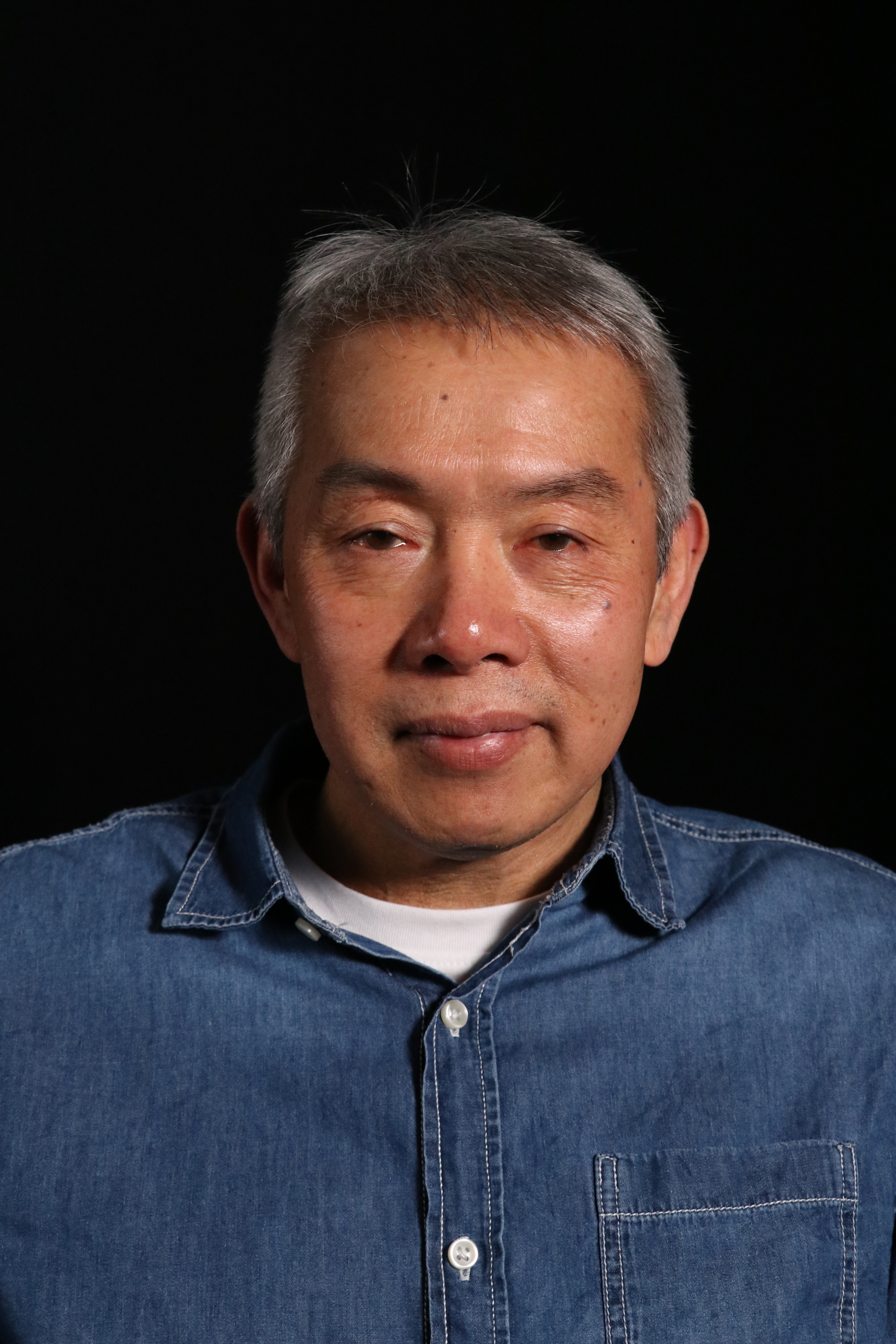
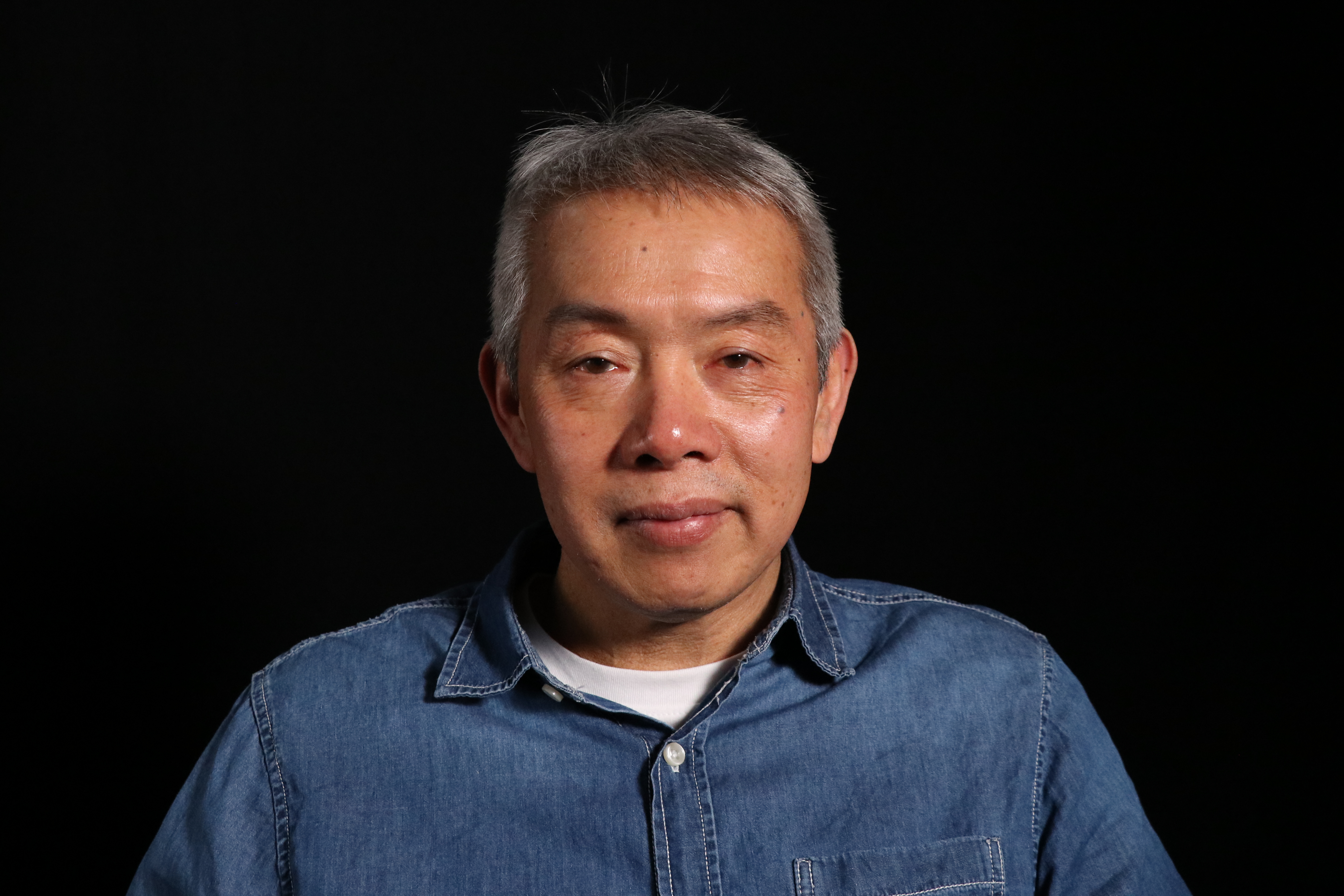
Do Xuan Cang was born in a poor worker family in Thai Binh in 1965 and raised there as well. His childhood was associated with reading through the years of poverty when the whole family had to eat barley and other fillers instead of rice. In 1985, he left his hometown, joined the youth volunteer force and was sent to Laos to work. Because of his desire to go to university, Do Xuan Cang then achieved above the standard score while completing his duty and taking the university entrance exam at the same time. In 1987-1988, because his unit was far away, he enrolled late in Thanh Xuan university, in the same class as Le Hai An, former Deputy Minister of Education. After that, he was sent to study in Odessa (Soviet Union, today Ukraine) in the Maritime General Department, where he witnessed the collapse of the Soviet Union. From there, Do Xuan Cang formed a deep political awareness of freedom and democracy and started his journey to find like-minded people interested in the country‘s politics to exchange via the internet. In 2004, he moved to the Czech Republic and officially joined the Tập Hợp Dân Chủ Đa Nguyên or Rally for Democracy and Pluralism (RDP). Do Xuan Cang became an active member and participated in organizing a conference in Prague in 2005 to promote the path of non-violent political change for Vietnam. Despite much pressure from the government, he holds onto his ideals of democracy and freedom. In 2019, he continued to participate in the Van Lang civil society organization, contributing to the advocacy of human rights and promoting a free, happy and humane Vietnam.
Hrdinové 20. století odcházejí. Nesmíme zapomenout. Dokumentujeme a vyprávíme jejich příběhy. Záleží vám na odkazu minulých generací, na občanských postojích, demokracii a vzdělávání? Pomozte nám!