"They went wherever they wanted. They told me to go on a date with one of them, he kept bothering me. I said, 'Me!? I'd have to take a kid at each hip. I can't! But that one, she's single, she can go on a date with you.' She blamed me for putting her on those Russians." - "How did you feel about them, those soldiers? Were they occupiers to you?" - "Definitely. They were occupiers and they did what they wanted, how they wanted. They made themselves at home. They had exercises there, just like at home." - "Maybe some of them were there with their families, don't you know?" - "They were with their families, but not in the barracks. They had families, of course. When the Russians came here, they took everything. There was a school there and they moved the kids out and set up shop. They had it there for a long time. And they got different rations than we did, they were much better off. Anyone who wanted to buy, they'd go in there. There was better meat, better everything." - "And only they could go there with their families? Was that a special shop for them?" - "I mean, they had a whole row of houses built there too. They built them when they came here."
"The communists annoyed us as much as they could. They were always coming to us repatedly: 'Come to us, come to us!' And I was stupid then, too. I consulted with Mrs. Šenkapoulová and she said, 'You can't get rid of them if you don't go with them, you can't get rid of them' and 'whose bread you eat, whose song you sing'. And so she says to me, 'But what's in it for you? Sign it for them and go with them.’ So we were both there [the witness and her friend Boženka]. And at that time there was a background check, and they asked Boženka if she believed in the Vatican. And she says, 'I believe in God.'" - "They wanted you to join the party, as if you..." - "Well, and then I didn't go to the meetings. I was annoyed when I saw that I didn't belong there. That's what I always wondered why I was going to that meeting. And one time I met with this [colleague] who was quite friendly with me, and they were in the middle of a checking session. And by the time the meeting was over, I knew I hadn´t gone through, I was expelled out of the party. That's when I was like, 'Oops, I have to thank her for getting me out of that.'" - "You were expelled out of the party?" - "Yeah, yeah." - "Were you glad?" - "Oh, very much, and so I got rid of it all."
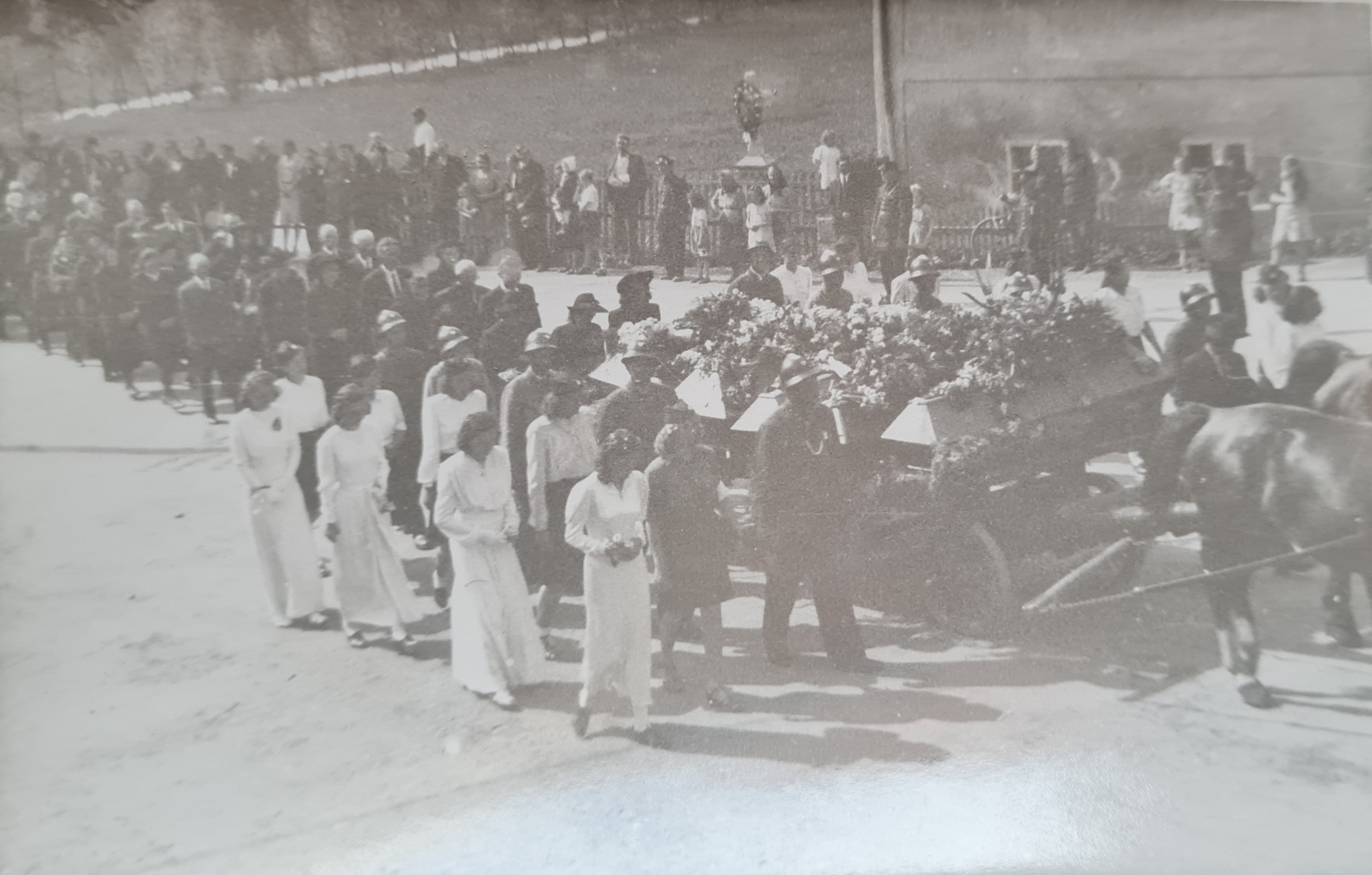
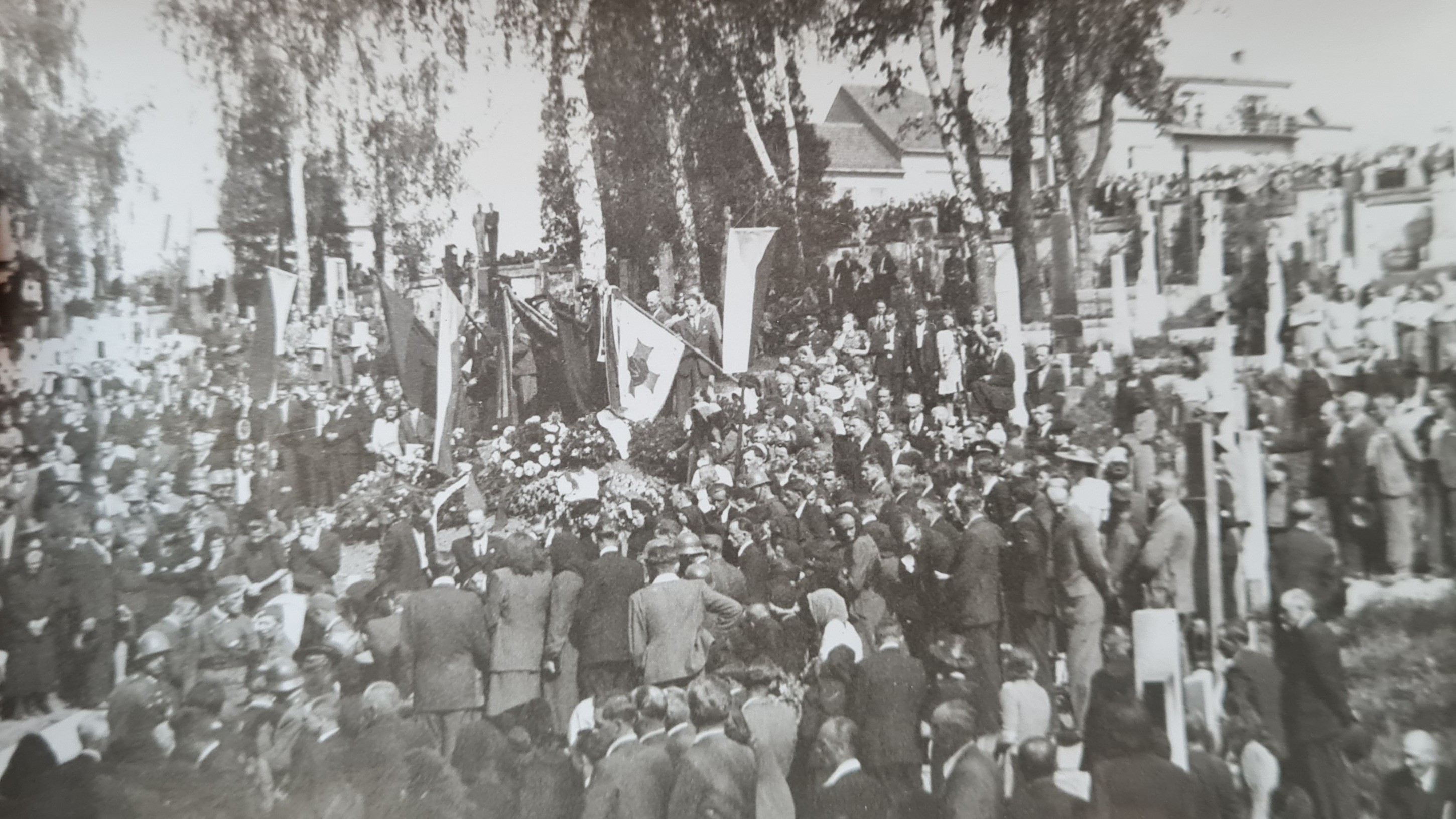
"He was in the resistance too, and said that he was not going to sit at home... He was hiding somewhere with Láďa Šenkapoul. And Láďa stayed there, and the fool went. He said that he had to see, that he had to fight, that he had to know what was going on. So he went out and they caught him. They took him to this little island near the old school, which is now closed. Well, that's where they were the ones that needed to get rid of them. There was also some boss of the company where he [František] had worked. He knew him, so he pointed him out. Then they separated them on the island, some were put further away and some had to come closer. The closer ones then stayed standing until they were taken away. So they took them away, and I was..." - "You watched it, were you there?" - "I wasn't there, but I saw them being led. Their little girl was dying upstairs and the lady was at home. She couldn't go anywhere, so she was home with the baby. I asked her to let me to see, if I could see what was going on outside, because we had windows on the other side." - "From the pub?" - "Yeah. So I watched them being led. I saw my husband go first and he was still looking at the house. Whether he saw me, he didn't, I don't know. But they led them... I can't... They led them there and..." - "In the yard there?" - "Well. They had to dig a hole and then they shot them right into the hole. That was terrible."
"And did you also go to help your parents in the fields?" - "Yes, we had to mow! I didn't want to. I said I wouldn't farm. I had it in me. I didn't want to farm or mow or anything else... And Daddy said, 'Look, the scythe mows easily, try it.' So I tried, tried, tried and I had to mov. Then, when I was grown up, I helped them mow the hay early in the morning and then I went to work in Jihlava."
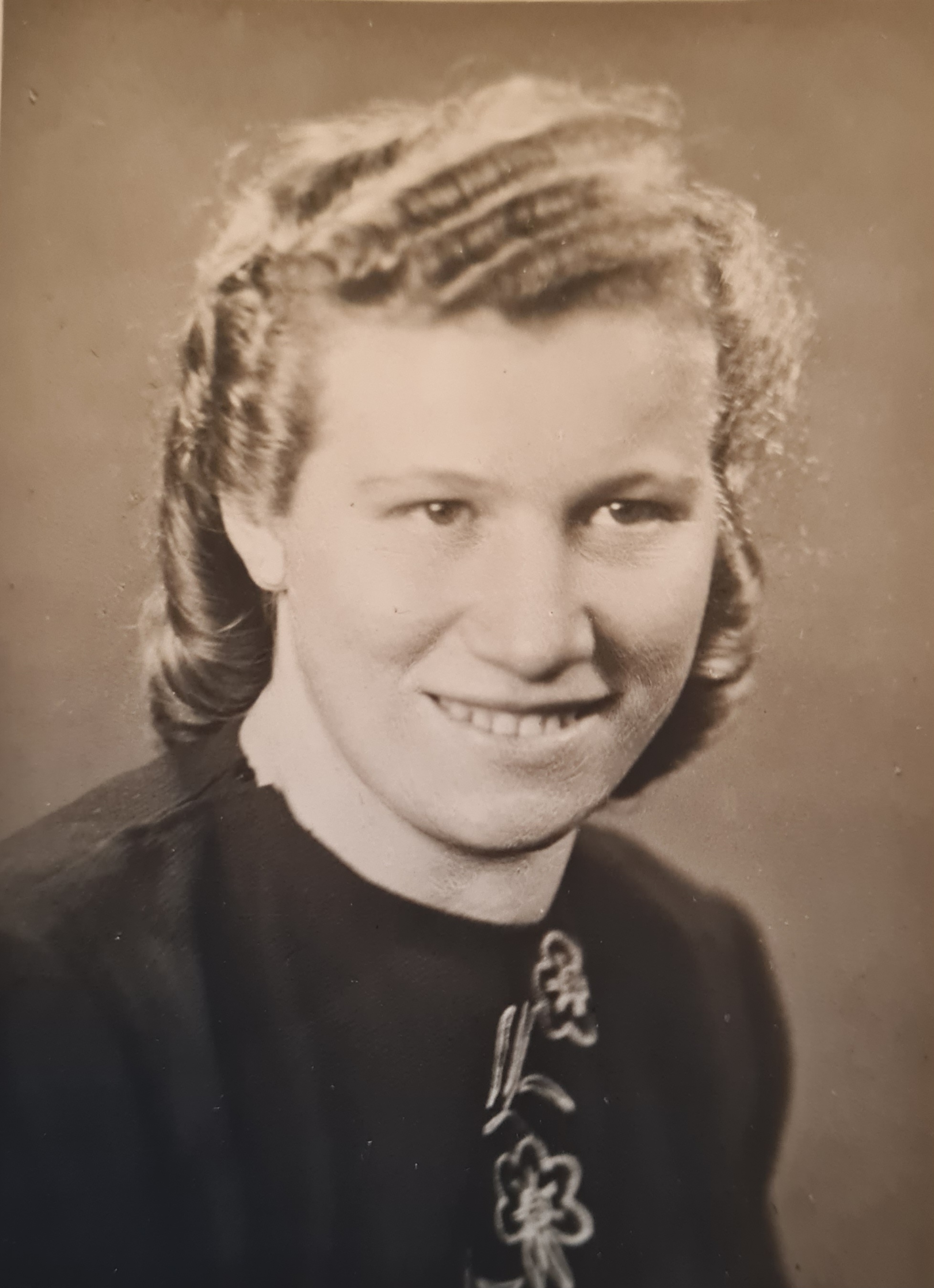
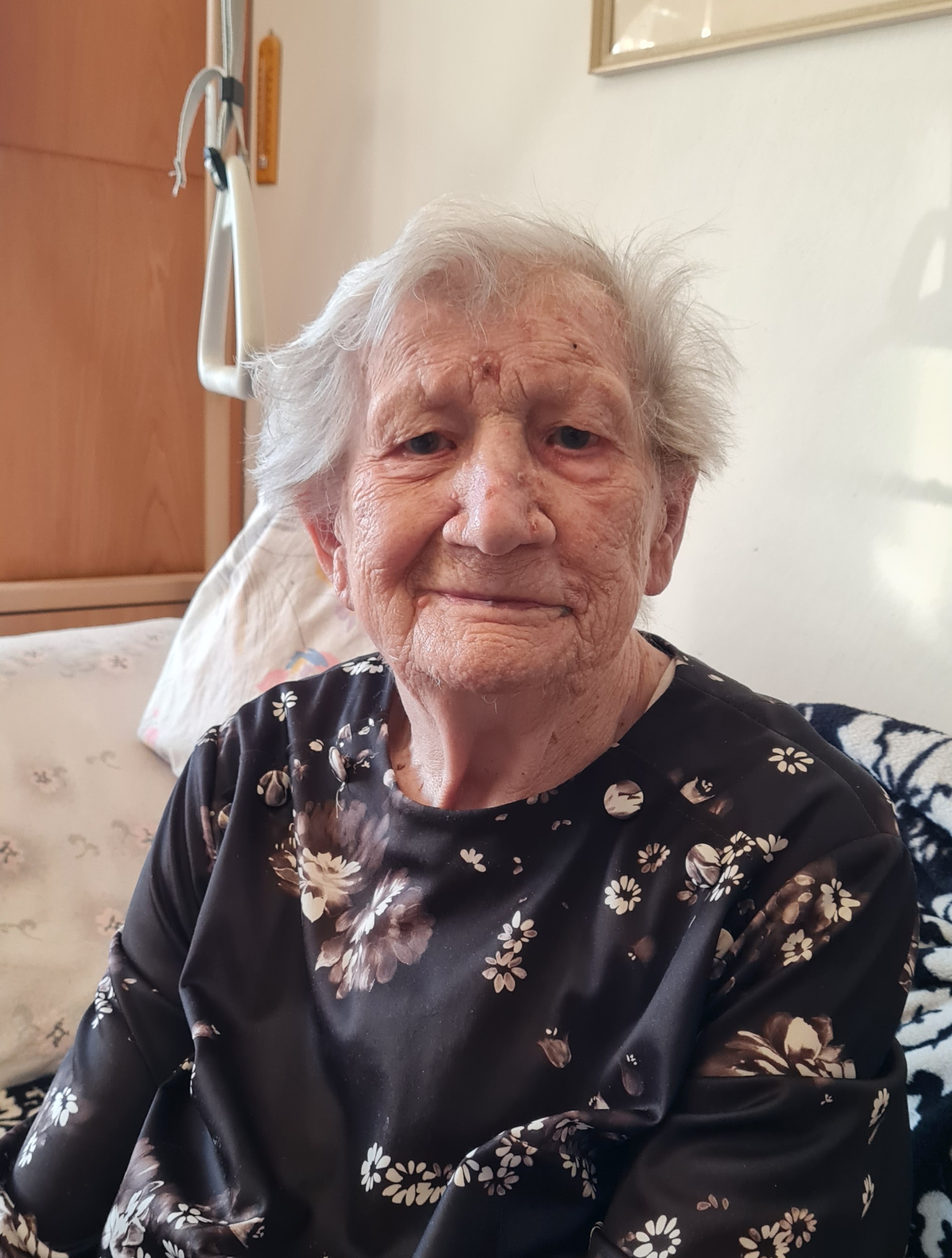
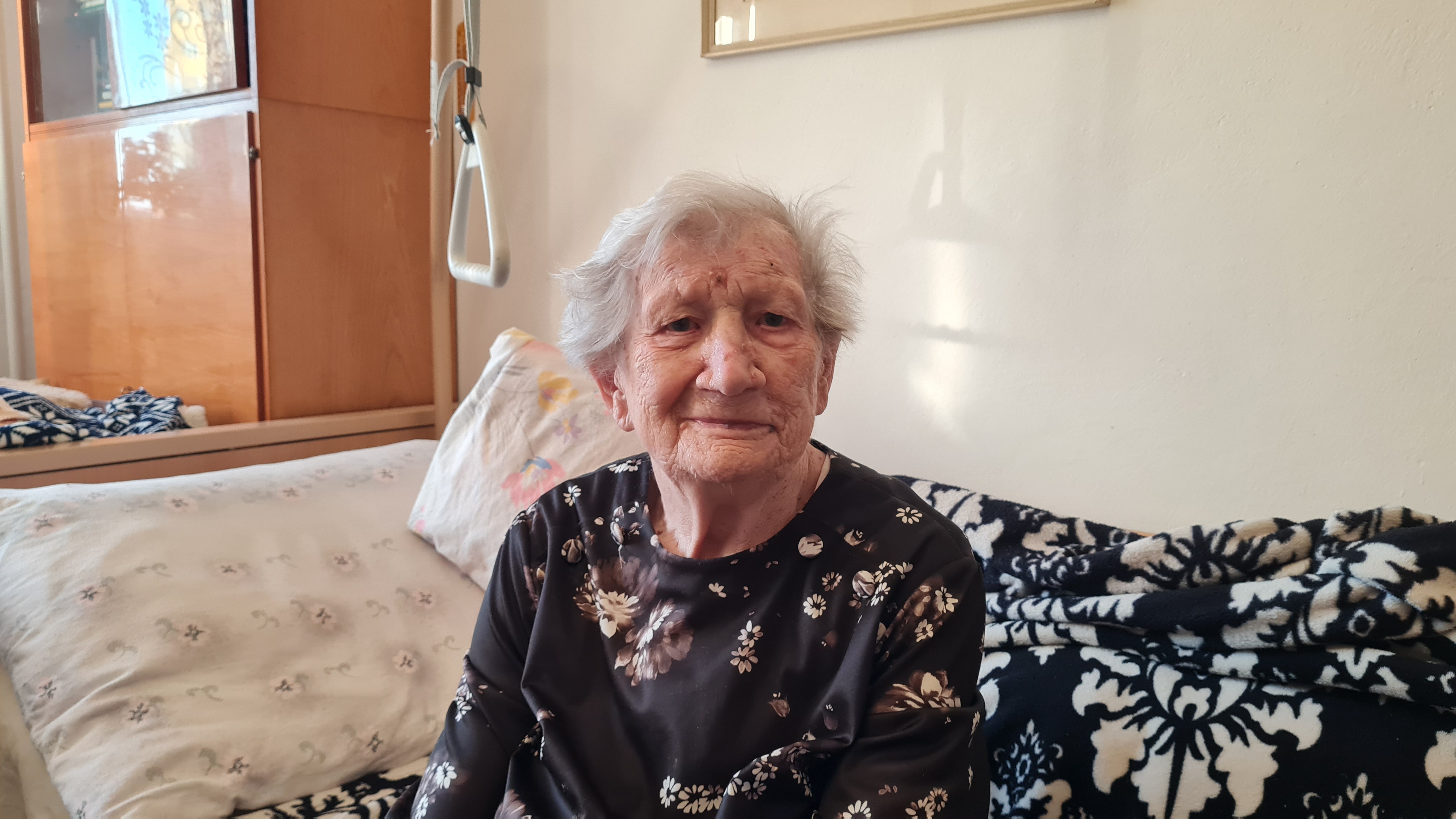
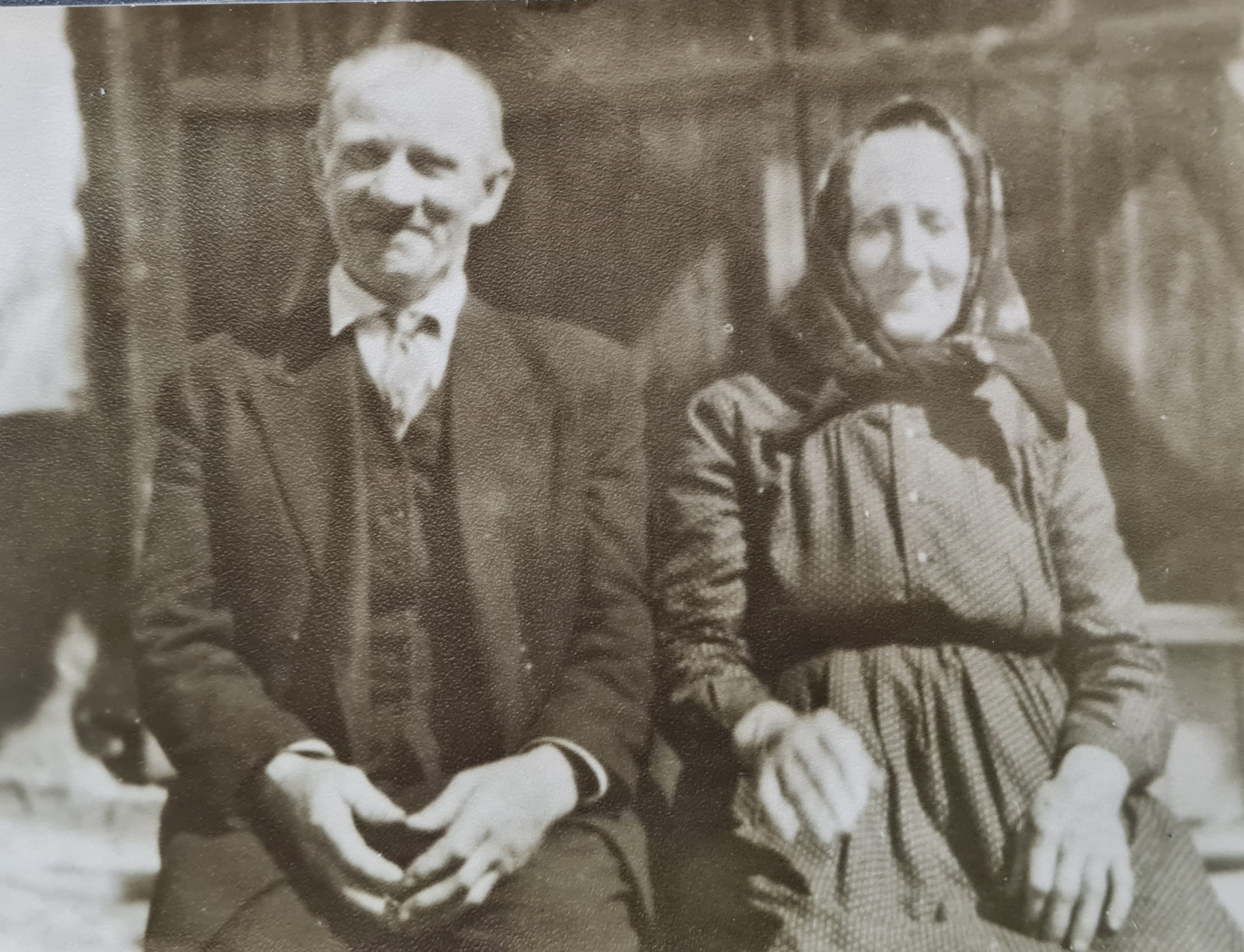
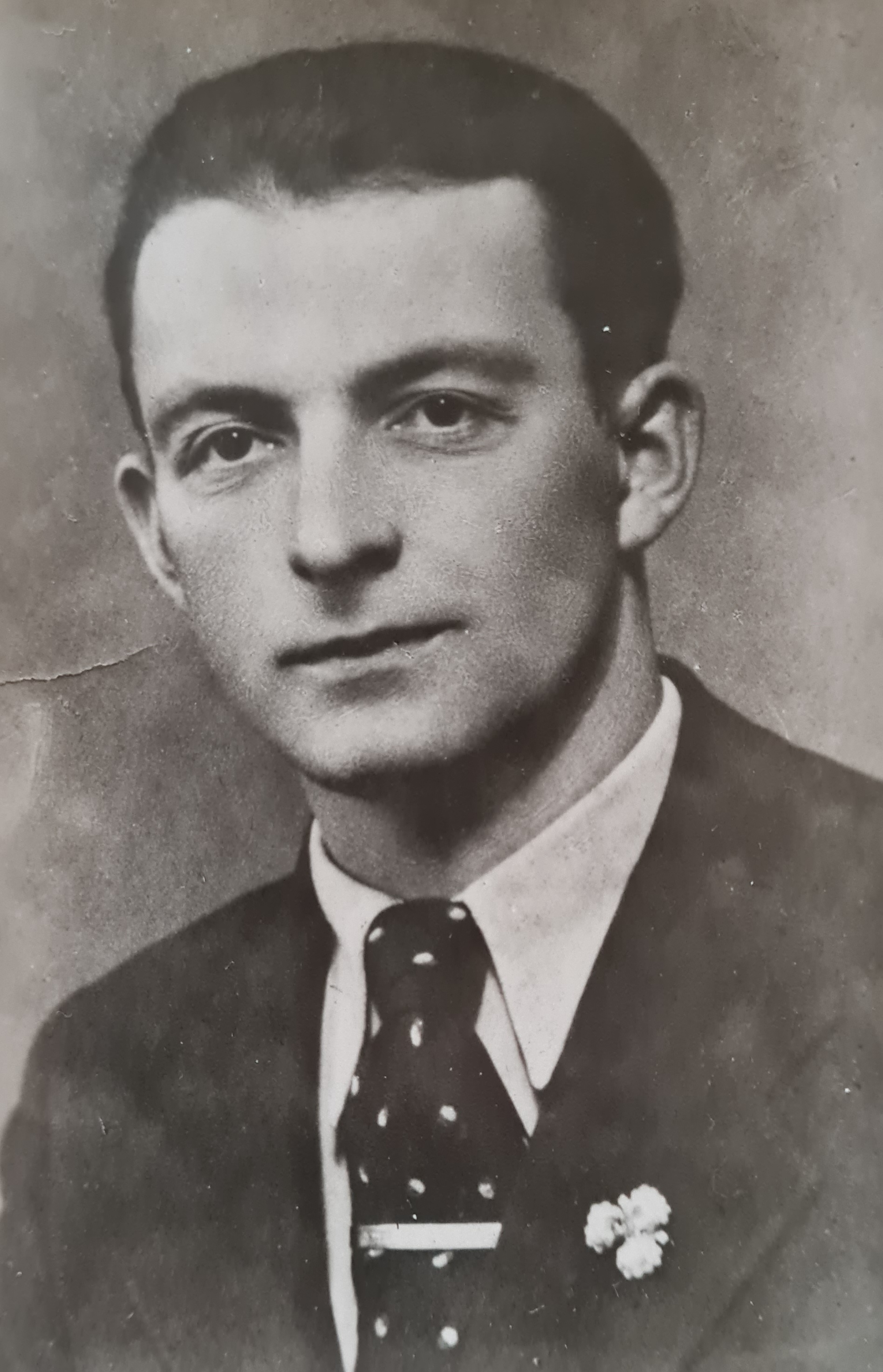
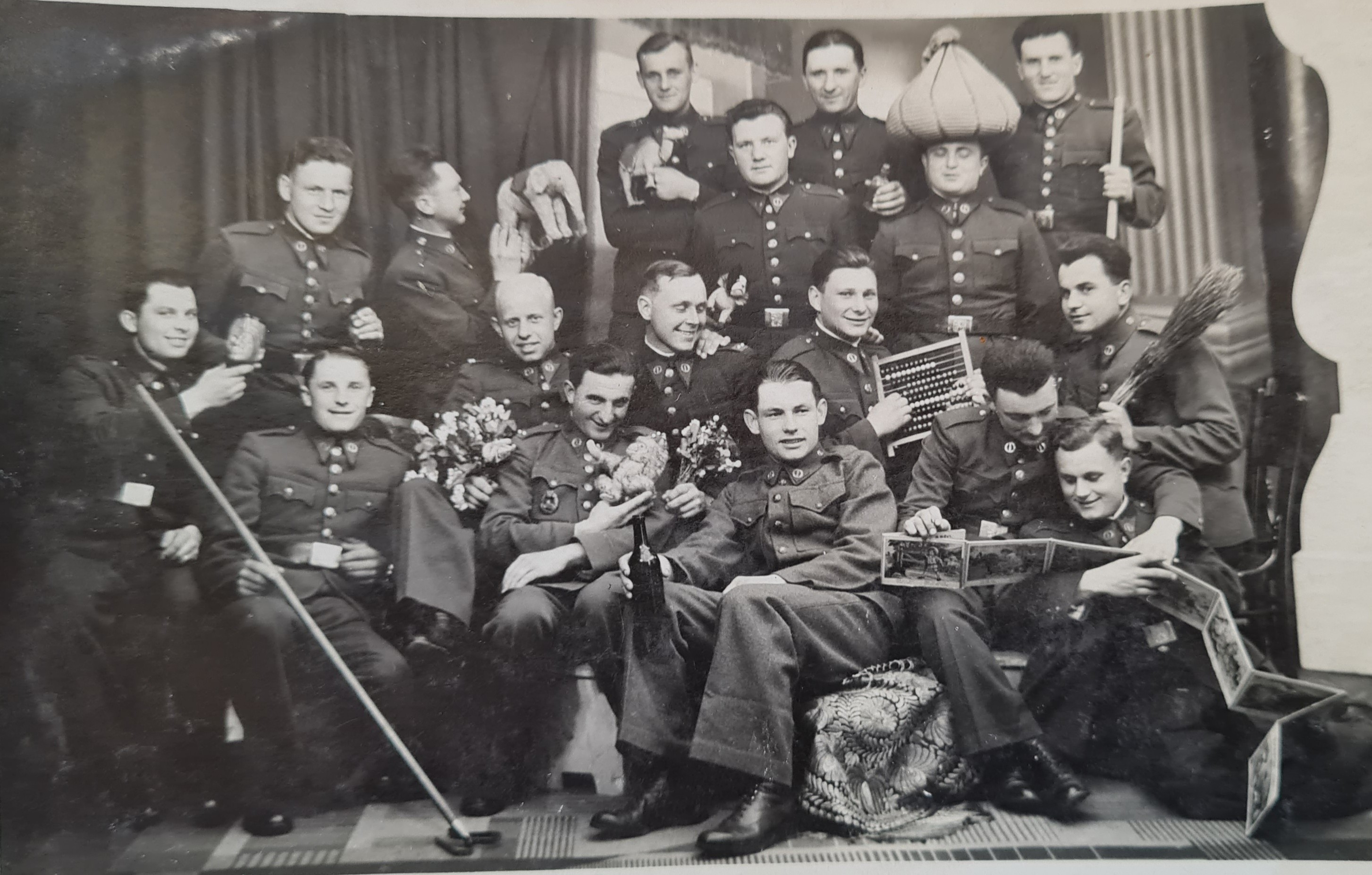
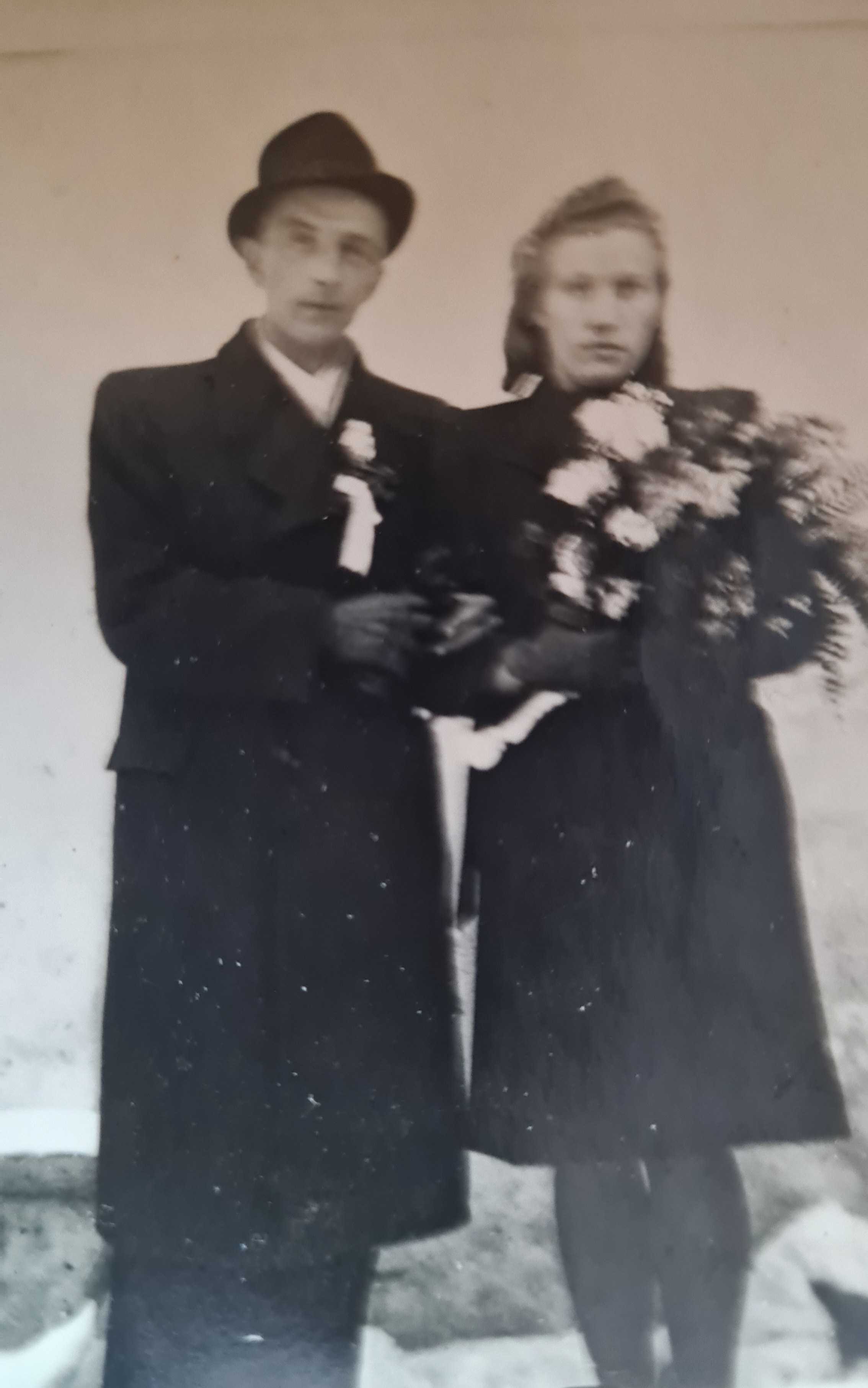
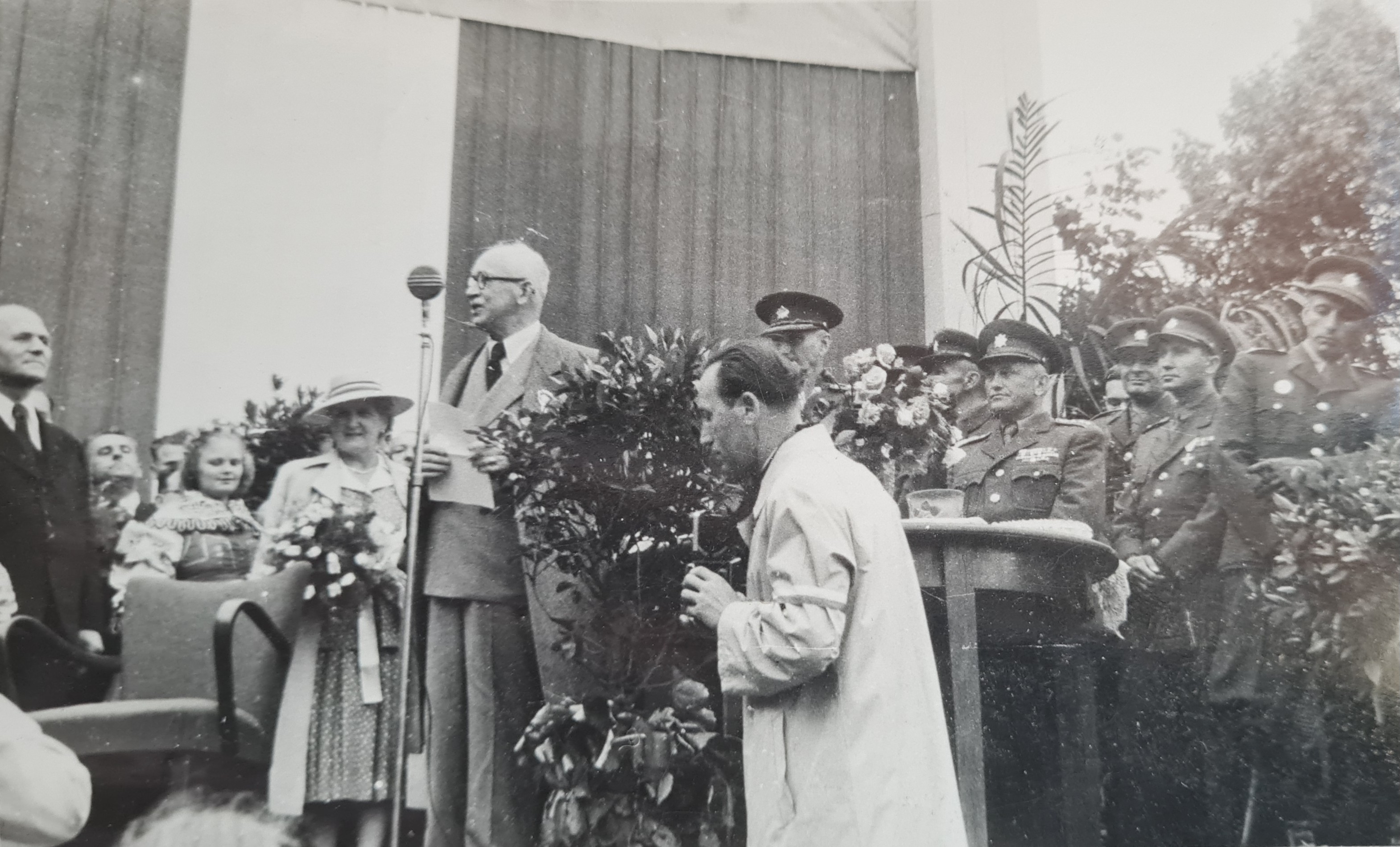
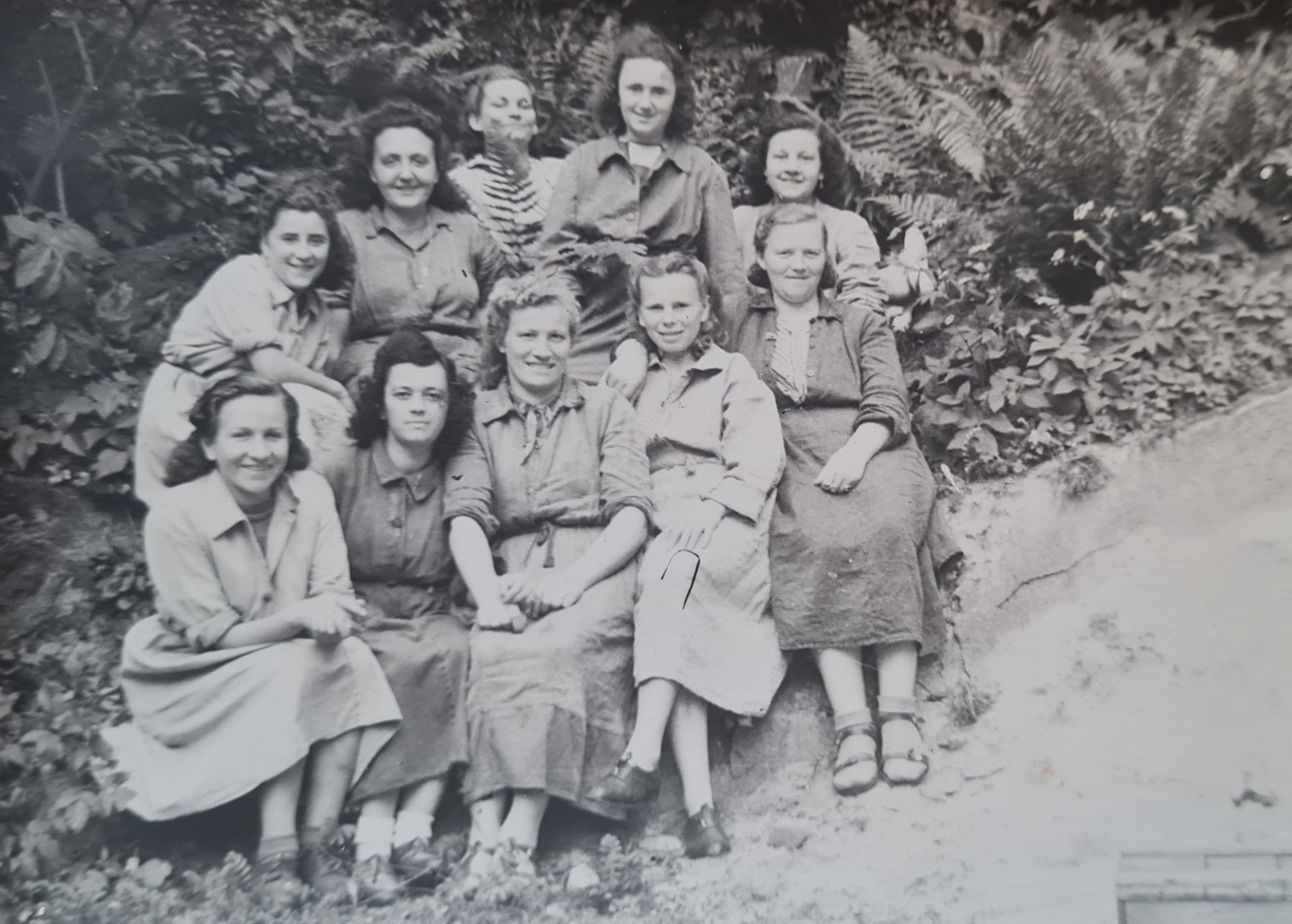
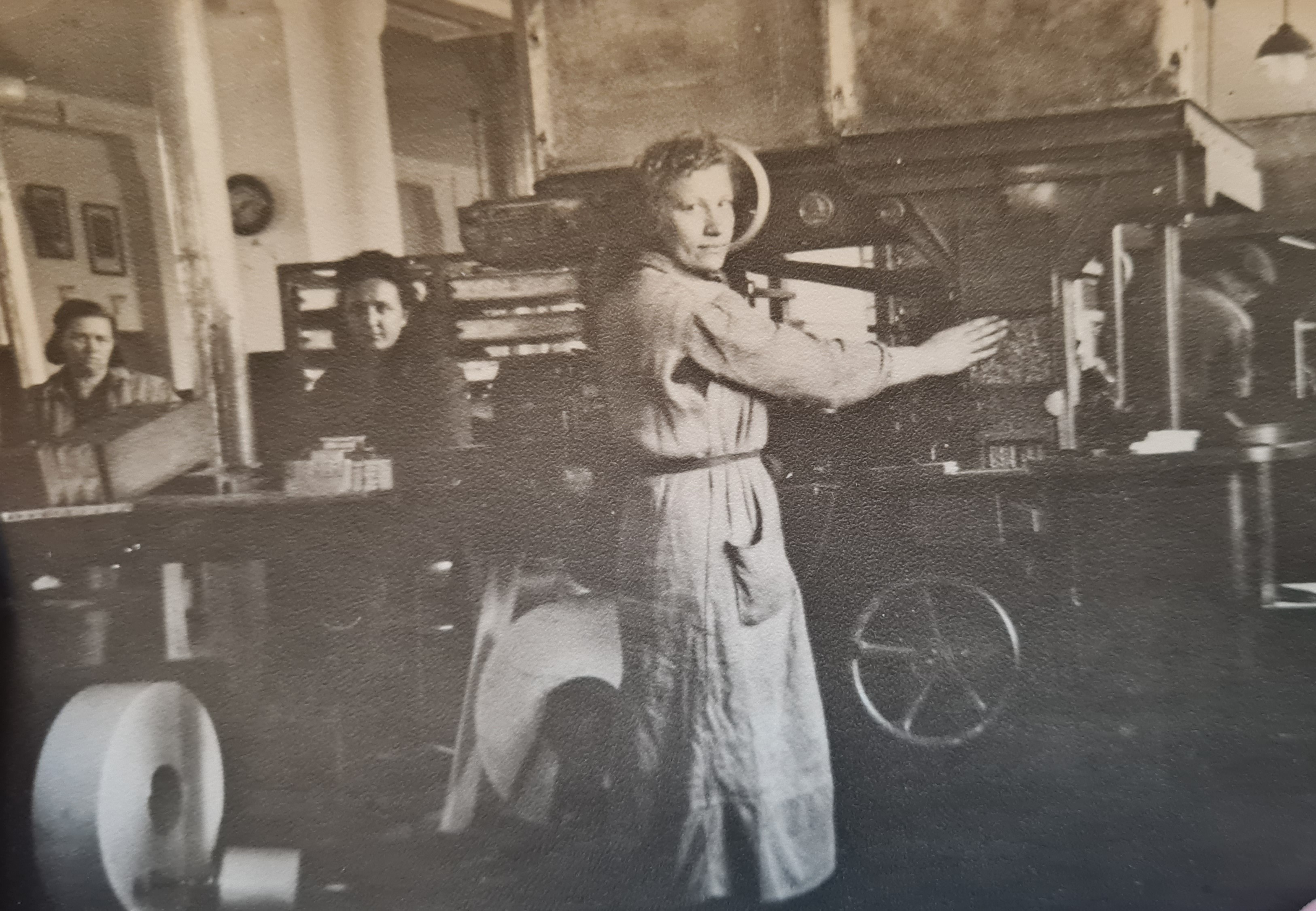
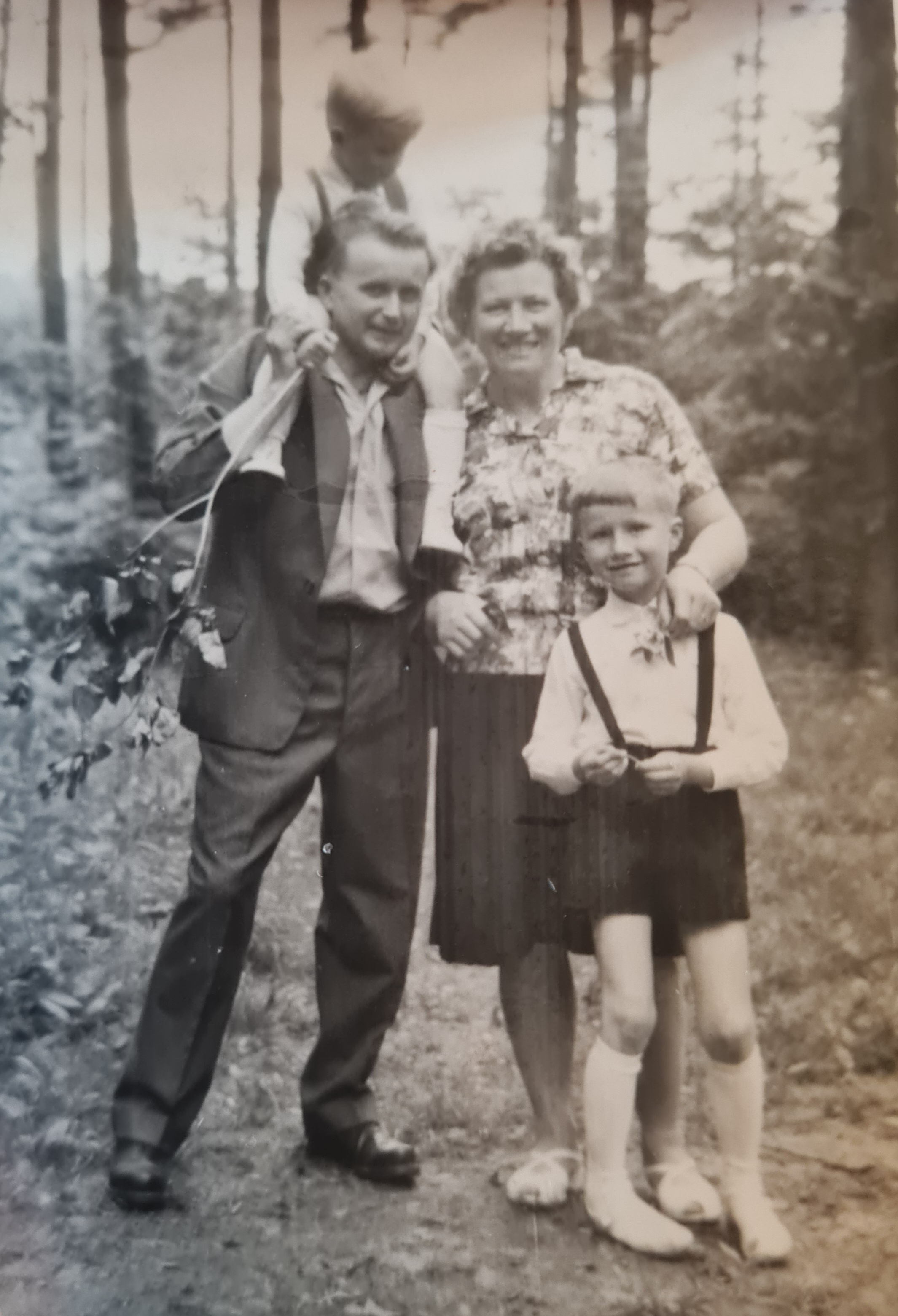
Bohumila Coufalová, née Píšová, was born on 10 March 1923 in the small village of Hrutov in the Vysočina region. She was the fourth of seven daughters and her parents, both practicing Catholics, were small farmers. As a child, she often helped on the family farm and in her spare time she exercised with her friends in the local branch of the Christian sports organization Orel. In her teenage years she left her native Hrutov, first she tried living in Brno, where she earned a living as a governess, and in 1940 she moved permanently to Třešt‘. There she met her first husband František Daňhel, with whom she lived in a sublet in the local pub U Šenkapoulů, where she was employed from 1944. However, the dramatic events of the end of World War II influenced her life significantly, as her husband František was shot dead in the local courthouse in May 1945 during the suppression of the anti-German uprising in Třešt‘. Bohumila Coufalová still has a vivid memory of him being led to his execution under the windows of the pub together with other suspects. After this tragedy, she moved to Jihlava. Here she was employed in a local tobacco factory (transformed into the Tesla Jihlava company in 1958), where she was not spared the communist agitation after February 1948. She briefly became a member of the local party cell, but was soon expelled for her non-attendance at meetings and disagreements. She subsequently met her second husband, Květoslav Coufal, in Jihlava. In the early 1960s, the couple moved with their two sons to Olomouc, closer to her husband‘s native Haná. Here, among other jobs, the witness was employed in the barracks for Soviet soldiers, who were stationed there after the events of 1968 until their deportation in 1991 and significantly influenced life in the town. Her account shows a clear antipathy towards them. She returned to Jihlava in her retirement years and in 2026, at the age of 103, she was living here in a shared household with one of her sons.
Hrdinové 20. století odcházejí. Nesmíme zapomenout. Dokumentujeme a vyprávíme jejich příběhy. Záleží vám na odkazu minulých generací, na občanských postojích, demokracii a vzdělávání? Pomozte nám!