Josef Chroust

* 1950

  • "So they left them standing, maybe it was freezing at minus 25 degrees. So they got on what they called the buzerplace. They stood there for two hours and they just had this light clothing with stripes. That kind of clothing. And grandpa Batelka said that suddenly somebody fell down and he was dead. That the body didn't bear it. Their bodies were weakend and had poor nutrition, and if they stood there for two hours, it didn't work. And my grandfather said that to survive, he'd jog on the spot. And then when he stood in the pulpit, he'd shuffle around there, too. My family told me to look at grandpa, how he was used to standing, that he was always shuffling around. And he said he got it from the concentration camp."

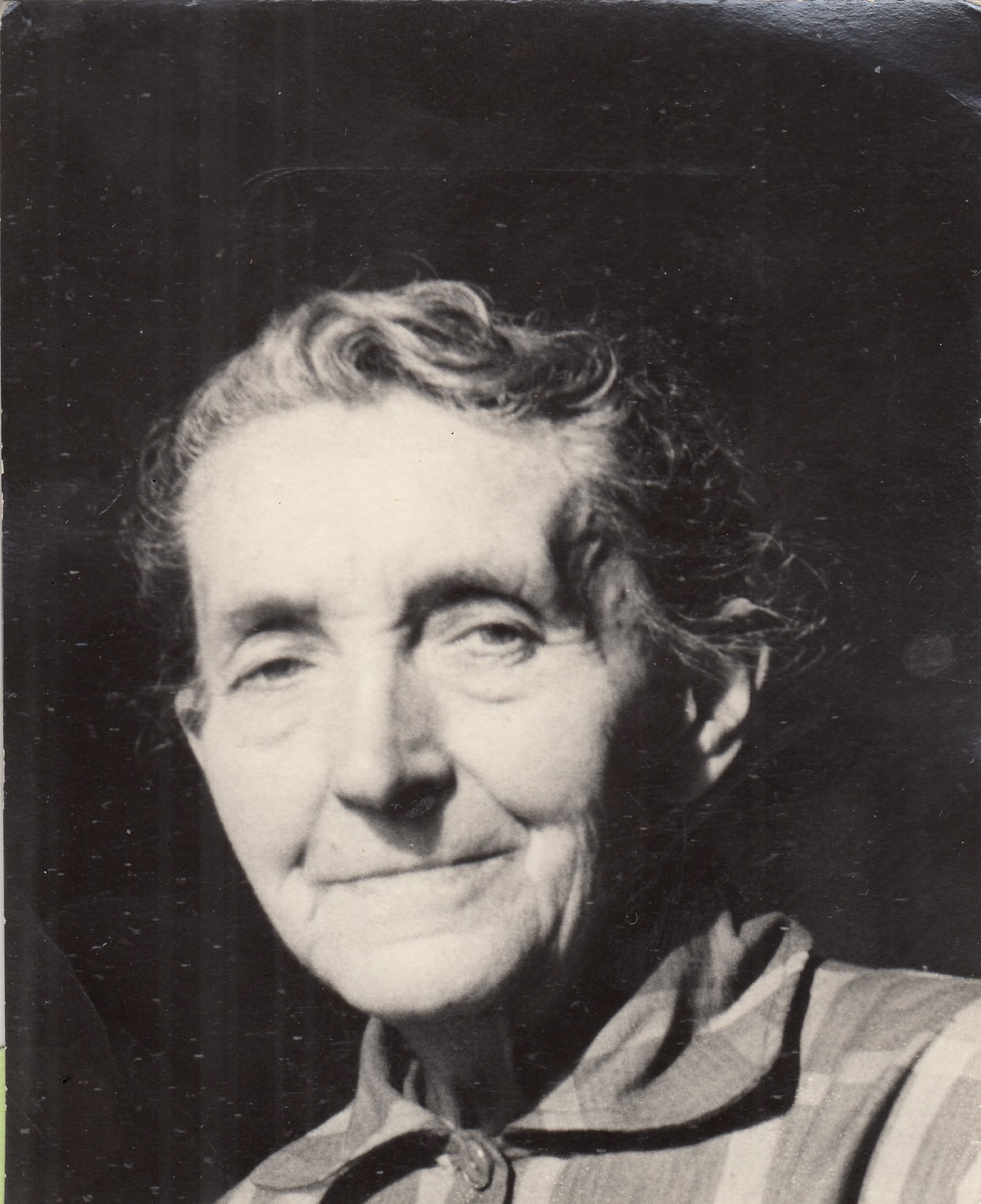
  • "My father-in-law Josef Batelka, he was a man who... Evangelical pastor. He went to study architecture, and when the universities were closed on November 17, 1939, he was among those students who were arrested and taken to Sachsenhausen! He survived, after 16 months they sent him home. They, the Germans - I asked my father-in-law or my grandfather about this, and he said, 'Josef, sometimes the Germans wanted to show that they were a little bit better than they were thought of.' And imagine, he was just under 187 centimetres tall, his weight was accordingly. And when he came home, he weighed forty-five kilos, his mother didn't even recognize him. So I told the director that he had survived the war and hadn't gone back to architecture. He was very gifted as a draftsman, and among other things, if you ever heard of the Old Testament, there are one hundred and fifty psalms - and he retold fifty psalms so they could be sung. If you buy an evangelical hymnal, there's Josef Batelka. So he was no fool, he graduated from the Faculty of Arts and the Faculty of Theology at the same time. He had two university degrees."

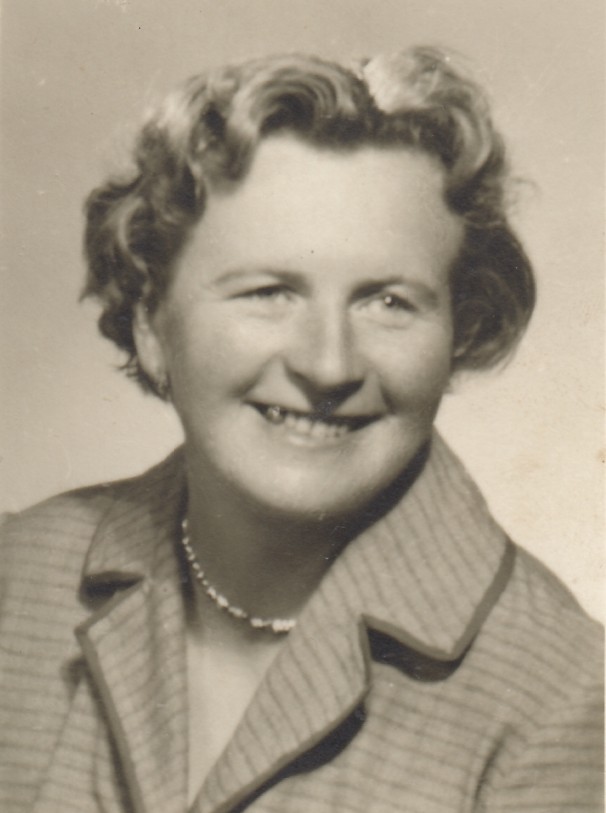
  • "This is how he handed me the letter that was written to me. I read it. And it said that Josef Chroust, an engineer, had joined Českomoravský len (Czech-Moravian Linen Company) on 2 January 1988, that he was a mechanic, head of the repair shop, that he didn't understand anything at all, that he didn't know how to deal with people, and that he had a strong folk mentality. Or that there was a strong popular feeling in the linen workshop and they were convinced that he would support the people in this. And then it was written that his wife is the daughter of a parish priest from Nové Město and his whole family is flawed by that. And they gave that to him and Peñáz let me read it and I told him that I hadn't kept anything from him about my background and my wife. And suddenly he started roaring like a bull, I can´t even show you how, and pounding his chest that nobody would interfere into his cadre politics. And he helped me out of it."

  • Celé nahrávky
  • 1

    Bobrová, 28.11.2024

    (audio)
    délka: 02:06:20
    nahrávka pořízena v rámci projektu The Stories of Our Neigbours
  • 2

    Jihlava, 02.07.2025

    (audio)
    délka: 02:08:04
    nahrávka pořízena v rámci projektu Příběhy regionu - Vysočina
Celé nahrávky jsou k dispozici pouze pro přihlášené uživatele.

They wanted to evict us. They interrogated my father and forced him to establish a cooperative farm
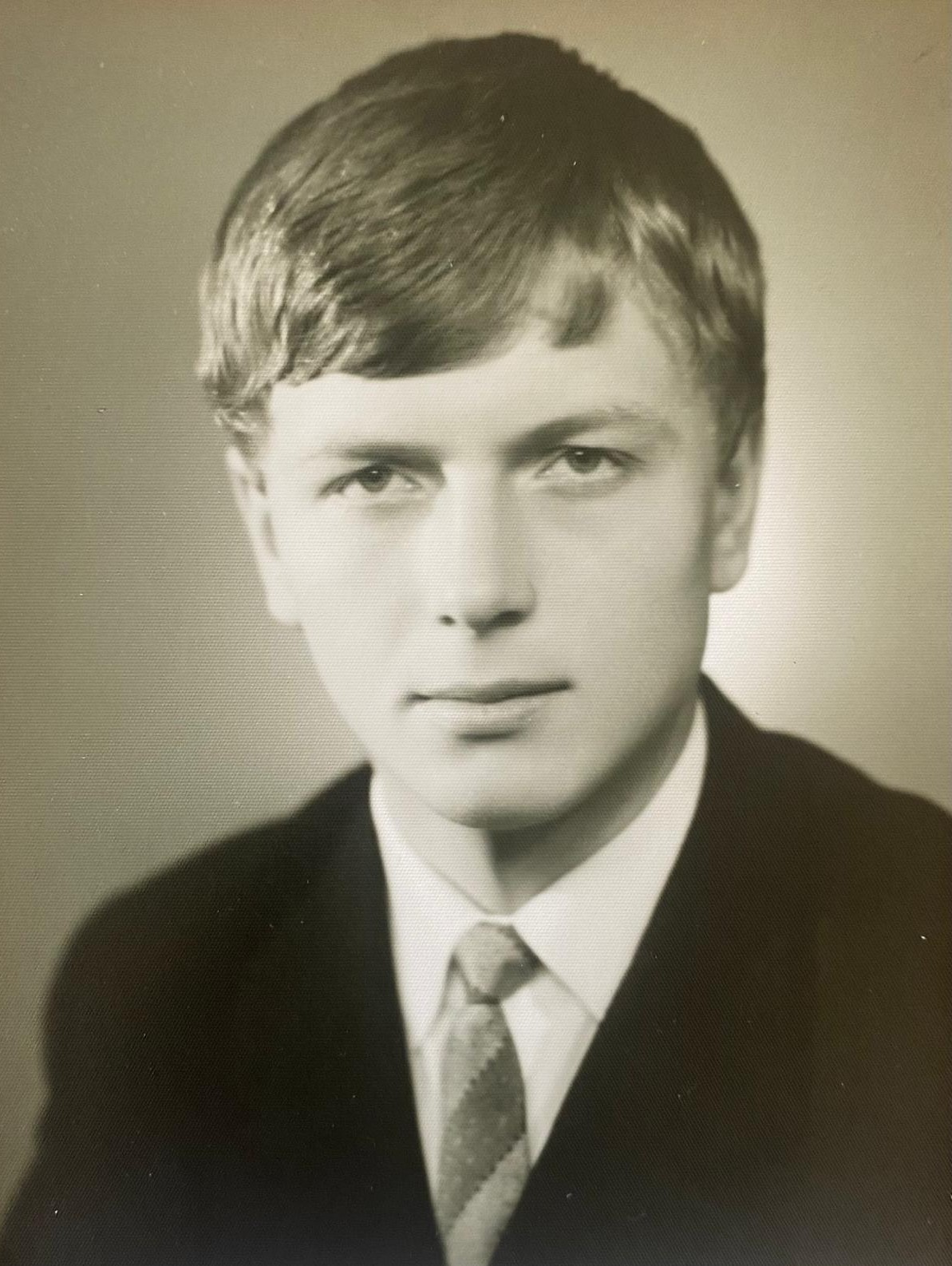
Witness in his youth
zdroj: Witness´s archive

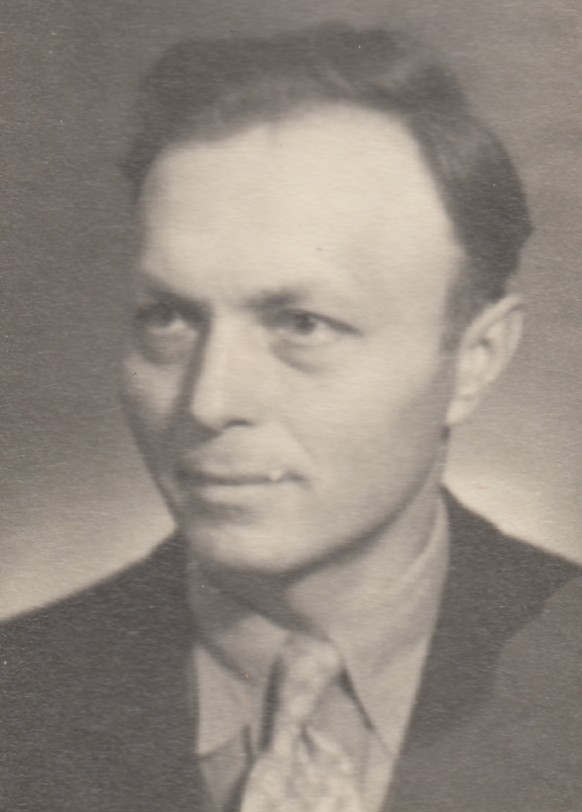
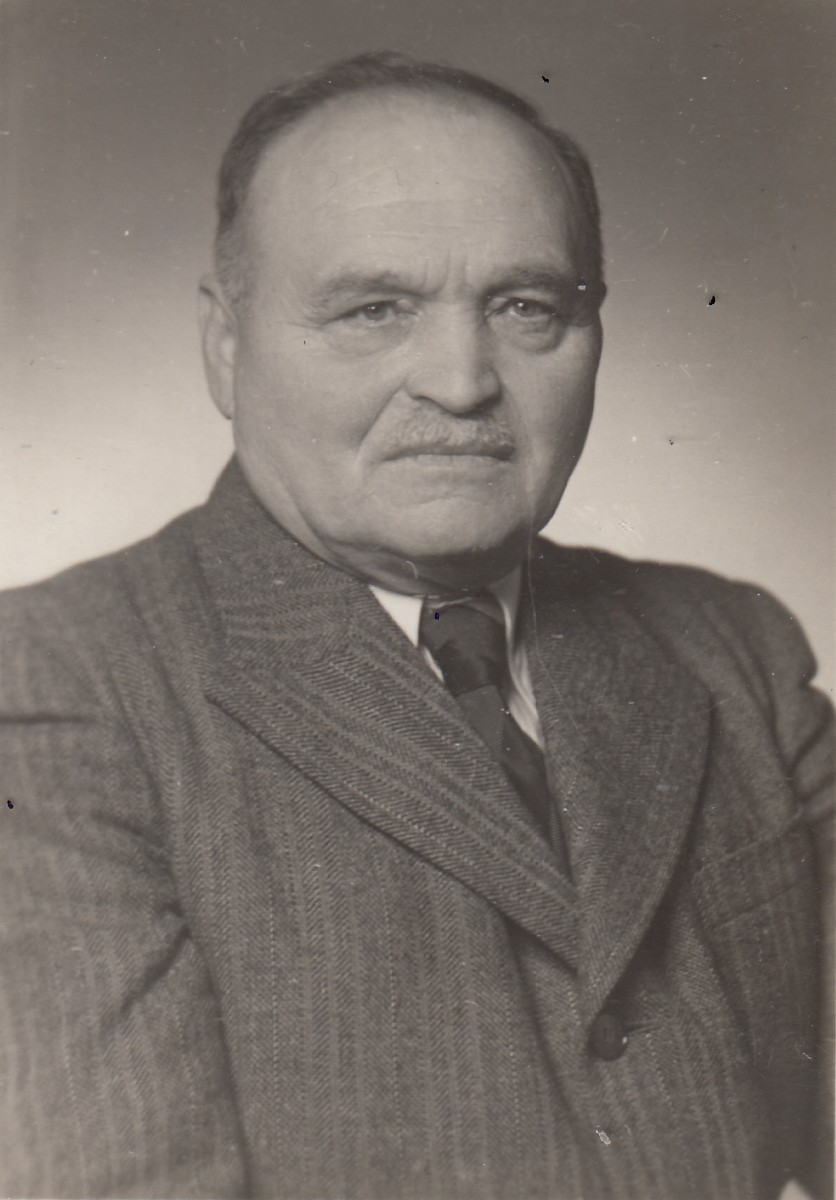
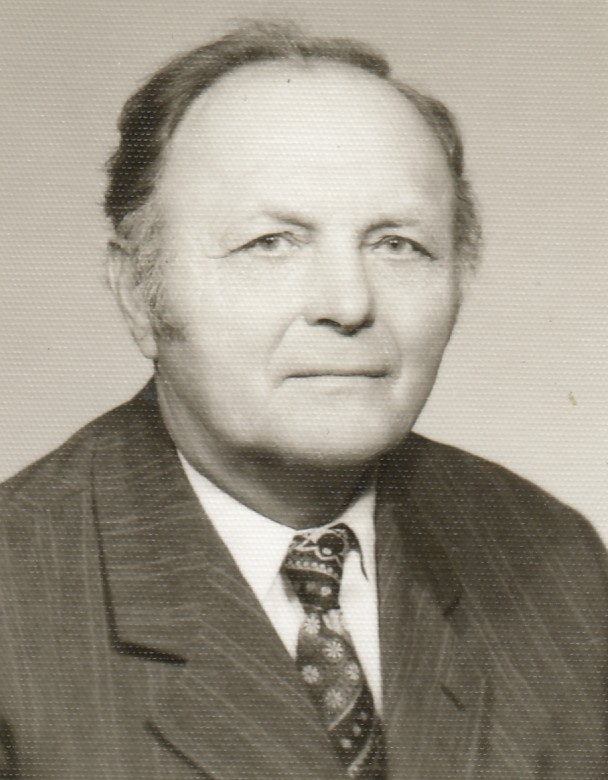
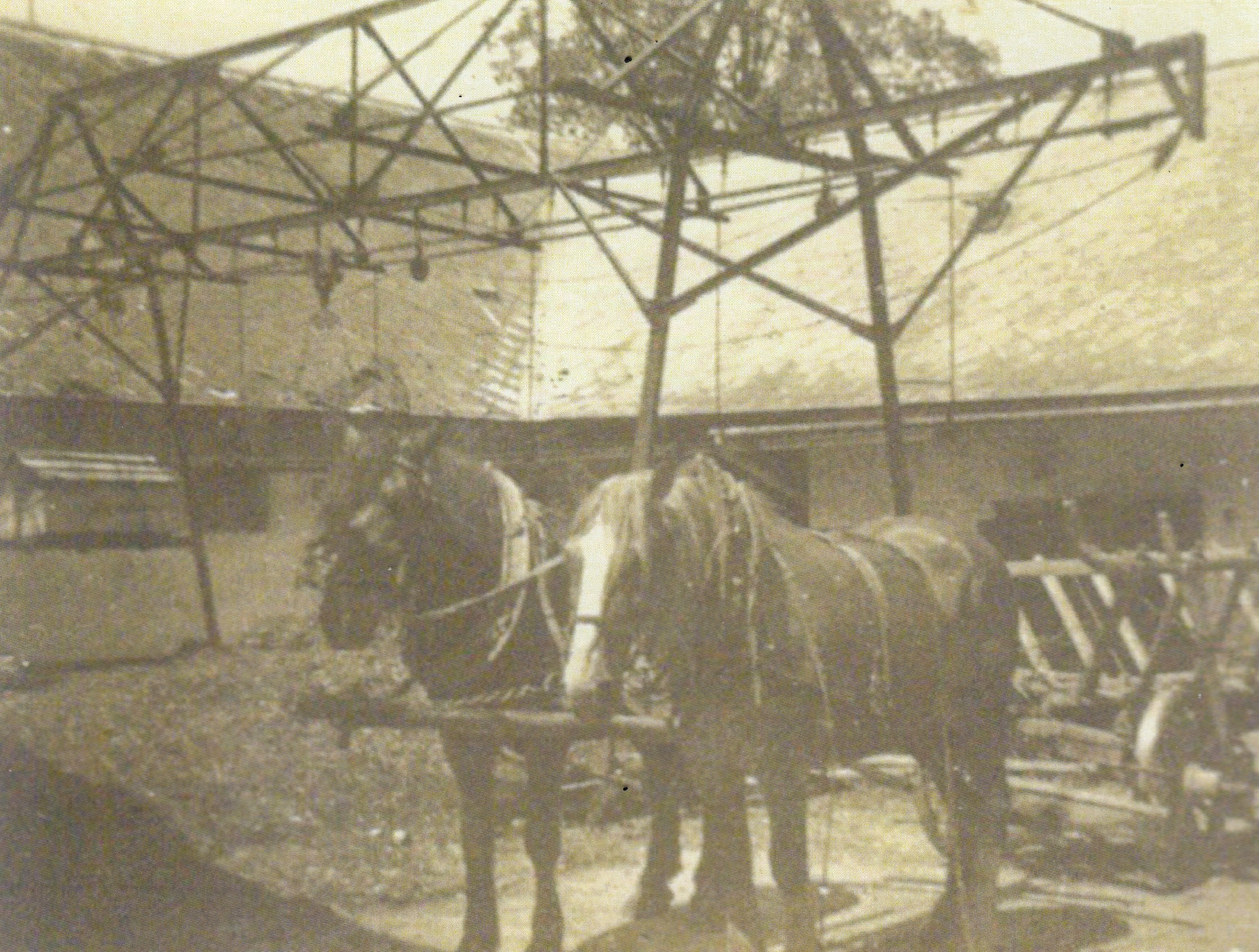
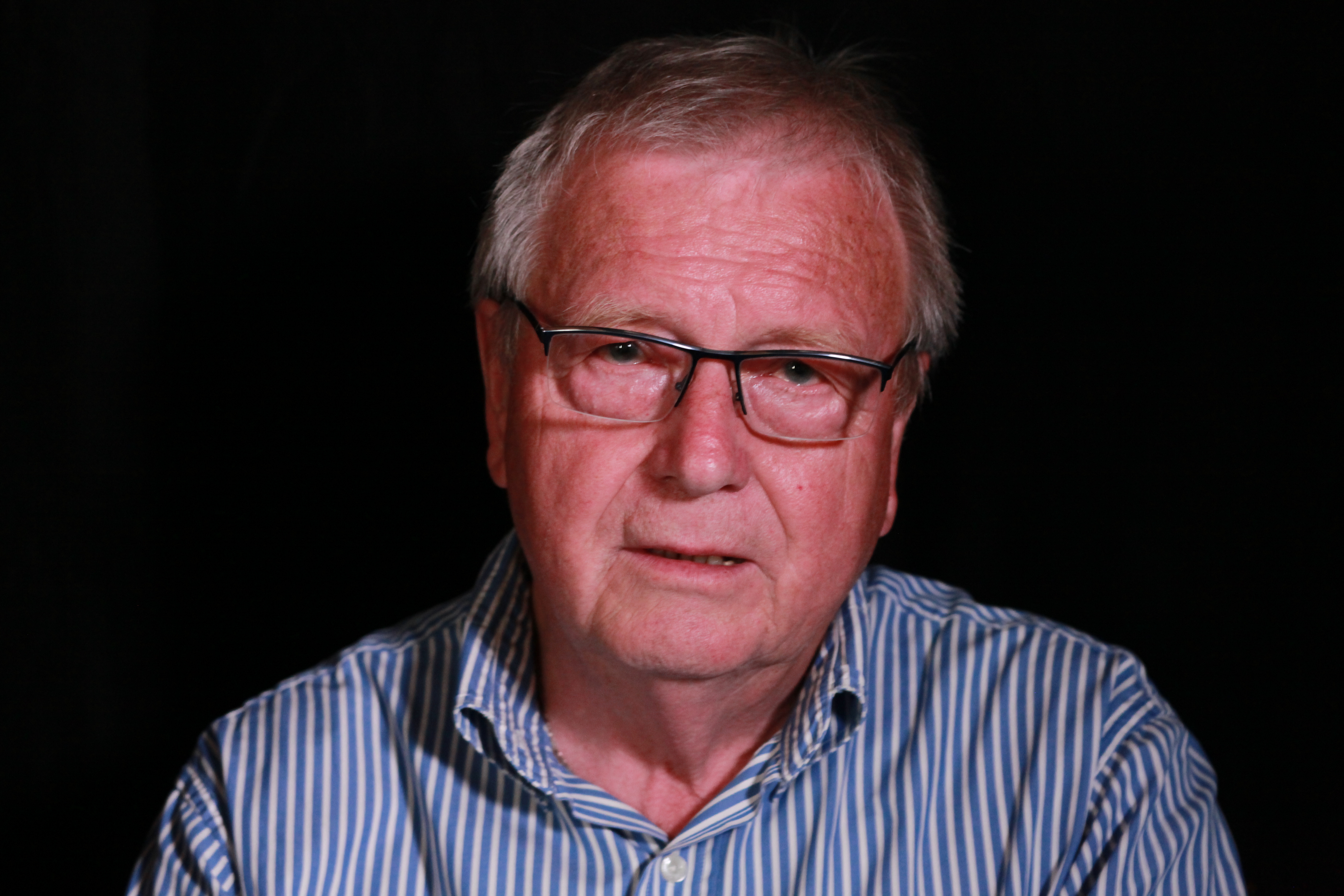
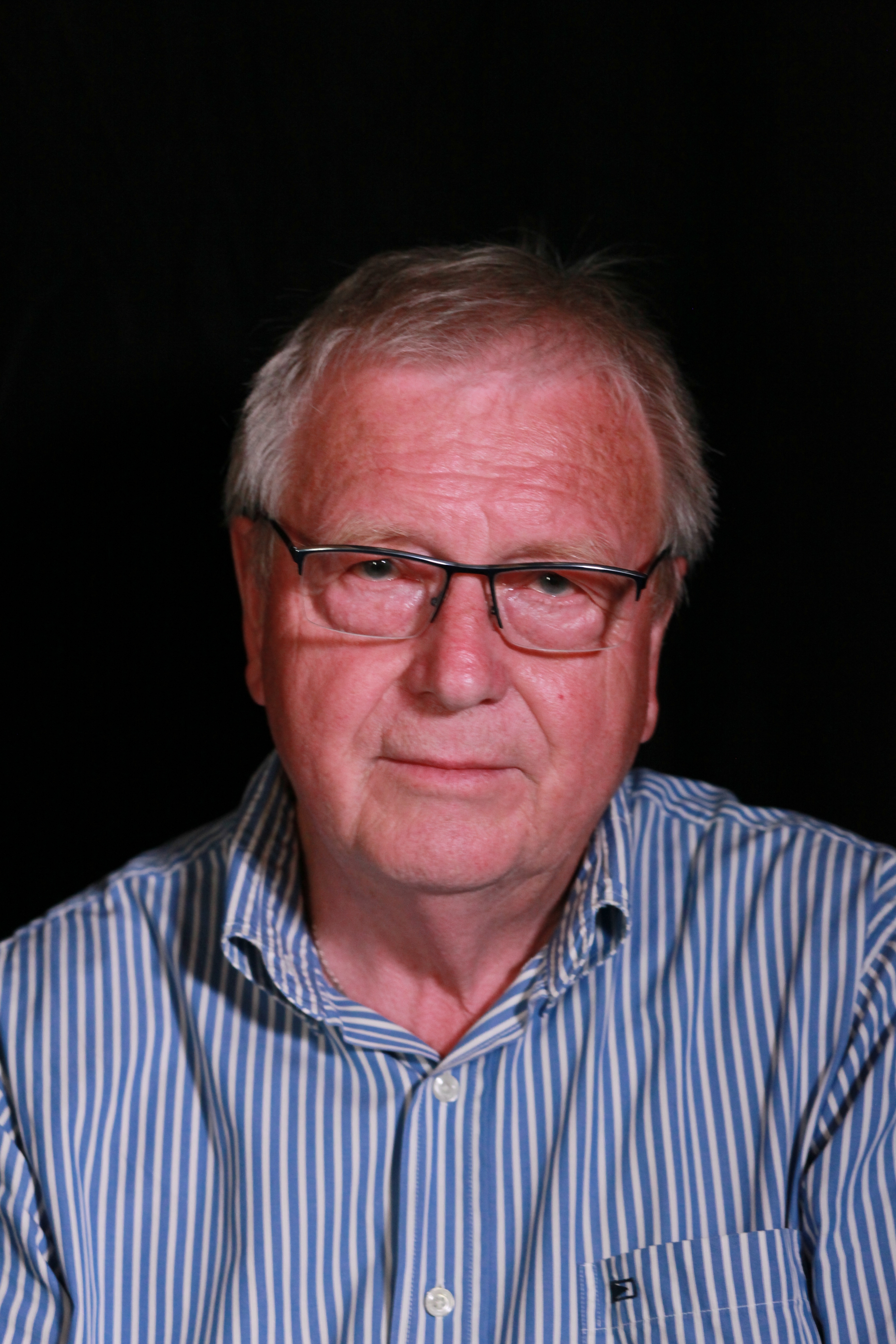
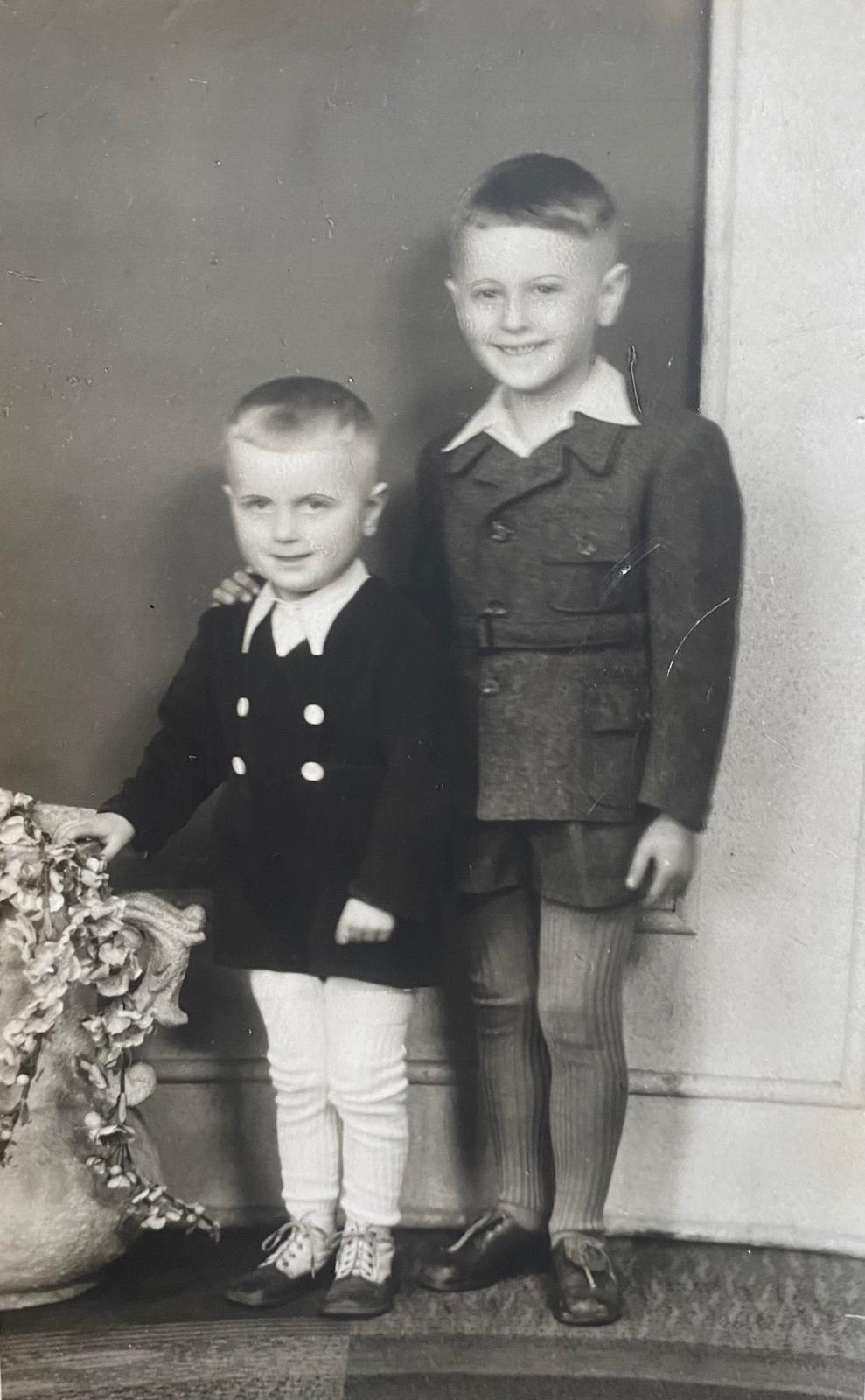
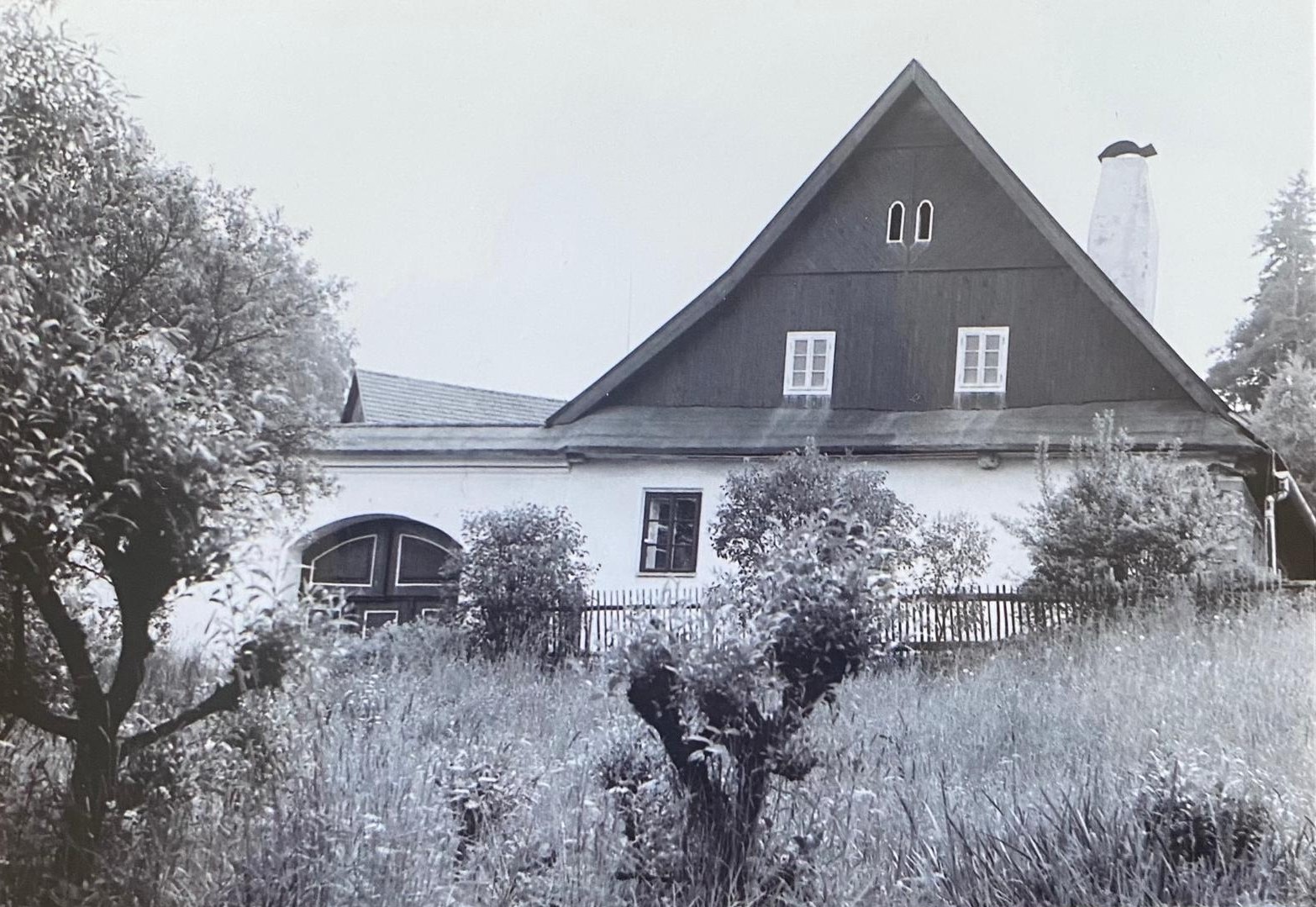
Josef Chroust was born on 24 June 1950 in Nové Město na Moravě into a family of landowners. His parents owned 45 hectares of fields, meadows and forests around Jimramovské Pavlovice. The communists confiscated part of the family‘s property and tried to evict them several times. Jan Chroust‘s father was interrogated several times in the 1950s. In 1957 he was forced to establish a cooperative farm (JZD), which ironically enjoyed great success and received the Red Standard for its achievements. Josef Chroust completed primary school in Jimramov and in 1965 he began studying in Ivančice in the field of agricultural mechanisation. He graduated in 1969 and continued his studies at the University of Agriculture in Brno. After themilitary service, which he completed in Louny, he returned to his native Vysočina and worked for years as a mechanic in various villages in the Žďár region. He married the daughter of an evangelical pastor Josef Batelka and they had three children. At the end of the 1980s, he began working in a inen workshop as an instructor, and thanks to this occupation, after the Velvet Revolution, he made several trips to South Carolina for work. After the fall of the regime, all of his family‘s property was returned to his family, and his brother began farming privately. Josef Chroust was living in Bobrová in 2024.