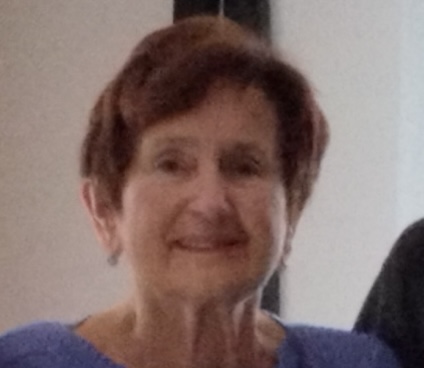
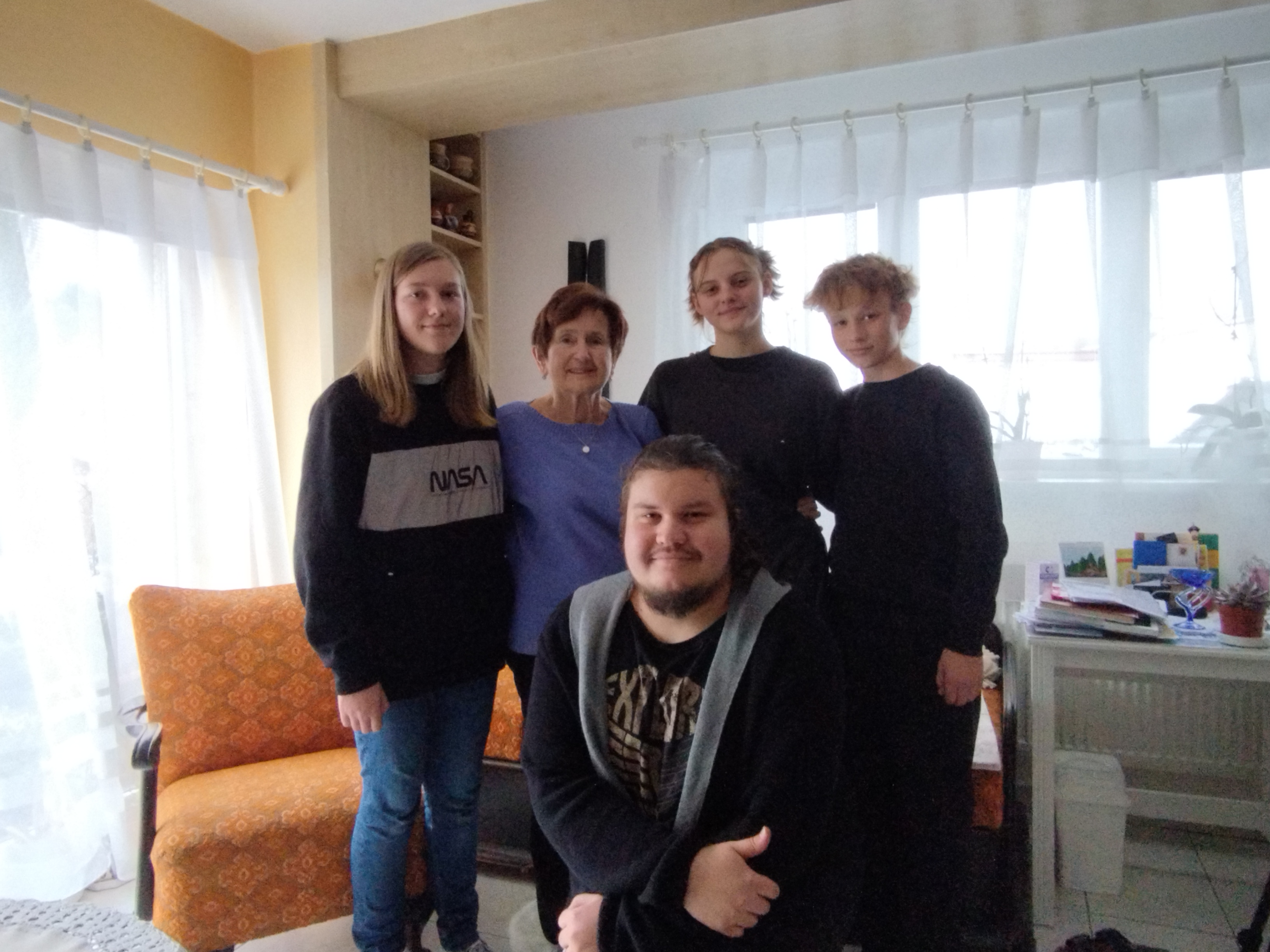
Alena Brádlová

* 1944

  • "Then they had a rally here at the cinema and we went away from the competition all excited and now we had to sing to them, we just had to. And of course we sang this program that we won with. And we ended with 'Sadly the stars shine on my little country' and the Russian soldiers clapped because it was a famous Russian song. They didn't understand the words, but our comrades... it was bad. That's what I remember at that time, how they shouted how I could teach at all, and actually thanks to the principal, who was a party man - and a respected party man, Rudolf Horáček, who then said that I was a young teacher who was misguided and didn't understand this help, I could continue to teach."

  • "My dad was a year old when he died in a road accident, so after that my mom tried to keep the factory going with her partner. I was a year old when I lost my dad. And they didn't stay there for long, in 1948 all the factories and the private people who worked privately, for example in agriculture, were nationalised. Klement Gottwald became president and the communist era began."

  • "I was always surprised when the sirens went off, and I was not yet a year old, a few months old, so [my mother] had a bottle of milk ready, wrapped in a warm blanket. She threw me into a pram and ran with me along the Kozákovská road, where people were already hiding under the bank, if the planes that flew over Semily, they mostly flew over the factories, and that's why they always ran into the countryside to hide."

  • Celé nahrávky
  • 1

    Semily, 22.11.2024

    (audio)
    délka: 01:13:05
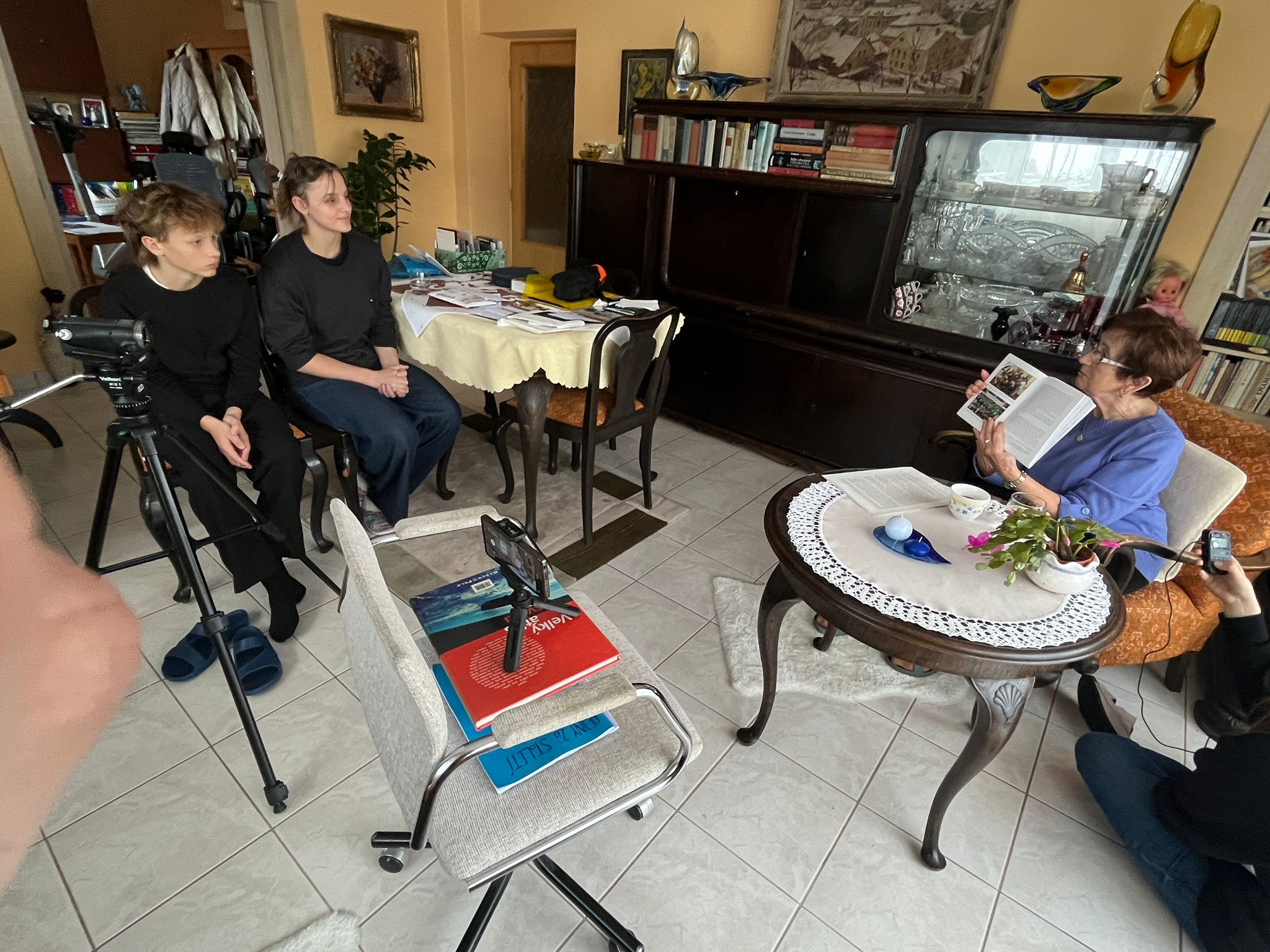
    nahrávka pořízena v rámci projektu The Stories of Our Neigbours
Celé nahrávky jsou k dispozici pouze pro přihlášené uživatele.

The laughing and crying at the same time, it charges me up
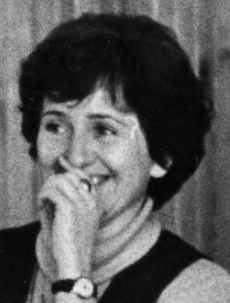
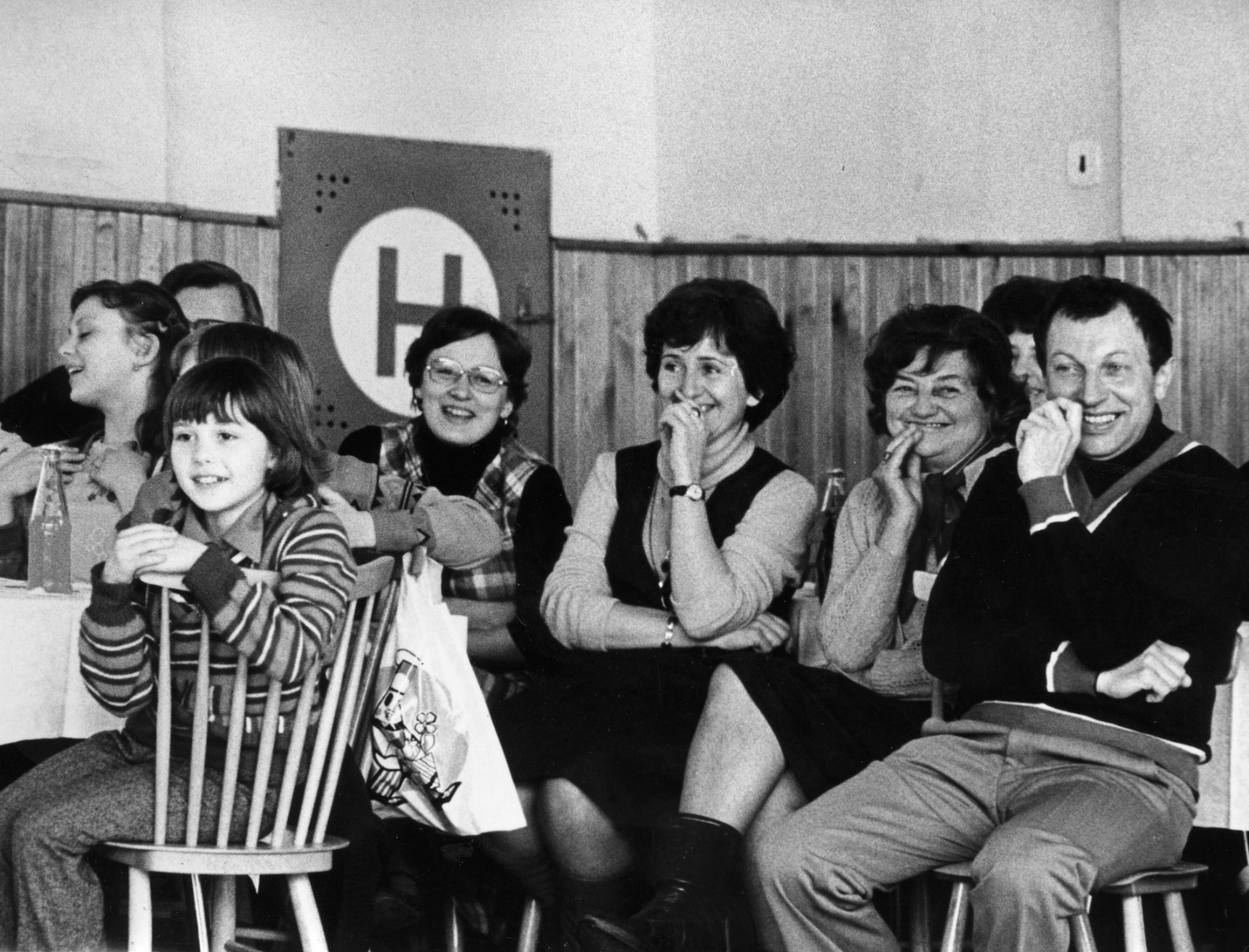
Alena Brádlová in her youth
zdroj: Archive of the witness

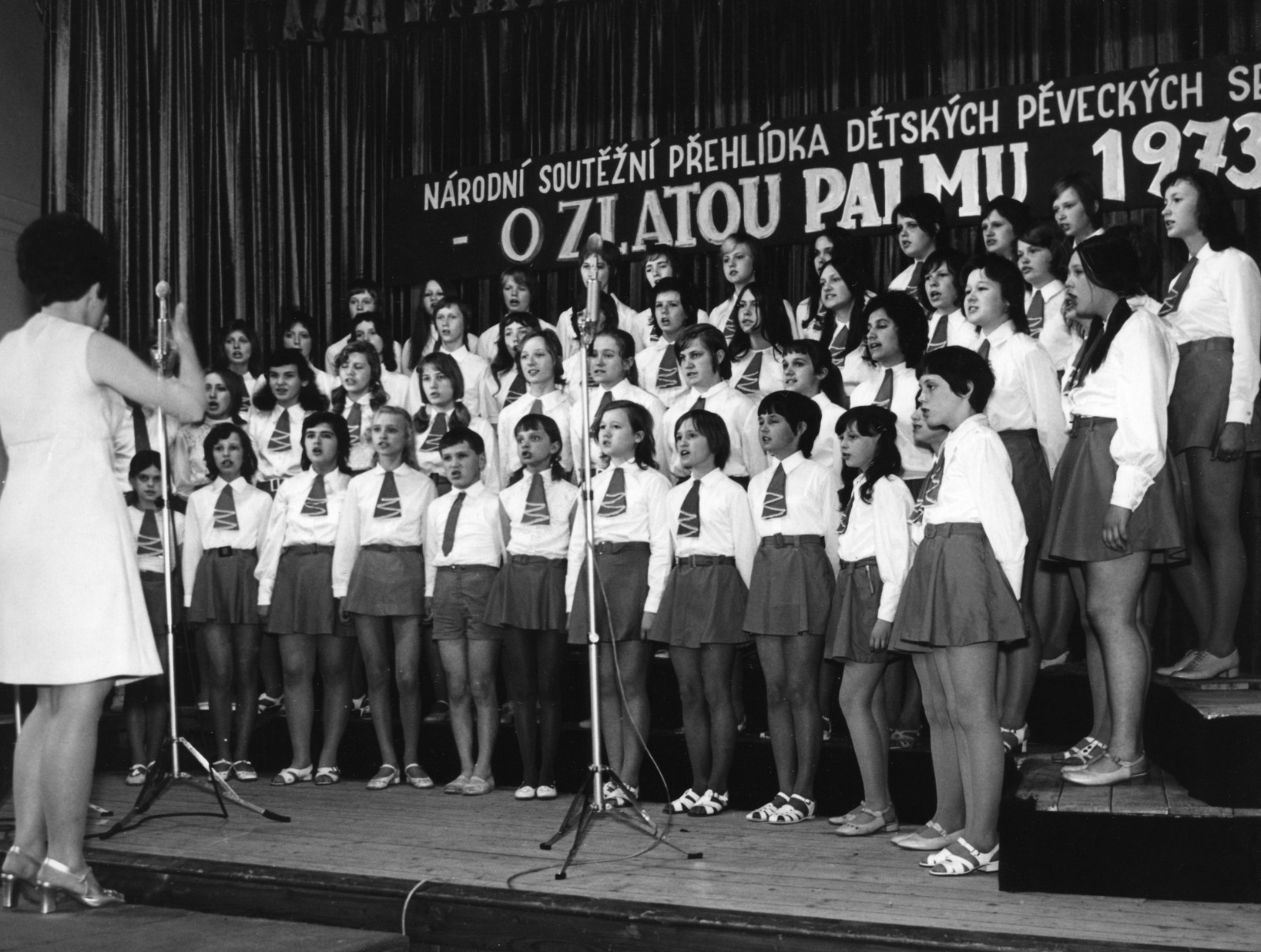
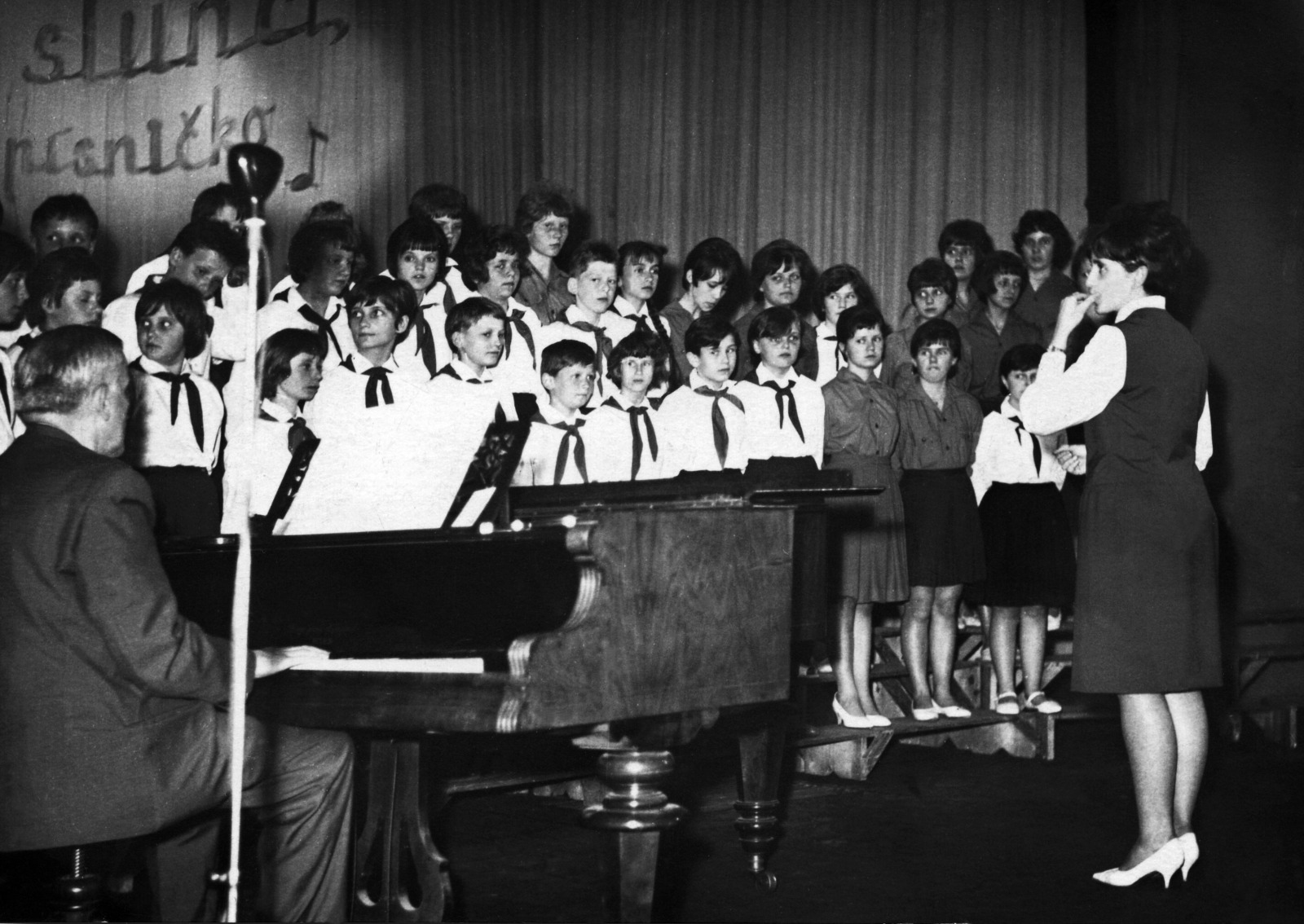
Alena Brádlová, née Kuželová, was born on February 26, 1944 in Semily and as a baby experienced the bombing at the end of the war. She grew up in the factory founded by her father. Unfortunately, he died when she was a year old and her mother and a partner ran the factory. After the communists took over, the factory was confiscated. From an early age she loved singing and went to choir. She graduated from the Faculty of Education and started teaching at the primary school in Semily. There in 1964 she founded a children‘s ensemble, which subsequently became the Jizerka choir, which still performs today. She was not in the communist party and had to face various obstacles during communism. After the fall of communism, the choir began to perform extensively around the world and even visited America and Japan. In 2024 she lived in Semily.