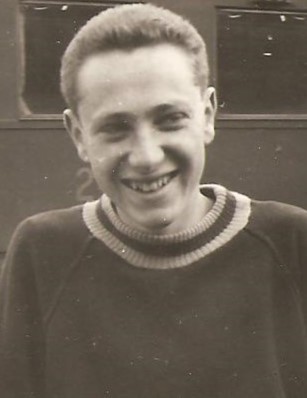
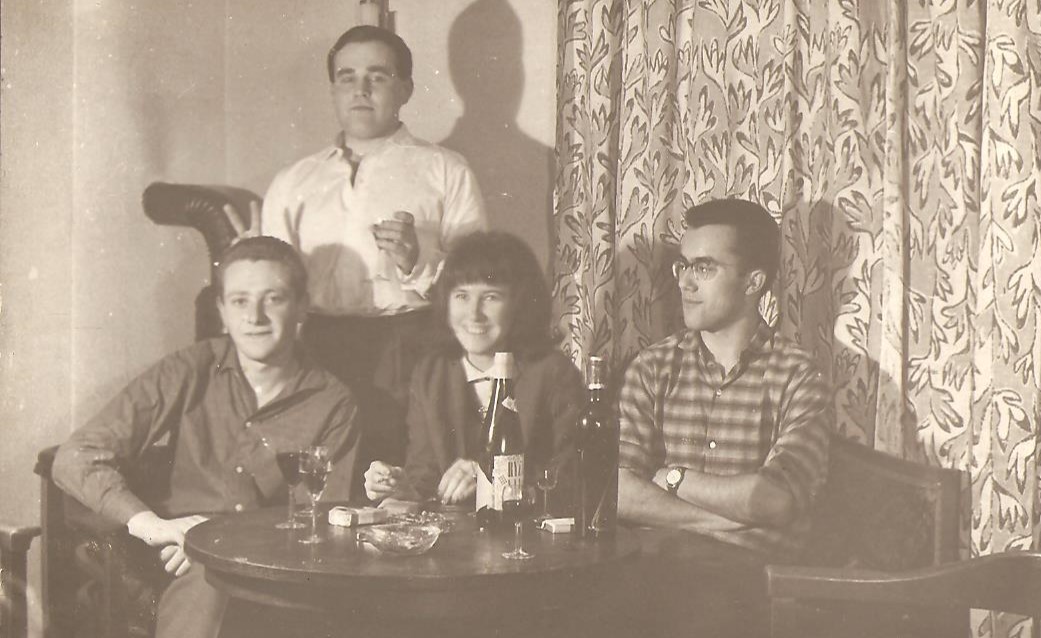
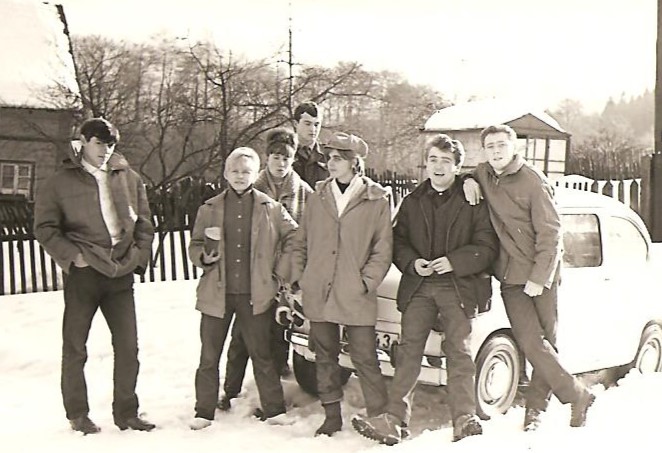
"It took a thousand forms. From putting out a mock battle alert after curfew and chasing the young guys out to clean the dirty hallway. Instead of soap, they would sprinkle plaster on it. We were scrubbing with brushes in our nightgowns, of course, because there were no pyjamas then; there were nightgowns. It was funny too - I was small, so I had a nightgown down to the floor, whereas the big boys got a nightgown that like didn't cover them completely. We all stood at the bedside in the evening, bunk beds ready for inspection to make sure our stuff was folded neatly and the beds made properly. And if they weren't, the old hand would go in and mess up the clothes, and they'd have to be folded anew, and then they'd come to check the lockers, and that's where the shirts had to be lined up likewise."
"That's all that's left of my memory. I see it like today, with the Tesla Congress radio on the table by the window. My parents are hunched over it, I'm next to them, and they're listening to the broadcast of the trial [of Rudolf Slánský], with the prosecutor yelling. And now I don't know if my mother said it, or if I saw it in her eyes. 'What's going to happen to us?' But the topic of Judaism was never really discussed at home; it was not addressed. I knew about it, but somehow, I never looked into it, never discussed it, nobody reminded me of it. I have probably never encountered anti-Semitism; I don't know about it."
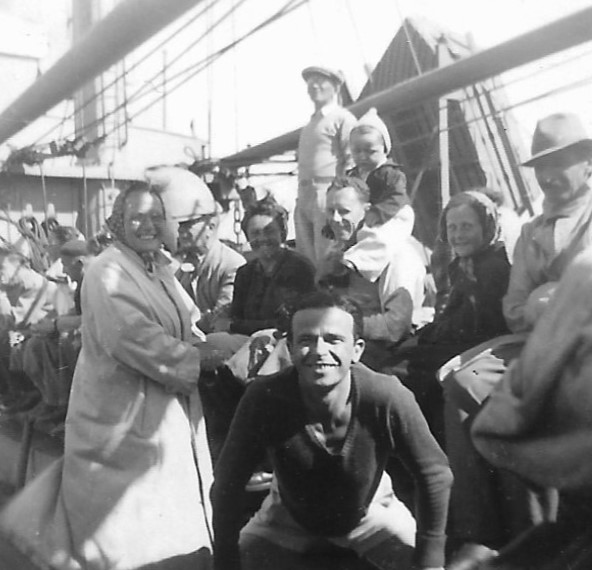
"They [my parents] left the already occupied Czechoslovakia sometime in October 1939 after the Nazis let them go and gave them visas to Shanghai. My sister, who was less than two years old at the time, left with them. They travelled a very complicated route called the Mandler Transport [the emigration was organised by Mandler's emigration office] from Prague to Bratislava, from Bratislava along the Danube to Romania. In Romania, they waited for a ship to take them on, and there they landed on a ship that originally carried coal. The men who were in that transport built bunk beds in it. Those people lived there and travelled, and went to Palestine or Israel. It was so cold at sea at first that my mother's feet froze and she rubbed them to death with glycerine where her shins were. And then when they passed through the Bosphorus, they were joined by a British warship, which escorted them to somewhere, probably Haifa, the port. Because the people on the boat didn't have visas for Palestine, the British put them in an internment camp. Men, women separately."
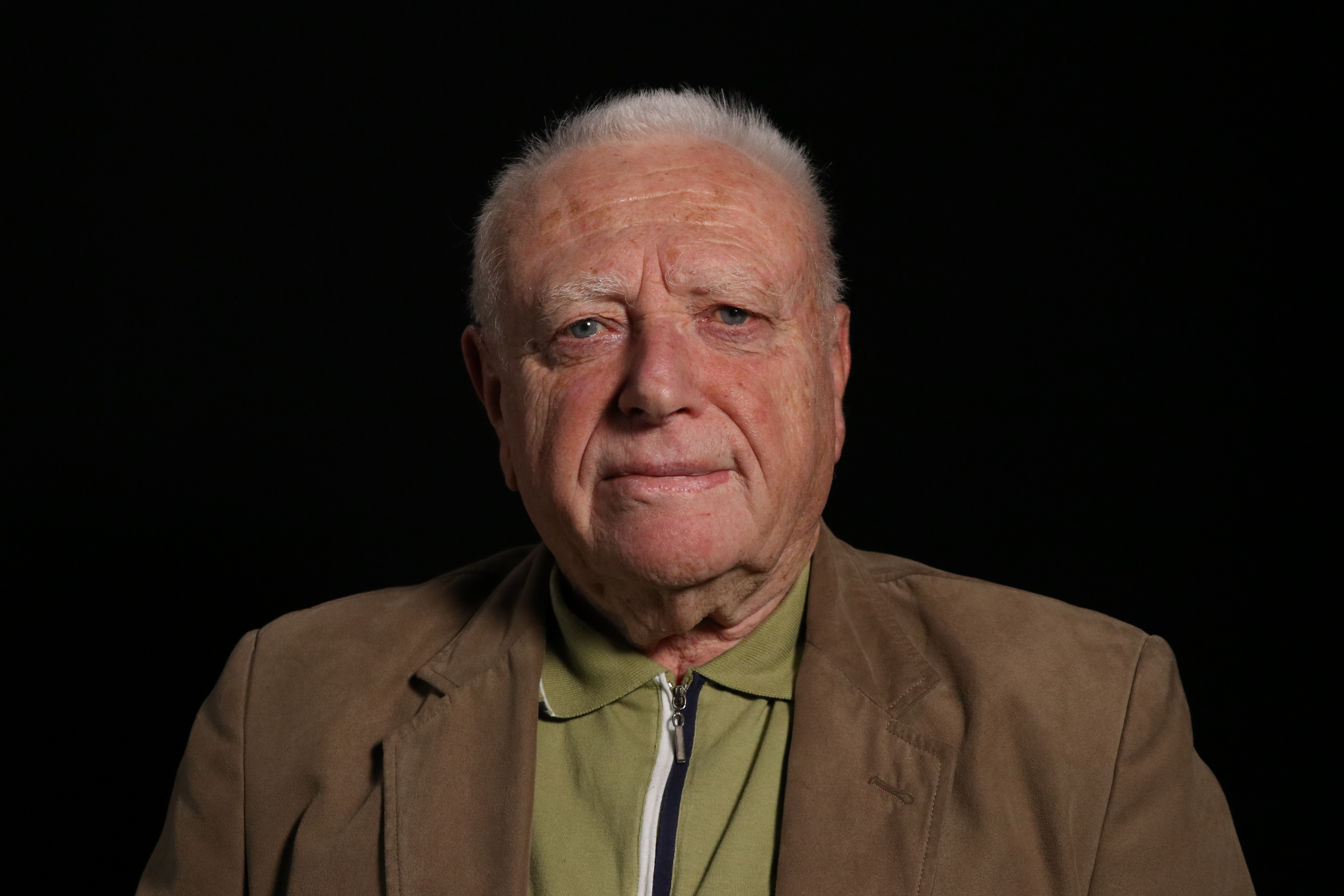
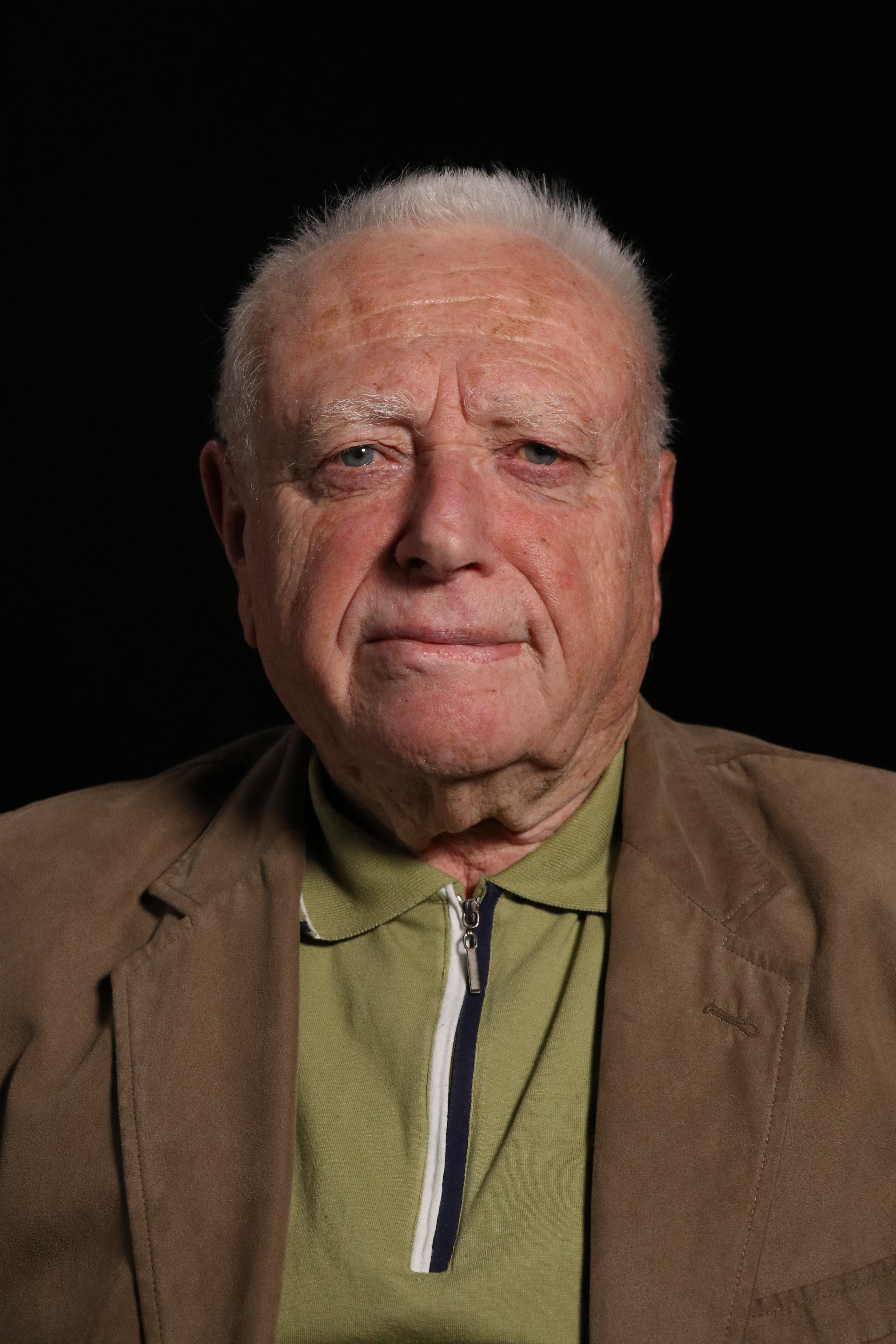
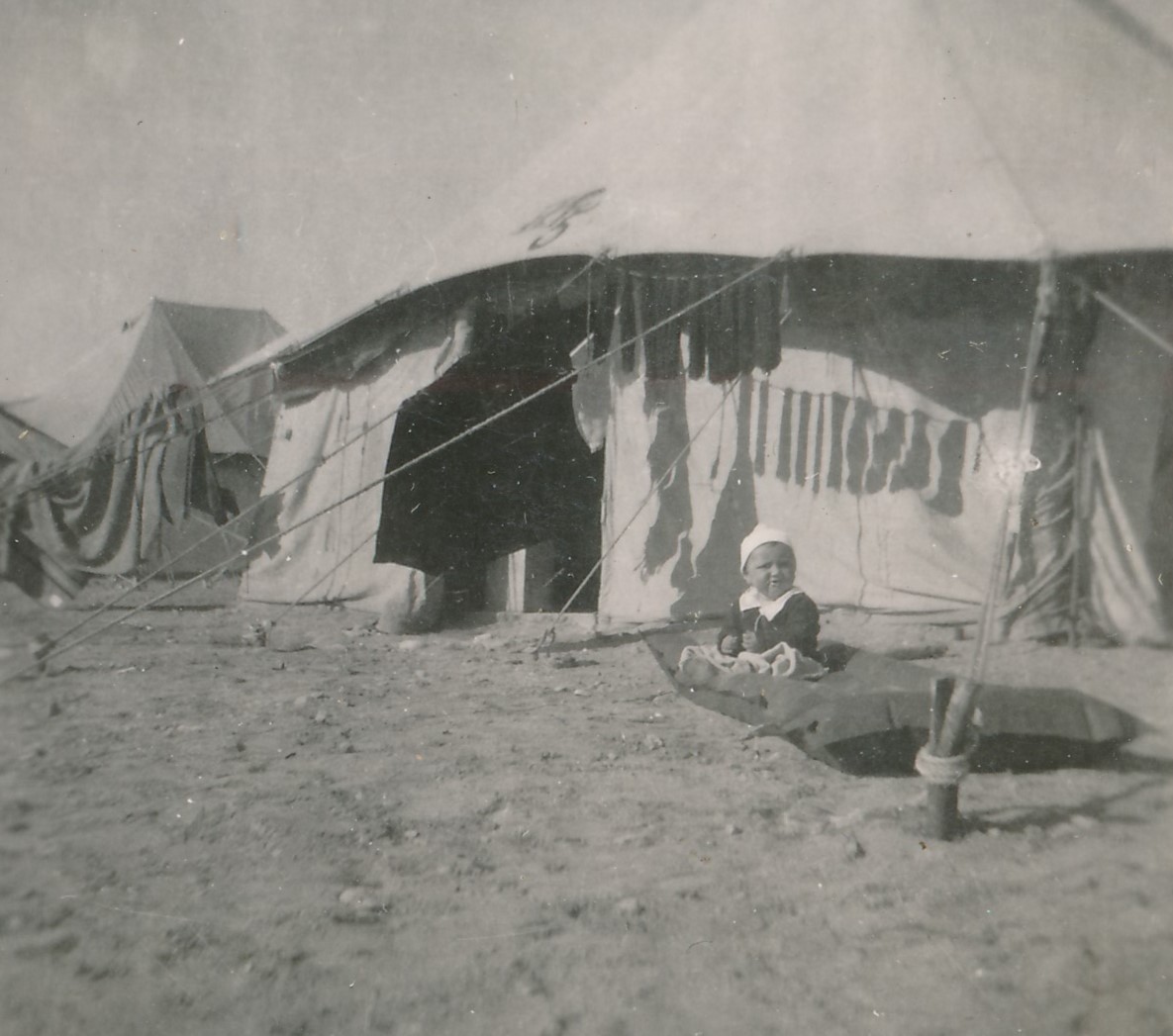
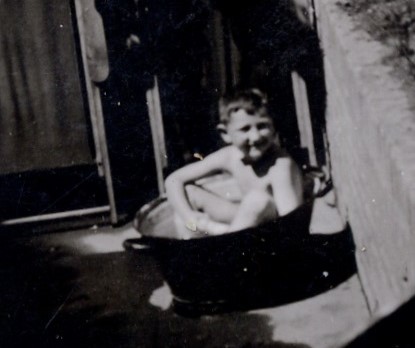
Tomáš Bergmann was born on 2 February 1945 in Jerusalem to Ilse and Arnošt Erik Bergmann. Both his parents came from assimilated Jewish families and left Czechoslovakia for the then Palestine in 1939. In 1946, he and his family returned to Prague on the first transport. He spent his childhood in Prague-Košíře. In 1959, he entered a general secondary school (similar to today‘s grammar schools). After graduating in 1963, he applied to the University of Economics in Prague, where he was not accepted. Instead, he joined Tesla Radiospoj as a milling machine operator. In 1964-1966, he served military service in Žatec, where he experienced bullying from the older guys. In January 1967, he joined the Central Filing and Corporate Archive of the Czechoslovak Commercial Bank (CSOB). Until the Velvet Revolution, he worked there in ordinary positions. In 1969, he married Ivana Bergmann. In 1974-1979, he studied externally at the Department of Scientific Information and Library Science at the Faculty of Arts of Charles University. In September 1989, he signed the petition Several Sentences. During the Velvet Revolution, he participated in demonstrations. In 2001-2007, he worked as the Director of the Bank Office Department at Hypoteční banka. Until 2006, Tomáš Bergmann lived in Prague, after which he moved near Dobříš.
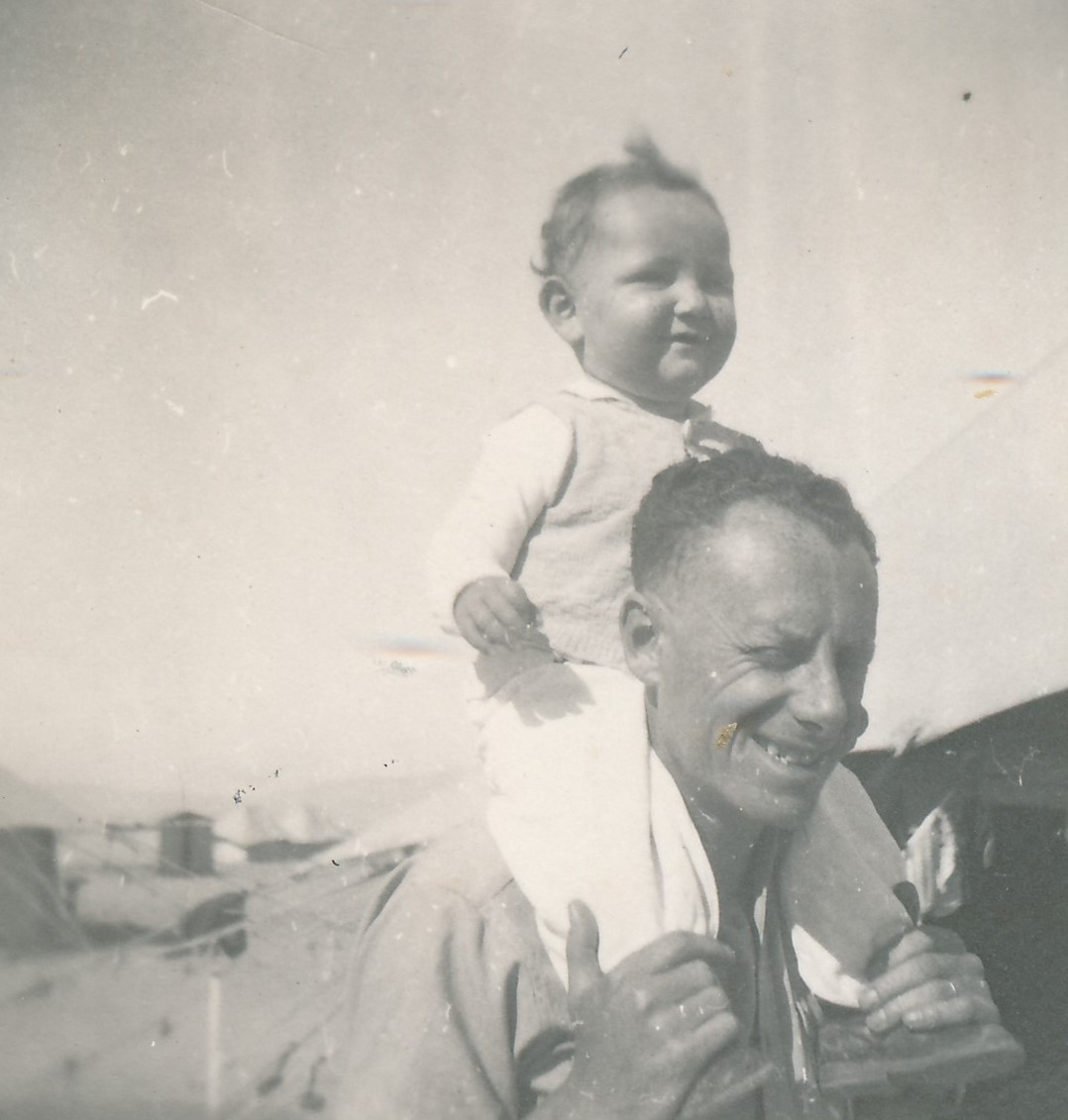
Tomáš Bergmann (in the middle on his father's back) with his mother (on his father's left) and sister (on his father's right) during the journey from Palestine to Czechoslovakia, 1946
Tomáš Bergmann (in the middle on his father's back) with his mother (on his father's left) and sister (on his father's right) during the journey from Palestine to Czechoslovakia, 1946
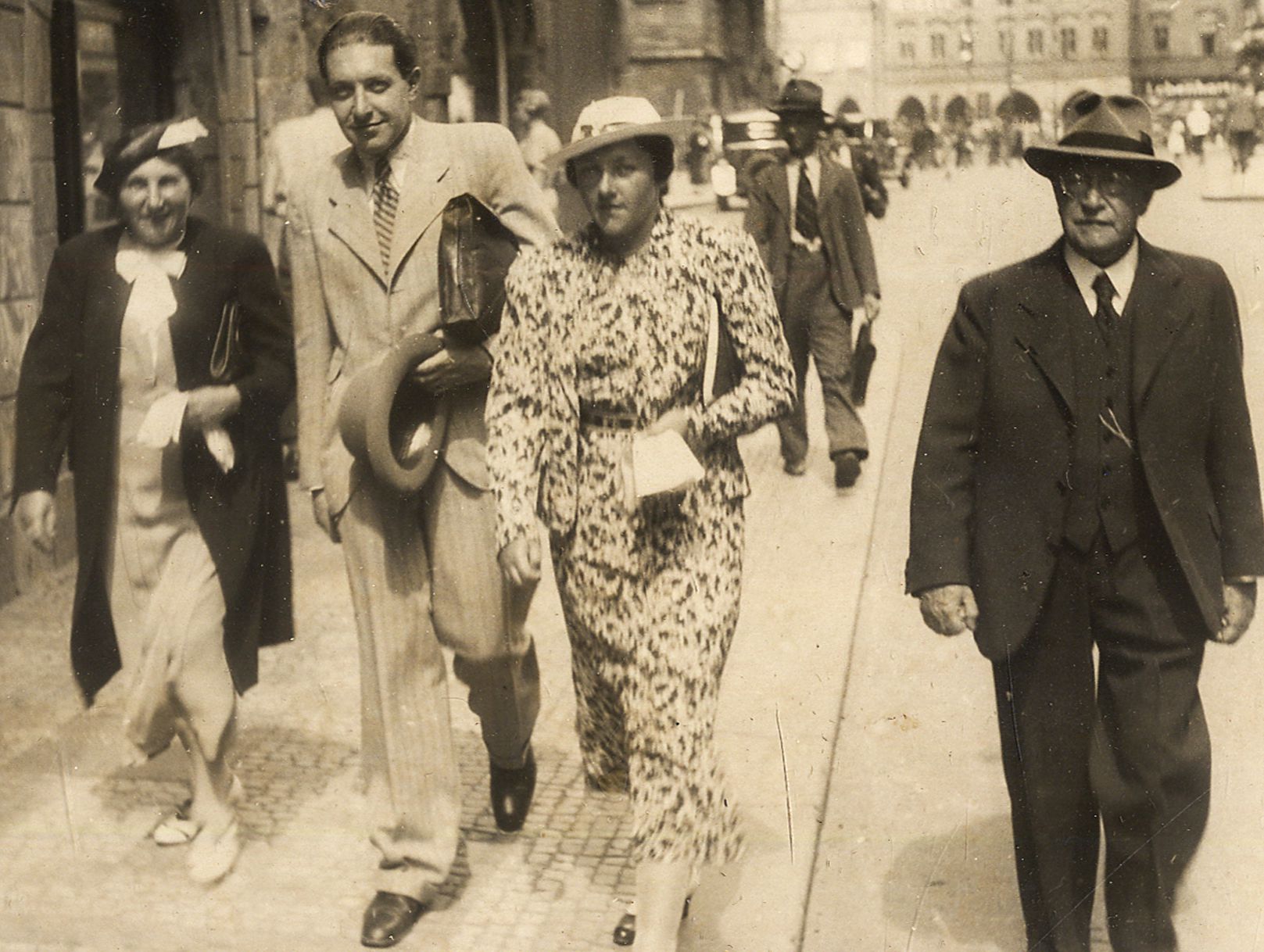
Pre-war photograph of the Weiner family from Old Town Square in Prague. Tomáš Bergmann's mother, Ilsa (third from left), with her mother Markéta, brother Felix and father Adolf. Apart from Ilsa Bergmann, no one in the photo survived World War II
Pre-war photograph of the Weiner family from Old Town Square in Prague. Tomáš Bergmann's mother, Ilsa (third from left), with her mother Markéta, brother Felix and father Adolf. Apart from Ilsa Bergmann, no one in the photo survived World War II
Hrdinové 20. století odcházejí. Nesmíme zapomenout. Dokumentujeme a vyprávíme jejich příběhy. Záleží vám na odkazu minulých generací, na občanských postojích, demokracii a vzdělávání? Pomozte nám!