Karel Bazika

* 1960

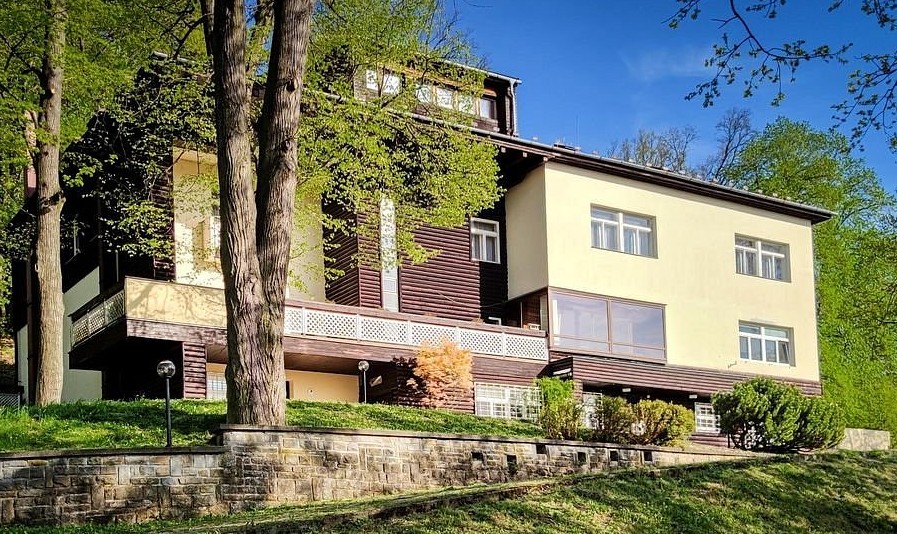
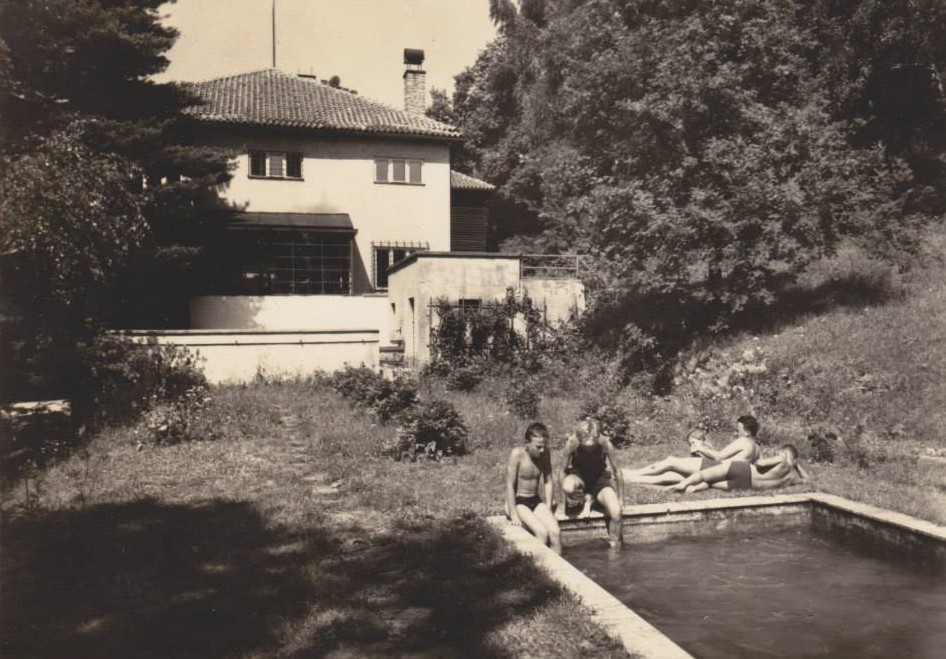
  • "Then the restitution began. Luckily, I was somehow given time off from work, and I think I took advantage of the short Mondays and Fridays. So what? I wouldn't have known my way around, because being a carpenter I was basically stupid, untrained, processed by socialism, so I didn't know anything about economics or law. I went to see a lawyer at Průmyslové stavby, and he said yeah, he'd go ahead and help me out, but he was more of a guide and I had to do all the work myself. My brother didn't want to do it. He's always been more passive in these things. So I started going around and actually finding out. And when I came to Sazovice and Buňov, I didn't know how close Bystřice pod Hostýnem was and that my family used to be there, that sort of thing. I actually started discovering during the restitution process that I was close to where part of my family came from. It actually started with searching the archives in Kroměříž, and some of those paths led to Prague."

  • "That's a nice story. Unlike kids today, we were allowed to move about freely, we used to go from Žižkov to the swimming pool in Podolí, and my brother and I were actually alone at that time. When we were in the pool, my brother surfaced and somebody called, 'Look, a frog,' because he came out of the water, his head slipping out and his eyes rolled back and him sputtering, so they said, 'What, a frog!' We got talking to these guys and it turns out they came from a troop that used to be boy scouts in Strašnice, and we joined them by next week."

  • "What is certain is, no one cut anyone any slack. Bullying was normal. We were all rascals. The way it worked, starting from home, I think my mother tried what you call 'small town education'. For example, she wanted to teach us to eat decently, so we had to to eat with our hands close to our torsos, and to achieve that, she inserted toilet paper underneath our arms and we had to eat like that. Unlike kids today, we had to help out at home from a young age. I remember washing dishes off the stool because I couldn't reach the sink. We wiped dust. We'd go knock out the carpets. We even cleaned the carpets with foam from the spring. We had to just go hang laundry in the attic. It was just chores. There were a diverse bunch of kids in the building, and we mostly played in the yard. Every house had a back yard. We had to go get coal for heat stoves, and we were always scared to go in the basement but we just had to. Then when school came, we would usually come home from school, throw our bags briefcase under the nearest car, and just run outside. When it was getting close to the time for our parents to come home, we'd grab our school bags and pretend we were doing homework and learning."

  • Celé nahrávky
  • 1

    Zlín, 03.08.2025

    (audio)
    délka: 02:55:09
    nahrávka pořízena v rámci projektu The 20th century in the memories of witnesses
Celé nahrávky jsou k dispozici pouze pro přihlášené uživatele.

Freedom also means responsibility
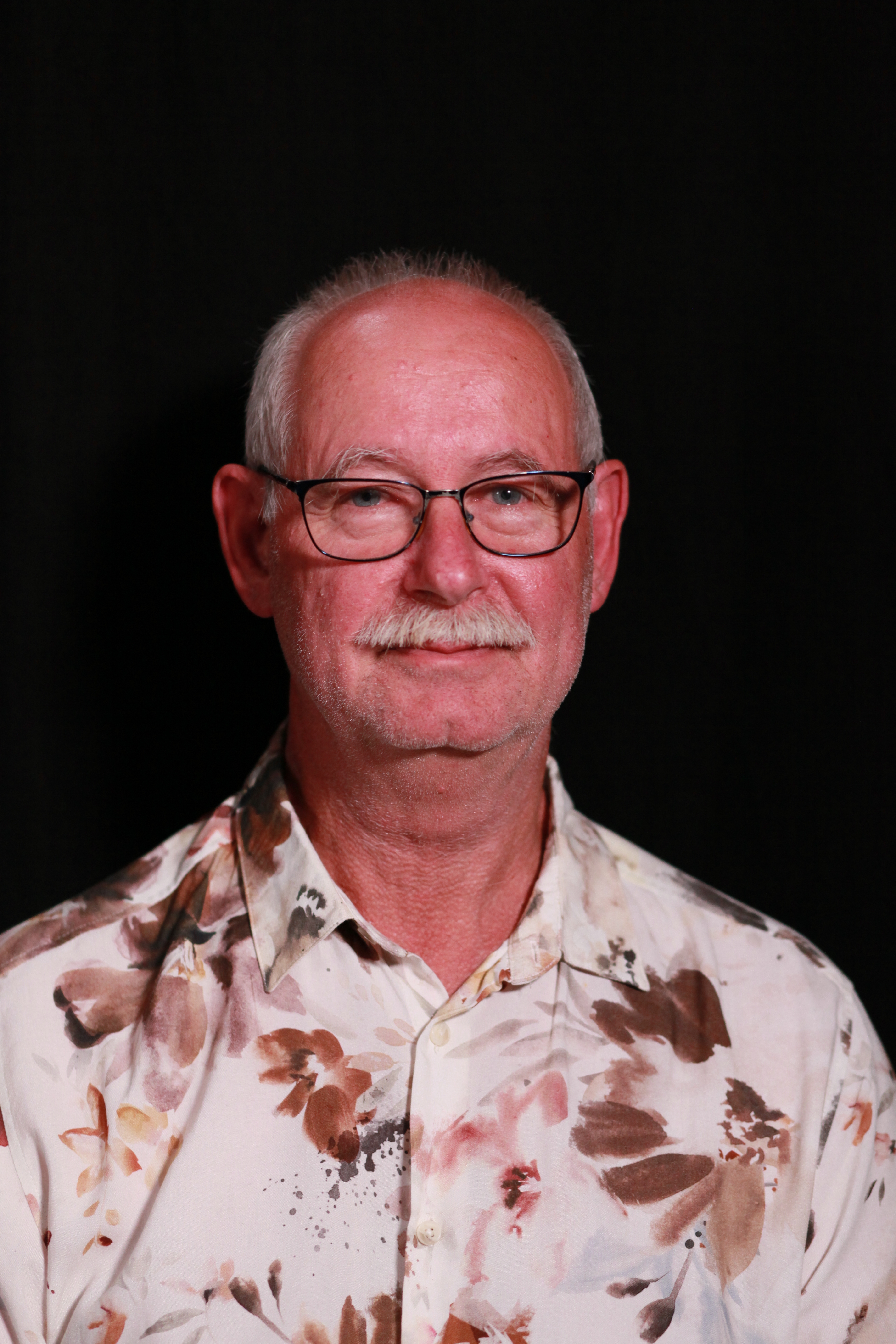
Karel Bazika, 2025
Karel Bazika, 2025
zdroj: Post Bellum

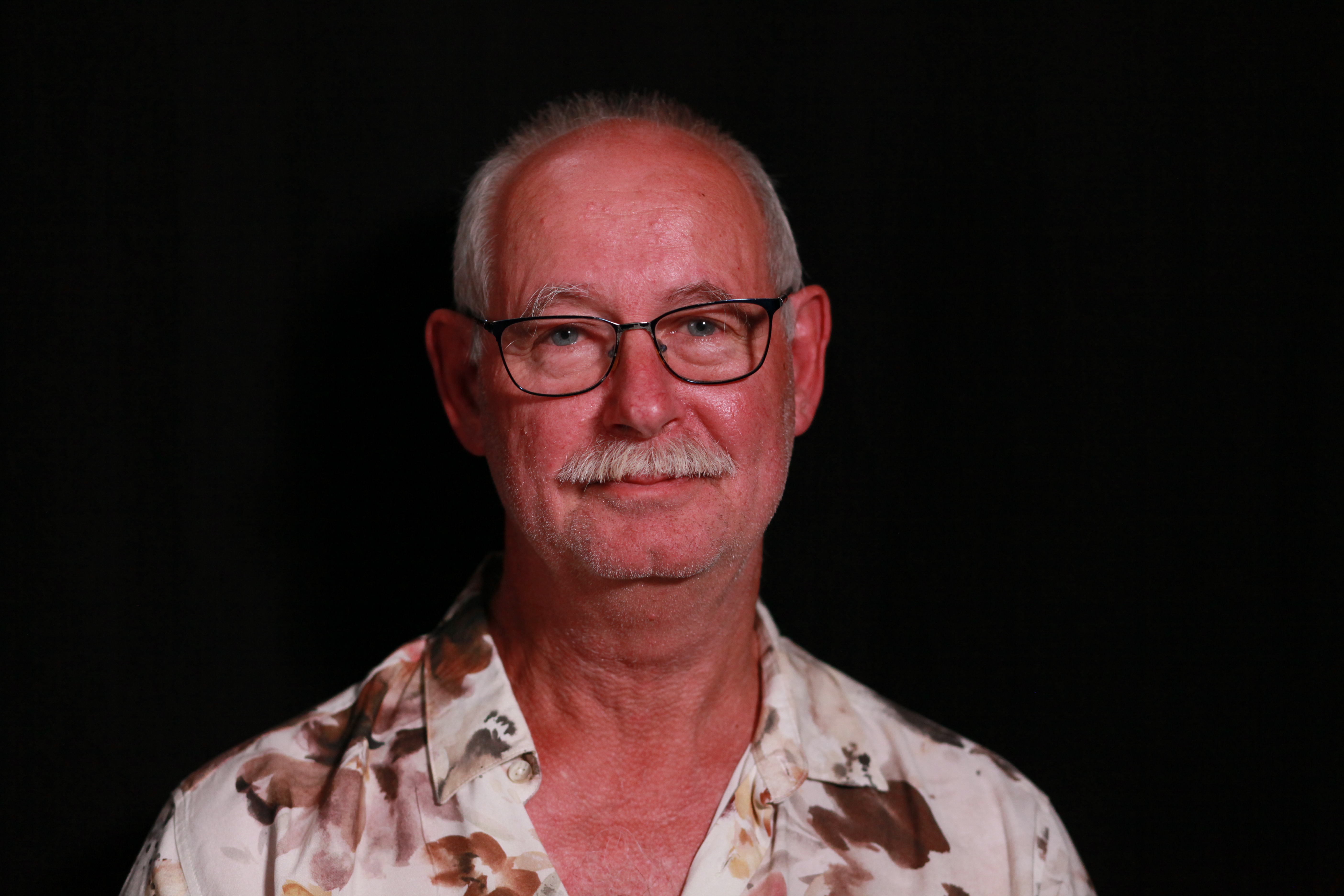
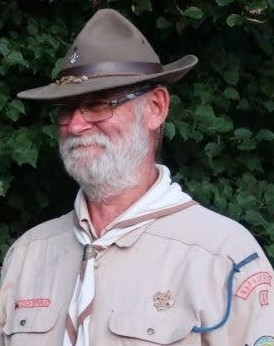
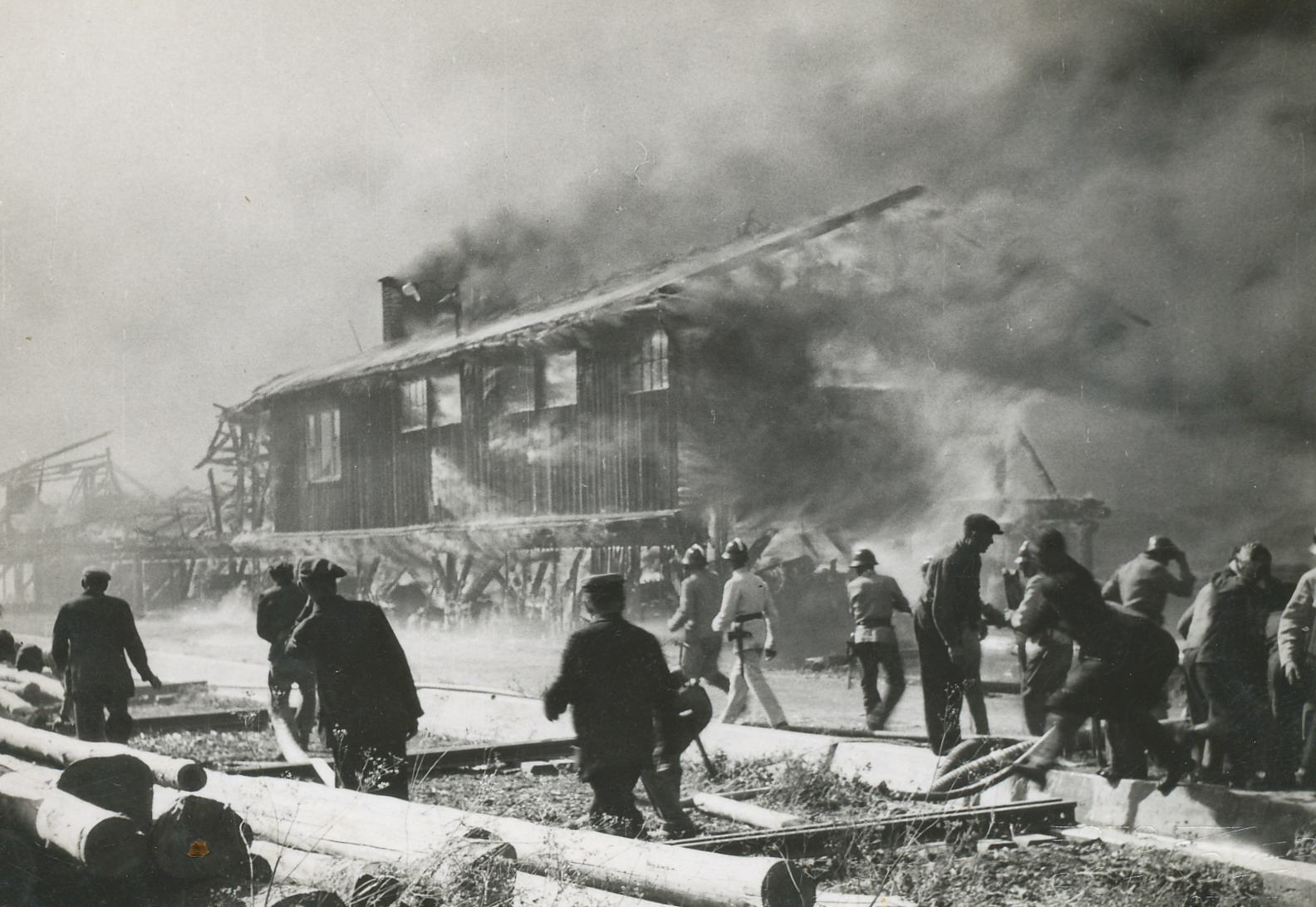
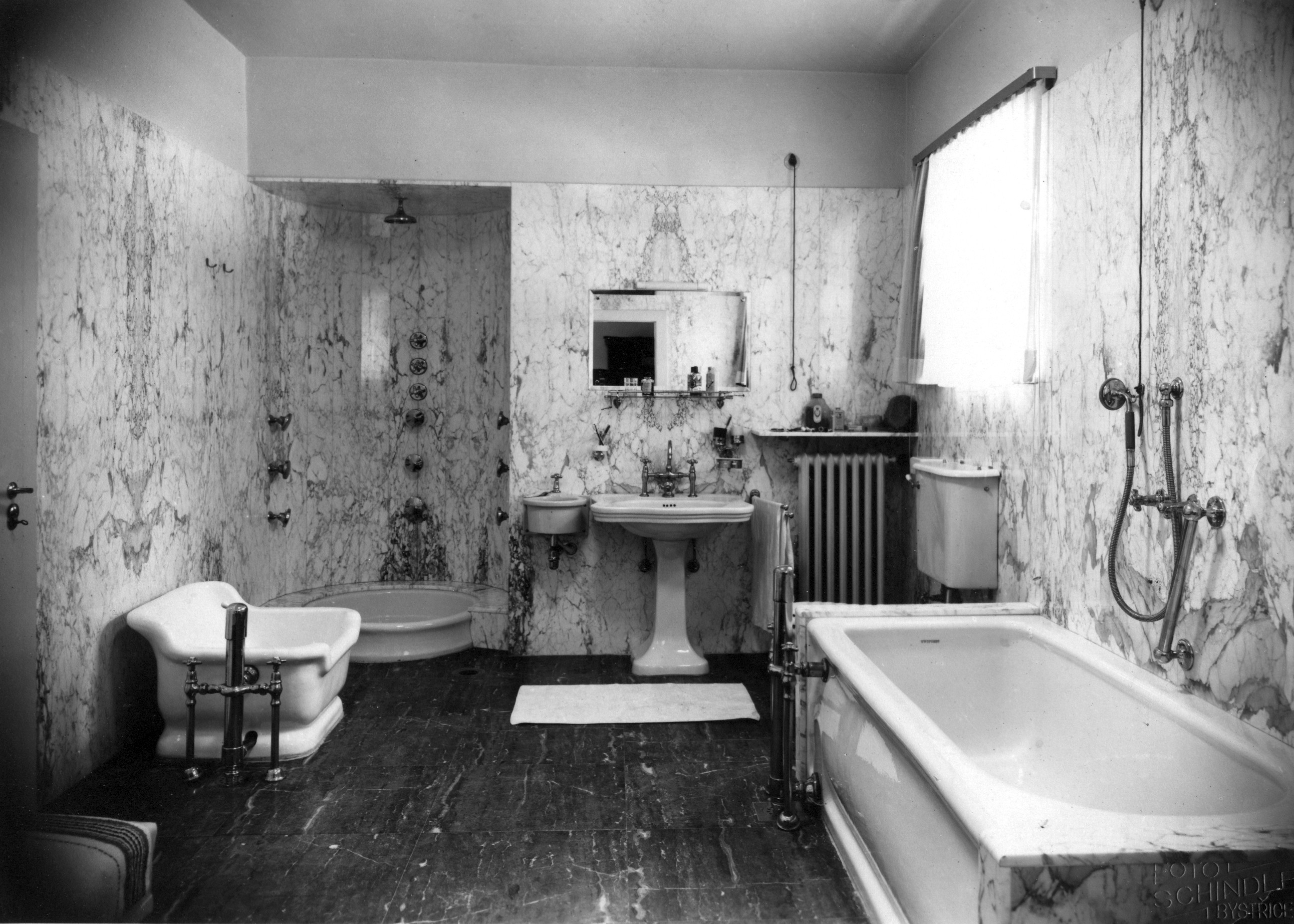
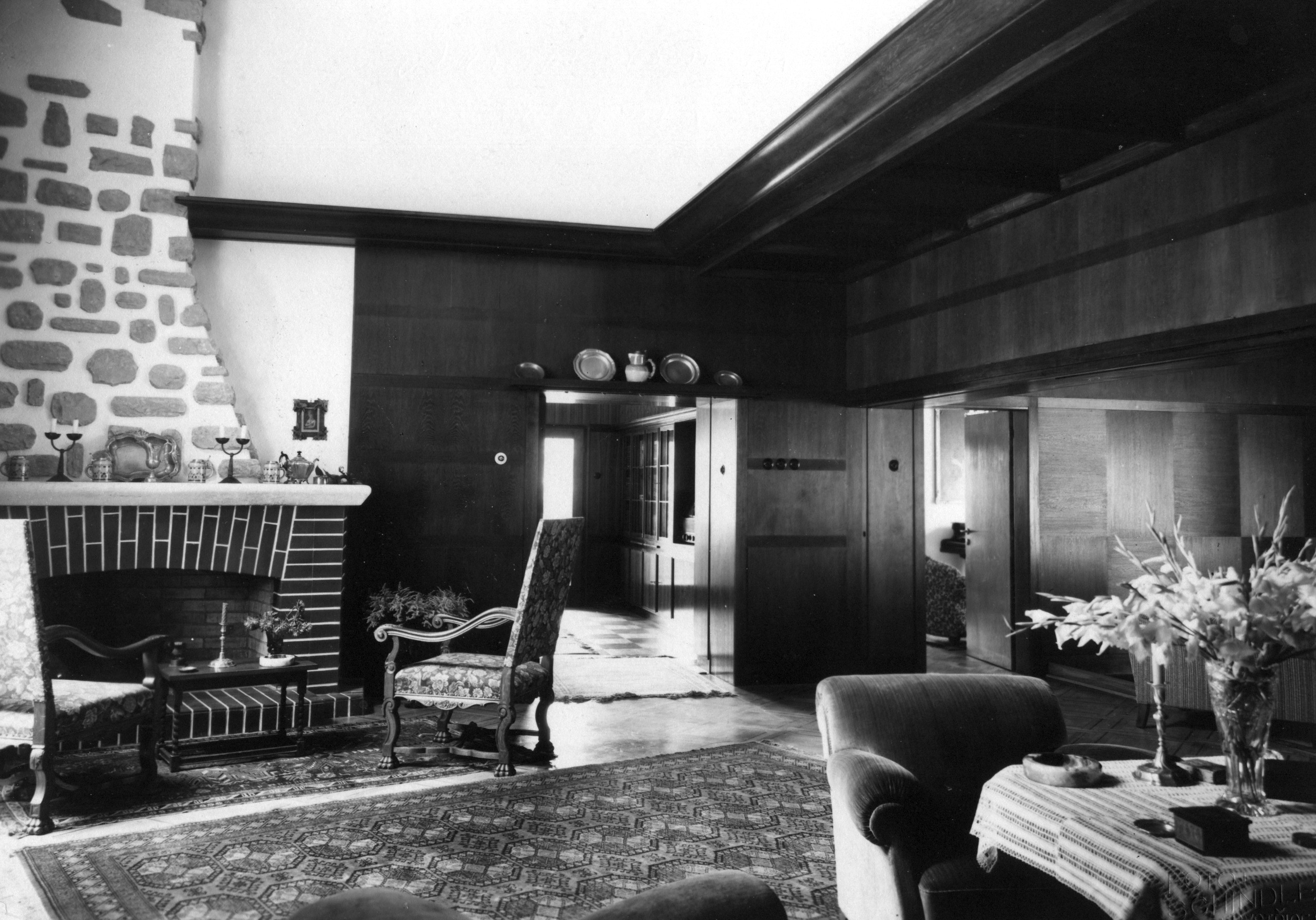
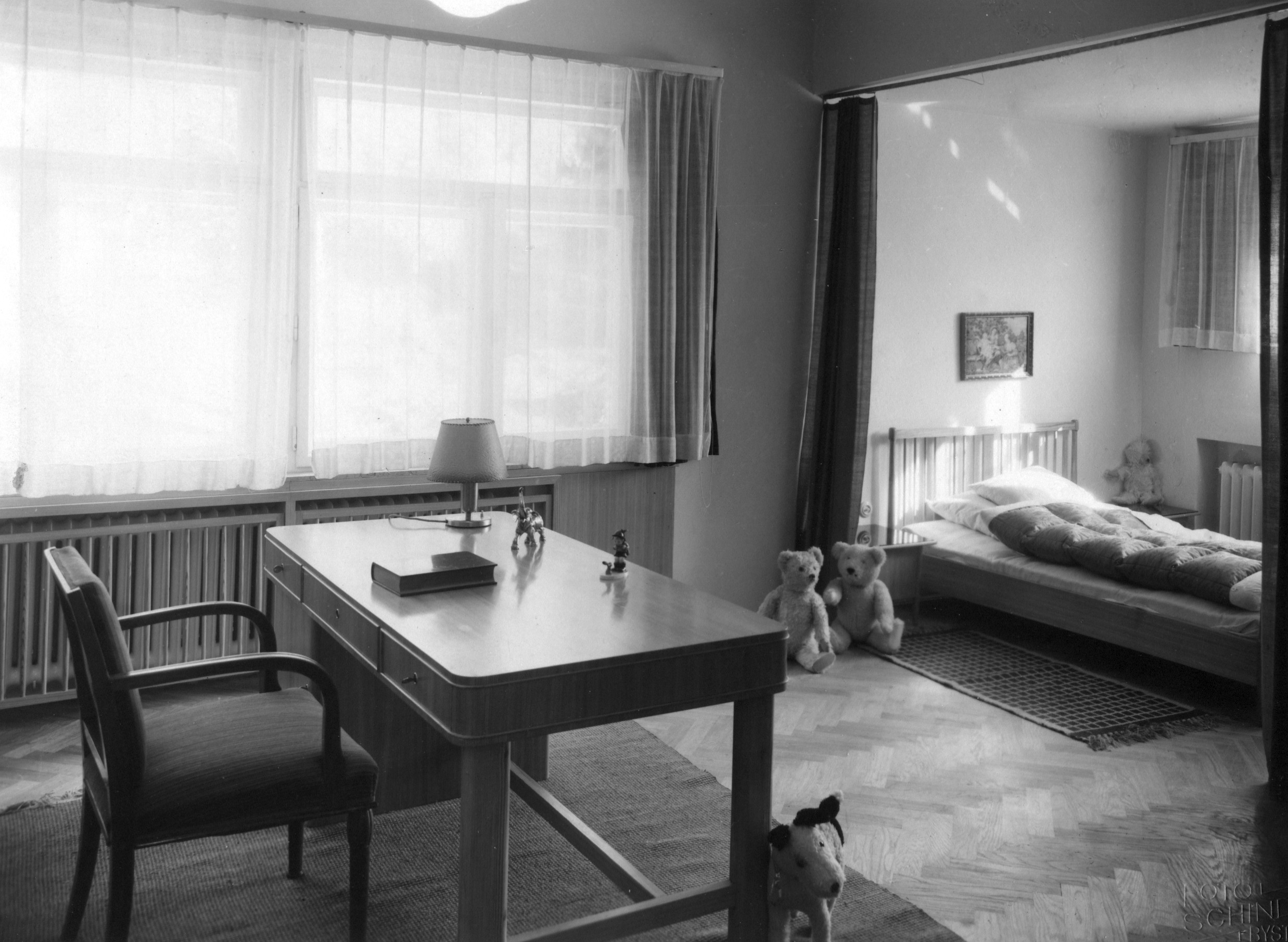
Karel Bazika was born in Prague on 5 December 1960 to his father Karel and mother Jana, née Leiblová. His grandfather Karel Bazika, was the CEO of their family woodworking factory Impregna in Bystřice pod Hostýnem. After the coup, nationalisation and imprisonment of the grandfather for alleged treason, the family lost all their property. Karel Bazika spent his childhood in Žižkov, Prague without his father who emigrated to Canada after 1968. His mother struggled to raise her two sons. Karel‘s adolescence was informed by scouting, tramping and his love of nature. He was with the unofficial Owl Scout Troop in Strašnice in Prague between 1973 and 1975. After moving to Hartvíkovice with his mother and stepfather who worked on the construction of the Dalešice Dam, he trained as a carpenter in 1977, serving as a guide of a pioneer troop yet focusing on tramping education. Following his military service, he worked with Průmyslové stavby in Prague and Jeseníky from 1979, focusing horses. He then joined the breeding station in Tlumačov and then the farm ooperative (JZD) in Sazovice. After 1989, he worked in the construction and service industries and sought restitution of his family property, regaining a share in a villa in Bystřice. His love of folklore led him to found the ensemble Committee for the Preservation of Traditions (VPUT) in Sazovice which revived Haná customs. Retired, he returned to scouting - he founded the Tramps troop in 2015 which he still led in 2025, living in Sazovice.