cs_CZ de_DE en_GB fr_FR hu_HU pl_PL ro_RO ru_RU sk_SK 

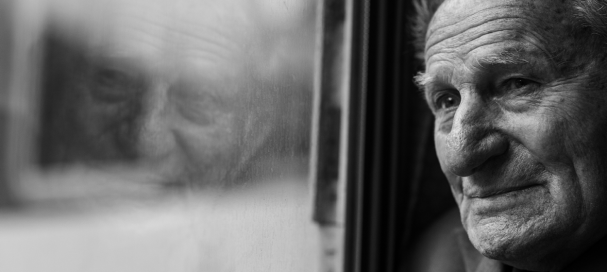
Lieutenant Colonel Vasil Kolbasňuk (1921) - Lebenslauf


Alle Benutzerrechte dieses Materials gehen von den Rechten der einzelnen Projekte aus. Wenn Sie die Materielien zu dieser Zeugenschaft ergänzen können, bitte kontaktieren sie uns.

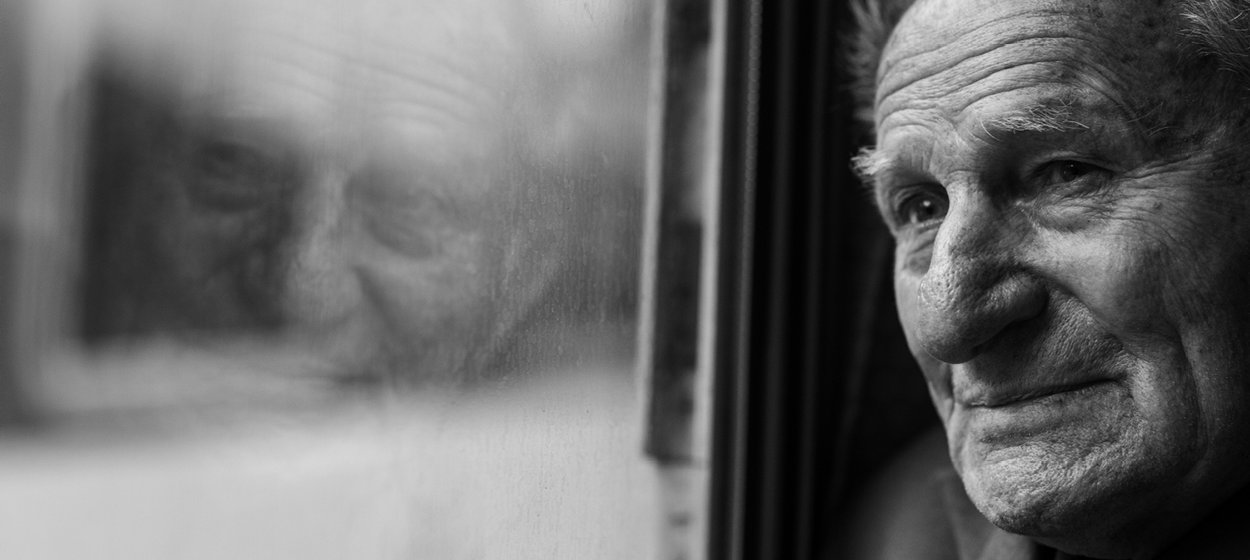
"I do mind that war veterans receive few national honours from the president for all their services to the country. They don't have enough money when it comes to that..."

Vasil Kolbasňuk was born on the 11th of May 1921 in Jasiň, Transcarpathian Ruthenia. As a child he served as a farmhand, later joining a youth union. After the Hungarian occupation in 1939 he was forced to attend pre-military training. Together with his brothers he escaped to the USSR, where he was subsequently put in jail, sentenced to five years of prison and deported to a work camp in Siberia, from whence he was liberated by joining the newly formed Czechoslovak army - he was amnestied, arriving in Buzuluk on Christmas Eve 1942. While there he underwent infantry training, but due to his health he was delayed from joining the battlefront and transferred to a reserve regiment. Vasil Kolbasňuk left Buzuluk for supplemental training in Novokhopersk, where he was finally signed in to a standard company.

His first combat assignment was at Kiev, where he served as an anti-tank crew member - he was promoted to Lance Corporal and received a war cross and a medal For Merit. In late 1943, early 1944, when Volynian Czechs began joining the army en masse, Vasil Kolbasňuk was promoted to Corporal and sent to Rovno to help with their recruitment and their combat and discipline training. After three months of officer schooling he was given the rank of Sergeant.

Immediately after completing the training of Volynian Czechs, Vasil Kolbasňuk returned to the front, acting as second-in-command of a platoon during the Carpatho-Dukla Operation. During an attack on spot height 534 on the 20th of September 1944 he was heavily injured. He was taken to the hospital in Rzeszow and did not return to the front until the Jasel Operation. However, his brother soon helped him get leave so he could visit his family in Jasiň, which was already liberated. At the time he had already been promoted to staff sergeant. After the war, Vasil Kolbasňuk served in Trebušany by the Romanian borders. Just before Subcarpathian Rus was annexed by the USSR, Vasil Kolbasňuk took the opportunity to relocate to Bohemia.

He was stationed in various barracks throughout Prague - on Republic Square, Malá Chuchle and the military sanatorium in Jenerálka. He served with the border guards, but was soon transferred to the National Defence Corps [SNB, state police - transl.]. After joining the SNB in 1947 he was sent to Bečváry near Kolín with the police rank of Staff Sergeant. However he was soon relocated to Habartice and Horní Pertoltice, where he patrolled forests frequented by Banderites.

After completing his assignment he was sent to the SNB school in Liberec, which he completed as the 37th graduate of 130. He was given the rank of Constable and consequently Staff Sergeant. In 1952 he graduated from the SNB officer school in Olomouc. After completing his studies he served in České Kubice in West Bohemia with the rank of 2nd Lieutenant.

His promising police career came to a sudden end in 1955, when he was framed by his superiors and co-workers and fired from the SNB. He then worked as a bus driver with ČSAD [Czech State Bus Lines - transl.] and a boilerman for high-pressure boilers in the gasworks in Teplice.

In 1968 he left the Communist Party of Czechoslovakia as a protest against the invasion of the country by armies of the Warsaw Pact. He did not lose his job during the normalisation period and continued to work as a boilerman until his retirement in 1976. He met his wife, Anna Kršíková, in a cinema in Horní Pertoltice in 1947. They married in 1950. They had two sons - Vasil and Jiří. Mrs. Kolbasňuková died in 2006.


KOMMENTARE (0)

Kommentare können nur von registrierten Forschern beigefügt werden. Registration für den Studienraum here.

EINGANG IN DEN STUDIENRAUM

Login:Passwort:

Registration für den Studienraum

Passwort verloren?


ALS HOMEPAGE EINSTELLEN  | RSS  | KONTAKTE  |  (c) 2000 - 2010 Post Bellum